
Car Insurance: The Complete Guide
Car insurance bundles liability, collision, comprehensive, and medical coverage — this guide explains state minimums, full coverage, and how to lower the premium.
141 in-depth guides
Why you can trust this guide
- Written by Daniel Reyes, AINS, former licensed P&C agent — independent insurance education publisher.
- Factual accuracy reviewed and signed off by Marcus Hale, CPCU, AINS, licensed P&C agent (Independent insurance reviewer).
- Every factual claim traces to a regulator, statute, or policy document — sources are listed at the bottom of the page.
- Last verified ; time-sensitive guides are re-checked at least twice a year. Read our editorial policy.


Adding a Teen Driver: Costs, Discounts, and the Setup That Saves
Adding a teen driver raises a household premium $2,000–$5,000 a year — the assigned car, stacked discounts, and disclosure timing move it by thousands.
Read guide
Average Cost of Car Insurance in 2026
Full coverage car insurance averages roughly $1,500–$2,500 per year and minimum liability $400–$900 per year nationally — age, state, and record swing the number.
Read guide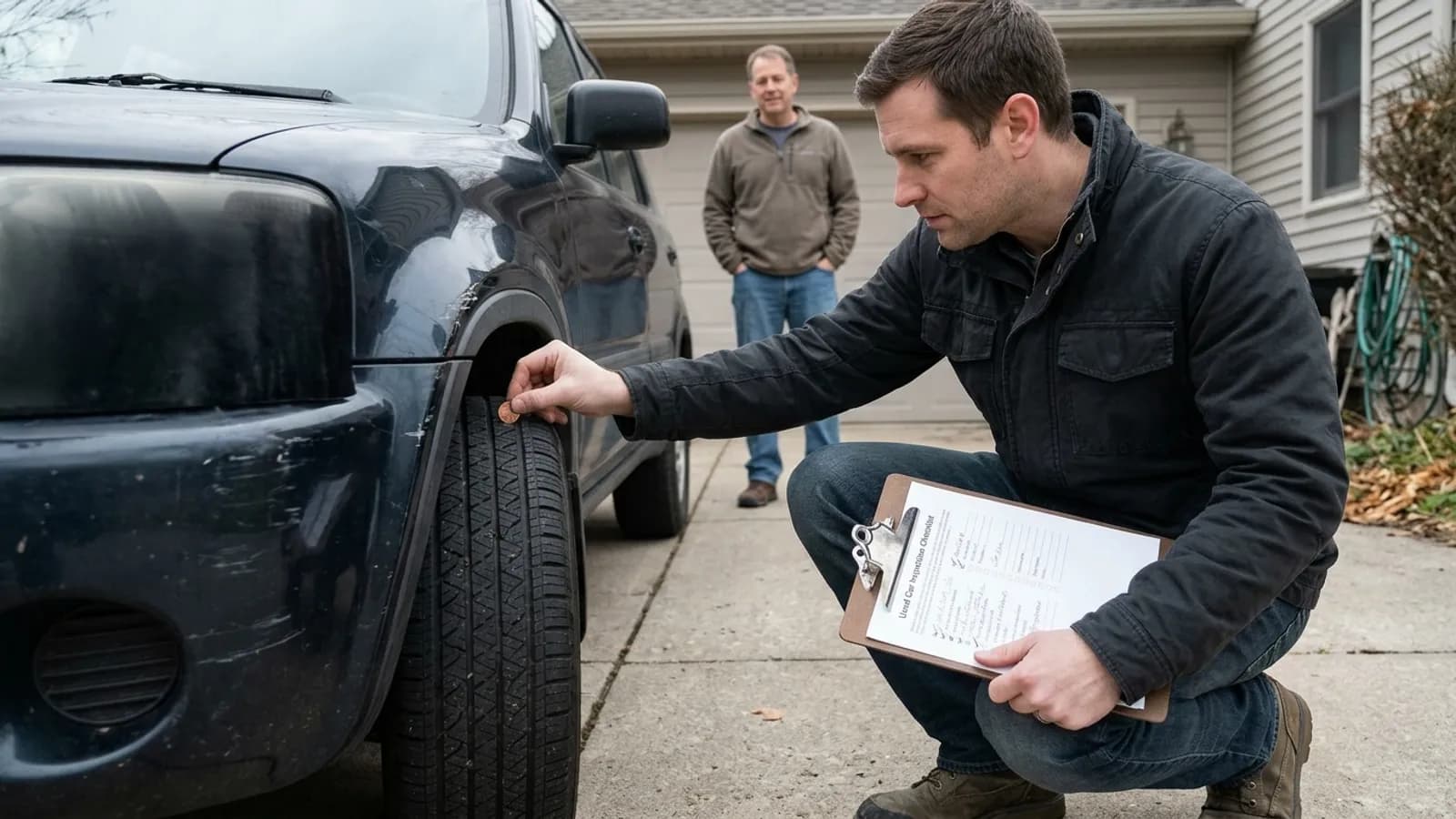
Buying a Used Car: Insurance Checklist
The used-car insurance checklist: quote the VIN before buying, run the ten-times rule on comp and collision, check title brands, and configure coverage day one.
Read guide
Captive vs Independent Insurance Agents
Captive agents quote one carrier; independent agents quote a panel of carriers — how market access, bundling depth, and claims advocacy decide which desk to use.
Read guide
Car and Auto Insurance for Veterans and Military Families
Car insurance for veterans and military families: USAA eligibility, the SCRA 6% rate cap, deployment storage rules, PCS repricing, and the transition-out checklist.
Read guide
Car Insurance After a DUI: Costs, SR-22, and the Recovery Timeline
A DUI raises car insurance 60–100%+ for 3–5 years and triggers an SR-22 or FR-44 filing — the cost tables, the recovery timeline, and the shopping playbook.
Read guide
Car Insurance at 18: What New Adult Drivers Pay
Car insurance at 18 runs $3,500–$6,500 per year for solo full coverage — the parent-policy setup, car assignment, and telematics are the levers that cut it.
Read guide
Car Insurance at 25: The First Big Price Drop
Car insurance at 25 drops to roughly $1,800–$2,800 per year for full coverage as the young-driver surcharge softens — a market re-shop captures the step.
Read guideCar Insurance in Alabama: Minimums, Costs, and How to Save (2026)
Car insurance in Alabama costs roughly $1,800–$2,800 per year for full coverage. Gulf hurricanes, tornadoes, and Birmingham metro density drive the price.
Read guide
Car Insurance in Alaska: Minimums, Costs, and How to Save (2026)
Car insurance in Alaska costs roughly $1,600–$2,400 per year for full coverage. Moose strikes, ice roads, and a thin carrier market drive what Alaska drivers pay.
Read guideCar Insurance in Arizona: Minimums, Costs, and How to Save (2026)
Car insurance in Arizona costs roughly $1,700–$2,600 per year for full coverage. Monsoon hail, dust storms, and Phoenix density drive what drivers pay.
Read guide
Car Insurance in Arkansas: Minimums, Costs, and How to Save (2026)
Car insurance in Arkansas costs roughly $1,600–$2,400 per year for full coverage. Hail, tornadoes, and ice storms drive comprehensive claims statewide.
Read guideCar Insurance in Atlanta, GA: Costs and Guide (2026)
Car insurance in Atlanta costs about $2,100–$3,300 per year, with I-285 crash corridors, theft rates, and a 15–30% ZIP-level price spread shaping premiums.
Read guideCar Insurance in Austin, TX: Costs and Guide (2026)
Car insurance in Austin costs about $2,000–$3,200 per year, with I-35 corridor crashes, hail exposure, and rapid-growth traffic shaping what drivers pay.
Read guide
Car Insurance in Baltimore, MD: Costs and Guide (2026)
Car insurance in Baltimore costs about $2,200–$3,400 per year, with historically top-tier vehicle theft rates and dense urban pricing above the state average.
Read guide
Car Insurance in Boston, MA: Costs and Guide (2026)
Car insurance in Boston costs about $2,000–$3,200 per year, with managed-competition rate rules, winter claims, and dense-neighborhood parking losses at play.
Read guide
Car Insurance in California: Minimums, Costs, and How to Save (2026)
Car insurance in California costs roughly $2,000–$3,200 per year for full coverage. Proposition 103 rules, wildfire smoke, and LA–Bay Area density set the price.
Read guideCar Insurance in Charlotte, NC: Costs and Guide (2026)
Car insurance in Charlotte costs about $1,700–$2,600 per year, with North Carolina's file-and-approve rate system and growth-driven density keeping it moderate.
Read guideCar Insurance in Chicago, IL: Costs and Guide (2026)
Car insurance in Chicago costs about $2,000–$3,200 per year, with Cook County density, catalytic-converter theft, and hail claims pushing prices above downstate.
Read guideCar Insurance in Cincinnati, OH: Costs and Guide (2026)
Car insurance in Cincinnati costs about $1,500–$2,400 per year, with hilly dense corridors, winter ice claims, and below-average baseline pricing across the metro.
Read guideCar Insurance in Cleveland, OH: Costs and Guide (2026)
Car insurance in Cleveland costs about $1,600–$2,500 per year, with lake-effect snow driving, urban theft, and Ohio's mandatory uninsured-motorist rule in the mix.
Read guide
Car Insurance in Colorado: Minimums, Costs, and How to Save (2026)
Car insurance in Colorado costs roughly $1,900–$3,000 per year for full coverage. Front Range hail, mountain winters, and Denver density drive the price.
Read guideCar Insurance in Columbus, OH: Costs and Guide (2026)
Car insurance in Columbus costs about $1,600–$2,500 per year, with moderate density, winter claims, and Ohio's UM mandate keeping prices below coastal metros.
Read guideCar Insurance in Connecticut: Minimums, Costs, and How to Save (2026)
Car insurance in Connecticut costs roughly $1,800–$2,700 per year for full coverage. Fairfield County density, nor'easters, and mandatory UM/UIM shape every quote.
Read guideCar Insurance in Dallas, TX: Costs and Guide (2026)
Car insurance in Dallas costs about $2,200–$3,400 per year, with DFW hail-corridor glass claims and dense freeway interchanges feeding collision rates.
Read guideCar Insurance in Delaware: Minimums, Costs, and How to Save (2026)
Car insurance in Delaware costs roughly $1,700–$2,500 per year for full coverage. I-95 corridor density, a $15,000 PIP floor, and nor'easter exposure shape quotes.
Read guideCar Insurance in Denver, CO: Costs and Guide (2026)
Car insurance in Denver costs about $2,000–$3,200 per year, with Front Range hailstorms making comprehensive claims routine and growth congestion adding collision.
Read guideCar Insurance in Detroit, MI: Costs and Guide (2026)
Car insurance in Detroit costs about $3,500–$6,000 per year, with PIP-selection choices, dense urban claims, and theft keeping it among America's priciest cities.
Read guideCar Insurance in District of Columbia: Minimums, Costs, and How to Save (2026)
Car insurance in Washington, DC costs roughly $2,000–$3,000 per year for full coverage. Density, theft, and a required PIP-plus-UM/UIM package shape every quote.
Read guide
Car Insurance in Florida: No-Fault Rules, Costs, and the PIP Quirk
Florida car insurance commonly runs $2,200–$3,500+ per year for full coverage. A thin PIP-only minimum, high uninsured rates, and hurricanes drive the price.
Read guideCar Insurance in Fresno, CA: Costs and Guide (2026)
Car insurance in Fresno costs about $1,800–$2,800 per year, with historically high theft rates, agricultural traffic, and heat-stressed vehicles in Valley pricing.
Read guide
Car Insurance in Georgia: Minimums, Costs, and How to Save (2026)
Car insurance in Georgia costs roughly $1,900–$3,000 per year for full coverage. Atlanta density and theft, coastal hurricanes, and uninsured drivers set the price.
Read guide
Car Insurance in Hawaii: Minimums, Costs, and How to Save (2026)
Car insurance in Hawaii costs roughly $1,500–$2,300 per year for full coverage. Island repair logistics, Oahu density, and a credit-score ban shape every quote.
Read guide
Car Insurance in Houston, TX: Costs and Guide (2026)
Car insurance in Houston costs about $2,200–$3,400 per year, with massive commute mileage, hail exposure, and Harvey-legacy flood claims shaping the price.
Read guideCar Insurance in Idaho: Minimums, Costs, and How to Save (2026)
Car insurance in Idaho costs roughly $1,400–$2,100 per year for full coverage. Boise growth, wildlife strikes, and mountain-pass winters shape every quote.
Read guide
Car Insurance in Illinois: Minimums, Costs, and How to Save (2026)
Car insurance in Illinois costs roughly $1,700–$2,700 per year for full coverage. Chicago density and theft, hail belts, and mandated UM coverage shape quotes.
Read guideCar Insurance in Indiana: Minimums, Costs, and How to Save (2026)
Car insurance in Indiana costs roughly $1,500–$2,300 per year for full coverage. Indianapolis density, tornado-alley hail, and rural deer strikes set the price.
Read guideCar Insurance in Indianapolis, IN: Costs and Guide (2026)
Car insurance in Indianapolis costs about $1,600–$2,500 per year, with moderate density and tornado corridors keeping prices below the national average.
Read guide
Car Insurance in Iowa: Minimums, Costs, and How to Save (2026)
Car insurance in Iowa costs roughly $1,400–$2,100 per year for full coverage. Hail, derecho winds, river flooding, and rural miles keep Iowa among the cheapest.
Read guideCar Insurance in Jacksonville, FL: Costs and Guide (2026)
Car insurance in Jacksonville costs about $2,200–$3,400 per year, with Florida's PIP rules, uninsured-driver rates, and tropical exposure in the pricing mix.
Read guideCar Insurance in Kansas City, MO: Costs and Guide (2026)
Car insurance in Kansas City costs about $1,700–$2,600 per year, with hail corridors, highway density, and a Missouri–Kansas state-line pricing split.
Read guideCar Insurance in Kansas: Minimums, Costs, and How to Save (2026)
Car insurance in Kansas costs roughly $1,500–$2,300 per year for full coverage. Hail alley weather and a required $4,500 PIP no-fault package shape every quote.
Read guideCar Insurance in Kentucky: Minimums, Costs, and How to Save (2026)
Car insurance in Kentucky costs roughly $1,600–$2,400 per year for full coverage. Choice no-fault PIP, Louisville metro claims, and ice storms shape every quote.
Read guideCar Insurance in Las Vegas, NV: Costs and Guide (2026)
Car insurance in Las Vegas costs about $2,000–$3,200 per year, with tourism traffic, monsoon flash floods, and theft rates shaping premiums across the valley.
Read guideCar Insurance in Los Angeles, CA: Costs and Guide (2026)
Car insurance in Los Angeles costs about $2,200–$3,600 per year, with Prop 103 pricing rules, dense traffic, and enormous neighborhood-by-neighborhood spread.
Read guideCar Insurance in Louisiana: Minimums, Costs, and How to Save (2026)
Car insurance in Louisiana costs roughly $2,400–$3,800 per year for full coverage. Hurricanes, a top-tier uninsured rate, and litigation pressure drive the price.
Read guide
Car Insurance in Maine: Minimums, Costs, and How to Save (2026)
Car insurance in Maine costs roughly $1,300–$2,000 per year for full coverage. High minimums, low claim density, and moose country keep Maine premiums cheap.
Read guideCar Insurance in Maryland: Minimums, Costs, and How to Save (2026)
Car insurance in Maryland costs roughly $1,900–$2,900 per year for full coverage. Baltimore theft, Chesapeake storms, and mandatory UM/UIM shape every quote.
Read guideCar Insurance in Massachusetts: Minimums, Costs, and How to Save (2026)
Car insurance in Massachusetts costs roughly $1,600–$2,400 per year for full coverage. No-fault PIP, banned credit scoring, and Boston density shape every quote.
Read guideCar Insurance in Miami, FL: Costs and Guide (2026)
Car insurance in Miami costs about $2,800–$4,500 per year, with top-tier uninsured-driver rates, staged-accident history, and storm exposure in Miami-Dade.
Read guide
Car Insurance in Michigan: Why It's Unique and What It Costs
Michigan car insurance commonly runs $2,000–$3,500+ per year for full coverage. Selectable PIP, Detroit pricing, and winter pothole claims shape every quote.
Read guideCar Insurance in Milwaukee, WI: Costs and Guide (2026)
Car insurance in Milwaukee costs about $1,700–$2,600 per year, with dense winter driving, theft rates, and Wisconsin's uninsured-motorist mandates in the mix.
Read guideCar Insurance in Minneapolis, MN: Costs and Guide (2026)
Car insurance in Minneapolis costs about $1,800–$2,800 per year, with no-fault PIP requirements, Twin Cities hail, and long winter claim seasons at work.
Read guide
Car Insurance in Minnesota: Minimums, Costs, and How to Save (2026)
Car insurance in Minnesota costs roughly $1,700–$2,600 per year for full coverage. No-fault PIP, Twin Cities hail and theft, and long winters shape every quote.
Read guideCar Insurance in Mississippi: Minimums, Costs, and How to Save (2026)
Car insurance in Mississippi costs roughly $1,600–$2,400 per year for full coverage. The nation's highest uninsured rate and Gulf hurricanes set the price.
Read guideCar Insurance in Missouri: Minimums, Costs, and How to Save (2026)
Car insurance in Missouri costs roughly $1,700–$2,600 per year for full coverage. St. Louis and Kansas City claims, tornado hail, and uninsured drivers set prices.
Read guideCar Insurance in Montana: Minimums, Costs, and How to Save (2026)
Car insurance in Montana costs $1,600–$2,400 per year for full coverage, priced for long rural miles, deer strikes, and hard winters. See what Montana drivers pay.
Read guide
Car Insurance in Nashville, TN: Costs and Guide (2026)
Car insurance in Nashville costs about $1,800–$2,800 per year, with explosive growth, Broadway tourism traffic, tornado corridors, and uninsured drivers at play.
Read guide
Car Insurance in Nebraska: Minimums, Costs, and How to Save (2026)
Car insurance in Nebraska costs $1,500–$2,200 per year for full coverage, with hail-alley storms and long rural drives shaping claims and price.
Read guideCar Insurance in Nevada: Minimums, Costs, and How to Save (2026)
Car insurance in Nevada costs $1,900–$2,900 per year for full coverage, priced around Las Vegas traffic, theft, and desert flash-flood risk.
Read guideCar Insurance in New Hampshire: Minimums, Costs, and How to Save (2026)
Car insurance in New Hampshire costs $1,300–$2,000 per year for full coverage, the famous no-mandatory-insurance state where nor'easters and moose shape claims.
Read guideCar Insurance in New Jersey: Minimums, Costs, and How to Save (2026)
Car insurance in New Jersey costs $2,000–$3,200 per year for full coverage, priced for the nation's densest traffic, mandatory PIP, and a thin Basic-policy minimum.
Read guideCar Insurance in New Mexico: Minimums, Costs, and How to Save (2026)
Car insurance in New Mexico costs $1,600–$2,400 per year for full coverage, with Albuquerque theft, high uninsured-driver rates, and I-10 dust storms shaping claims.
Read guide
Car Insurance in New Orleans, LA: Costs and Guide (2026)
Car insurance in New Orleans costs about $2,600–$4,200 per year, with Louisiana's litigation climate, roughly one-in-four uninsured drivers, and storm exposure.
Read guideCar Insurance in New York City, NY: Costs and Guide (2026)
Car insurance in New York City costs about $2,800–$4,500 per year, with $50k no-fault PIP, borough-level density, and theft and fraud history driving rates.
Read guideCar Insurance in New York: Minimums, Costs, and How to Save (2026)
Car insurance in New York costs $2,200–$3,500 per year for full coverage, priced for the $50,000 PIP mandate and New York City density.
Read guideCar Insurance in Newark, NJ: Costs and Guide (2026)
Car insurance in Newark costs about $2,400–$3,800 per year, with dense urban claims, PIP-heavy no-fault rules, and prices above the surrounding Jersey suburbs.
Read guide
Car Insurance in North Carolina: Minimums, Costs, and How to Save (2026)
Car insurance in North Carolina costs $1,500–$2,300 per year for full coverage, kept cheap by the state's rate-review system despite hurricane and flood risk.
Read guide
Car Insurance in North Dakota: Minimums, Costs, and How to Save (2026)
Car insurance in North Dakota costs $1,500–$2,300 per year for full coverage — blizzards, hail, and a mandatory $30,000 PIP requirement shape the price.
Read guideCar Insurance in Oakland, CA: Costs and Guide (2026)
Car insurance in Oakland costs about $2,200–$3,600 per year, with the state's highest vehicle break-in rates and Prop 103 pricing rules shaping every quote.
Read guideCar Insurance in Ohio: Minimums, Costs, and How to Save (2026)
Car insurance in Ohio costs $1,500–$2,300 per year for full coverage, with lake-effect snow, hail, and deer claims shaping a below-average market.
Read guideCar Insurance in Oklahoma: Minimums, Costs, and How to Save (2026)
Car insurance in Oklahoma costs $1,700–$2,600 per year for full coverage, priced for Tornado Alley hail, tornadoes, and the state's induced earthquake swarm.
Read guide
Car Insurance in Oregon: Minimums, Costs, and How to Save (2026)
Car insurance in Oregon costs $1,500–$2,400 per year for full coverage, priced around Portland theft, wildfire risk, and a mandatory $15,000 PIP.
Read guideCar Insurance in Pennsylvania: Minimums, Costs, and How to Save (2026)
Car insurance in Pennsylvania costs $1,500–$2,300 per year for full coverage — a choice no-fault state where the full-vs-limited tort pick moves the price most.
Read guideCar Insurance in Philadelphia, PA: Costs and Guide (2026)
Car insurance in Philadelphia costs about $2,200–$3,400 per year, with dense Center City claims, theft rates, and the full-tort versus limited-tort election.
Read guideCar Insurance in Phoenix, AZ: Costs and Guide (2026)
Car insurance in Phoenix costs about $1,900–$3,000 per year, with monsoon hail, dust-storm pileups, and metro growth feeding the claim count.
Read guideCar Insurance in Pittsburgh, PA: Costs and Guide (2026)
Car insurance in Pittsburgh costs about $1,600–$2,500 per year, with tunnel-and-bridge commutes, winter claims, and Pennsylvania's limited-tort default.
Read guideCar Insurance in Portland, OR: Costs and Guide (2026)
Car insurance in Portland costs about $1,700–$2,700 per year, with Oregon's mandatory $15,000 PIP, a catalytic-converter theft wave, and ice-storm claims.
Read guideCar Insurance in Rhode Island: Minimums, Costs, and How to Save (2026)
Car insurance in Rhode Island costs $1,700–$2,600 per year for full coverage, priced for Providence density and nor'easter and coastal flood exposure.
Read guideCar Insurance in Sacramento, CA: Costs and Guide (2026)
Car insurance in Sacramento costs about $1,900–$3,000 per year, with state-capital density, levee-country flood exposure, and theft rates shaping prices.
Read guide
Car Insurance in San Antonio, TX: Costs and Guide (2026)
Car insurance in San Antonio costs about $1,900–$3,000 per year, with military-city traffic, hail corridors, and flash-flood exposure in Bexar County.
Read guideCar Insurance in San Diego, CA: Costs and Guide (2026)
Car insurance in San Diego costs about $1,900–$3,000 per year, with border-corridor traffic, military density, and wildfire-season evacuations shaping claims.
Read guideCar Insurance in San Francisco, CA: Costs and Guide (2026)
Car insurance in San Francisco costs about $2,100–$3,400 per year, with an urban break-in culture, scarce parking, and dense-city claim rates.
Read guideCar Insurance in Seattle, WA: Costs and Guide (2026)
Car insurance in Seattle costs about $1,800–$2,900 per year, with credit-based insurance scoring banned statewide and density and theft still pricing.
Read guideCar Insurance in South Carolina: Minimums, Costs, and How to Save (2026)
Car insurance in South Carolina costs $1,700–$2,600 per year for full coverage, priced for hurricane coastline and Charleston's dense, flood-prone metro.
Read guideCar Insurance in South Dakota: Minimums, Costs, and How to Save (2026)
Car insurance in South Dakota costs $1,500–$2,200 per year for full coverage, priced around blizzard winters, hail corridors, and long rural drives.
Read guideCar Insurance in St. Louis, MO: Costs and Guide (2026)
Car insurance in St. Louis costs about $1,900–$3,000 per year, with urban theft rates, hail corridors, and the May 2025 tornado's claims legacy.
Read guideCar Insurance in Tampa, FL: Costs and Guide (2026)
Car insurance in Tampa costs about $2,200–$3,500 per year, with Florida's uninsured-driver share, PIP fraud history, and bay-adjacent storm exposure.
Read guideCar Insurance in Tennessee: Minimums, Costs, and How to Save (2026)
Car insurance in Tennessee costs $1,600–$2,500 per year for full coverage, priced for tornado alleys, high uninsured-driver rates, and Memphis-Nashville traffic.
Read guide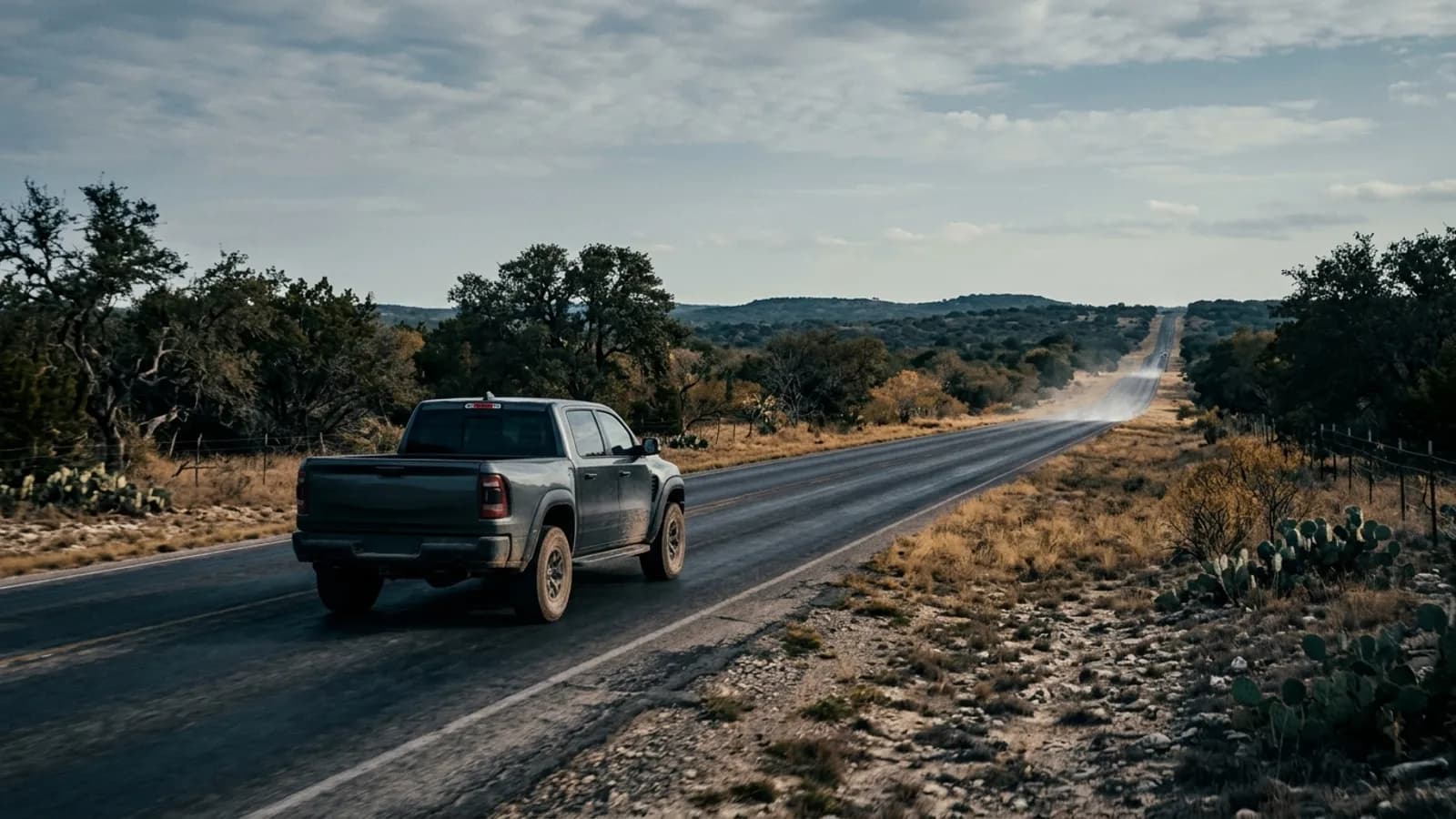
Car Insurance in Texas: Costs, Minimums, and How to Get Cheap Quotes
Car insurance in Texas costs $2,000–$3,000+ per year for full coverage, priced for four giant metros, hail-belt storms, and roughly one in five uninsured drivers.
Read guideCar Insurance in Tucson, AZ: Costs and Guide (2026)
Car insurance in Tucson costs about $1,700–$2,600 per year, with monsoon microbursts, border-corridor traffic, and theft pricing the market below Phoenix.
Read guideCar Insurance in Utah: Minimums, Costs, and How to Save (2026)
Car insurance in Utah costs $1,500–$2,300 per year for full coverage, priced for Wasatch Front density, winter canyon driving, and a $3,000 PIP mandate.
Read guide
Car Insurance in Vermont: Minimums, Costs, and How to Save (2026)
Car insurance in Vermont costs $1,300–$2,000 per year for full coverage — among the nation's cheapest, with rural miles, ice, and 2023-scale flood risk.
Read guideCar Insurance in Virginia: Minimums, Costs, and How to Save (2026)
Car insurance in Virginia costs $1,600–$2,500 per year for full coverage, priced for Hampton Roads hurricane exposure, NOVA congestion, and FR-44 enforcement.
Read guideCar Insurance in Washington, DC: Costs and Guide (2026)
Car insurance in Washington, DC costs about $2,200–$3,400 per year, with no-fault PIP, mandatory UM/UIM, and density pricing above Maryland and Virginia.
Read guide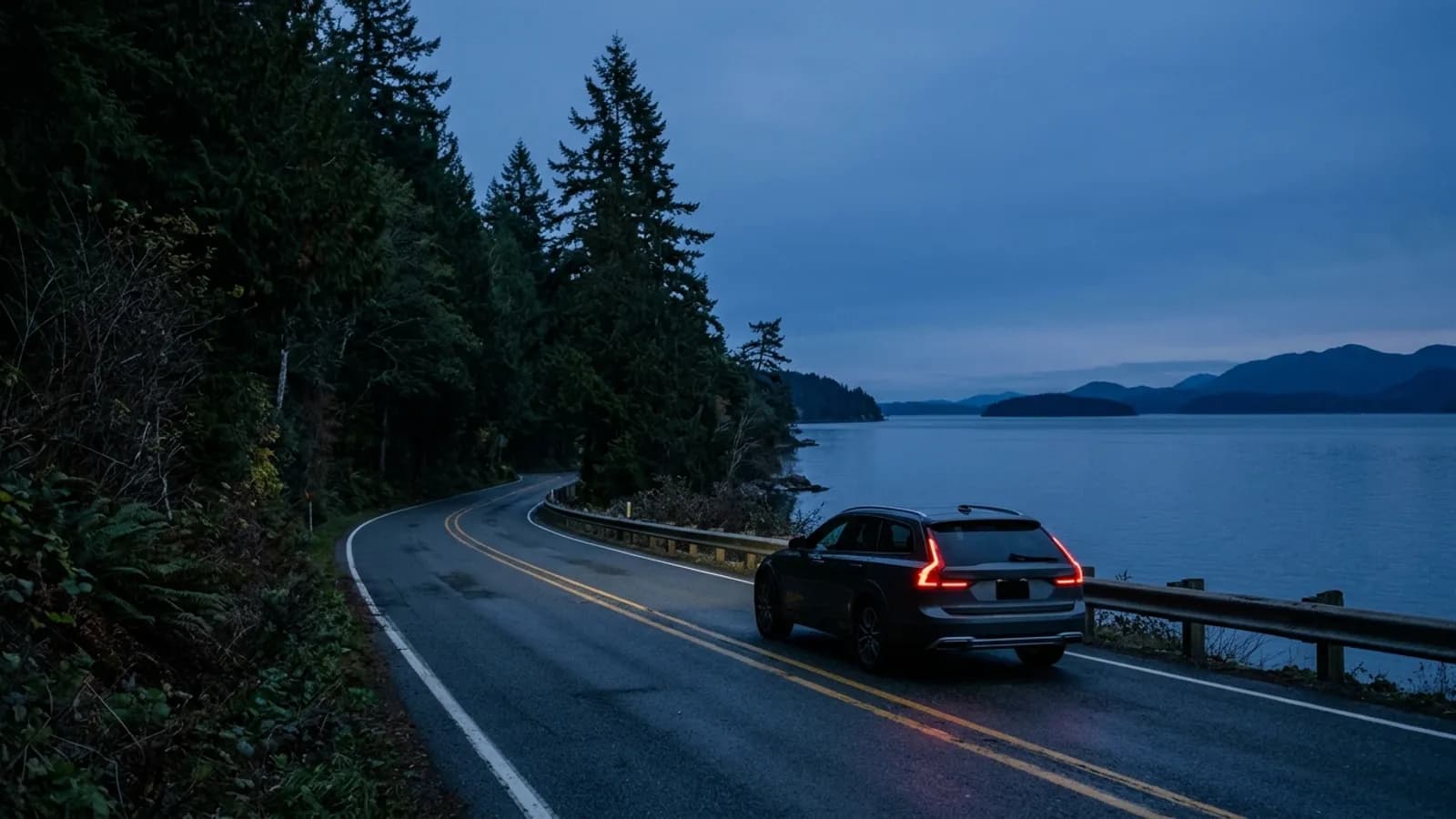
Car Insurance in Washington: Minimums, Costs, and How to Save (2026)
Car insurance in Washington costs $1,600–$2,500 per year for full coverage, priced for Seattle theft and congestion, atmospheric-river flooding, and wildfire smoke.
Read guideCar Insurance in West Virginia: Minimums, Costs, and How to Save (2026)
Car insurance in West Virginia costs $1,600–$2,400 per year for full coverage, priced for mountain roads, the nation's top deer-collision rate, and mandatory UM/UIM.
Read guideCar Insurance in Wisconsin: Minimums, Costs, and How to Save (2026)
Car insurance in Wisconsin costs $1,500–$2,300 per year for full coverage, priced for hard winters, hail corridors, and mandatory uninsured-motorist coverage.
Read guideCar Insurance in Wyoming: Minimums, Costs, and How to Save (2026)
Car insurance in Wyoming costs $1,600–$2,400 per year for full coverage, priced for wildlife collisions, relentless wind, and long high-plains winters.
Read guide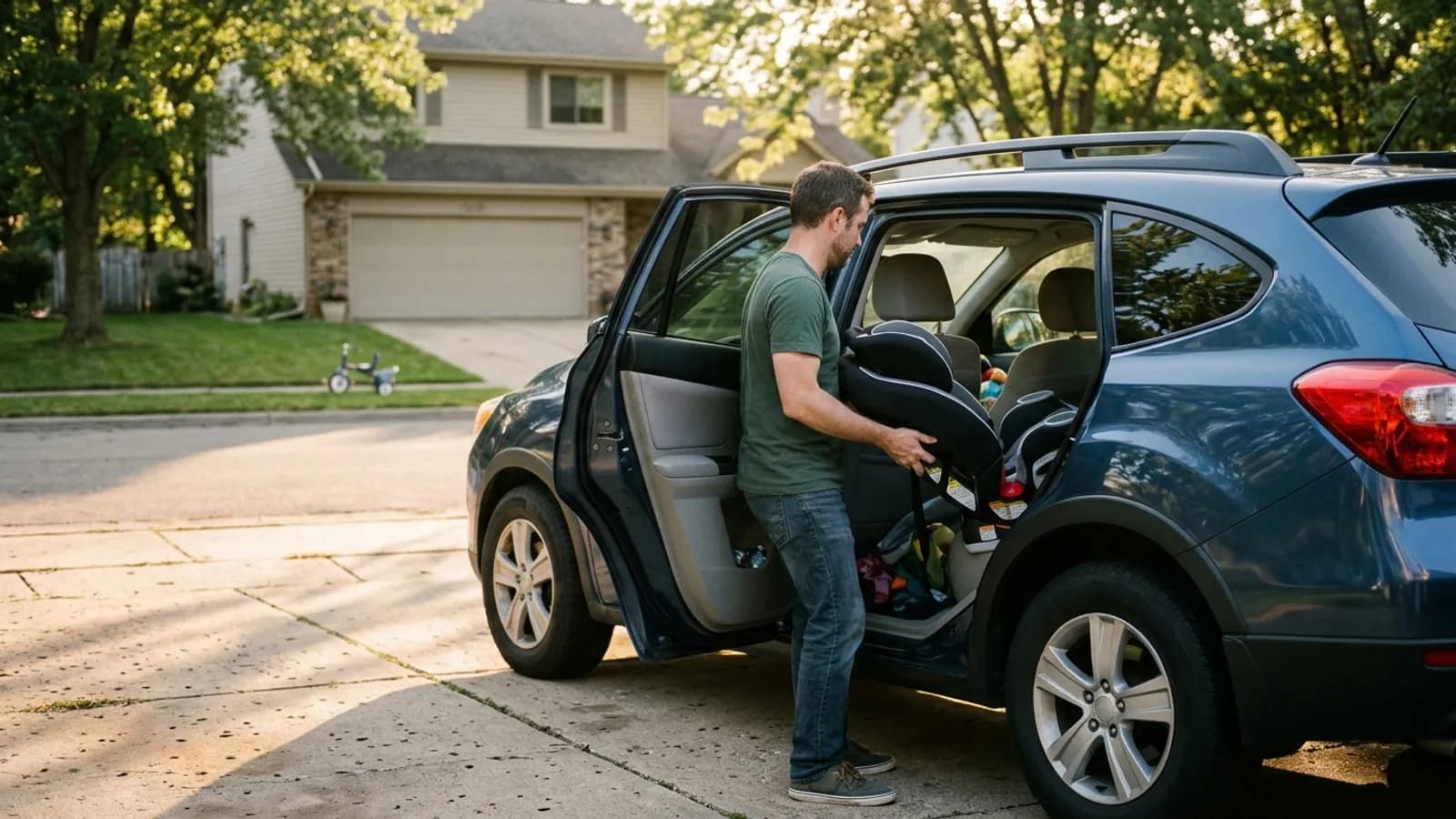
Car Insurance in Your 30s: The Low-Cost Decade
Car insurance in your 30s is the low-cost decade, roughly $1,500–$2,400 per year for full coverage, maintained by clean records, bundling, and fleet discipline.
Read guide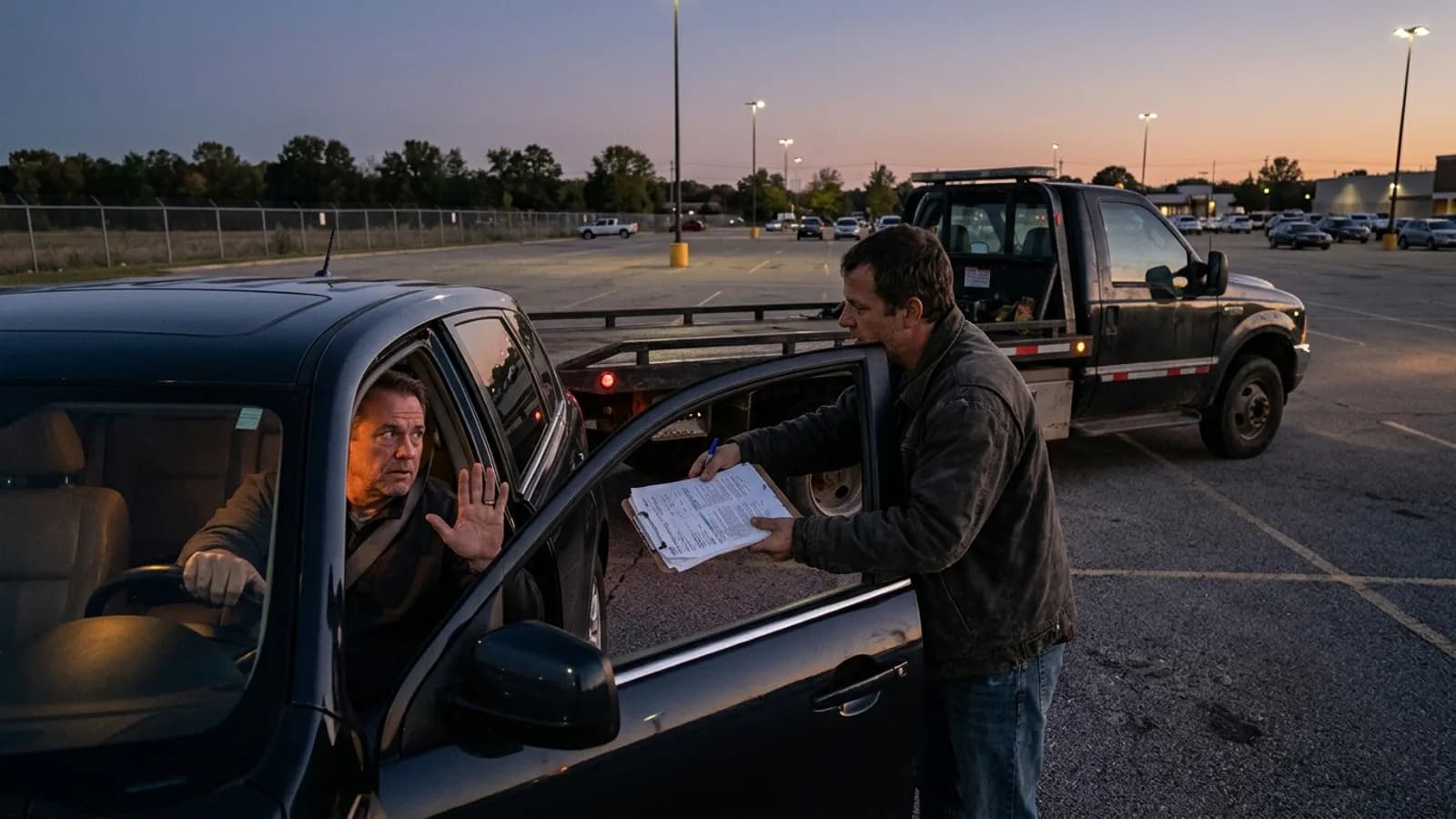
Car Insurance Scams: Ghost Brokers, Staged Accidents, and Rate-Evasion Tricks
The car-insurance scams that cost drivers money — ghost brokers, staged accidents, rate-evasion lies, and roadside fraud — how each works and how to verify an offer.
Read guide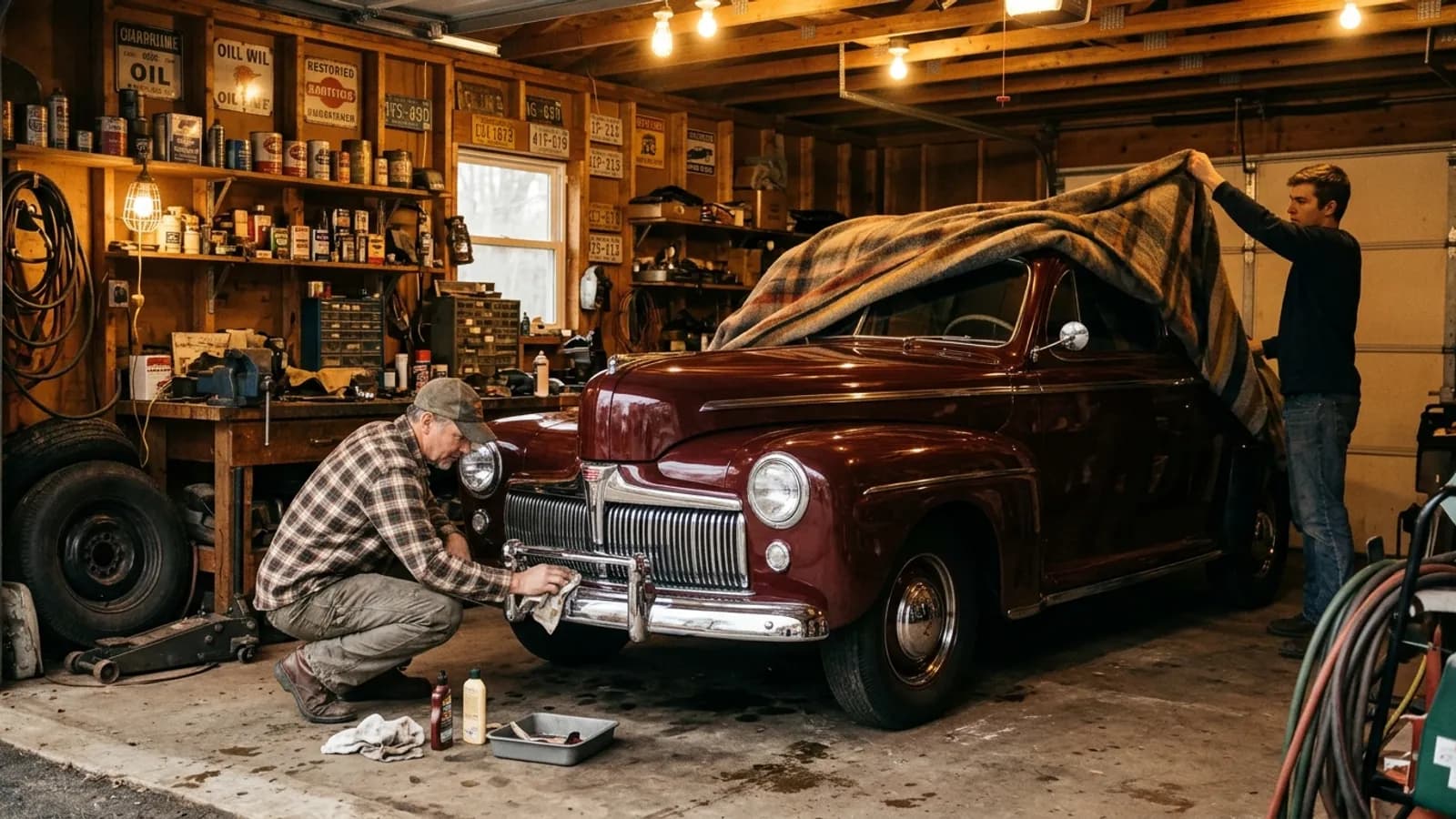
Classic Car Insurance: Agreed Value, Restrictions, and Costs
Classic car insurance covers collector vehicles at agreed value instead of depreciated book — commonly $100–$600 per year, with mileage caps and no commuting.
Read guide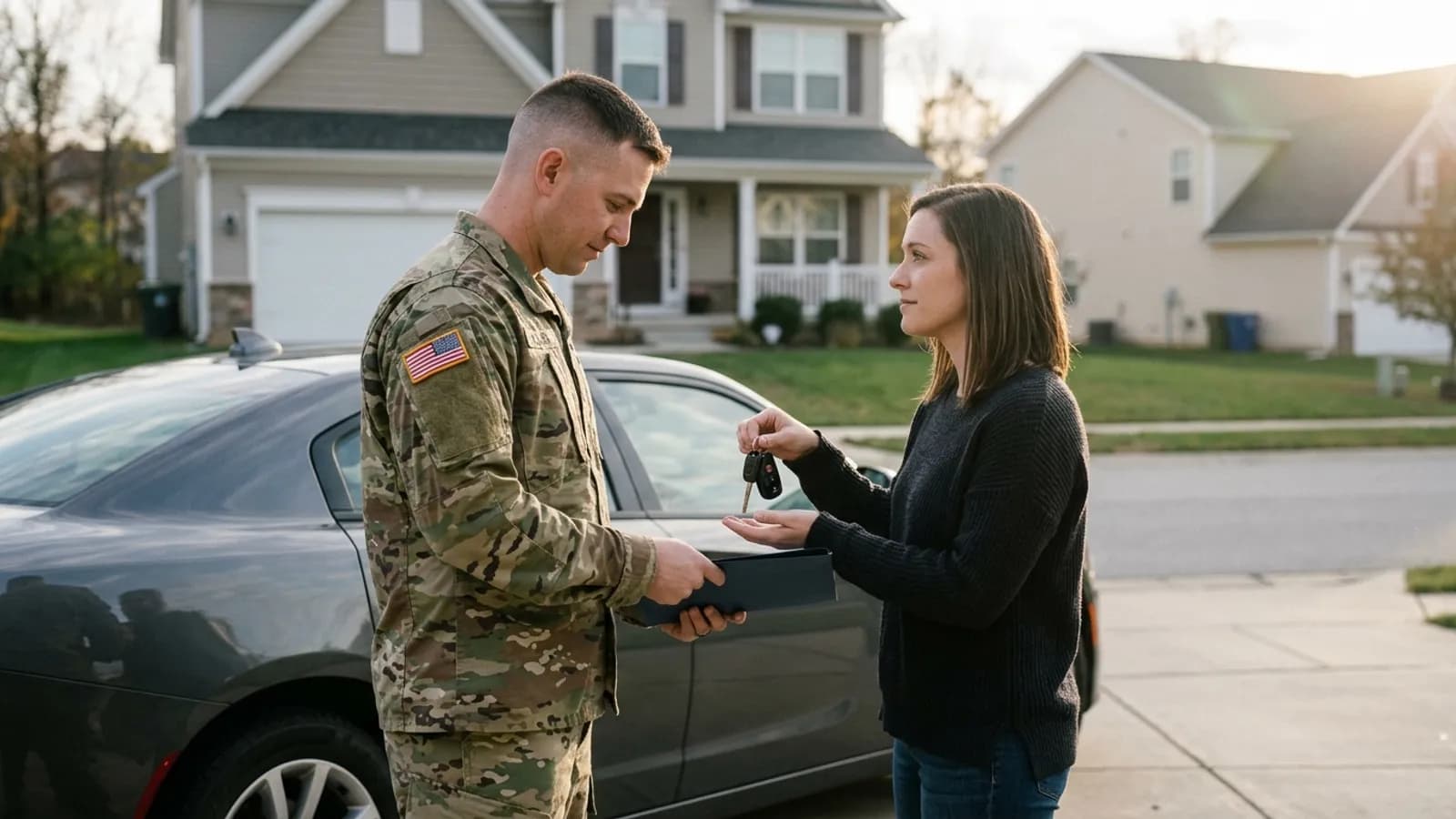
Deployed Military: Car Insurance Rules, SCRA, and Storage Options
Deployment insurance rules: the SCRA 6% cap on pre-service premiums, stored-vehicle options, power-of-attorney logistics, and the maintain-or-suspend decision.
Read guide
Does Car Insurance Cover Aftermarket Parts?
Standard policies pay factory-equivalent parts and cap or exclude aftermarket mods — a custom parts and equipment endorsement covers declared upgrades.
Read guide
Does Car Insurance Cover Animal Collisions?
Hitting an animal claims under comprehensive coverage, not collision — swerving into something else flips the claim. Deer, livestock, and pet strikes explained.
Read guide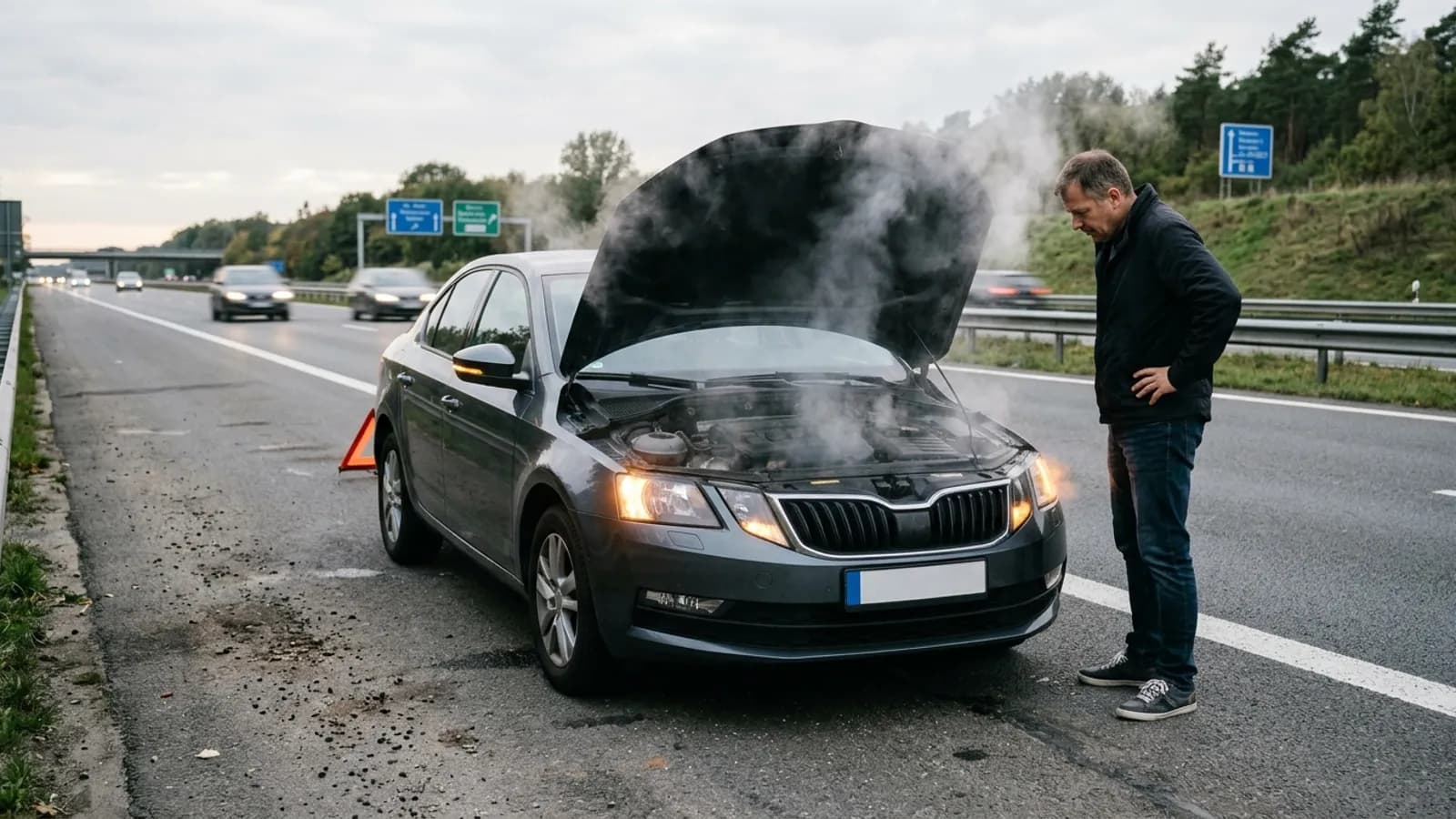
Does Car Insurance Cover Engine Failure?
Car insurance does not cover wear-and-tear engine failure — but engine damage from a covered peril such as flood, fire, or a crash is claimable.
Read guide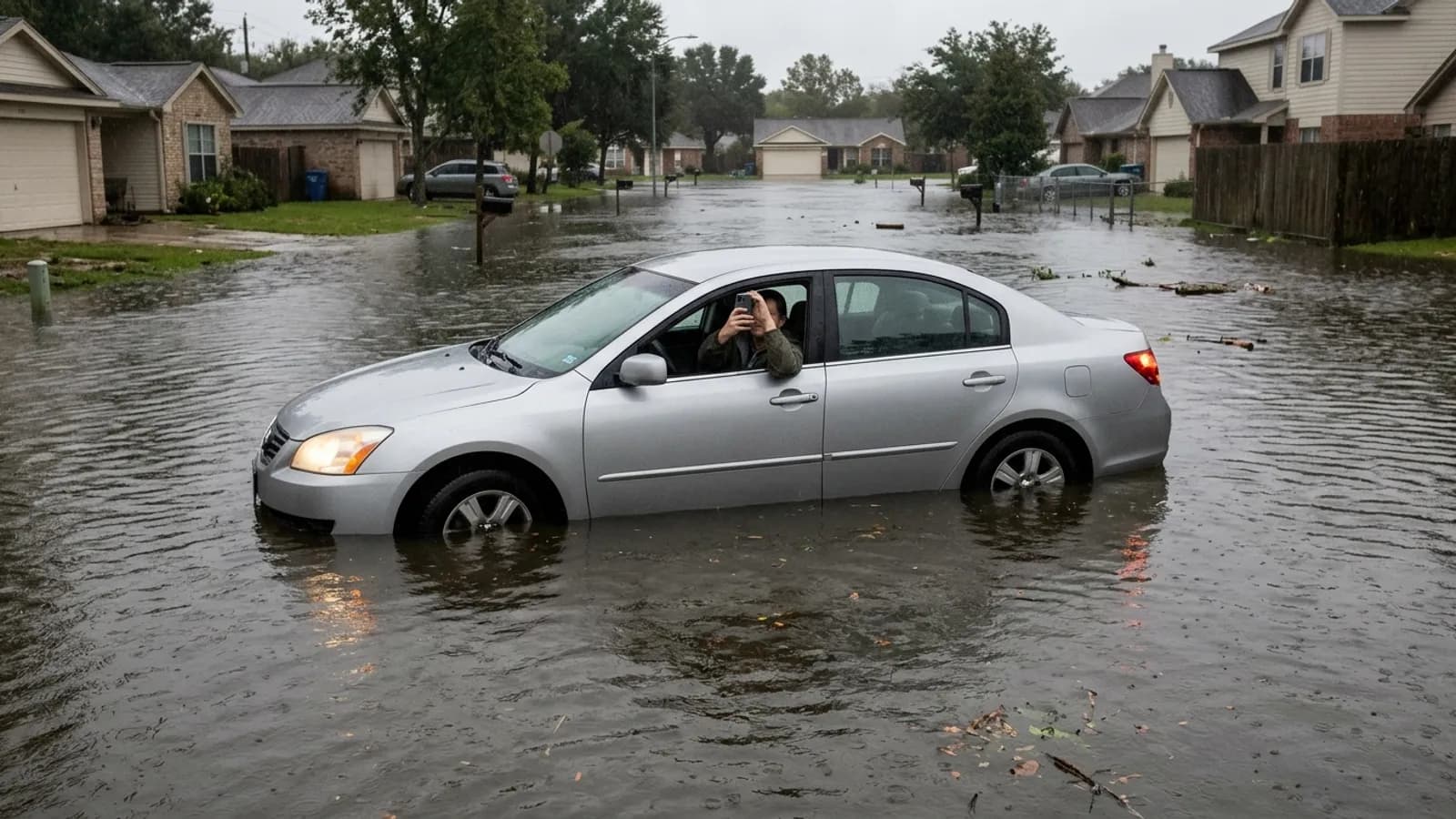
Does Car Insurance Cover Flood Damage?
Flood damage claims under comprehensive coverage — hydro-locked engines, flooded interiors, storm surge — and liability-only policies pay none of it.
Read guide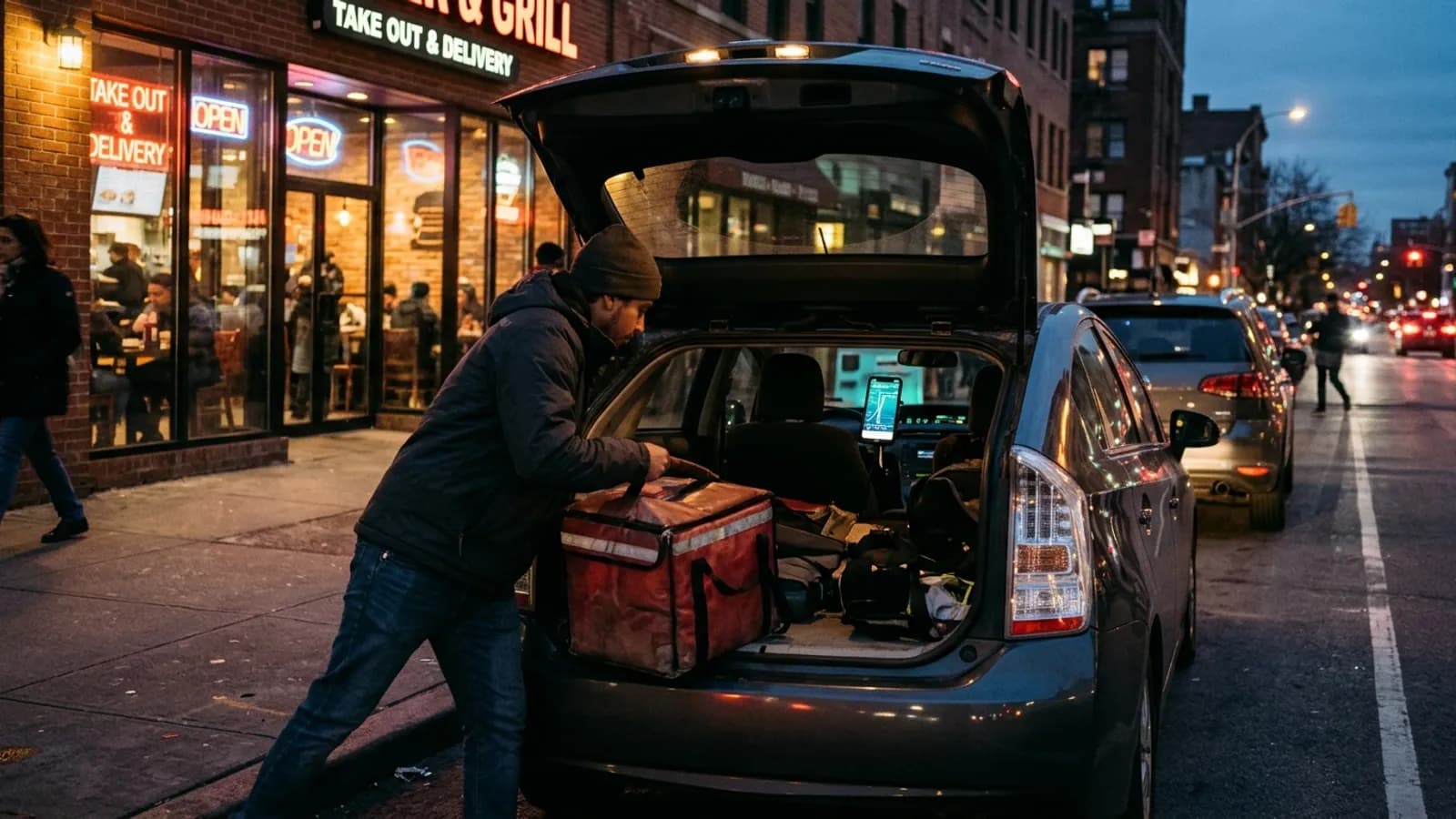
Does Car Insurance Cover Food Delivery?
Personal auto policies exclude paid food delivery as business use — DoorDash and Uber Eats shifts need a delivery endorsement or a commercial policy instead.
Read guide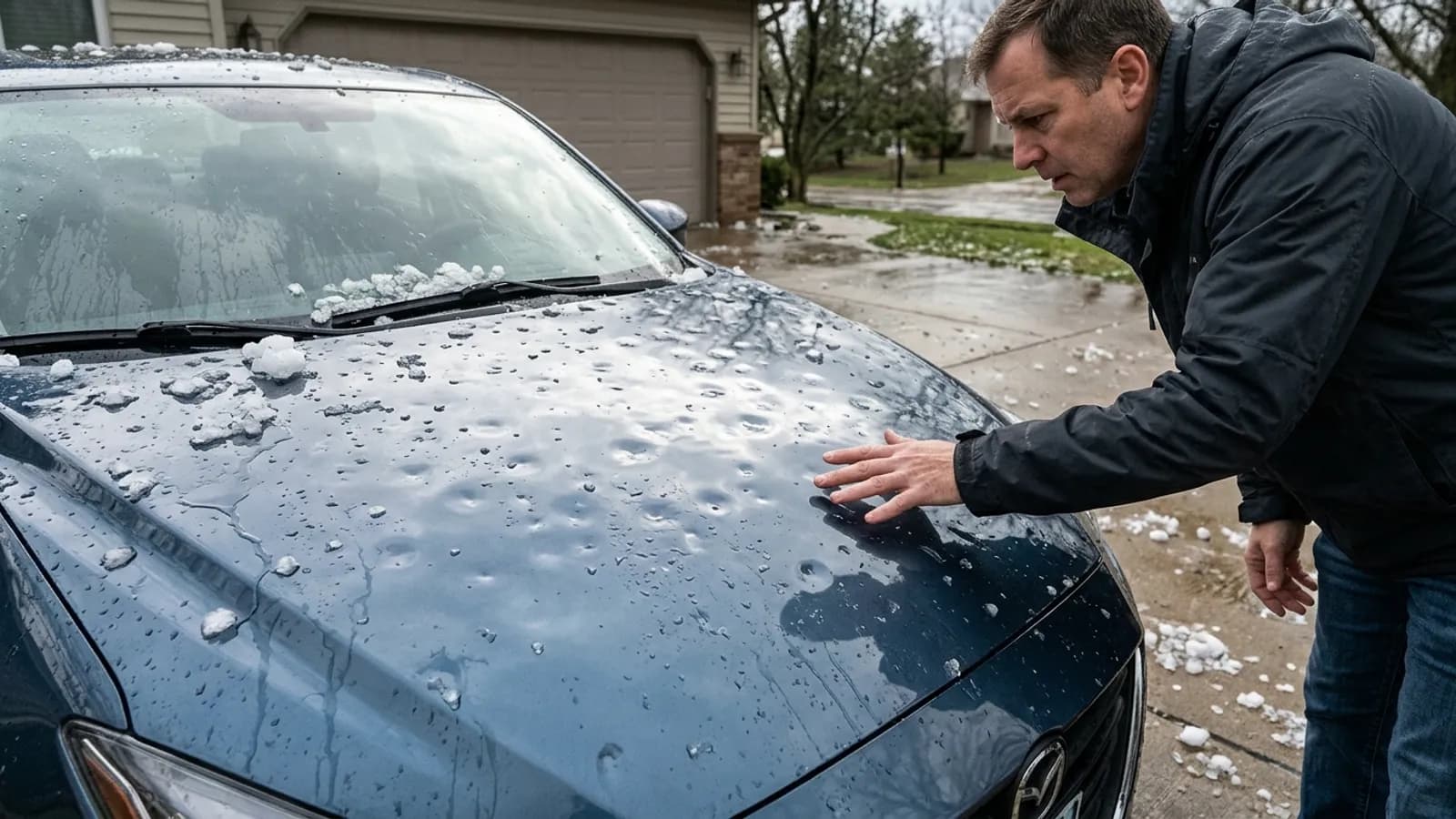
Does Car Insurance Cover Hail Damage?
Hail damage claims under comprehensive coverage — dents, broken glass, storm totals — and liability-only policies cover none of it. PDR and deductibles explained.
Read guide
Does Car Insurance Cover Hit-and-Run?
Hit-and-run damage claims under collision and injuries under uninsured motorist — the unidentified driver counts as uninsured. The claim protocol and refund path.
Read guide
Does Car Insurance Cover Interstate Travel?
Car insurance covers all 50 states and typically Canada — most policies raise liability limits to meet the state where a crash happens. Mexico is excluded.
Read guide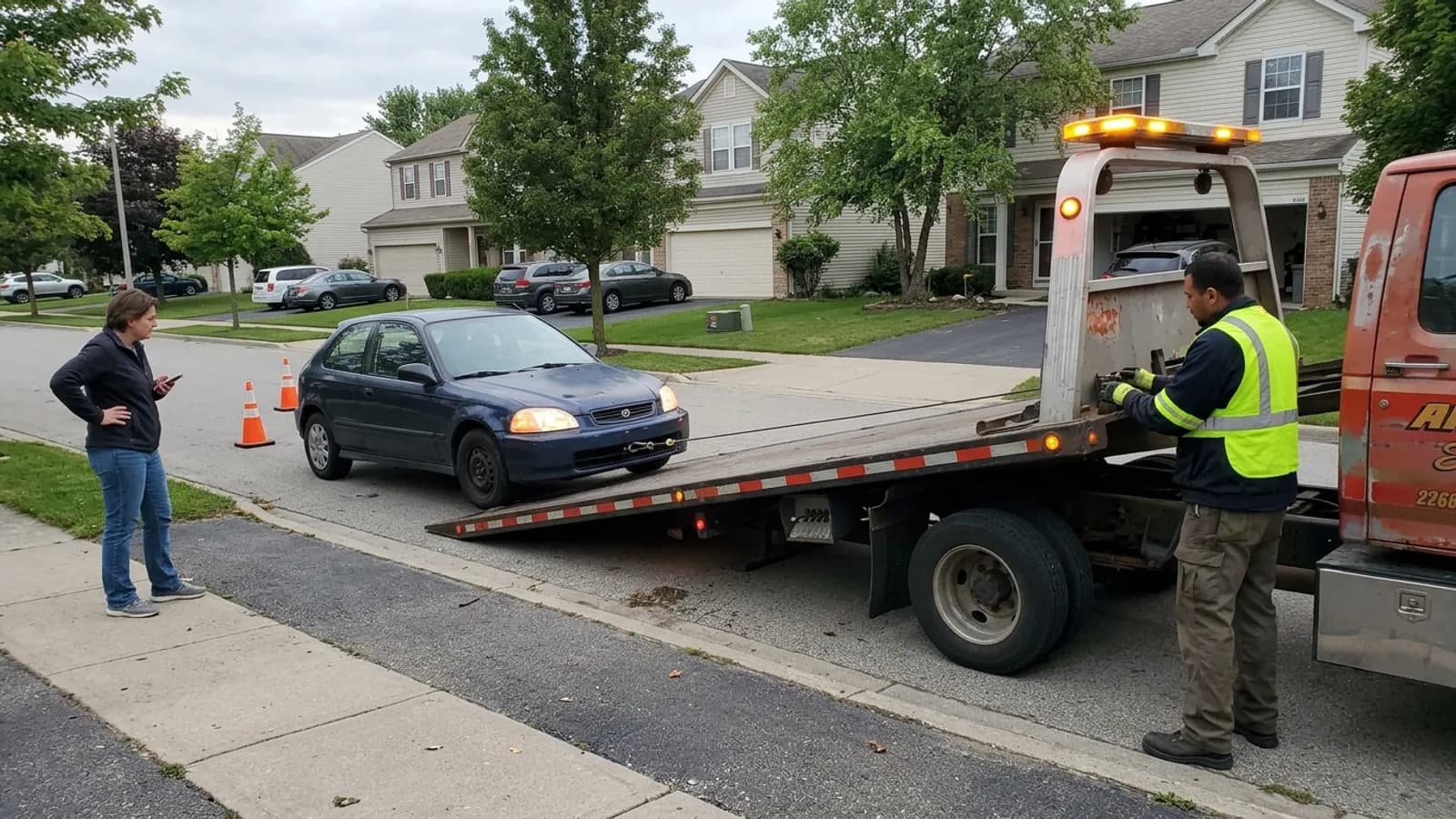
Does Car Insurance Cover Mechanical Breakdown?
Mechanical breakdown from wear and tear is excluded from every auto policy — sudden covered perils are the exception. Warranties, MBI, and repair funds compared.
Read guide
Does Car Insurance Cover Other Drivers?
Car insurance follows the car: permissive use covers occasional permitted drivers, household members must be listed, and a named exclusion voids coverage.
Read guide
Does Car Insurance Cover Personal Items Stolen From My Car?
Auto insurance covers the car and attached equipment, not belongings inside it — stolen laptops and bags claim under homeowners or renters policies instead.
Read guide
Does Car Insurance Cover Rental Cars?
Most auto policies extend liability and often comprehensive and collision to U.S. rental cars at your own limits — loss-of-use fees and foreign rentals are the gaps.
Read guide
Does Car Insurance Cover Unlisted Drivers?
Occasional permitted drivers are usually covered under permissive use — household members and regular borrowers must be listed, or claims face denial.
Read guide
Does Car Insurance Cover Windshield Repair?
Windshield damage claims under comprehensive coverage — chip repairs are often free, and Florida, Kentucky, and South Carolina mandate $0-deductible replacement.
Read guide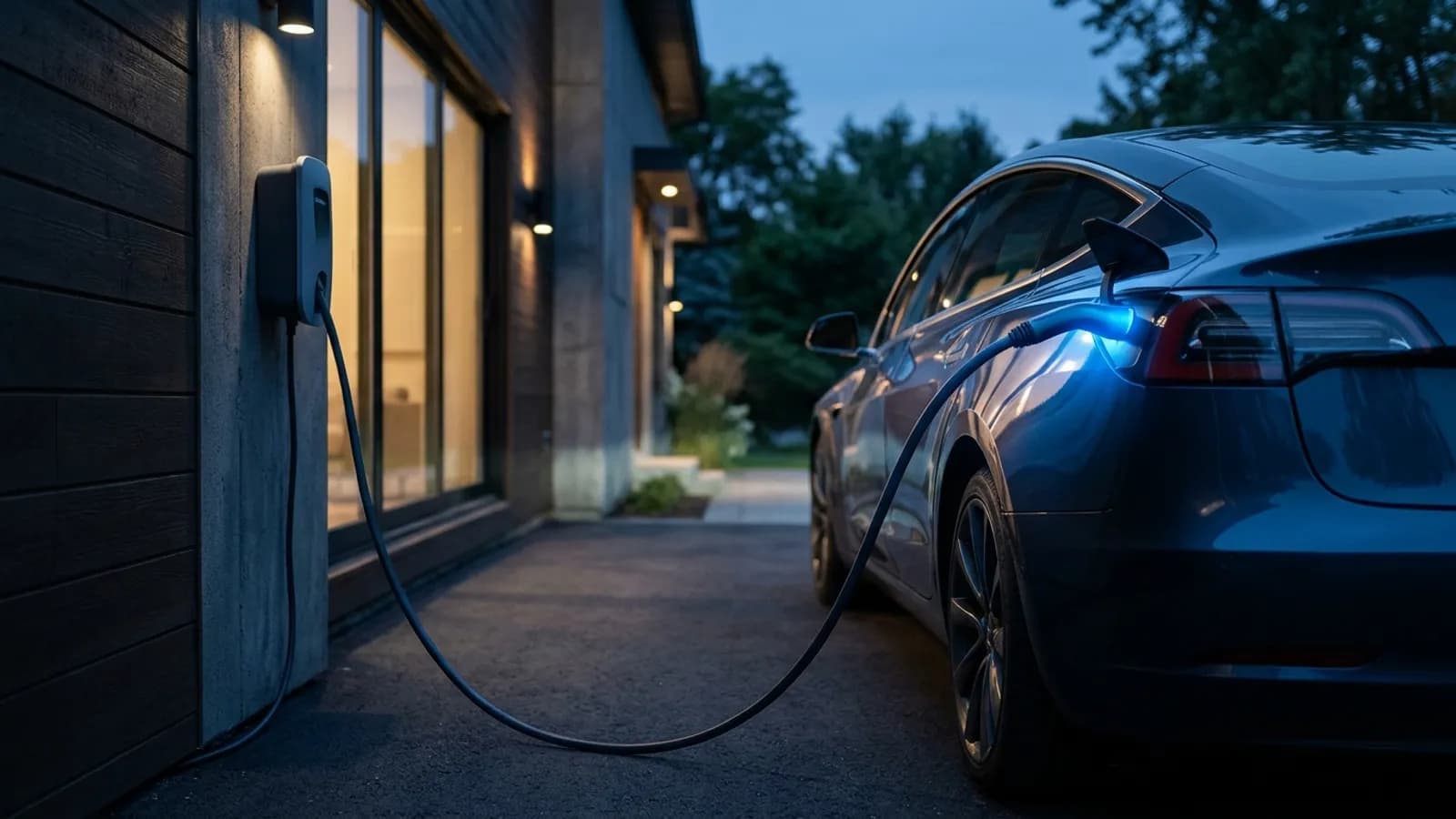
Electric Vehicle Insurance: Why EVs Cost More to Insure
EV insurance costs 15–30% more than comparable gas cars because of battery repair exposure — the coverage questions, charging boundaries, and shopping strategy.
Read guide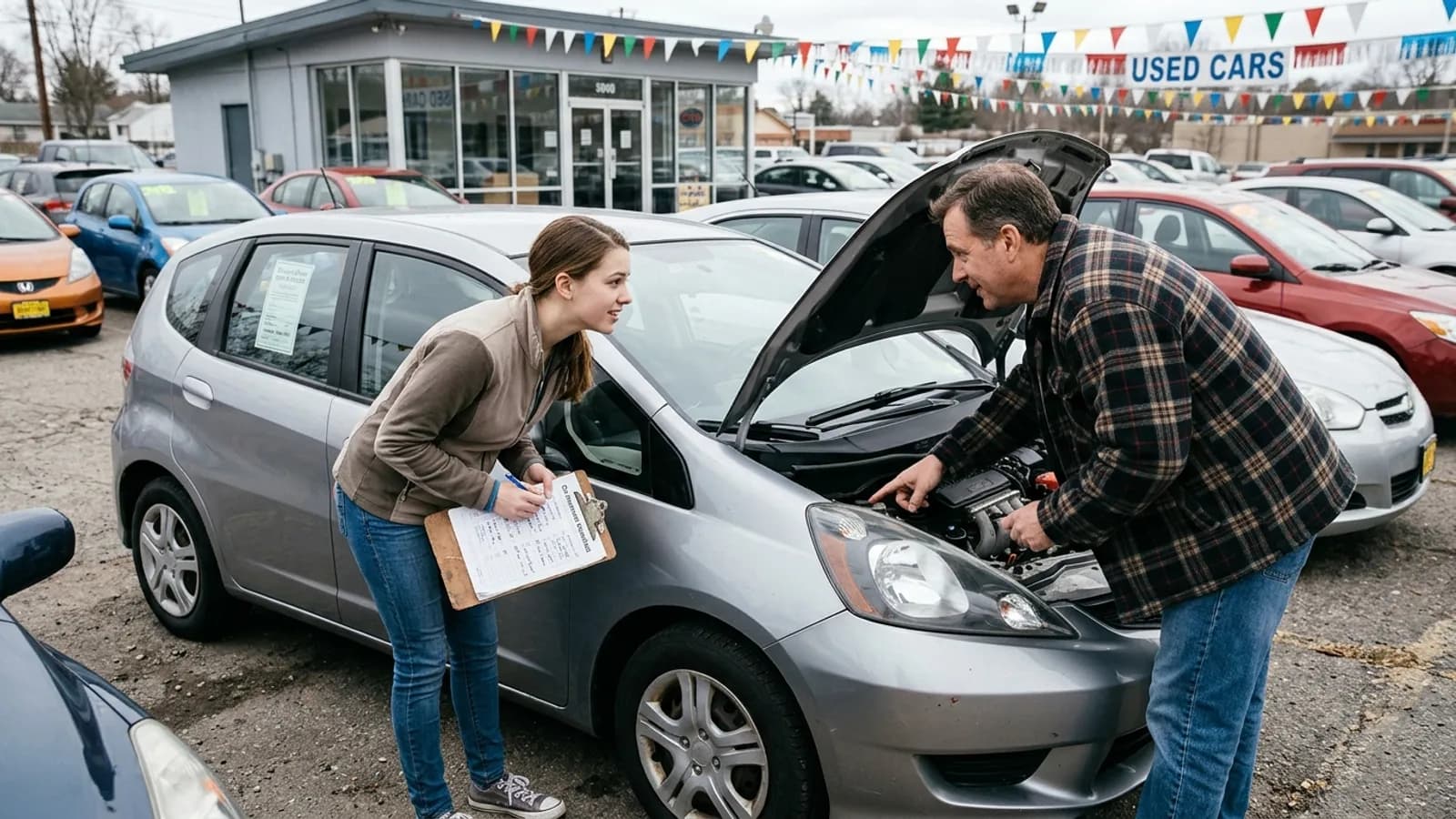
First Car: Insurance Checklist for New Drivers
The first-car insurance checklist: quote before you buy, set liability at 100/300/100, stack the young-driver discounts, and build habits that price the decade.
Read guideFree Car Insurance Quotes: Compare Rates by State (2026)
Free car insurance quotes explained — what drivers pay by state and age in November 2026, the information insurers request, and how to compare quotes fairly.
Read guide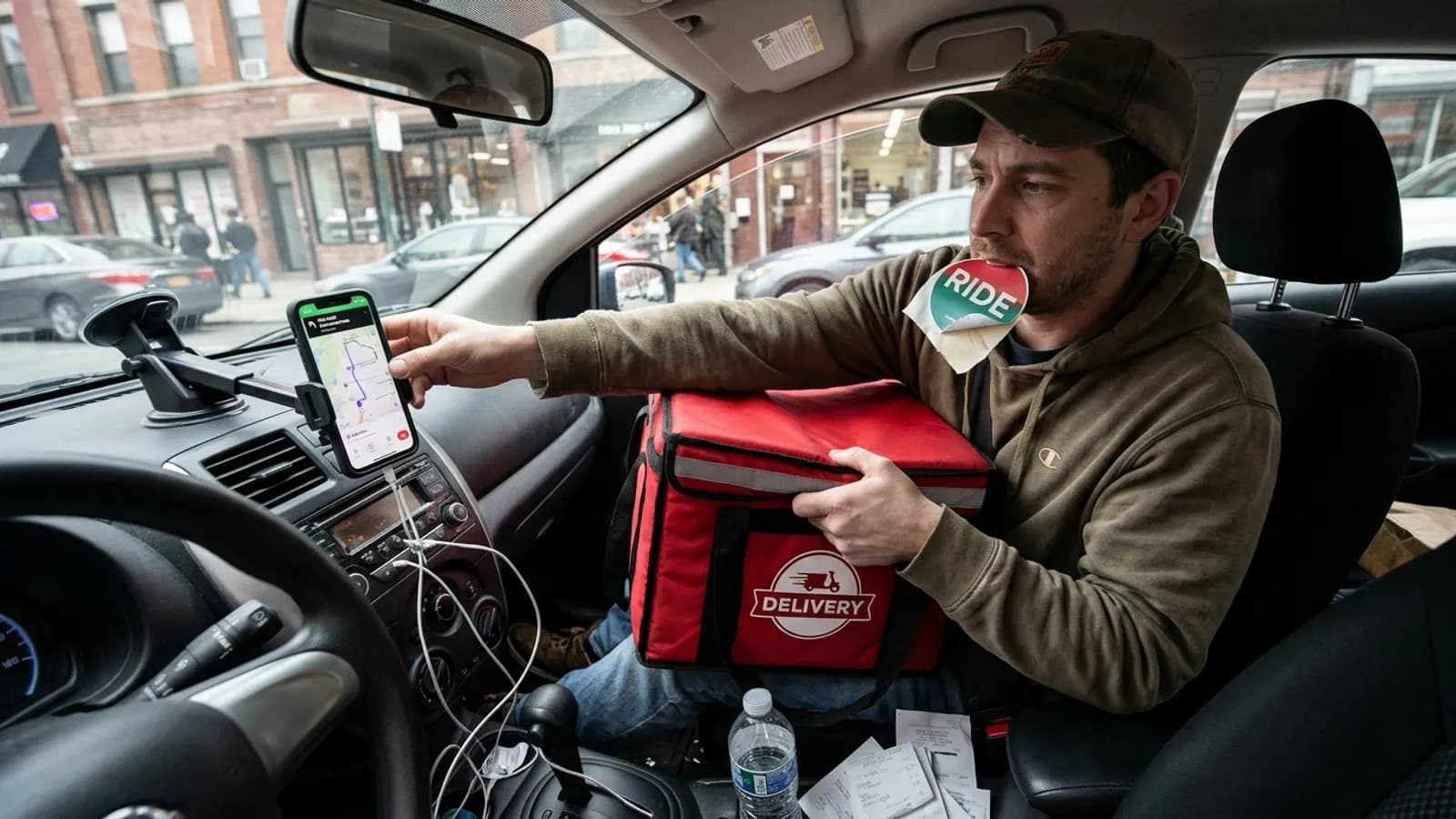
Gig Economy: Insurance Checklist
Gig-economy insurance checklist: rideshare and delivery endorsements, the waiting-phase gap, health coverage for 1099 income, and when commercial auto takes over.
Read guide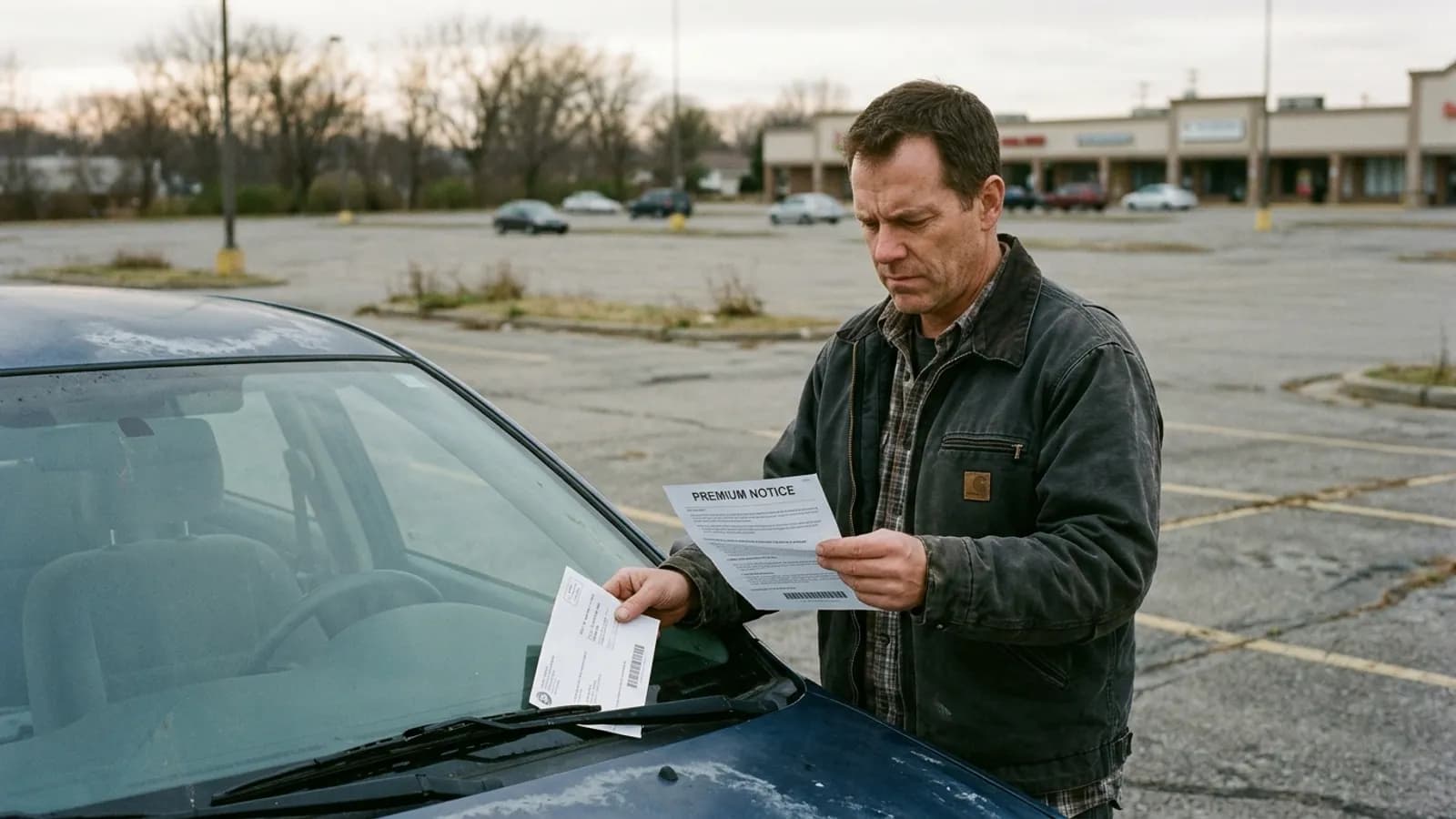
High-Risk Car Insurance: The Market for Drivers Standard Carriers Decline
High-risk car insurance is the nonstandard market for DUIs, suspensions, SR-22 filings, and claim clusters — specialist carriers, price dispersion, an exit path.
Read guide
How to Choose the Best Car Insurance Company (No Sponsored Rankings)
How to evaluate car insurance companies on claims service, financial strength, rate stability, and discount fit — the evaluation method with no sponsored rankings.
Read guide
How to Choose the Best Motorcycle Insurance Company (No Sponsored Rankings)
How to evaluate motorcycle insurers on gear coverage, lay-up terms, agreed value, and passenger liability — the criteria that matter, with no sponsored rankings.
Read guide
How to Lower Car Insurance: 12 Ways That Actually Work
How to lower car insurance: re-shop every renewal, raise deductibles, trim coverage on old cars, stack discounts, and fix the rating factors you control.
Read guide
How to Switch Car Insurance (Without a Lapse or a Penalty)
How to switch car insurance without a lapse or penalty: buy the new policy first, cancel the old second, chase the pro-rata refund, and pick the right timing.
Read guide
Insurance for Leased Cars: What the Lease Contract Requires
Leased cars require full coverage, low deductibles, higher liability limits, and gap coverage — what the lease contract demands, what it costs, and lease-end moves.
Read guide
Insuring a New Car: What Coverage You Actually Need (and What the Dealer Pushes)
A new car needs full coverage, usually gap insurance, and two dealer-desk rejections — what lenders require and which endorsements are worth pricing.
Read guide
Motorcycle Insurance: Coverage, Costs, and How to Save
Motorcycle insurance runs $200–$500 per year for liability-only and $500–$1,500 full coverage — the coverage stack, rider-specific details, and savings levers.
Read guide
Moving States: Insurance Checklist
The moving-states insurance checklist: update the garaging address first, meet the new state's minimums, re-shop the market, and use the 60-day health window.
Read guide
My Insurance Company Dropped Me: What to Do After Non-Renewal
A non-renewal notice starts a state-mandated clock — read the stated reason, re-shop immediately, involve the DOI where it looks wrong, and never lapse.
Read guide
New Car Insurance Checklist
The new car insurance checklist: the dealership-day call, the grace window, gap coverage, liability limits, endorsements worth pricing, and the first-30-days audit.
Read guide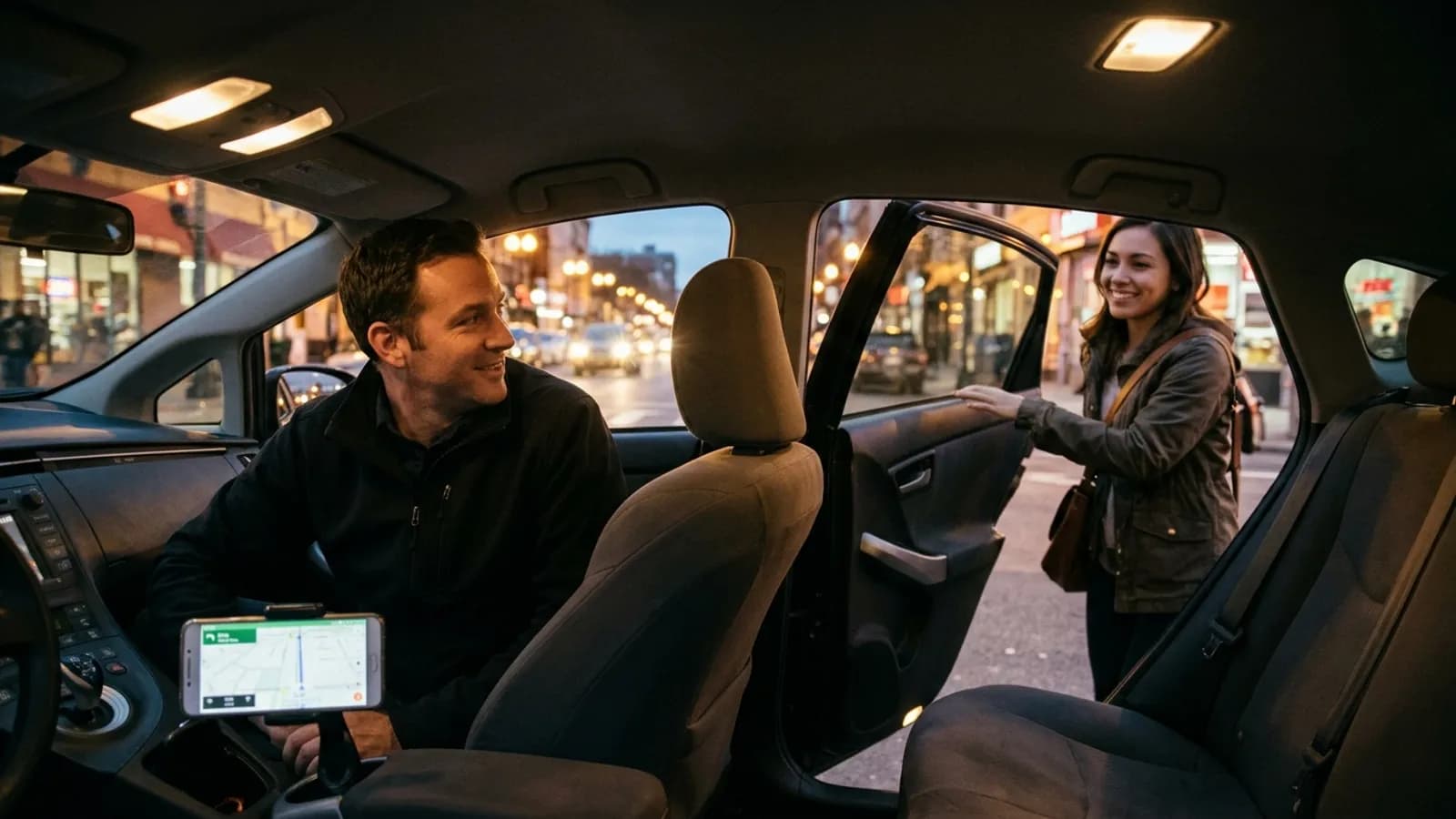
Rideshare Insurance: The 3-Period Gap That Can Void Your Policy
Rideshare insurance closes the period-1 gap: when the app is on and no ride is accepted, personal policies exclude business use. Endorsements run $10–$30 a month.
Read guide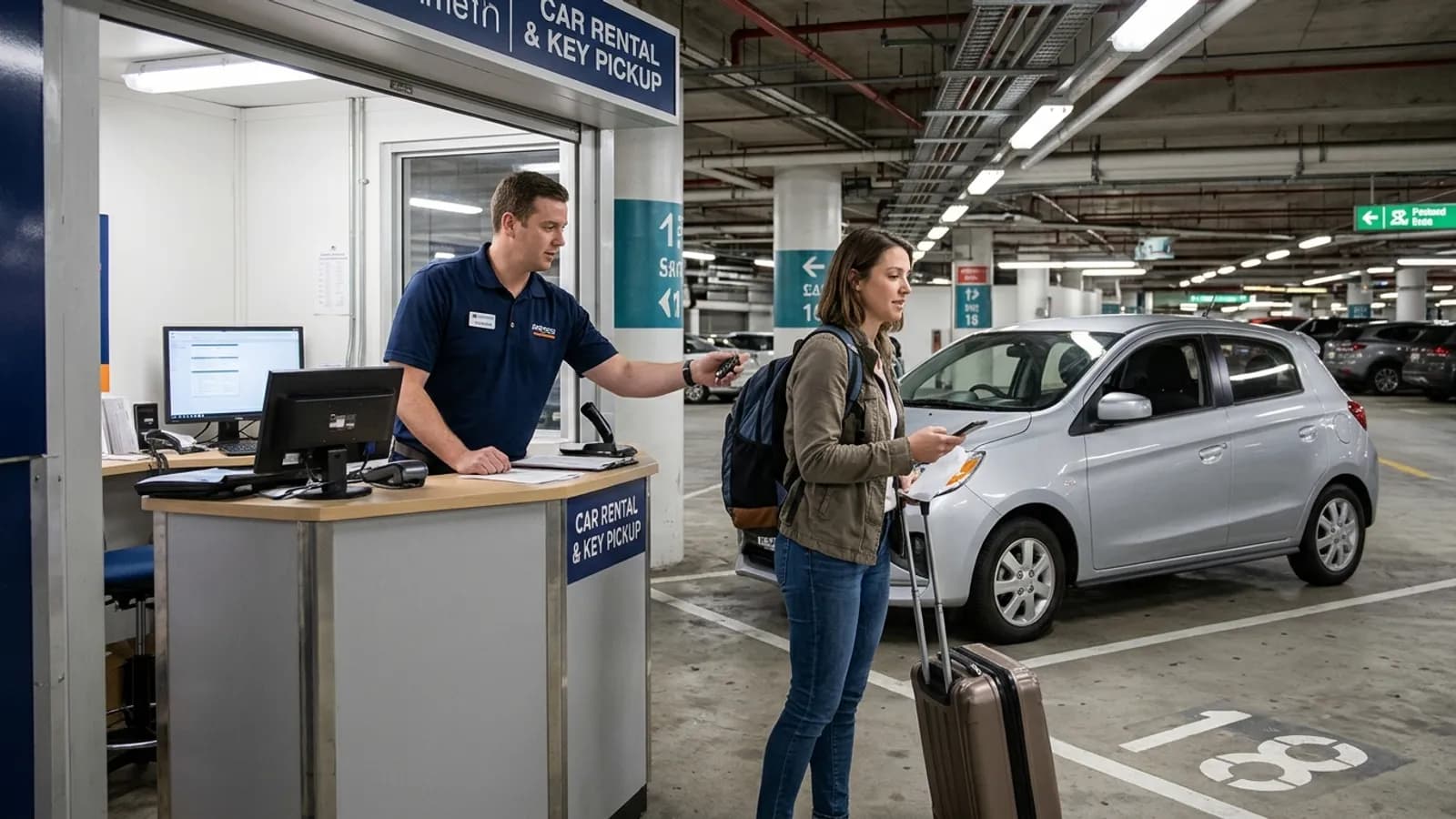
Temporary Car Insurance: Short-Term Options That Actually Exist
True day-by-day temporary car insurance barely exists in the U.S. — the real short-term options are permissive use, non-owner policies, and pay-per-mile.
Read guide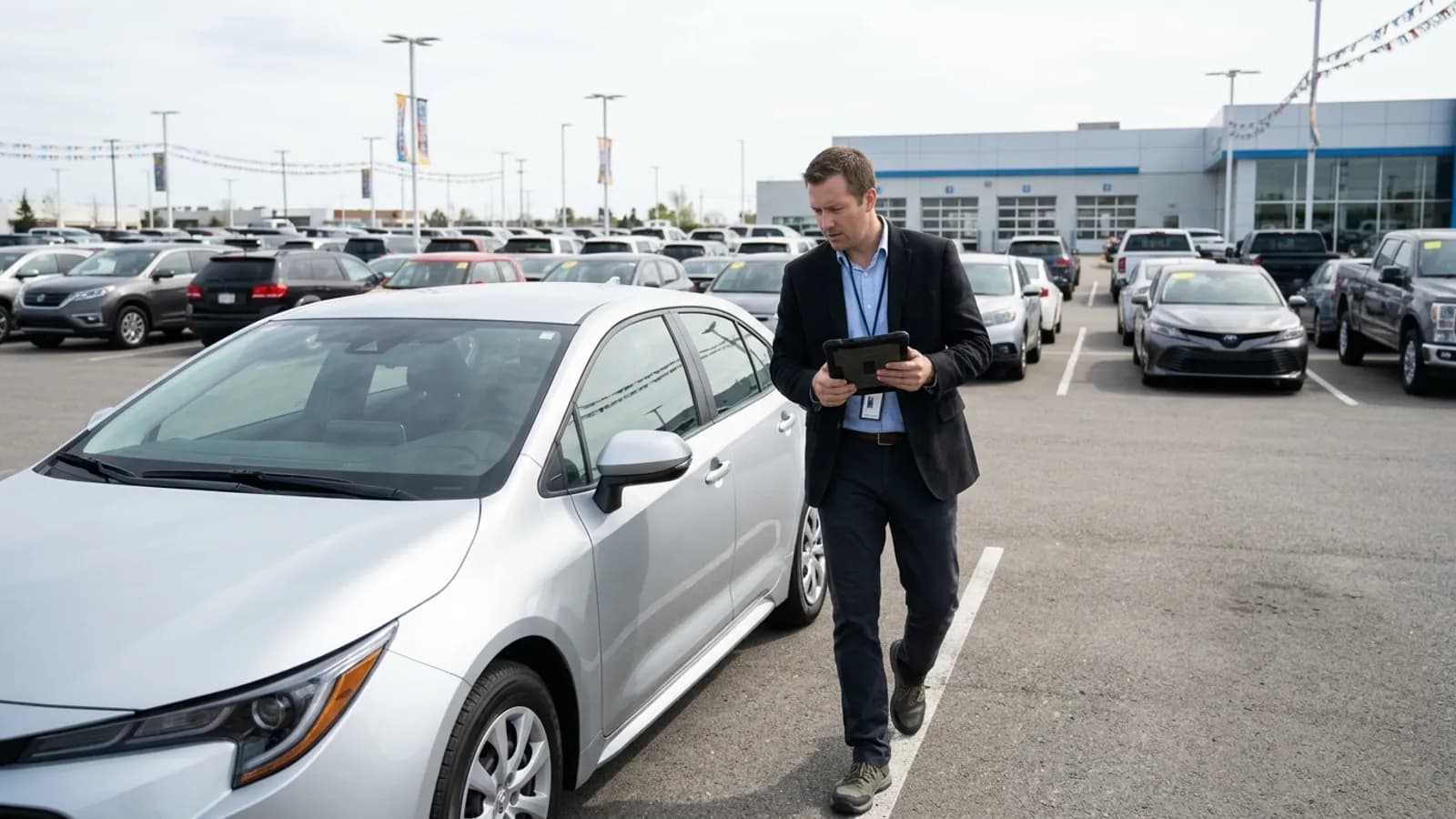
What Does Full Coverage Car Insurance Cover?
Full coverage car insurance is liability plus comprehensive and collision — what each part pays, what it excludes, what it costs, and when liability-only wins.
Read guide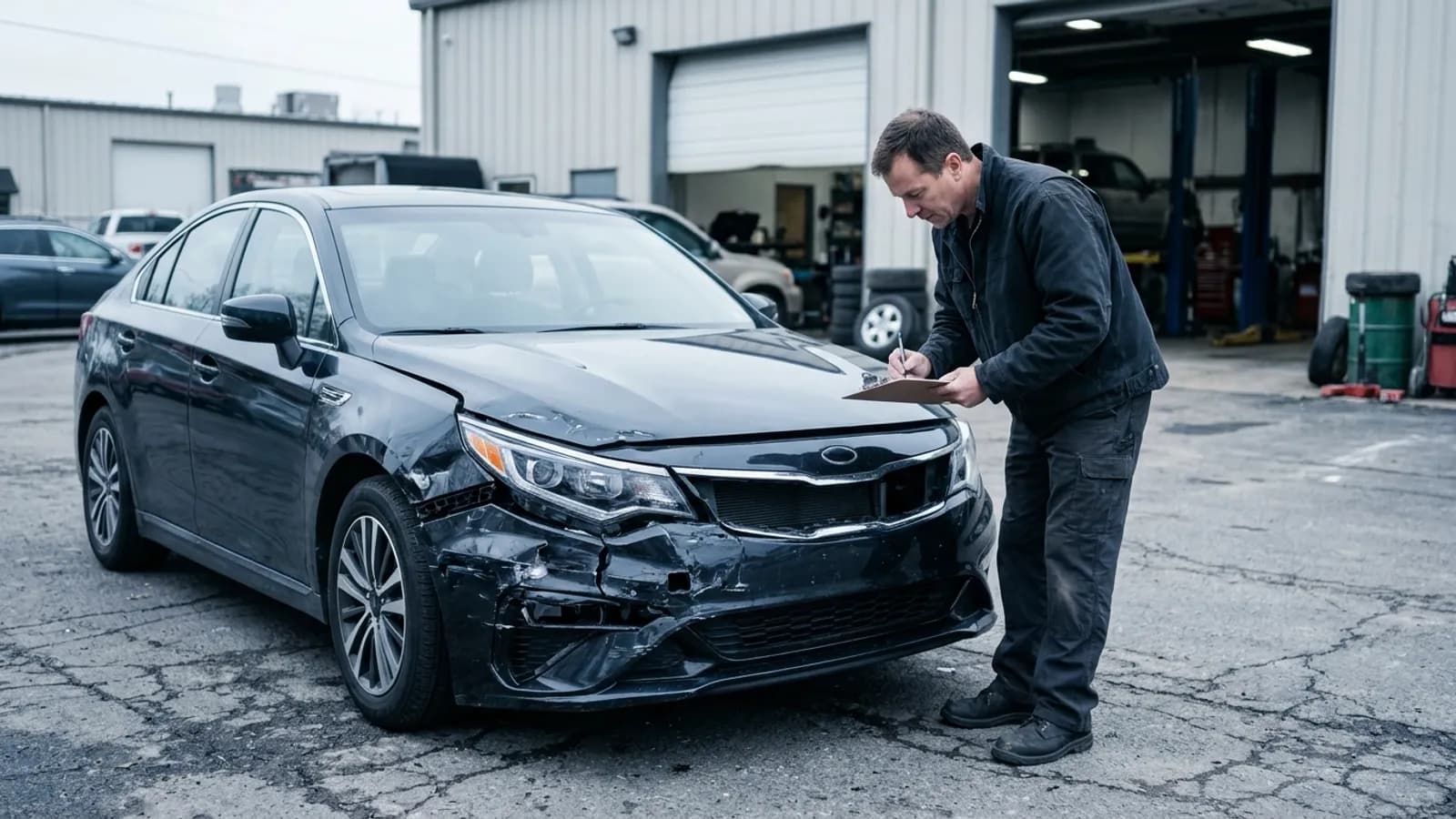
What Is Collision Car Insurance? Coverage, Deductibles, and Cost
Collision insurance pays to repair or replace your car after a crash with a vehicle or object, regardless of fault — commonly $300–$900 per year.
Read guide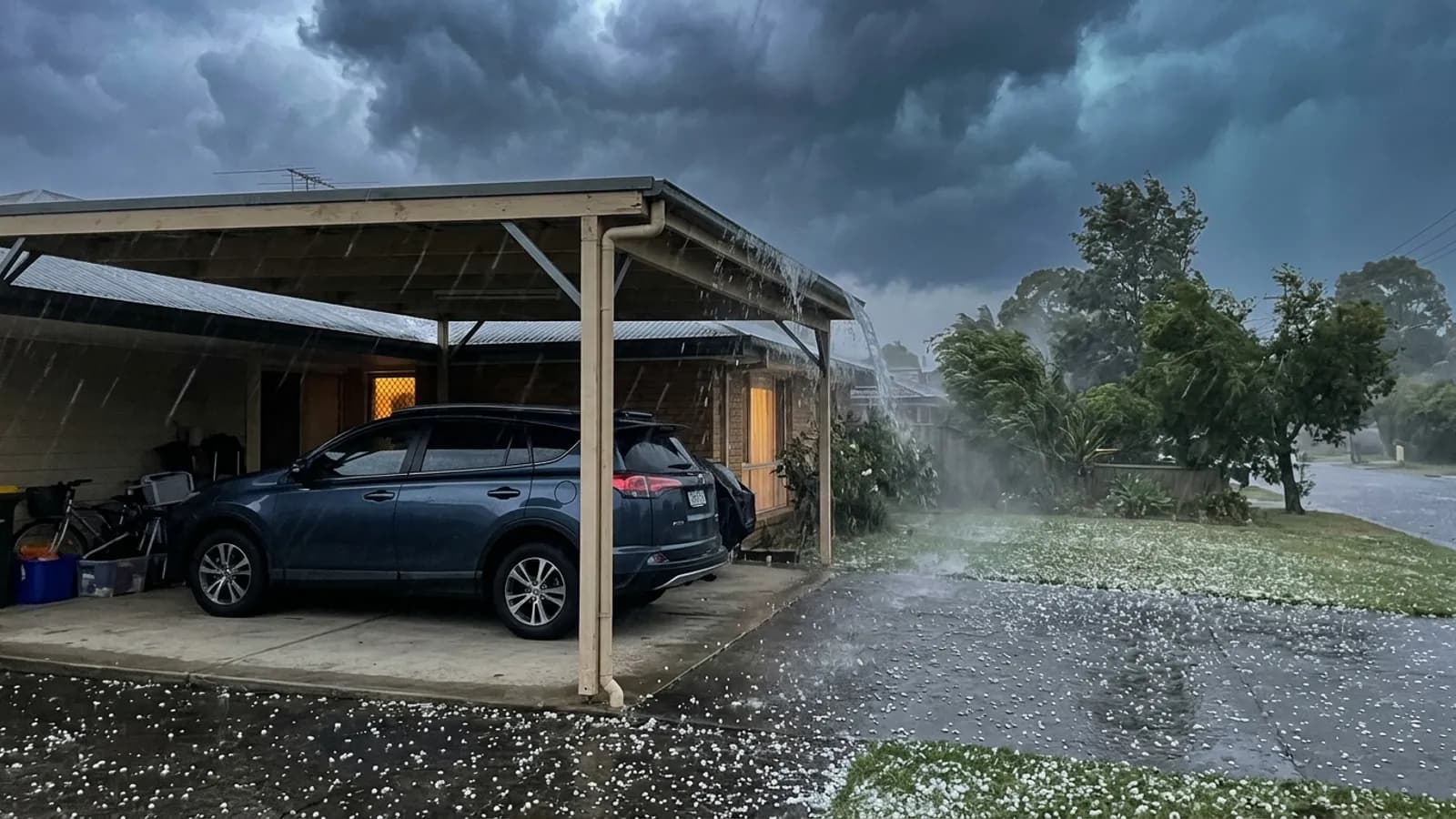
What Is Comprehensive Car Insurance? Coverage and Cost
Comprehensive car insurance pays for non-crash damage — theft, fire, hail, flood, falling objects, vandalism, animal strikes — commonly $100–$300 per year.
Read guide
What Is Gap Insurance and How Does It Work?
Gap insurance pays the loan or lease balance your collision or comprehensive settlement leaves after a total loss — typically $20–$60 per year as an endorsement.
Read guide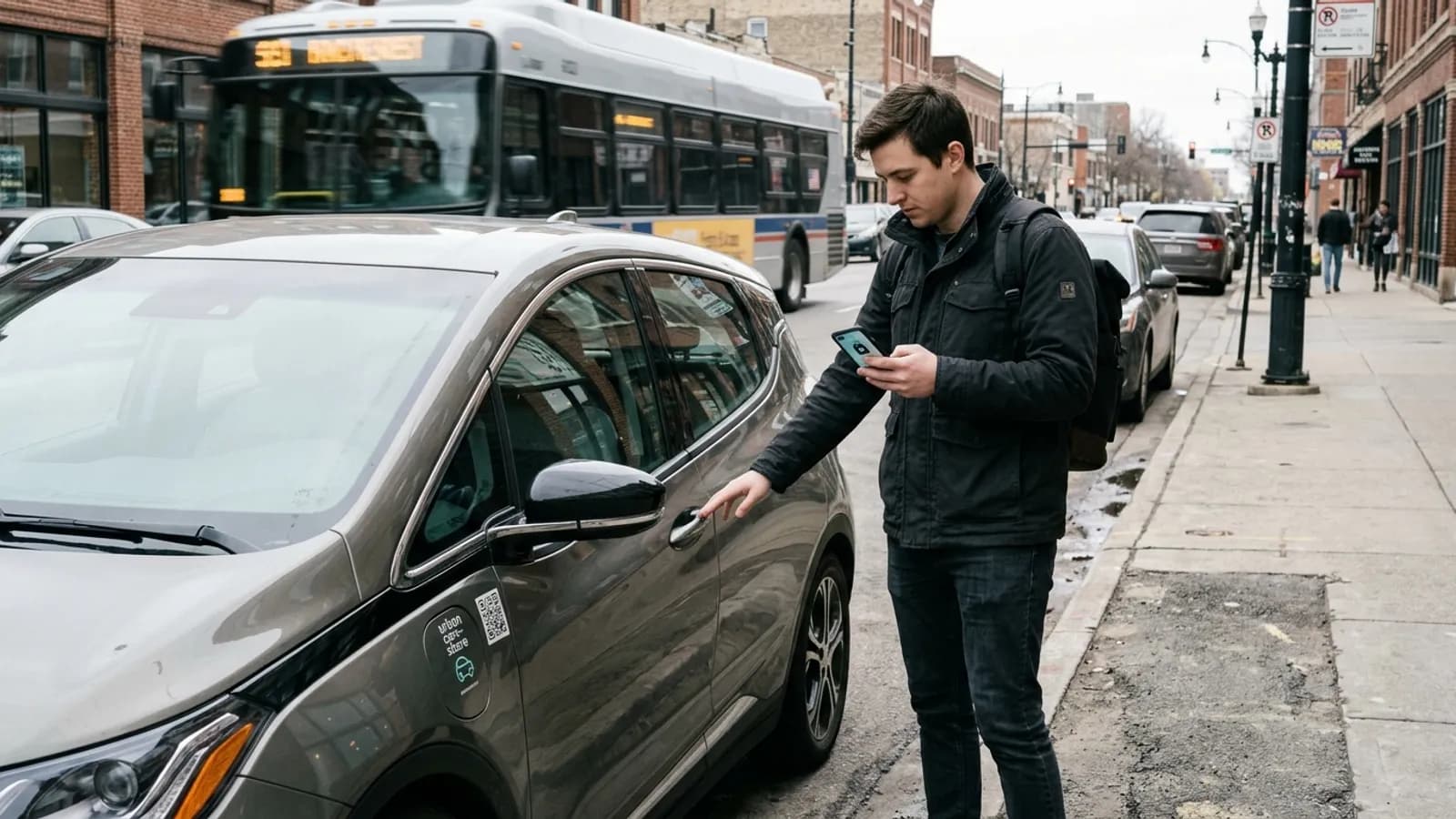
What Is Non-Owner Car Insurance? Who Needs It and What It Covers
Non-owner car insurance is liability that follows the driver, not the car — who needs it, what it covers, what it costs, and when it beats a standard policy.
Read guide
What Is SR-22 Insurance? (It's Not Actually Insurance)
An SR-22 is a filing — not insurance — proving you carry minimum liability after a DUI, uninsured crash, or suspension. Costs, timelines, and the non-owner option.
Read guide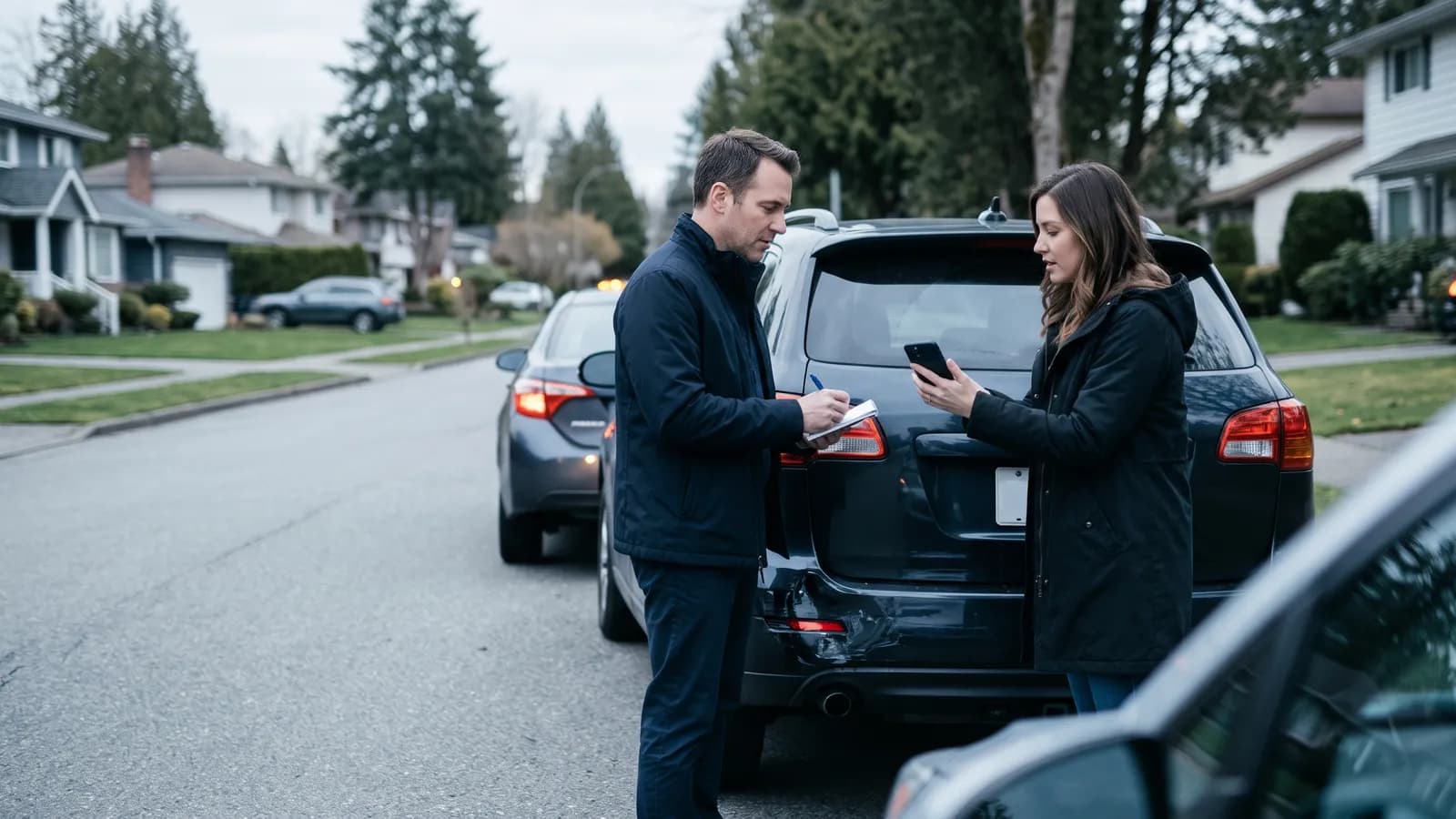
What to Do After a Car Accident: The 10-Step Claim Checklist
The post-accident sequence that protects your claim: scene safety, documentation, prompt insurer notice, the adjuster process, and the statements that cost money.
Read guideCar insurance is a bundle of separate coverages — liability for what you cause, collision and comprehensive for your own car, and medical and uninsured-motorist lines for what the other driver cannot pay — and full coverage costs about $1,500–$2,500 per year nationally, with state rules setting the floor. The guides below map the coverage decisions, the state minimums, and the savings levers.
What car insurance covers (and what it never covers)
Liability is the legal core. Bodily injury liability and property damage liability pay the losses you cause to other people, at the limits the policy names. Personal injury protection or MedPay pays your own passengers' medical bills in no-fault states, and uninsured/underinsured motorist coverage pays when the at-fault driver carries nothing — the coverage most likely to pay a serious claim in high-uninsured states.
Comprehensive coverage and collision insure the car itself: non-crash perils such as theft, hail, flood, and glass on one side, crash damage on the other, each with its own deductible. What the bundle never covers is mechanical breakdown, worn parts, and regular maintenance — engine failure and wear are ownership costs, not insurable events, unless a separate breakdown product is bought.
What car insurance costs
Car premiums quote per year for full coverage:
| Profile | Typical cost |
|---|---|
| National band, full coverage | $1,500–$2,500 per year |
| National band, minimum liability | $400–$900 per year |
| Cheapest states (ME, VT) | $1,300–$2,000 per year |
| Florida / Michigan / Texas | $2,000–$3,500+ per year |
| Louisiana (highest band) | $2,400–$3,800 per year |
| New York City | $2,800–$4,500 per year |
State insurance rules, urban density, theft rates, and uninsured-driver share explain most of the spread. The state and city pages below carry the local minimums and bands, and the average cost of car insurance breakdown prices what moves an individual quote.
What the premium depends on
Insurers price risk with dozens of factors, and five of them dominate the quote:
- Location — urban density, theft rates, and state insurance rules move the price more than most drivers expect.
- Driving record — at-fault crashes and DUIs raise premiums for three to five years, then decay off.
- Age and experience — teens price highest; rates fall steadily through the 20s and hold flat through middle age.
- Vehicle — expensive-to-repair cars cost more; some cheap cars surprise upward on claim frequency.
- Credit-based insurance score — used in most states, banned in a few; a better band usually means a lower rate.
Annual mileage, coverage selections, and the discount stack — bundling, telematics, paid-in-full, good-student — finish the quote. Carrier dispersion for an identical profile routinely runs into the hundreds of dollars, which is why the renewal-date quote remains the single most reliable saving move.
Getting and comparing car insurance quotes
A quote is the carrier's conditional price for one driver, one car, and one coverage structure — and quotes for the identical profile routinely spread 50% or more between carriers, because each insurer weights age, record, and credit differently. The mechanics are simple: fix the coverage structure first (limits and deductibles matched across every quote), gather the household inputs — license numbers, VINs, claims history, mileage — then pull three to five quotes and compare them line by line, not by headline price. Two $2,000 quotes can hide different policies.
Free Car Insurance Quotes: Compare Rates by State (2026) walks the full process: what drivers pay by state and age, the exact information insurers request, how minimums in all 50 states shape the floor, and the comparison method that catches the quietly trimmed quote.
How to use this guide set
- Responding after a crash → What to Do After a Car Accident: The 10-Step Claim Checklist sequences the scene, the report, and the claim call.
- Sizing the coverage → What Does Full Coverage Car Insurance Cover? sets the limits-and-deductibles structure before any price comparison.
- Cutting the premium → How to Lower Car Insurance: 12 Ways That Actually Work ranks the discounts, deductible moves, and drop-comprehensive math.
The car insurance cluster, mapped
Start here
- Free Car Insurance Quotes: Compare Rates by State (2026) — how to pull, structure, and compare quotes without overpaying.
- How to Choose the Best Car Insurance Company (No Sponsored Rankings) — complaint ratios, claims service, and rate stability.
- How to Switch Car Insurance (Without a Lapse or a Penalty) — the overlap rule that protects your record.
- Adding a Teen Driver: Costs, Discounts, and the Setup That Saves — the costliest add and the discounts that blunt it.
- What Is Non-Owner Car Insurance? Who Needs It and What It Covers — liability that follows the driver between cars.
State guides
State guides carry the exact minimums, no-fault rules, and the local cost band:
- Car Insurance in California: Minimums, Costs, and How to Save (2026)
- Car Insurance in Texas: Costs, Minimums, and How to Get Cheap Quotes
- Car Insurance in Florida: No-Fault Rules, Costs, and the PIP Quirk
- Car Insurance in New York: Minimums, Costs, and How to Save (2026)
- Car Insurance in Pennsylvania: Minimums, Costs, and How to Save (2026)
- Car Insurance in Illinois: Minimums, Costs, and How to Save (2026)
- Car Insurance in Michigan: Why It's Unique and What It Costs
- Car Insurance in Alaska: Minimums, Costs, and How to Save (2026)
- Car Insurance in Arkansas: Minimums, Costs, and How to Save (2026)
- Car Insurance in Delaware: Minimums, Costs, and How to Save (2026)
- Car Insurance in Hawaii: Minimums, Costs, and How to Save (2026)
- Car Insurance in New Mexico: Minimums, Costs, and How to Save (2026)
- Car Insurance in Oklahoma: Minimums, Costs, and How to Save (2026)
- Car Insurance in Rhode Island: Minimums, Costs, and How to Save (2026)
- Car Insurance in Utah: Minimums, Costs, and How to Save (2026)
- Car Insurance in Alabama: Minimums, Costs, and How to Save (2026)
- Car Insurance in Arizona: Minimums, Costs, and How to Save (2026)
- Car Insurance in Colorado: Minimums, Costs, and How to Save (2026)
- Car Insurance in Connecticut: Minimums, Costs, and How to Save (2026)
- Car Insurance in District of Columbia: Minimums, Costs, and How to Save (2026)
- Car Insurance in Georgia: Minimums, Costs, and How to Save (2026)
- Car Insurance in Iowa: Minimums, Costs, and How to Save (2026)
- Car Insurance in Idaho: Minimums, Costs, and How to Save (2026)
- Car Insurance in Indiana: Minimums, Costs, and How to Save (2026)
- Car Insurance in Kansas: Minimums, Costs, and How to Save (2026)
- Car Insurance in Kentucky: Minimums, Costs, and How to Save (2026)
- Car Insurance in Louisiana: Minimums, Costs, and How to Save (2026)
- Car Insurance in Massachusetts: Minimums, Costs, and How to Save (2026)
- Car Insurance in Maryland: Minimums, Costs, and How to Save (2026)
- Car Insurance in Maine: Minimums, Costs, and How to Save (2026)
- Car Insurance in Minnesota: Minimums, Costs, and How to Save (2026)
- Car Insurance in Missouri: Minimums, Costs, and How to Save (2026)
- Car Insurance in Mississippi: Minimums, Costs, and How to Save (2026)
- Car Insurance in Montana: Minimums, Costs, and How to Save (2026)
- Car Insurance in North Carolina: Minimums, Costs, and How to Save (2026)
- Car Insurance in North Dakota: Minimums, Costs, and How to Save (2026)
- Car Insurance in Nebraska: Minimums, Costs, and How to Save (2026)
- Car Insurance in New Hampshire: Minimums, Costs, and How to Save (2026)
- Car Insurance in New Jersey: Minimums, Costs, and How to Save (2026)
- Car Insurance in Nevada: Minimums, Costs, and How to Save (2026)
- Car Insurance in Ohio: Minimums, Costs, and How to Save (2026)
- Car Insurance in Oregon: Minimums, Costs, and How to Save (2026)
- Car Insurance in South Carolina: Minimums, Costs, and How to Save (2026)
- Car Insurance in South Dakota: Minimums, Costs, and How to Save (2026)
- Car Insurance in Tennessee: Minimums, Costs, and How to Save (2026)
- Car Insurance in Virginia: Minimums, Costs, and How to Save (2026)
- Car Insurance in Vermont: Minimums, Costs, and How to Save (2026)
- Car Insurance in Washington: Minimums, Costs, and How to Save (2026)
- Car Insurance in Wisconsin: Minimums, Costs, and How to Save (2026)
- Car Insurance in West Virginia: Minimums, Costs, and How to Save (2026)
- Car Insurance in Wyoming: Minimums, Costs, and How to Save (2026)
City guides
City guides price the metro: density, theft corridors, and ZIP-level rating:
- Car Insurance in New York City, NY: Costs and Guide (2026)
- Car Insurance in Los Angeles, CA: Costs and Guide (2026)
- Car Insurance in Chicago, IL: Costs and Guide (2026)
- Car Insurance in Houston, TX: Costs and Guide (2026)
Coverage questions
- Does Car Insurance Cover Rental Cars? — before you buy the counter's waiver.
- Does Car Insurance Cover Other Drivers? — permissive use and its limits.
- Does Car Insurance Cover Windshield Repair? — the comprehensive line and state glass rules.
- Does Car Insurance Cover Flood Damage? — where comprehensive pays and where it does not.
The decisions that define a car policy
Four decisions set more than any discount hunt. The liability decision — state minimum versus 100/300/100 — is the difference between legal and covered, and it costs $15–$30 per month to upgrade in most states. The physical-damage decision prices collision and comprehensive against the car's actual cash value: when the pair costs more than 10% of the car's worth per year, dropping them is usually rational. The no-fault decision varies by state — PIP-heavy Michigan and Florida price differently than tort states. The UM/UIM decision matters most where uninsured-driver share runs high; declining it in writing saves the least and risks the most.
Special situations the standard policy does not anticipate
Financed and leased cars carry lender requirements beyond state law: collision and comprehensive until payoff, and often gap coverage, because a total loss pays actual cash value while the loan balance can run higher — dealer-priced gap routinely costs five to ten times the insurer's price. Delivery driving and ridesharing break the personal policy's livery exclusion, and the rideshare gap between app-on and passenger-on has voided claims without the endorsement. Military deployment has its own rules under the SCRA, and a DUI converts the shopping problem into an SR-22 filing with a three-year tail.
Age cuts the other way too. Drivers at 18 price near the top of the market, see the first major drop at 25, and reach the low-cost decade in their 30s. Each transition reprices the policy without any action from the driver — but the savings only land if the quote is actually pulled, because insurers reprice at renewal, not at birthday.
Related guides
The auto policy connects to the property and business lines around it: the home or renters policy that bundles against it, the commercial coverage delivery and rideshare work quietly require, and the health coverage that coordinates with MedPay after an injury crash.
- Home Insurance: The Complete Guide — the bundle partner; combined home-and-auto discounts run 5–25%.
- Renters Insurance: The Complete Guide — the tenant-side bundle at $15–$30 per month.
- Business Insurance: The Complete Guide — the commercial line delivery driving and business use require.
- Health Insurance: The Complete Guide — how major medical coordinates with PIP and MedPay after a crash.
Sources
Frequently asked questions
How much car insurance do I need?
Every state except New Hampshire sets minimum liability limits, but minimums pay other people's losses, not yours. A common setup is 100/300/100 liability — $100,000 per person, $300,000 per crash, $100,000 property damage — plus collision and comprehensive on any car worth protecting, and uninsured motorist coverage at full limits wherever the state lets you decline it.
How much is car insurance per year?
Full coverage averages roughly $1,500–$2,500 per year nationally, and minimum liability runs $400–$900 per year. The state spread exceeds three-fold: Maine and Vermont price near $1,300–$2,000 for full coverage while Florida, Michigan, and Louisiana reach $2,200–$3,800 or more. Age, record, credit where legal, and vehicle move the individual quote.
What does full coverage car insurance include?
Full coverage is not one product — the term means liability plus collision plus comprehensive on the same policy. Collision pays your car's damage in a crash; comprehensive pays theft, fire, hail, flood, and animal strikes; liability pays the injuries and property damage you cause. Lenders require the physical-damage pair on financed cars, and no state requires either.
Is car insurance required?
Yes, in nearly every state — New Hampshire alone lets drivers post financial responsibility instead, and Virginia offers a fee alternative. States verify coverage at registration and randomly, and a lapse can bring fines, suspension, or worse in no-fault states. Lenders add their own requirement: collision and comprehensive stay mandatory until the loan or lease is paid.
What is the difference between comprehensive and collision?
Collision pays for your car's damage from impact — a crash with another vehicle or an object, single-car or not. Comprehensive pays for non-crash damage: theft, fire, hail, flood, falling objects, glass, and animal collisions. Both carry their own deductible, both are optional under state law, and together they form the physical-damage half of full coverage.
When should I shop for car insurance?
Quote at every renewal, because carrier dispersion for the same driver profile routinely exceeds hundreds of dollars a year. Also quote after any rate-moving event: a move to a new state, adding a teen driver, a crash or DUI falling off the record, paying off a loan, or a credit score band change. Never cancel the old policy before the new one binds.
How we researched this guide
Car insurance pricing is set per driver, per ZIP code — so our guides anchor on regulator and industry statistics and explain the factors, not a fake exact price.
- Premium ranges are anchored to NAIC statewide average-expenditure data, the most complete public dataset on what drivers actually pay per state.
- State minimum-coverage requirements are checked against each state's motor-vehicle financial-responsibility statute and the state insurance department's consumer pages.
- What a coverage actually pays for is verified against policy declarations and specimen forms, not marketing copy.
- Discount and surcharge rules cite the state DOI consumer bulletin where each state regulates them differently — for example credit-based insurance scores, which most states permit but a few ban.
Where facts vary by state or insurer, we publish the range and the reason for the variation rather than a single misleading average. We do not sell insurance, take money from insurers for coverage, or publish claim amounts we cannot trace to a source.
Sources
The primary sources behind the facts on this page. Last verified November 16, 2026.
- IIHS — Insurance Institute for Highway Safety — crash-test data, vehicle loss statistics, and safety-feature research.
- NHTSA — National Highway Traffic Safety Administration — recalls, crash data, and state traffic-safety requirements.
- FMCSA — Federal Motor Carrier Safety Administration — commercial vehicle and carrier insurance requirements.
- NAIC — National Association of Insurance Commissioners — model regulations, consumer guides, and industry statistics.
- Find your state insurance regulator (NAIC directory) — every state insurance department — the authority for your state's rules and complaint filing.
- Insurance Information Institute (III) — industry statistics and consumer explainers we cross-check against regulator publications.
Rules that vary by state are verified against the state insurance department's consumer pages — find yours via the NAIC directory above.