
What to Do After a Car Accident: The 10-Step Claim Checklist
The post-accident sequence that protects your claim: scene safety, documentation, prompt insurer notice, the adjuster process, and the statements that cost money.
Why you can trust this guide
- Written by Daniel Reyes, AINS, former licensed P&C agent — independent insurance education publisher.
- Factual accuracy reviewed and signed off by Marcus Hale, CPCU, AINS, licensed P&C agent (Independent insurance reviewer).
- Every factual claim traces to a regulator, statute, or policy document — sources are listed at the bottom of the page.
- Last verified ; time-sensitive guides are re-checked at least twice a year. Read our editorial policy.
On this page
The post-accident sequence protects the claim: safety first, documentation before vehicles move, prompt notice to the insurer, and the discipline not to argue fault at the scene. The ten steps below apply to every accident, from a parking-lot scrape to a totaled car.
At the scene (the first 20 minutes)
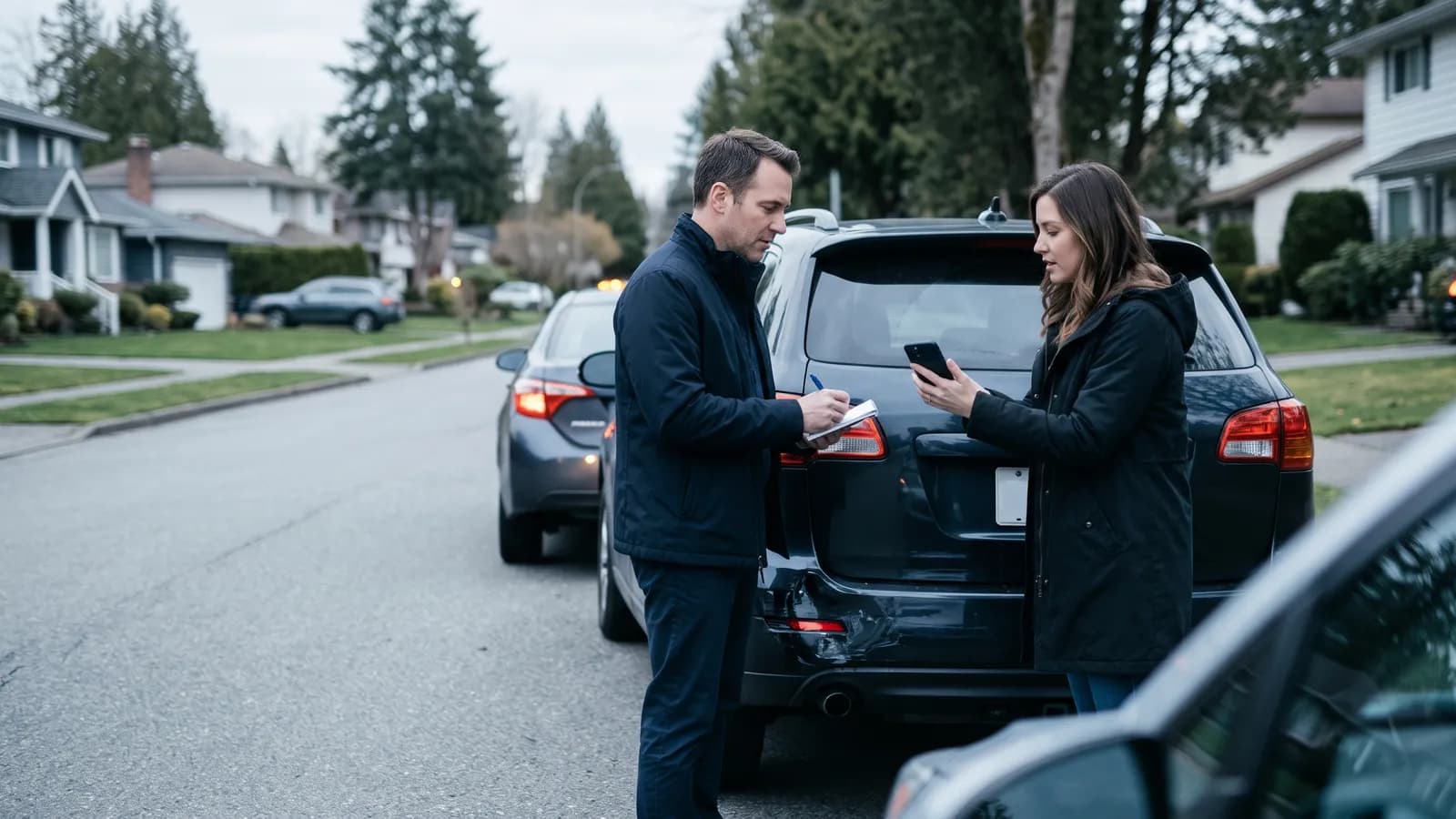
- Safety — hazards on, move to the shoulder if drivable, check for injuries. 911 for injuries; many states require police reports for injury or significant damage.
- Photograph everything before vehicles move — both cars (all four sides), plates, the position/intersection, skid marks, road conditions, traffic signals, the other driver's license and insurance card.
- Exchange information — name, insurance carrier and policy number, license, plate, phone. Witnesses: names and numbers.
- The statement discipline — factual answers only; no fault admissions, no "I'm sorry" apologies (they become evidence), no speculation about injuries (adrenaline masks them).
- Police report number — required for injury claims and most theft/major-damage claims.
The claim (the first 48 hours)
- Notify your insurer promptly — a policy condition. Report even not-fault accidents (see the FAQ). Provide the photos, report number, and the other driver's information.
- Medical attention — see a doctor within 72 hours even for "minor" soreness; delayed-injury documentation is where soft-tissue claims get contested. PIP/MedPay timelines are strict in some states (Florida's 14-day PIP rule).
- Preserve evidence — the dashcam file, the tow yard location, the rental-car arrangement (if you carry rental reimbursement).
The repair and settlement (the following weeks)
- The adjuster and estimates — you choose the shop; the insurer writes the scope. Total loss? The ACV negotiation uses comparable listings (see total loss). Rental coverage runs during repairs.
- The settlement — property claims settle with repair or ACV payment; injury claims settle after treatment completes (or through attorney representation in serious cases). Don't sign releases without reading them.
The statements that cost people money
- "I'm sorry" / "I didn't see you" — fault admissions at the scene.
- "I'm fine" — the injury documentation that never materializes.
- "Just pay me cash, we'll skip insurance" — the uninsured-uninsured trap (the other driver's later injury claim has no record of the deal).
- Recorded statements to the other driver's insurer — refer them to yours.
The rate aftermath
An at-fault crash surcharges 25–50% for 3–5 years; not-fault claims affect rates far less (some states prohibit it). The recovery: keep the record clean, re-shop as the violation ages — see average cost of car insurance and DUI recovery for the high-impact version of the timeline.
Countering a low total-loss offer with comparable listings
A total-loss offer is an opening position, not a final number — the payout is the car's actual cash value, and comparable local listings are the evidence that moves it. The offer an insurer mails is commonly built from a valuation report that prices your car at wholesale-adjacent numbers with a standard mileage and condition deduction. The counter works like this: pull three to five listings for the same year, trim, and mileage within 100–200 miles of your zip code, photograph your car's condition (tires, service records, recent work), and submit them with a written demand for a specific number. On a car the insurer offers $11,400 for, three local listings at $12,600–$13,100 plus documented maintenance commonly moves the settlement $500–$1,500. Two levers matter as much as the comps: whether sales tax and title fees are added to the payout (state-dependent — some states require it), and whether you can keep the wreck for a reduced settlement if you want to repair it yourself.
Diminished value, loss of use, and the money left on the table
Beyond the repair bill, two line items — diminished value and loss of use — are commonly payable but rarely claimed unless the claimant asks. Diminished value is the resale discount a car carries after a reported crash even with perfect repairs: a repaired $28,000 vehicle commonly loses $1,000–$3,000 of market value on a car-fax check. Where it is claimable varies: most states allow a diminished-value demand against the at-fault driver's liability coverage, while your own collision insurer rarely pays it on your own claim — the exception being some first-party policies in Georgia and a few other states. Loss of use is the other side's responsibility when you are renting a car because of their driver's fault; if the rental reimbursement endorsement you paid for has expired or its daily cap runs out, the at-fault insurer's loss-of-use exposure is a negotiating line, not a gift. Document both with dates and receipts before the release is signed.
When the other driver is uninsured, fled, or the claim stalls
If the at-fault driver has no insurance, or leaves the scene, your own uninsured-motorist and collision coverages become the claim — and the deadlines are yours to protect. Uninsured-motorist bodily injury pays your medical claim up to the limit you bought; collision pays the car damage minus your deductible, with the hit-and-run variant handled under the rules for unidentified drivers. The failure pattern is paperwork, not coverage: no same-day police report (a claim prerequisite), late notice beyond the policy's prompt-notice condition, or a recorded statement given to the other carrier before you understood the fault picture. When the claim stalls — no adjuster call in two weeks, no decision 30 days after documentation is complete — the escalation ladder is a written status request, then a complaint to your state insurance department, which answers regulators faster than customers. State rules differ sharply on PIP deadlines and UM limits; the Florida page shows how one state's 14-day medical-notice rule reshapes a claim.
Related guides
The claim path runs through the coverages that pay it — and the coverage pages explain what each layer contributes on claim day.
- What Is Collision Car Insurance? — how the coverage that pays for your own crash damage works, deductibles included.
- What Is Gap Insurance and How Does It Work? — closes the loan-versus-payout hole a total loss leaves on a financed car.
- Does Car Insurance Cover Hit-and-Run? — how unidentified-driver claims are handled under collision and UM.
- What Is Comprehensive Car Insurance? — the theft, weather, and animal claims outside the crash path.
- Car Insurance: The Complete Guide — the full coverage-and-cost picture that sits behind every claim.
Sources
Frequently asked questions
What should I do immediately after a car accident?
Safety first: move to the shoulder if the car is drivable and put the hazards on. Call 911 for any injuries, photograph everything before the vehicles move (both cars, plates, position, road conditions), exchange information, and get the police report number. Do not admit fault or apologize — statements at the scene become claim evidence.
Should I call my insurance company even if the accident wasn't my fault?
Yes — prompt notice is a policy condition, and a not-at-fault claim still needs documentation for uninsured-motorist, medical-payments, or collision paths. Reporting the accident does not admit fault; insurers investigate and pursue subrogation afterward. Skipping the report can forfeit those coverages and weaken your position if the other driver's story changes later.
Will my insurance go up after an accident that wasn't my fault?
Generally no — most states prohibit surcharging not-at-fault claims, and insurers price at-fault claims far more heavily. The exceptions are state-specific rules and claim-count effects at some carriers. The surcharge that follows a genuine at-fault crash typically runs 25–50% for 3–5 years.
Should I use the insurance company's preferred repair shop?
You can choose any shop in every state; insurer direct-repair programs streamline the process and add workmanship guarantees. The trade is convenience versus a shop's familiarity with your specific car. Get an independent estimate alongside the insurer's scope for any major damage.
How long does an insurance company have to settle a car accident claim?
Deadlines are set by state law, not by the policy: most states require insurers to acknowledge a claim within roughly 15 days and to accept or deny it within about 30–40 days once documentation is complete. If an insurer misses its state's deadlines, a written complaint to the state insurance department usually moves the file faster than repeated calls.
Can I keep a car the insurance company declared a total loss?
Yes — the insurer pays actual cash value minus your deductible and minus the salvage value it would have recovered, and you keep the car, which now carries a salvage or rebuilt title. Expect the payout to be several hundred to a couple thousand dollars lower, and expect fewer insurers to offer full coverage on it afterward.
How we researched this guide
Car insurance pricing is set per driver, per ZIP code — so our guides anchor on regulator and industry statistics and explain the factors, not a fake exact price.
- Premium ranges are anchored to NAIC statewide average-expenditure data, the most complete public dataset on what drivers actually pay per state.
- State minimum-coverage requirements are checked against each state's motor-vehicle financial-responsibility statute and the state insurance department's consumer pages.
- What a coverage actually pays for is verified against policy declarations and specimen forms, not marketing copy.
- Discount and surcharge rules cite the state DOI consumer bulletin where each state regulates them differently — for example credit-based insurance scores, which most states permit but a few ban.
Where facts vary by state or insurer, we publish the range and the reason for the variation rather than a single misleading average. We do not sell insurance, take money from insurers for coverage, or publish claim amounts we cannot trace to a source.
Sources
The primary sources behind the facts on this page. Last verified November 10, 2026.
- IIHS — Insurance Institute for Highway Safety — crash-test data, vehicle loss statistics, and safety-feature research.
- NHTSA — National Highway Traffic Safety Administration — recalls, crash data, and state traffic-safety requirements.
- FMCSA — Federal Motor Carrier Safety Administration — commercial vehicle and carrier insurance requirements.
- NAIC — National Association of Insurance Commissioners — model regulations, consumer guides, and industry statistics.
- Find your state insurance regulator (NAIC directory) — every state insurance department — the authority for your state's rules and complaint filing.
- Insurance Information Institute (III) — industry statistics and consumer explainers we cross-check against regulator publications.
Rules that vary by state are verified against the state insurance department's consumer pages — find yours via the NAIC directory above.
Keep reading

Car Insurance: The Complete Guide
Car insurance bundles liability, collision, comprehensive, and medical coverage — this guide explains state minimums, full coverage, and how to lower the premium.
Read guide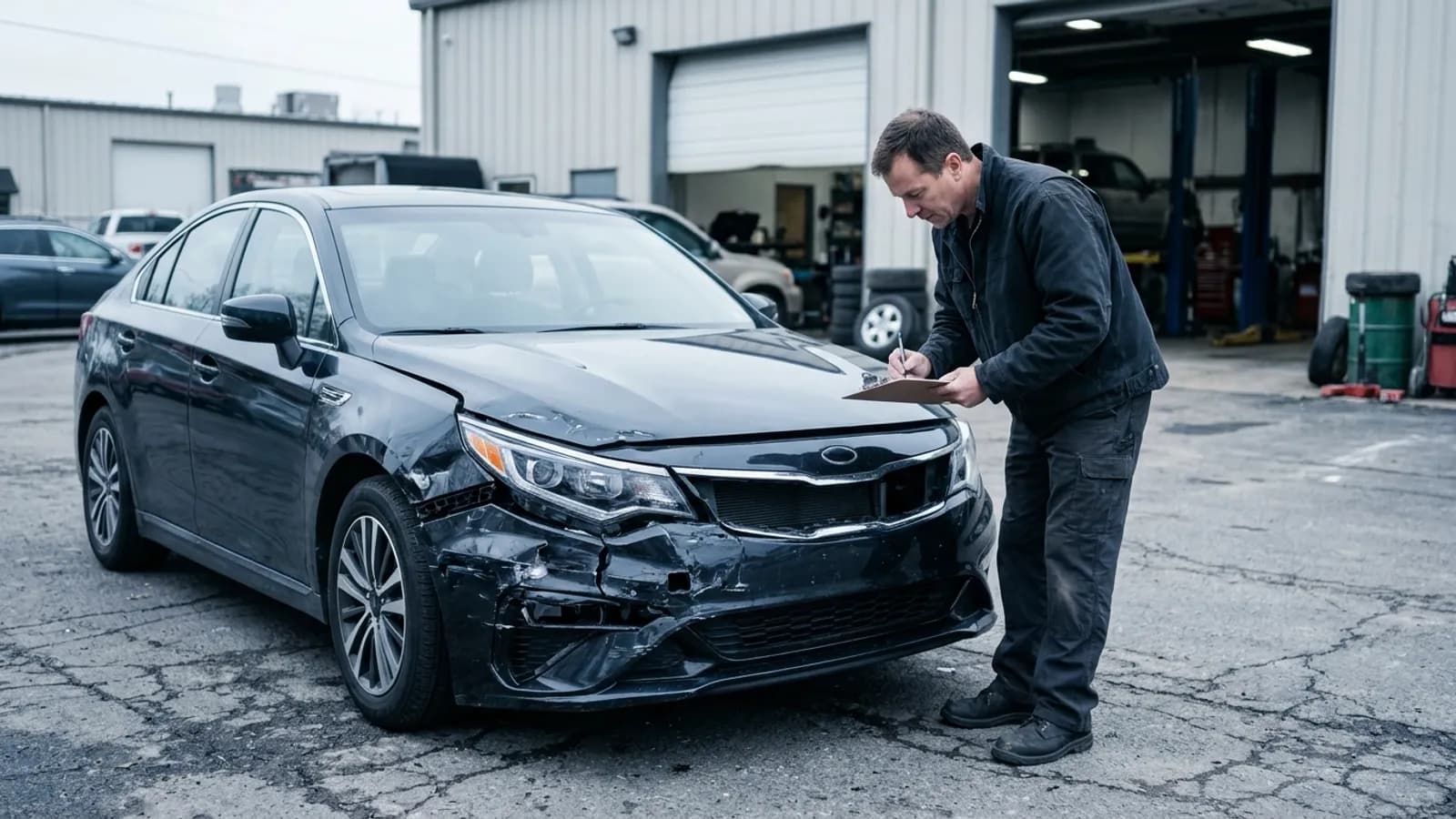
What Is Collision Car Insurance? Coverage, Deductibles, and Cost
Collision insurance pays to repair or replace your car after a crash with a vehicle or object, regardless of fault — commonly $300–$900 per year.
Read guide
What Is Gap Insurance and How Does It Work?
Gap insurance pays the loan or lease balance your collision or comprehensive settlement leaves after a total loss — typically $20–$60 per year as an endorsement.
Read guide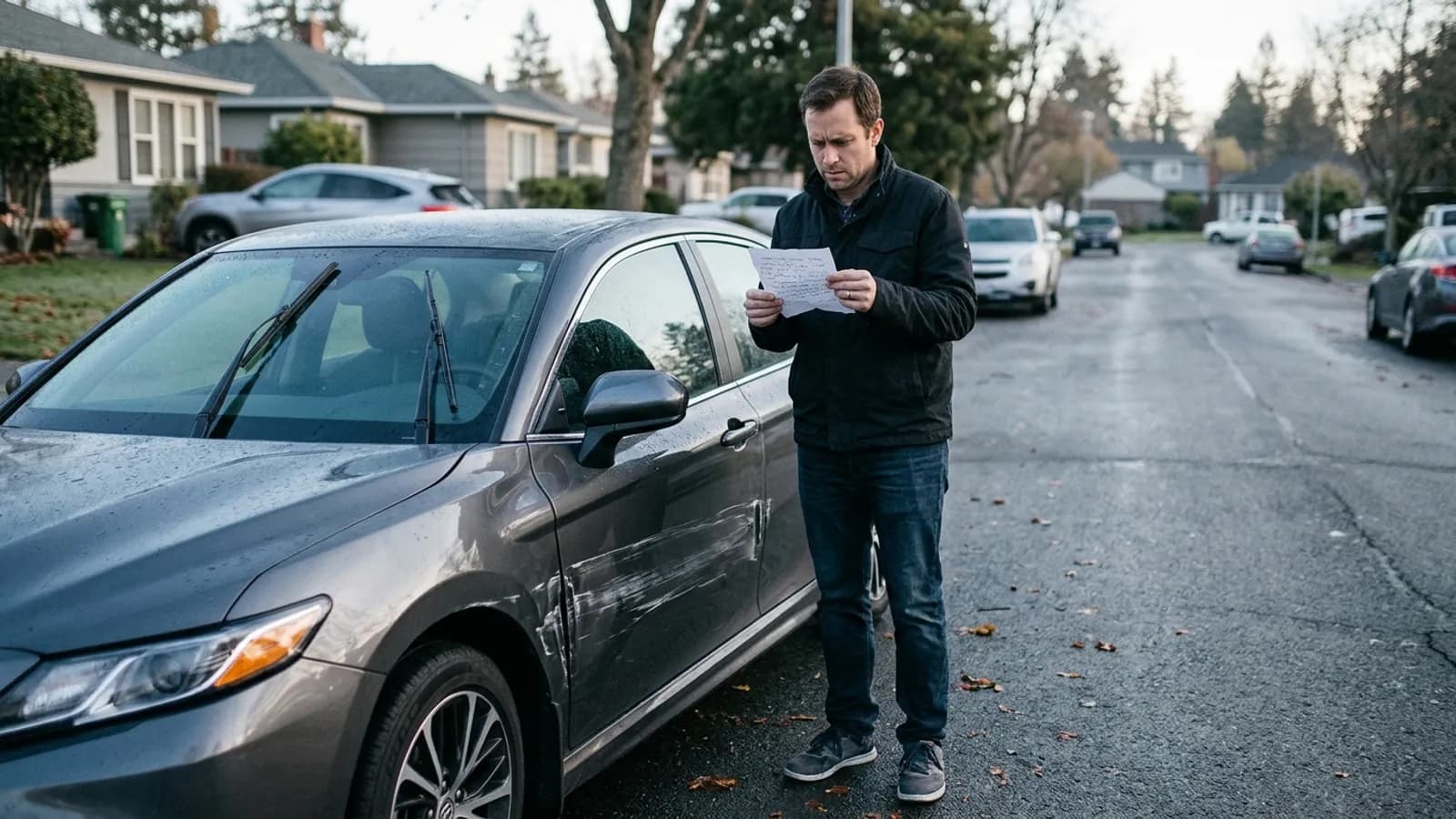
Does Car Insurance Cover Hit-and-Run?
Hit-and-run damage claims under collision and injuries under uninsured motorist — the unidentified driver counts as uninsured. The claim protocol and refund path.
Read guide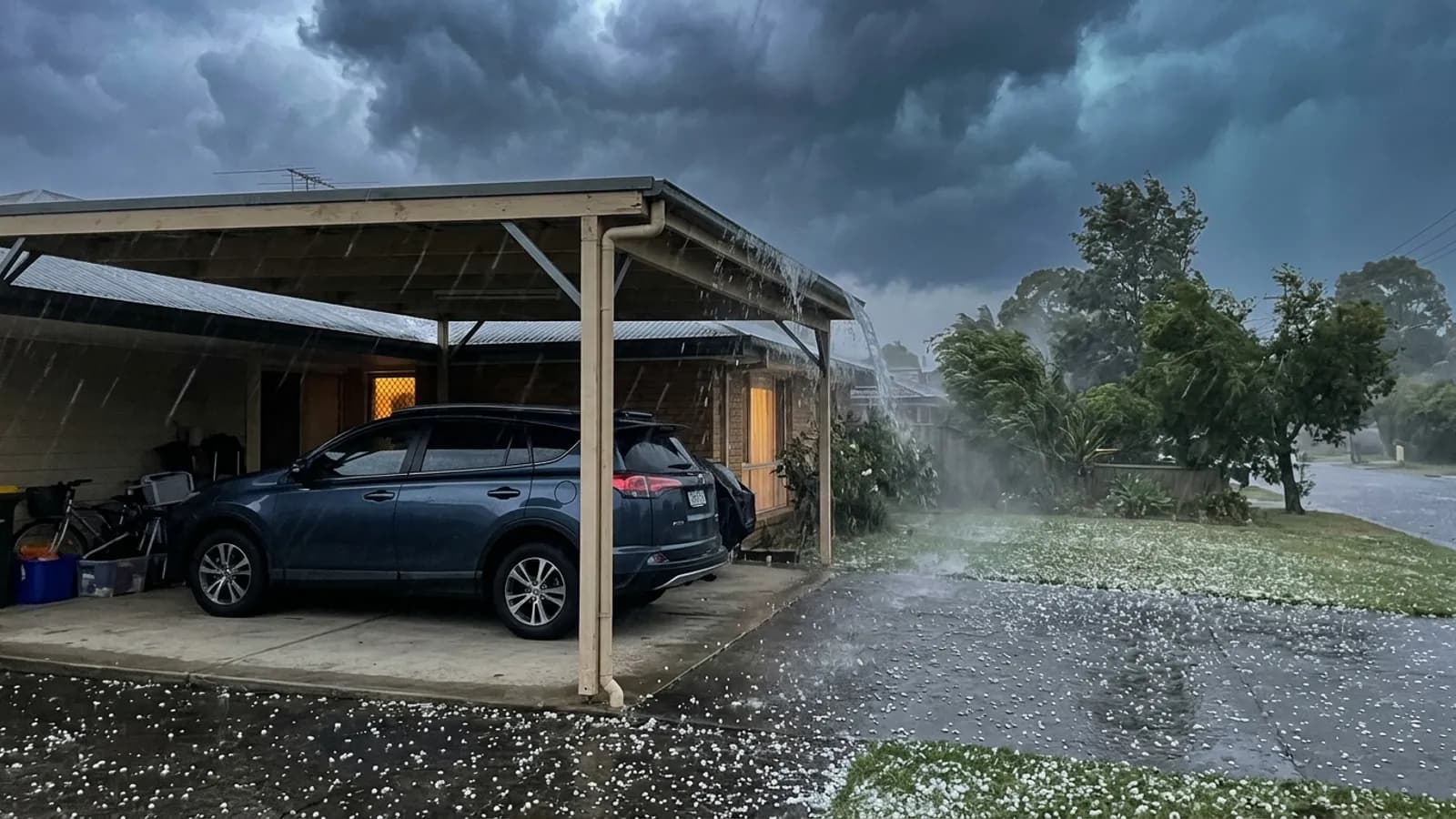
What Is Comprehensive Car Insurance? Coverage and Cost
Comprehensive car insurance pays for non-crash damage — theft, fire, hail, flood, falling objects, vandalism, animal strikes — commonly $100–$300 per year.
Read guide