
Renters Insurance: The Complete Guide
Renters insurance covers your belongings, your liability, and your hotel bill when the rental is unlivable — what it pays, what it excludes, and how to pay less.
123 in-depth guides
Why you can trust this guide
- Written by Daniel Reyes, AINS, former licensed P&C agent — independent insurance education publisher.
- Factual accuracy reviewed and signed off by Marcus Hale, CPCU, AINS, licensed P&C agent (Independent insurance reviewer).
- Every factual claim traces to a regulator, statute, or policy document — sources are listed at the bottom of the page.
- Last verified ; time-sensitive guides are re-checked at least twice a year. Read our editorial policy.

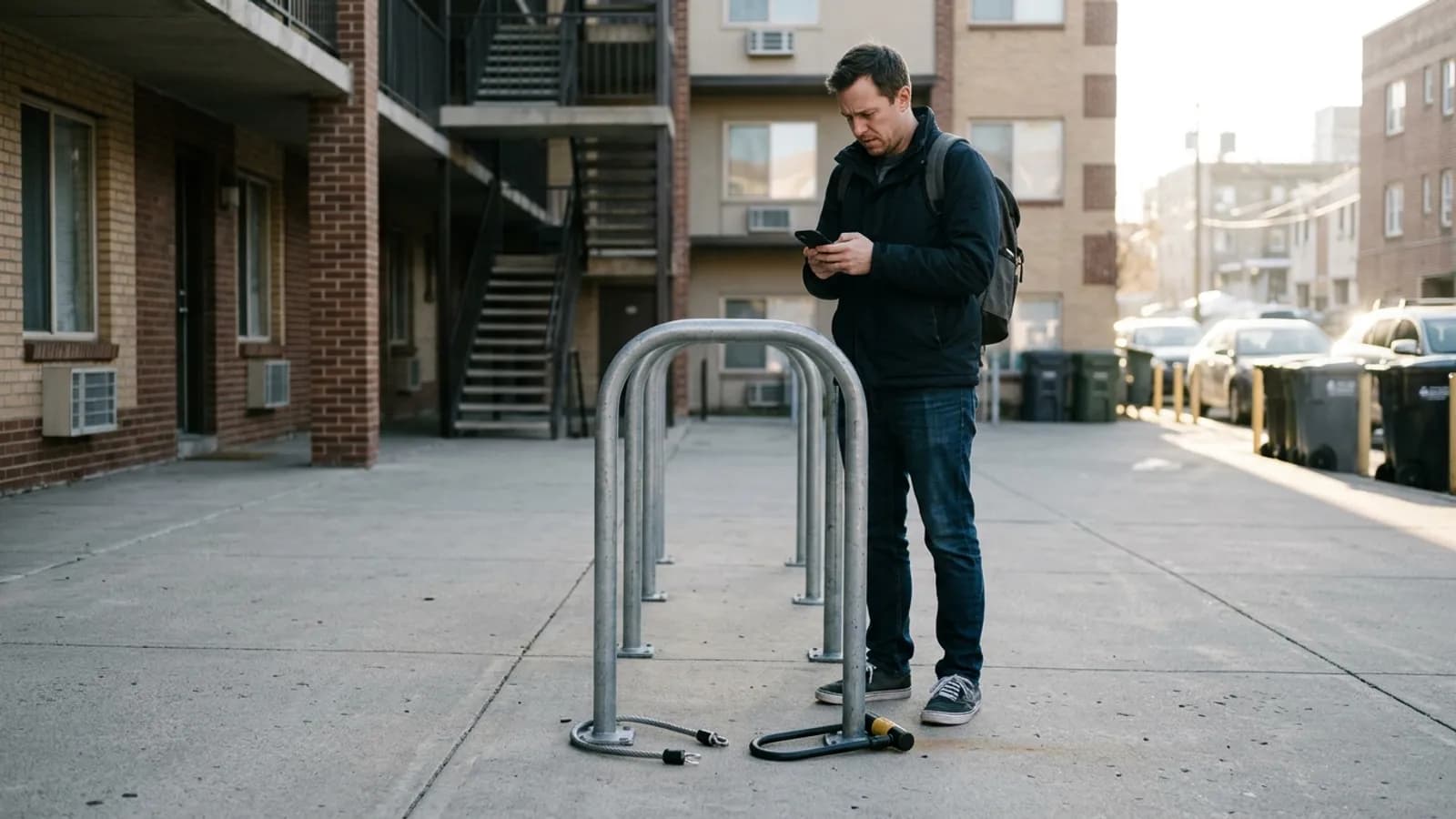
Does Renters Insurance Cover a Stolen Bike?
Yes — renters insurance covers stolen bikes on and off premises, but bicycle sub-limits of $500–$2,000 cap the payout; pricier bikes need scheduling for full value.
Read guide
Does Renters Insurance Cover Airbnb Stays?
Renters insurance covers your belongings as an Airbnb guest — theft away from home is claimable — while hosting is business activity that personal policies exclude.
Read guide
Does Renters Insurance Cover Bedbugs?
No — renters insurance excludes bedbug infestations as gradual, preventable damage; treatment costs recover through landlord habitability law, not the policy.
Read guide
Does Renters Insurance Cover Dog Bites?
Usually yes — renters liability covers dog bites your dog inflicts on others, up to your limit, but breed exclusions and undisclosed bite history can void the claim.
Read guide
Does Renters Insurance Cover Drones?
Sometimes — drones are claimable as personal property for theft and covered perils; the liability a flying drone creates is excluded by most personal policies.
Read guide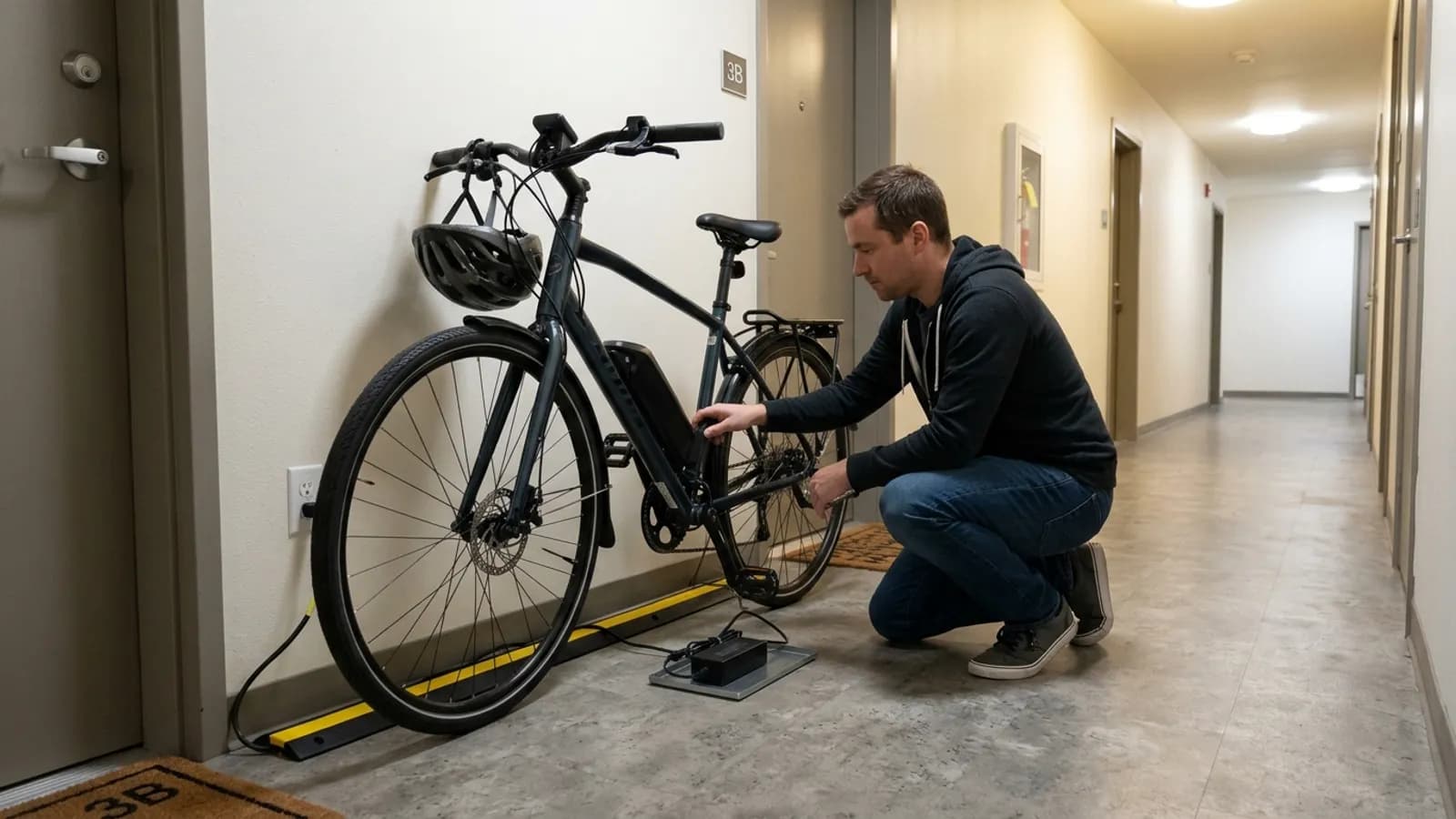
Does Renters Insurance Cover E-Bikes?
Depends on the class — pedal-assist e-bikes under common power thresholds are covered as bicycles, while Class 3 and moped-style models hit motor-vehicle exclusions.
Read guide
Does Renters Insurance Cover Fires?
Yes — fire is the core renters peril: burned and smoke-damaged belongings are covered, loss of use pays displacement, and liability covers negligence-started fires.
Read guide
Does Renters Insurance Cover Food Spoilage From Power Outages?
Sometimes — renters policies pay food spoilage when a covered peril causes the outage, typically capped near $500; plain grid failures are excluded.
Read guide
Does Renters Insurance Cover Hotel Stays?
Yes — loss-of-use coverage pays hotel and extra meal costs while a covered peril makes your rental unlivable, typically up to 20% of your personal-property limit.
Read guide
Does Renters Insurance Cover Identity Theft?
Renters identity-theft coverage pays recovery costs — legal fees, lost wages — up to $25,000–$50,000; the stolen money recovers through banks and card disputes.
Read guide
Does Renters Insurance Cover Jewelry?
Yes up to a sub-limit — renters policies cap stolen jewelry at $1,000–$2,500; pieces above the cap need a scheduling endorsement for full appraised value.
Read guide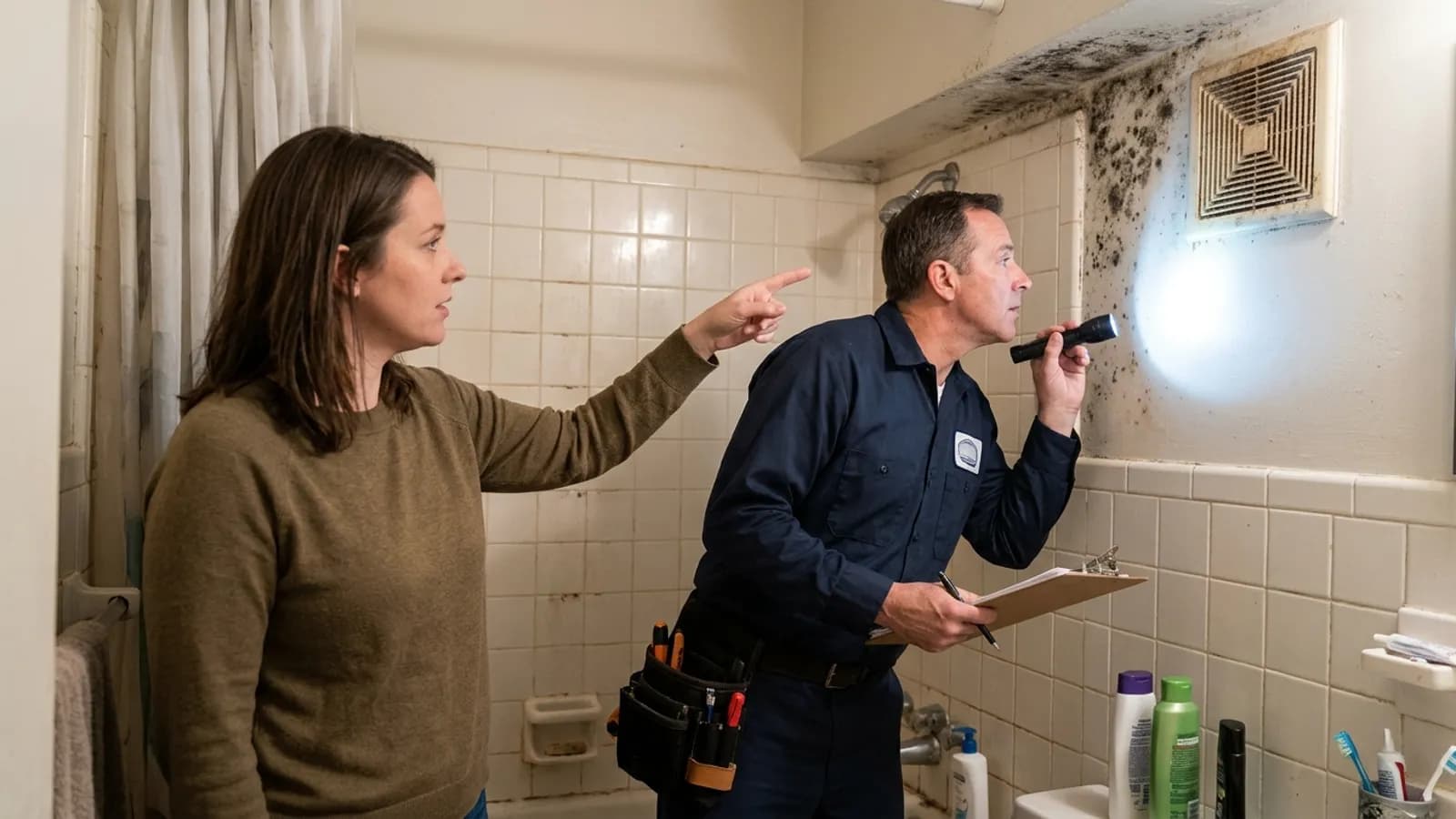
Does Renters Insurance Cover Mold?
Sometimes — mold is claimable when a covered sudden peril caused the water — a burst pipe, not humidity, neglect, or long-term leaks.
Read guide
Does Renters Insurance Cover Natural Disasters?
Split — renters insurance covers wildfire, tornado, hail, and hurricane wind damage to belongings; floods and earthquakes are excluded without separate policies.
Read guide
Does Renters Insurance Cover Pet Damage?
Split — renters liability covers injuries and damage your pet causes to other people and their property; damage to your own belongings and apartment is excluded.
Read guide
Does Renters Insurance Cover Roommates?
No — renters policies cover the named insured and resident relatives, not unrelated adults; each roommate needs their own policy for belongings and liability.
Read guide
Does Renters Insurance Cover Storage Units?
Usually — renters insurance follows belongings into storage, but an off-premises cap of 10% of your property limit bounds the payout; scheduling bypasses the cap.
Read guide
Does Renters Insurance Cover Theft From My Car?
Yes — belongings stolen from inside your car are covered by renters insurance as personal property; the car itself and attached equipment belong to auto coverage.
Read guide
Does Renters Insurance Cover Water Damage?
Yes for sudden water damage — burst pipes and appliance failures qualify; gradual leaks, sewer backup, and rising floodwater are the excluded lanes.
Read guide
First Apartment Insurance Checklist (20 Minutes to Covered)
The first-apartment renters checklist: a 20-minute sequence of inventory, limits, replacement cost, endorsements, and the landlord certificate before move-in.
Read guide
How to Choose the Best Renters Insurance Company (No Sponsored Rankings)
How to choose a renters insurer on replacement-cost standards, claim speed, complaint indexes, and the endorsement menu — evaluated without sponsored rankings.
Read guide
Renters Insurance for Students: Dorms, Off-Campus, and the Fine Print
Dorm belongings ride on parents' homeowners policies at 10% of contents; off-campus apartments need the student's own policy at roughly $12–$18 per month.
Read guideRenters Insurance in Alabama: Costs and What to Know (2026)
Renters insurance in Alabama costs about $12–$18 per month. Hurricane remnants, tornado corridors, and flood exclusions shape what tenants should set up first.
Read guideRenters Insurance in Alaska: Costs and What to Know (2026)
Renters insurance in Alaska costs about $14–$20 per month. Earthquake exclusions, frozen pipes, and wildfire smoke shape what tenants should set up before signing.
Read guide
Renters Insurance in Albuquerque, NM: Costs and Guide (2026)
Renters insurance in Albuquerque costs about $12–$17 per month. See what shapes the price: burn-scar flood risk, monsoon hail, and landlord requirements.
Read guide
Renters Insurance in Anaheim, CA: Costs and Guide (2026)
Renters insurance in Anaheim costs about $14–$21 per month. Canyon wildfire smoke, the earthquake exclusion, and Orange County landlord requirements shape the price.
Read guide
Renters Insurance in Arizona: Costs and What to Know (2026)
Renters insurance in Arizona costs about $13–$19 per month. Monsoon wind, flash-flood exclusions, and snowbird absences shape what tenants should set up first.
Read guideRenters Insurance in Arkansas: Costs and What to Know (2026)
Renters insurance in Arkansas costs about $12–$17 per month. Tornado corridors, ice-storm outages, and river flooding shape what tenants should set up first.
Read guideRenters Insurance in Arlington, TX: Costs and Guide (2026)
Renters insurance in Arlington, TX costs about $14–$21 per month. DFW hail exposure, tornado remnants, and entertainment-district landlord rules shape the price.
Read guide
Renters Insurance in Atlanta, GA: Costs and Guide (2026)
Renters insurance in Atlanta costs about $14–$21 per month. Intown flash-flood alleys, theft corridors, storm wind, and $300k landlord asks shape the price.
Read guide
Renters Insurance in Austin, TX: Costs and Guide (2026)
Renters insurance in Austin costs about $14–$22 per month. Freeze-event pipe bursts, hail, flash floods, and tech-corridor $300k liability asks shape the price.
Read guide
Renters Insurance in Baltimore, MD: Costs and Guide (2026)
Renters insurance in Baltimore costs about $13–$19 per month. Rowhouse water backup, winter pipe freezes, and theft patterns shape the price and the policy.
Read guide
Renters Insurance in Boston, MA: Costs and Guide (2026)
Renters insurance in Boston costs about $14–$21 per month. Back Bay replacement costs, winter pipe bursts, and the September 1 moving day shape the price.
Read guide
Renters Insurance in California: Costs and What to Know (2026)
Renters insurance in California costs about $14–$22 per month. Earthquake exclusions, wildfire smoke, and carrier instability shape what tenants should set up.
Read guide
Renters Insurance in Charlotte, NC: Costs and Guide (2026)
Renters insurance in Charlotte costs about $14–$20 per month. Tropical-remnant wind, Uptown replacement costs, and banking-corridor $300k asks shape the price.
Read guide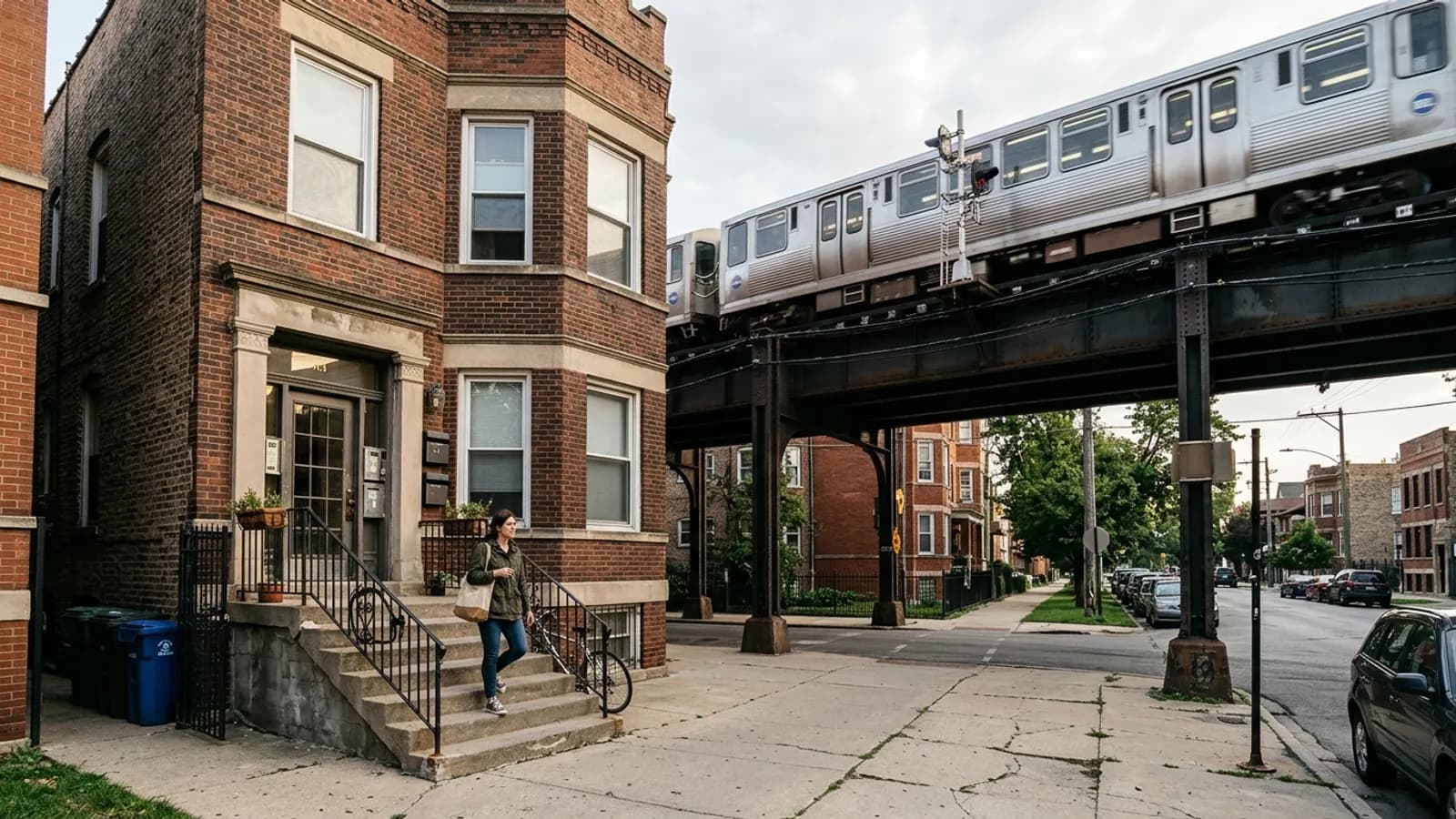
Renters Insurance in Chicago, IL: Costs and Guide (2026)
Renters insurance in Chicago costs about $14–$21 per month. Vintage-plumbing water backup, winter pipe bursts, and lakefront replacement costs shape the price.
Read guide
Renters Insurance in Cincinnati, OH: Costs and Guide (2026)
Renters insurance in Cincinnati costs about $12–$17 per month. Hillside water backup, winter pipe bursts, and Ohio River flood exposure shape the price.
Read guide
Renters Insurance in Colorado: Costs and What to Know (2026)
Renters insurance in Colorado costs about $14–$20 per month. Front Range hail, winter pipe bursts, and wildfire smoke shape what tenants should set up first.
Read guide
Renters Insurance in Columbus, OH: Costs and Guide (2026)
Renters insurance in Columbus costs about $13–$18 per month. Winter pipe bursts, sewer backup, and OSU-area student turnover theft shape the price.
Read guideRenters Insurance in Connecticut: Costs and What to Know (2026)
Renters insurance in Connecticut costs about $13–$19 per month. Nor'easter wind, coastal surge, and old triple-decker housing shape what tenants should set up first.
Read guide
Renters Insurance in Dallas, TX: Costs and Guide (2026)
Renters insurance in Dallas costs about $15–$23 per month. DFW hail corridor losses, tornado remnants, and strict landlord enforcement shape the price.
Read guideRenters Insurance in Delaware: Costs and What to Know (2026)
Renters insurance in Delaware costs about $13–$18 per month. Coastal surge, nor'easter wind, and flat Delmarva flooding shape what tenants should set up first.
Read guide
Renters Insurance in Denver, CO: Costs and Guide (2026)
Renters insurance in Denver costs about $14–$20 per month. Front Range hail, fire-season smoke, and winter pipe freezes shape the price and the claim year.
Read guide
Renters Insurance in Detroit, MI: Costs and Guide (2026)
Renters insurance in Detroit costs about $14–$22 per month. Combined-sewer backups, spring-melt pipe bursts, and urban theft rates shape the price.
Read guideRenters Insurance in District of Columbia: Costs and What to Know (2026)
Renters insurance in Washington, DC costs about $14–$21 per month. Flash-flood corridors, garden-level row houses, and water backup shape what tenants should set up.
Read guide
Renters Insurance in Florida: Costs and What to Know (2026)
Renters insurance in Florida costs about $14–$25 per month. Hurricane wind-versus-flood fine print, sinkhole ground, and carrier churn shape what tenants buy.
Read guide
Renters Insurance in Fort Worth, TX: Costs and Guide (2026)
Renters insurance in Fort Worth costs about $14–$22 per month. DFW hail alley storms, tornadoes, and metro-wide landlord enforcement shape the price.
Read guide
Renters Insurance in Fresno, CA: Costs and Guide (2026)
Renters insurance in Fresno costs about $13–$18 per month. Sierra-fire smoke seasons, extreme heat, and valley theft patterns shape the price.
Read guide
Renters Insurance in Georgia: Costs and What to Know (2026)
Renters insurance in Georgia costs about $14–$25 per month. Tropical remnants inland, Atlanta theft rates, and lightly winterized pipes shape what tenants buy.
Read guideRenters Insurance in Hawaii: Costs and What to Know (2026)
Renters insurance in Hawaii costs about $15–$22 per month. Island hurricane, volcano, and tsunami exclusions shape what tenants should set up before signing.
Read guide
Renters Insurance in Honolulu, HI: Costs and Guide (2026)
Renters insurance in Honolulu costs about $15–$23 per month. Island replacement costs, hurricane exclusions, and vog-season questions shape the price.
Read guide
Renters Insurance in Houston, TX: Costs and Guide (2026)
Renters insurance in Houston costs about $15–$24 per month. Bayou flooding, hurricane wind, and Class-A $300k liability asks shape the price.
Read guideRenters Insurance in Idaho: Costs and What to Know (2026)
Renters insurance in Idaho costs about $12–$17 per month. Wildfire smoke seasons, winter freezes, and a quiet seismic fault shape what tenants should set up first.
Read guideRenters Insurance in Illinois: Costs and What to Know (2026)
Renters insurance in Illinois costs about $13–$19 per month. Chicago theft rates, three-flat water backup, and New Madrid risk shape what tenants should set up.
Read guideRenters Insurance in Indiana: Costs and What to Know (2026)
Renters insurance in Indiana costs about $12–$17 per month. Tornado corridors, college-town theft, and Ohio River flooding shape what tenants should set up first.
Read guide
Renters Insurance in Indianapolis, IN: Costs and Guide (2026)
Renters insurance in Indianapolis costs about $12–$17 per month. Tornado-corridor wind, winter pipe bursts, and below-average rates shape the price.
Read guideRenters Insurance in Iowa: Costs and What to Know (2026)
Renters insurance in Iowa costs about $11–$16 per month. Derecho wind, hail corridors, and river floodplains shape what tenants should set up before signing.
Read guide
Renters Insurance in Jacksonville, FL: Costs and Guide (2026)
Renters insurance in Jacksonville costs about $15–$23 per month. Beaches ZIP wind pricing, St. Johns flooding, and hurricane legacy shape the price.
Read guide
Renters Insurance in Kansas City, MO: Costs and Guide (2026)
Renters insurance in Kansas City costs about $12–$17 per month. Hail and tornado exposure, the MO–KS state-line split, and river flood exclusion shape the price.
Read guideRenters Insurance in Kansas: Costs and What to Know (2026)
Renters insurance in Kansas costs about $12–$17 per month. Tornado Alley winds, hail corridors, and river flooding shape what tenants should set up before signing.
Read guideRenters Insurance in Kentucky: Costs and What to Know (2026)
Renters insurance in Kentucky costs about $12–$17 per month. Tornado strikes, Appalachian flood hollows, and ice storms shape what tenants should set up first.
Read guide
Renters Insurance in Las Vegas, NV: Costs and Guide (2026)
Renters insurance in Las Vegas costs about $13–$19 per month. Monsoon flash floods, heat-stressed systems, and Strip-corridor theft shape the price.
Read guide
Renters Insurance in Los Angeles, CA: Costs and Guide (2026)
Renters insurance in Los Angeles costs about $16–$26 per month. Westside pricing, wildfire smoke seasons, and the earthquake exclusion shape the price.
Read guideRenters Insurance in Louisiana: Costs and What to Know (2026)
Renters insurance in Louisiana costs about $14–$22 per month. Hurricane wind coverage, pump-failure flooding, and a flood-first setup define what tenants should buy.
Read guide
Renters Insurance in Louisville, KY: Costs and Guide (2026)
Renters insurance in Louisville costs about $12–$17 per month. Ohio River flood exclusion, tornado wind, and below-average rates shape the price.
Read guideRenters Insurance in Maine: Costs and What to Know (2026)
Renters insurance in Maine costs about $11–$16 per month. Pipe-burst winters, nor'easter wind, and seasonal vacancy clauses shape what tenants should set up first.
Read guideRenters Insurance in Maryland: Costs and What to Know (2026)
Renters insurance in Maryland costs about $13–$19 per month. Baltimore rowhouse backup, Ellicott City flash floods, and coastal storms shape what tenants buy.
Read guideRenters Insurance in Massachusetts: Costs and What to Know (2026)
Renters insurance in Massachusetts costs about $13–$19 per month. Nor'easter wind, Boston triple-deckers, and the September move define what tenants should set up.
Read guide
Renters Insurance in Memphis, TN: Costs and Guide (2026)
Renters insurance in Memphis costs about $13–$18 per month. New Madrid earthquake exposure, urban theft rates, and tornado remnants shape the price.
Read guide
Renters Insurance in Mesa, AZ: Costs and Guide (2026)
Renters insurance in Mesa costs about $12–$17 per month. Monsoon flood exclusion, desert heat, and snowbird seasonal-rental questions shape the price.
Read guide
Renters Insurance in Miami, FL: Costs and Guide (2026)
Renters insurance in Miami costs about $16–$26 per month; what Miami tenants pay, the wind-versus-surge coverage line, landlord rules, and the endorsements that matter here.
Read guide
Renters Insurance in Michigan: Costs and What to Know (2026)
Renters insurance in Michigan costs about $13–$20 per month. Pipe-burst winters, basement water backup, and spring thaw flooding shape what tenants should set up.
Read guide
Renters Insurance in Milwaukee, WI: Costs and Guide (2026)
Renters insurance in Milwaukee costs about $12–$17 per month; what Milwaukee tenants pay, the water backup decision in duplex districts, landlord rules, and coverage that fits the city.
Read guide
Renters Insurance in Minneapolis, MN: Costs and Guide (2026)
Renters insurance in Minneapolis costs about $12–$18 per month; what Minneapolis tenants pay, the Twin Cities hail corridor, winter pipe claims, landlord rules, and coverage that fits.
Read guideRenters Insurance in Minnesota: Costs and What to Know (2026)
Renters insurance in Minnesota costs about $12–$18 per month. Twin Cities hail, pipe-burst winters, and Red River flooding shape what tenants should set up first.
Read guideRenters Insurance in Mississippi: Costs and What to Know (2026)
Renters insurance in Mississippi costs about $12–$17 per month. Katrina's wind-versus-surge line, Gulf flooding, and Dixie Alley tornadoes shape what tenants set up.
Read guideRenters Insurance in Missouri: Costs and What to Know (2026)
Renters insurance in Missouri costs about $12–$17 per month. Joplin-grade tornadoes, river flooding, and New Madrid seismic risk shape what tenants should set up.
Read guideRenters Insurance in Montana: Costs and What to Know (2026)
Renters insurance in Montana costs about $12–$17 per month. Wildfire smoke seasons, hail, and hard freezes shape what Montana tenants should set up.
Read guide
Renters Insurance in Nashville, TN: Costs and Guide (2026)
Renters insurance in Nashville costs about $13–$19 per month; what Nashville tenants pay, the tornado-versus-flood line from the Cumberland legacy, landlord rules, and coverage that fits.
Read guideRenters Insurance in Nebraska: Costs and What to Know (2026)
Renters insurance in Nebraska costs about $12–$16 per month. Hail-belt summers, tornado springs, and the 2019 flood year shape what NE tenants should set up.
Read guideRenters Insurance in Nevada: Costs and What to Know (2026)
Renters insurance in Nevada costs about $13–$19 per month. Monsoon flash floods, extreme heat stress, and a fast-growing rental market shape what NV tenants set up.
Read guideRenters Insurance in New Hampshire: Costs and What to Know (2026)
Renters insurance in New Hampshire costs about $11–$16 per month. Hard freezes, nor'easters, and seasonal-unit vacancy rules shape what NH tenants should set up.
Read guide
Renters Insurance in New Jersey: Costs and What to Know (2026)
Renters insurance in New Jersey costs about $13–$20 per month. Nor'easters, the Sandy-and-Ida flood line, and sewer backups shape what NJ tenants should set up.
Read guideRenters Insurance in New Mexico: Costs and What to Know (2026)
Renters insurance in New Mexico costs about $12–$17 per month. Wildfire smoke, burn-scar flash floods, and monsoon arroyos shape what NM tenants should set up.
Read guide
Renters Insurance in New Orleans, LA: Costs and Guide (2026)
Renters insurance in New Orleans costs about $15–$24 per month; what New Orleans tenants pay, the flood exclusion that defines the city, landlord rules, and coverage that fits.
Read guide
Renters Insurance in New York City, NY: Costs and Guide (2026)
Renters insurance in New York City costs about $18–$28 per month; what NYC tenants pay, co-op board and landlord requirements, subway-commute theft patterns, and coverage that fits.
Read guideRenters Insurance in New York: Costs and What to Know (2026)
Renters insurance in New York costs about $14–$22 per month. NYC's board-governed market, pre-war plumbing, and nor'easter floods shape what NY tenants set up.
Read guide
Renters Insurance in North Carolina: Costs and What to Know (2026)
Renters insurance in North Carolina costs about $13–$19 per month. Hurricane wind vs flood, Helene's 2024 floods, and coastal wind shape what NC tenants set up.
Read guideRenters Insurance in North Dakota: Costs and What to Know (2026)
Renters insurance in North Dakota costs about $12–$17 per month. Red River spring floods, Souris River history, and hard freezes shape what ND tenants should set up.
Read guide
Renters Insurance in Oakland, CA: Costs and Guide (2026)
Renters insurance in Oakland costs about $15–$23 per month; what East Bay tenants pay, vehicle break-in theft claims, and the Hayward Fault earthquake exclusion.
Read guide
Renters Insurance in Ohio: Costs and What to Know (2026)
Renters insurance in Ohio costs about $12–$18 per month, among the cheapest. Hard freezes, tornado winds, and old-sewer backups shape what Ohio tenants set up.
Read guideRenters Insurance in Oklahoma: Costs and What to Know (2026)
Renters insurance in Oklahoma costs about $12–$17 per month. Tornado wind, hail, and the earthquake-swarm legacy shape what Oklahoma tenants should set up.
Read guide
Renters Insurance in Omaha, NE: Costs and Guide (2026)
Renters insurance in Omaha costs about $12–$16 per month; what tenants pay, hail and tornado claims, and why Missouri River flood coverage matters near the levees.
Read guideRenters Insurance in Oregon: Costs and What to Know (2026)
Renters insurance in Oregon costs about $12–$18 per month. Wildfire smoke seasons, the 2020 fires, and Cascadia earthquake risk shape what OR tenants set up.
Read guide
Renters Insurance in Pennsylvania: Costs and What to Know (2026)
Renters insurance in Pennsylvania costs about $13–$20 per month. Rowhome fires, winter pipes, and old-sewer backups shape what PA tenants should set up.
Read guide
Renters Insurance in Philadelphia, PA: Costs and Guide (2026)
Renters insurance in Philadelphia costs about $14–$21 per month; what rowhome tenants pay, winter pipe and backup claims, and Center City versus Northeast pricing.
Read guide
Renters Insurance in Phoenix, AZ: Costs and Guide (2026)
Renters insurance in Phoenix costs about $14–$20 per month; what tenants pay, the monsoon wind-flood-backup split, and the endorsements that matter here.
Read guide
Renters Insurance in Portland, OR: Costs and Guide (2026)
Renters insurance in Portland costs about $13–$19 per month; what tenants pay, wildfire smoke seasons, ice storm claims, and the Cascadia earthquake exclusion.
Read guide
Renters Insurance in Raleigh, NC: Costs and Guide (2026)
Renters insurance in Raleigh costs about $13–$18 per month; what RTP-area tenants pay, tropical remnant wind versus flood claims, and the endorsements that matter.
Read guideRenters Insurance in Rhode Island: Costs and What to Know (2026)
Renters insurance in Rhode Island costs about $13–$19 per month. Narragansett Bay flooding, nor'easter wind, and a small coastal stock shape what RI tenants set up.
Read guide
Renters Insurance in Sacramento, CA: Costs and Guide (2026)
Renters insurance in Sacramento costs about $13–$19 per month; what tenants pay, levee-era river flood exposure, and why flood coverage stays a local decision.
Read guide
Renters Insurance in San Antonio, TX: Costs and Guide (2026)
Renters insurance in San Antonio costs about $13–$20 per month; what tenants pay, hail claims, flash-flood alleys, and JBSA-area landlord norms.
Read guide
Renters Insurance in San Diego, CA: Costs and Guide (2026)
Renters insurance in San Diego costs about $15–$23 per month; what tenants pay, east county wildfire smoke, vehicle theft patterns, and the earthquake exclusion.
Read guide
Renters Insurance in San Francisco, CA: Costs and Guide (2026)
Renters insurance in San Francisco costs about $16–$26 per month; what tenants pay, Victorian-era plumbing backup claims, urban theft, and the earthquake exclusion.
Read guide
Renters Insurance in Seattle, WA: Costs and Guide (2026)
Renters insurance in Seattle costs about $15–$22 per month; what tenants pay, atmospheric river water backup claims, and the Cascadia earthquake exclusion.
Read guideRenters Insurance in South Carolina: Costs and What to Know (2026)
Renters insurance in South Carolina costs about $13–$20 per month. Wind vs surge, Charleston's flat floodplain, and the 2015 flood shape what SC tenants set up.
Read guideRenters Insurance in South Dakota: Costs and What to Know (2026)
Renters insurance in South Dakota costs about $12–$16 per month. Western hail plains, the 1972 Rapid Creek flood, and hard winters shape what SD tenants set up.
Read guide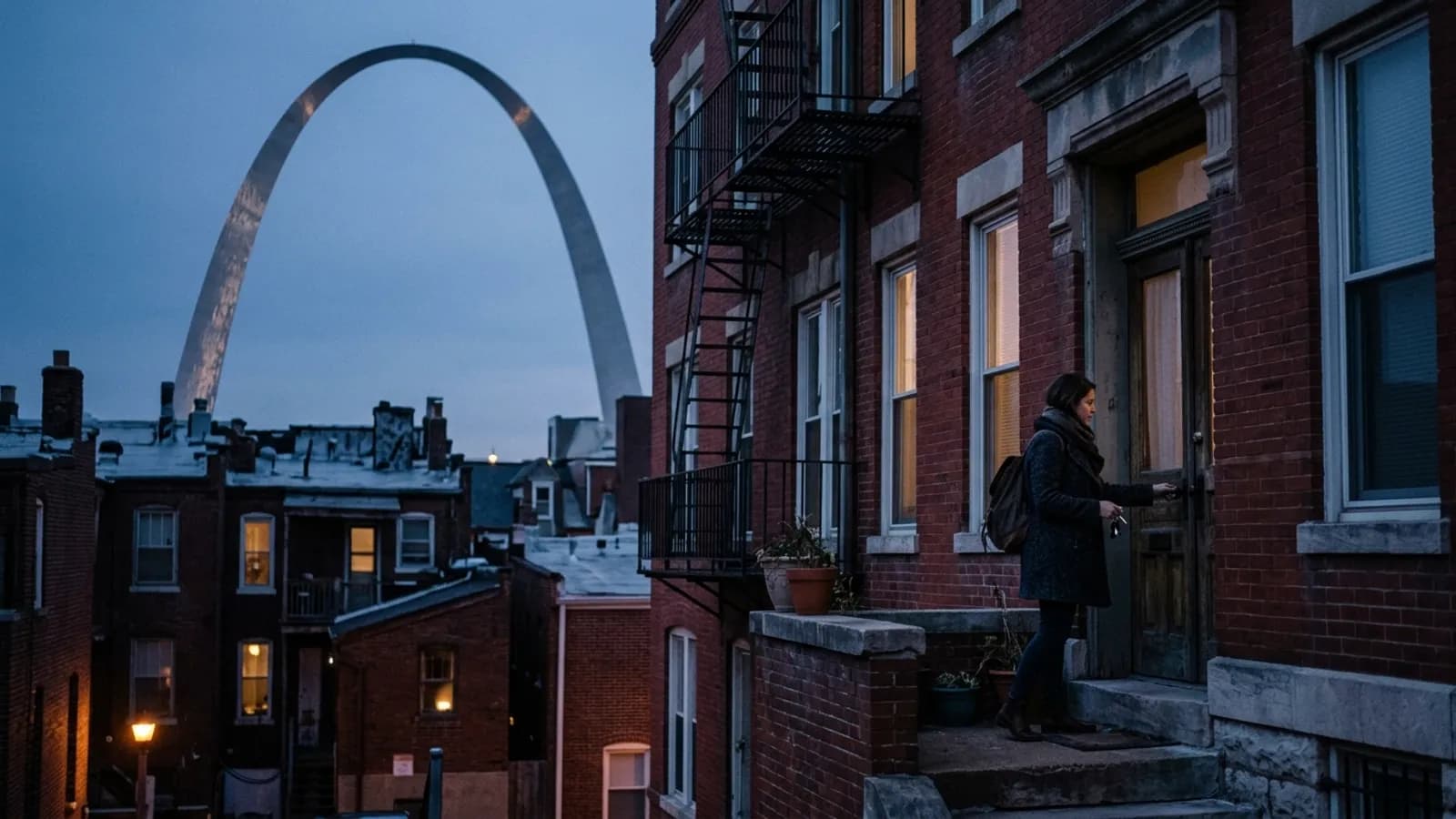
Renters Insurance in St. Louis, MO: Costs and Guide (2026)
Renters insurance in St. Louis costs about $12–$17 per month; what tenants pay, tornado and hail claims after the 2025 tornado, and the river flood exclusion.
Read guide
Renters Insurance in Tampa, FL: Costs and Guide (2026)
Renters insurance in Tampa costs about $15–$23 per month; what tenants pay, hurricane wind versus storm surge coverage, and the flood questions every season raises.
Read guideRenters Insurance in Tennessee: Costs and What to Know (2026)
Renters insurance in Tennessee costs about $12–$18 per month. The Cumberland flood legacy, tornado wind, and the New Madrid fault shape what TN tenants set up.
Read guide
Renters Insurance in Texas: Costs and What to Know (2026)
Renters insurance in Texas costs about $15–$25 per month. DFW hail, the Uri freeze legacy, and Gulf wind-versus-flood shape what Texas tenants should set up.
Read guide
Renters Insurance in Tucson, AZ: Costs and Guide (2026)
Renters insurance in Tucson costs about $12–$17 per month; what tenants pay, monsoon wash flooding that stays excluded, and UArizona-area landlord norms.
Read guide
Renters Insurance in Tulsa, OK: Costs and Guide (2026)
Renters insurance in Tulsa costs about $12–$16 per month; what tenants pay, tornado and hail claims, ice storm damage, and the quake question from the swarm years.
Read guideRenters Insurance in Utah: Costs and What to Know (2026)
Renters insurance in Utah costs about $12–$17 per month. Wasatch Fault quake risk, hard freezes, and snowmelt creeks shape what Utah tenants should set up.
Read guideRenters Insurance in Vermont: Costs and What to Know (2026)
Renters insurance in Vermont costs about $11–$16 per month. River-valley flooding after Irene and 2023, ice storms, and an old stock shape what VT tenants set up.
Read guideRenters Insurance in Virginia: Costs and What to Know (2026)
Renters insurance in Virginia costs about $13–$19 per month. Hampton Roads flooding, hurricane wind, and the SCC's Bureau of Insurance shape what VA tenants set up.
Read guide
Renters Insurance in Washington State: Costs and What to Know (2026)
Renters insurance in Washington costs about $13–$19 per month. Atmospheric rivers, Cascadia quake risk, and smoke seasons shape what WA tenants should set up.
Read guideRenters Insurance in West Virginia: Costs and What to Know (2026)
Renters insurance in West Virginia costs about $12–$17 per month. Hollow and creek flooding, mountain winters, and old stock shape what WV tenants set up.
Read guide
Renters Insurance in Wichita, KS: Costs and Guide (2026)
Renters insurance in Wichita costs about $12–$16 per month; what tenants pay, hail alley contents claims, tornado exposure, and the landlord requirements to expect.
Read guideRenters Insurance in Wisconsin: Costs and What to Know (2026)
Renters insurance in Wisconsin costs about $12–$17 per month. Milwaukee's sewer blowouts, hard freezes, and student turnover shape what WI tenants should set up.
Read guideRenters Insurance in Wyoming: Costs and What to Know (2026)
Renters insurance in Wyoming costs about $12–$17 per month. High-Plains hail and wind, hard freezes, and the Jackson Hole premium shape what WY tenants set up.
Read guide
The 8 Renters Insurance Mistakes That Cost Tenants Money
Eight renters insurance mistakes cost real money: ACV coverage, thin liability, skipped endorsements, unlisted roommates, undisclosed pets, and lapsed renewals.
Read guide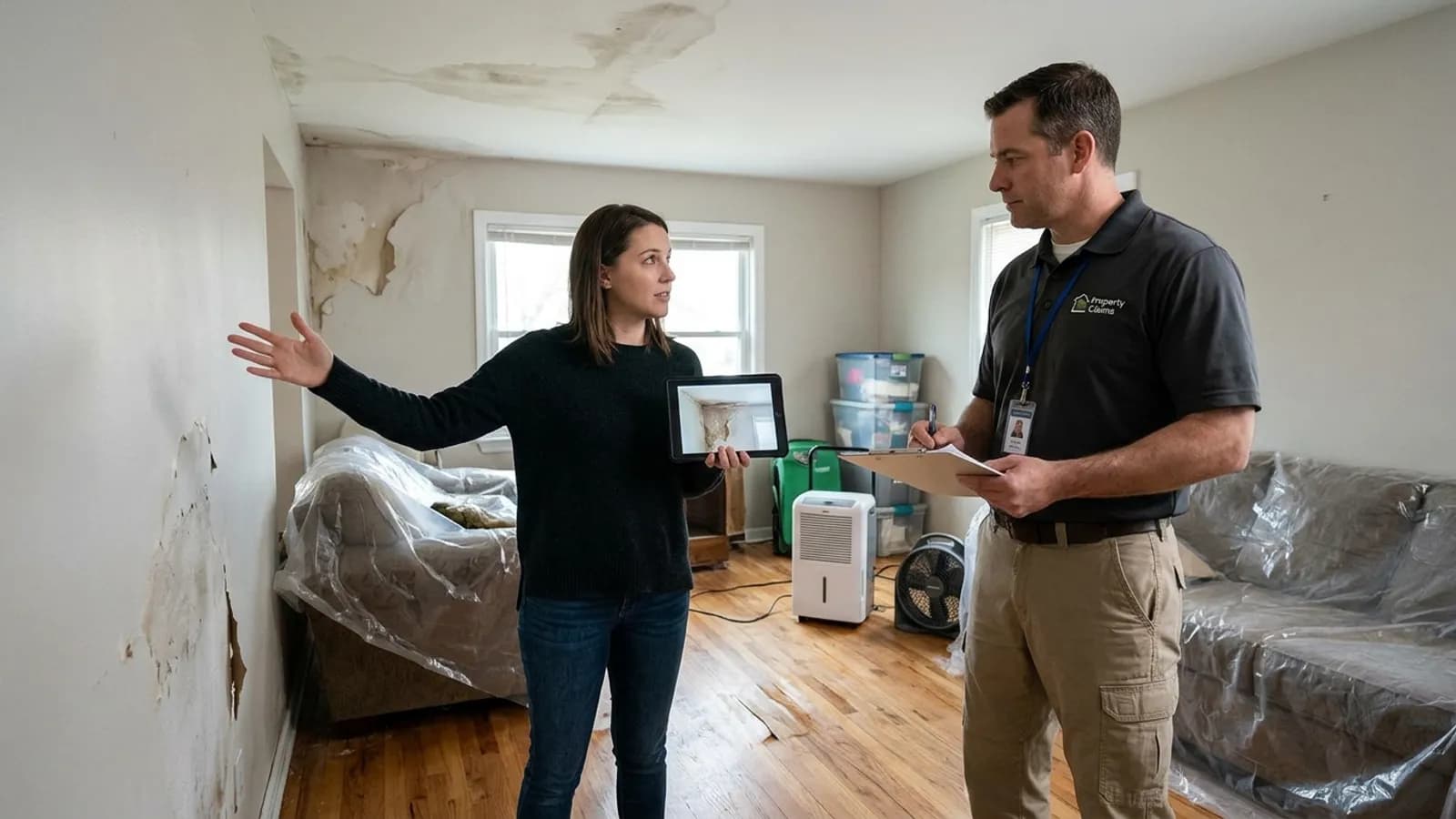
The Renters Insurance Claim Process: From Theft to Reimbursement
Renters claims are won by documentation — police report, photos before cleanup, itemized inventory — and most simple claims pay within one to two weeks.
Read guide
What Is Renters Insurance and How Much Does It Cost?
Renters insurance covers your belongings, liability, and hotel costs when the rental is unlivable, for about $15–$30 per month — what it pays and what it excludes.
Read guideRenters insurance is a package policy for tenants — belongings, liability, and hotel costs when the rental becomes unlivable — and it costs about $15–$30 per month, making it the cheapest full policy most people will ever own. The guides below cover what it pays, what it skips, what landlords require, and how to buy it without overpaying.
What renters insurance covers (and what it never covers)
The policy pays on three fronts. Personal property covers belongings against the named perils: theft, fire, smoke, vandalism, and sudden water damage from burst pipes. Liability covers injuries and damage you are responsible for, on or off the premises — a guest's fall on your stairs, your candle damaging the unit next door. Loss of use covers the hotel and meals while repairs run, typically at 20% of the property limit.
Valuation is the upgrade that matters at claim time: replacement cost pays today's price for a new equivalent, while actual cash value pays the depreciated garage-sale figure — the difference on a six-year-old TV is most of its price. The never-covered list mirrors homeowners: flood and earthquake ride outside the policy, sewer backup needs an endorsement, roommates need their own policies, and jewelry or bikes above the sub-limit need scheduling.
What renters insurance costs
Renters premiums quote per month:
| Profile | Typical cost |
|---|---|
| National band | $15–$30 per month |
| NAIC national average | |
| Lowest-cost states (IA, ME, NH, VT) | $11–$16 per month |
| High-band states (TX, FL, GA) | $14–$25 per month |
| New York City | $18–$28 per month |
State, city, limits, and the deductible set the price — a $20,000-to-$30,000 property bump costs $2–$4 per month, and $300,000 of liability costs little more than $100,000. Bundling with an auto policy earns a bundle discount that often trims both policies, and the state and city guides below carry the local bands.
How to use this guide set
- Signing a first lease → First Apartment Insurance Checklist (20 Minutes to Covered) runs the limits, endorsements, and landlord proof in one sitting.
- Recovering after a theft or fire → The Renters Insurance Claim Process: From Theft to Reimbursement walks the documentation and payout sequence.
- Correcting costly mistakes → The 8 Renters Insurance Mistakes That Cost Tenants Money lists the errors — ACV valuation, thin liability, unscheduled valuables — that surface at claim time.
The renters insurance cluster, mapped
Start here
- What Is Renters Insurance and How Much Does It Cost? — the full product walkthrough with the cost band.
- How to Choose the Best Renters Insurance Company (No Sponsored Rankings) — carrier screens beyond the sticker price.
- Renters Insurance for Students: Dorms, Off-Campus, and the Fine Print — what the dorm exception covers and what it does not.
State guides
State guides carry the local cost band, the regional perils, and the landlord-requirement details:
-
Renters Insurance in California: Costs and What to Know (2026)
-
Renters Insurance in New York: Costs and What to Know (2026)
-
Renters Insurance in Pennsylvania: Costs and What to Know (2026)
-
Renters Insurance in Illinois: Costs and What to Know (2026)
-
Renters Insurance in Arkansas: Costs and What to Know (2026)
-
Renters Insurance in Connecticut: Costs and What to Know (2026)
-
Renters Insurance in District of Columbia: Costs and What to Know (2026)
-
Renters Insurance in Delaware: Costs and What to Know (2026)
-
Renters Insurance in Kentucky: Costs and What to Know (2026)
-
Renters Insurance in Louisiana: Costs and What to Know (2026)
-
Renters Insurance in Massachusetts: Costs and What to Know (2026)
-
Renters Insurance in Maryland: Costs and What to Know (2026)
-
Renters Insurance in Minnesota: Costs and What to Know (2026)
-
Renters Insurance in Missouri: Costs and What to Know (2026)
-
Renters Insurance in Mississippi: Costs and What to Know (2026)
-
Renters Insurance in North Dakota: Costs and What to Know (2026)
-
Renters Insurance in Nebraska: Costs and What to Know (2026)
-
Renters Insurance in New Hampshire: Costs and What to Know (2026)
-
Renters Insurance in New Mexico: Costs and What to Know (2026)
-
Renters Insurance in Oklahoma: Costs and What to Know (2026)
-
Renters Insurance in Rhode Island: Costs and What to Know (2026)
-
Renters Insurance in South Carolina: Costs and What to Know (2026)
-
Renters Insurance in South Dakota: Costs and What to Know (2026)
-
Renters Insurance in Tennessee: Costs and What to Know (2026)
-
Renters Insurance in Virginia: Costs and What to Know (2026)
-
Renters Insurance in Wisconsin: Costs and What to Know (2026)
-
Renters Insurance in West Virginia: Costs and What to Know (2026)
City guides
City guides price the metro: theft rates, building stock, and the liability limits local landlords ask for:
- Renters Insurance in New York City, NY: Costs and Guide (2026)
- Renters Insurance in Los Angeles, CA: Costs and Guide (2026)
- Renters Insurance in Chicago, IL: Costs and Guide (2026)
- Renters Insurance in Houston, TX: Costs and Guide (2026)
Coverage questions
- Does Renters Insurance Cover Dog Bites? — liability for pets, and the breed exclusions.
- Does Renters Insurance Cover Water Damage? — burst pipes covered, rising water not.
- Does Renters Insurance Cover Jewelry? — the $1,000–$2,000 sub-limit and the scheduling fix.
- Does Renters Insurance Cover Bedbugs? — why infestations land on the tenant, not the policy.
- Does Renters Insurance Cover Airbnb Stays? — the home-sharing question and the endorsement answer.
- Does Renters Insurance Cover Drones? — aircraft exclusions and the photography-drone rider.
- Does Renters Insurance Cover Identity Theft? — the identity-theft coverage most policies now include.
The landlord requirement, decoded
A landlord who requires renters insurance is shifting tenant-caused risk — fires, overflow damage, injury claims — off the building's policy. The lease names a minimum, usually $100,000 of liability, and may list the landlord as an interested party so cancellation triggers notice; the arrangement is standard in most states and costs the tenant nothing beyond the policy itself. Set the liability limit to the lease number, keep proof of coverage with the lease file, and the requirement is satisfied for the life of the tenancy.
How to get covered in 20 minutes
- Inventory the belongings — a phone video per room is enough; the footage sets the property limit and becomes claim evidence.
- Choose the structure — replacement-cost valuation, $500 deductible, $100,000 liability as the default starting point.
- Match the lease — raise liability to the number the landlord names; $300,000 costs a dollar or two per month more.
- Quote three carriers and one bundle — same limits on every quote, so the comparison is real.
- Read the sub-limits page — schedule anything above the jewelry, camera, or bike caps, then send proof of coverage to the landlord.
What the policy never pays
Flood and earthquake top every exclusion list, and both need separate coverage the same way homeowners policies do. Sewer and drain backup rides outside the base policy until endorsed. Pest damage, mold, and wear-and-tear are maintenance, not insurable events. Each roommate needs a named policy — coverage follows the named insured, not the address. And belongings above the built-in sub-limits, typically $1,000–$2,000 for jewelry, cameras, and bikes, pay only up to the cap unless they are scheduled onto the policy item by item.
One asymmetry saves most first-time buyers from a bad surprise: the deductible is small by design, commonly $250–$500, and it applies per claim rather than per year. Filing three small claims in a policy term costs three deductibles and a claims history that follows the tenant between insurers, so the arithmetic favors absorbing genuinely small losses and reserving the policy for the fires, thefts, and pipe bursts it exists to pay.
Related guides
Renters coverage shares its mechanics and its bundle with the neighboring product lines: the homeowners policy that covers the building side of the same fire, the auto policy that discounts it, and the pet and business coverage that plug the gaps a tenant policy names.
- Home Insurance: The Complete Guide — the owner-side policy for the structure, with costs quoted per year.
- Car Insurance: The Complete Guide — the bundle partner that trims both premiums 5–25%.
- Pet Insurance: The Complete Guide — vet-bill coverage alongside the pet-damage liability in your policy.
- Business Insurance: The Complete Guide — general liability for the side business a renters policy excludes.
Sources
Frequently asked questions
What does renters insurance cover?
A standard renters policy pays three ways: personal property against theft, fire, smoke, vandalism, and sudden water damage; personal liability for injuries and damage you cause to others; and loss of use — hotel and meal costs while the unit is unlivable after a covered loss. Flood and earthquake are excluded and require separate coverage, same as homeowners policies.
How much is renters insurance per month?
About $15–$30 per month nationally for a standard policy with $20,000–$30,000 of property coverage and $100,000 of liability; the NAIC average sits near $15 per month (about $179 per year). State, city, coverage limits, and the deductible move the band, and raising liability from $100,000 to $300,000 typically adds only a few dollars per month.
Do I need renters insurance?
No state law requires it, but landlords in most states can — and increasingly do — write a minimum into the lease, commonly $100,000 of liability with proof at signing. Even where no lease demands it, one fire or pipe burst replaces every belonging at tenant expense, which is why a policy at $15–$30 per month is the cheapest cover most renters buy.
Does my landlord's insurance cover my belongings?
No. The landlord's policy covers the building structure and the landlord's own liability — it pays nothing toward tenants' furniture, electronics, clothing, or temporary housing after a loss. If a fire destroys the building, every tenant without a renters policy replaces their own belongings and covers their own hotel, which is the gap the tenant policy exists to fill.
How much renters insurance do I need?
Size the property limit from an inventory — a phone video per room is enough — and most apartments land at $20,000–$30,000. Choose replacement-cost valuation over actual cash value, set loss of use at the default 20% of property coverage, and raise liability to $300,000 where the building's lease asks for it; the upgrade costs a few dollars per month.
When should I buy renters insurance?
Buy before move-in day. Leases that require coverage demand proof at or before signing, and the policy's property coverage begins the day it binds — a lease signed Tuesday with a Thursday move-in needs a policy in force before the truck arrives. Coverage can also start same-day when quoted online, so the buy takes minutes, not weeks.
How we researched this guide
Renters coverage is small and simple, but landlord requirements and state rules vary — so we verify both sides of the lease.
- What HO-4 policies cover (and the liability and loss-of-use mechanics) is verified against standard policy forms and DOI consumer guides.
- Landlord-side insurance requirements are framed against HUD tenant-rights resources, since required coverage limits appear in lease terms, not statutes.
- Cost figures are ranges by state and coverage limit, anchored to NAIC statistics.
- Disaster-aid expectations are set from FEMA guidance: federal assistance is not a replacement for coverage, and we explain exactly what it does pay.
Where facts vary by state or insurer, we publish the range and the reason for the variation rather than a single misleading average. We do not sell insurance, take money from insurers for coverage, or publish claim amounts we cannot trace to a source.
Sources
The primary sources behind the facts on this page. Last verified November 17, 2026.
- HUD — tenant rights and responsibilities — state landlord-tenant rules that affect liability requirements.
- FEMA — renters and disaster assistance — what federal disaster aid does and does not cover for tenants.
- NAIC — National Association of Insurance Commissioners — model regulations, consumer guides, and industry statistics.
- Find your state insurance regulator (NAIC directory) — every state insurance department — the authority for your state's rules and complaint filing.
- Insurance Information Institute (III) — industry statistics and consumer explainers we cross-check against regulator publications.
Rules that vary by state are verified against the state insurance department's consumer pages — find yours via the NAIC directory above.