
Does Renters Insurance Cover Mold?
Sometimes — mold is claimable when a covered sudden peril caused the water — a burst pipe, not humidity, neglect, or long-term leaks.
Why you can trust this guide
- Written by Daniel Reyes, AINS, former licensed P&C agent — independent insurance education publisher.
- Factual accuracy reviewed and signed off by Marcus Hale, CPCU, AINS, licensed P&C agent (Independent insurance reviewer).
- Every factual claim traces to a regulator, statute, or policy document — sources are listed at the bottom of the page.
- Last verified ; time-sensitive guides are re-checked at least twice a year. Read our editorial policy.
On this page
Sometimes — renters insurance covers mold only when a covered sudden peril caused the water. Mold after a burst pipe is claimable at most carriers; mold from humidity, neglect, or long-term leaks is a maintenance exclusion.
The sudden-versus-gradual line
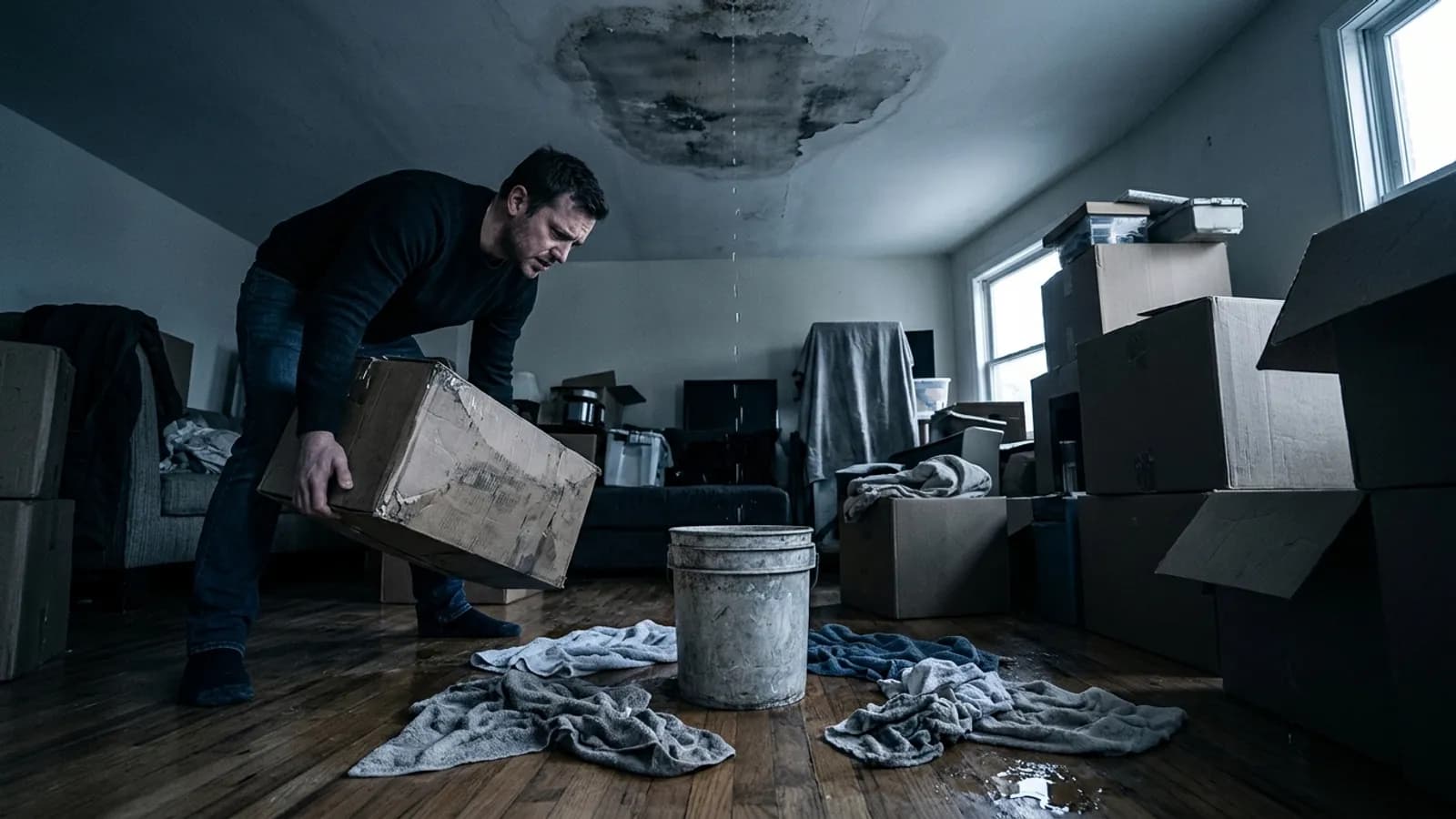
Mold claims turn on one distinction: what caused the water. A supply line that bursts on a Tuesday and soaks a wall is sudden and accidental — the resulting mold remediation for your belongings is claimable at most carriers. A slow leak under a sink that has been weeping for months, condensation on poorly insulated walls, or humidity that never got addressed is gradual damage, excluded by the standard wording alongside the rest of the exclusion list.
The insurer decides the category from the evidence: plumber reports, moisture readings, the age of staining. That is why reporting any leak immediately — in writing, to the landlord — is both a lease duty and claim insurance. A leak documented as new defends the sudden classification; an unreported stain tells the gradual story for you. The full water-coverage table lives in the water damage question.
The mold cap on covered claims
Even when the water event is covered, many forms cap mold remediation specifically — $5,000–$10,000 is the common band — or exclude mold and sell a limited buy-back endorsement. The cap matters on large losses: a burst pipe that floods a room and grows mold inside the wall can produce a remediation bill above the cap, with the excess self-funded. Read the mold wording on your form before assuming the covered-pipe claim covers the cleanup that follows it.
The landlord's habitability duty
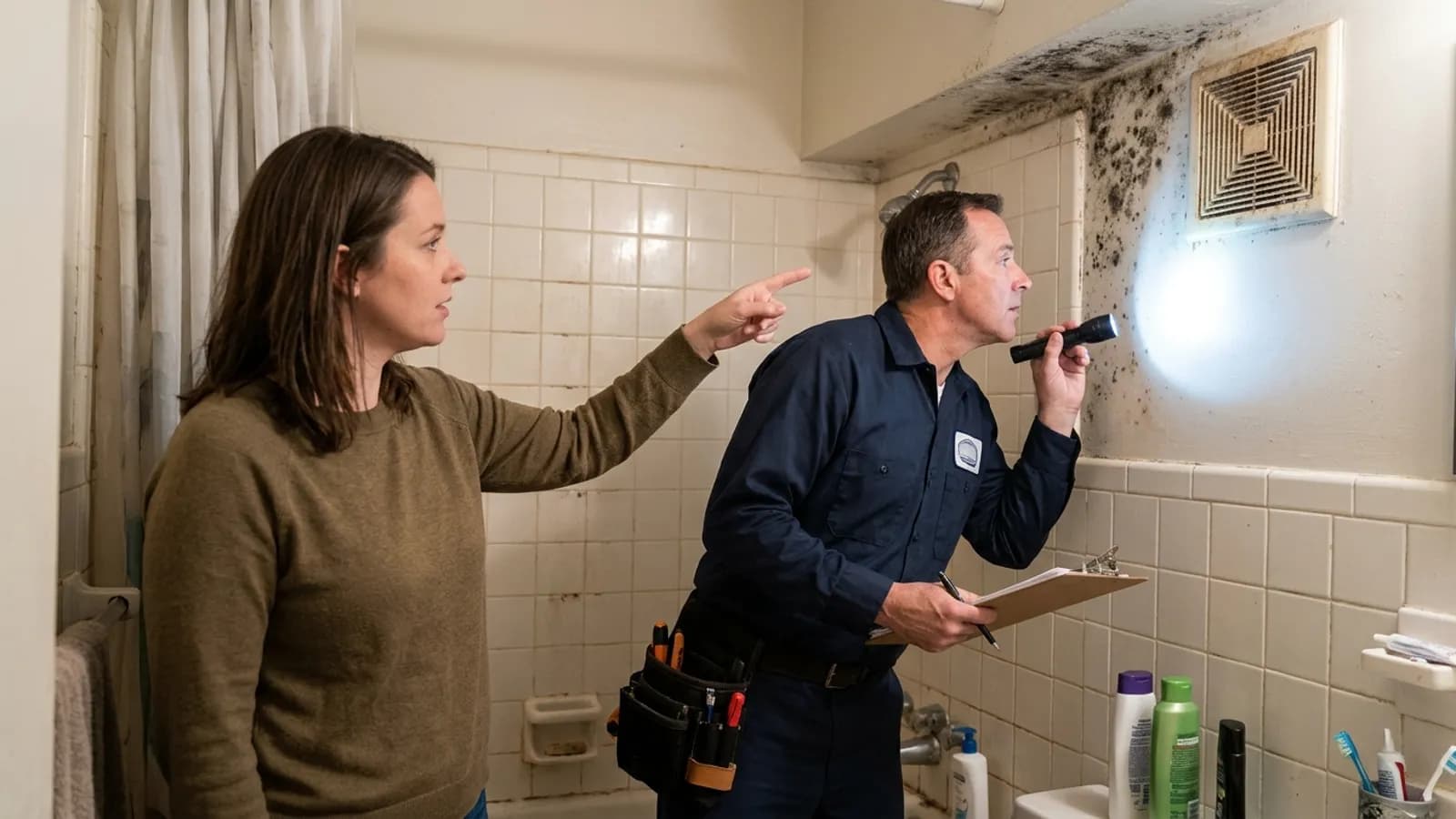
Building-origin mold — inside walls, under floors, from roof or plumbing failures — is a maintenance problem that belongs to the landlord in virtually every jurisdiction, because it is a habitability issue rather than a tenant-belongings problem. The landlord's own policy covers the structure; the renters policy covers only what the tenant owns.
The tenant's side of the duty is narrow but consequential: report water intrusion and visible mold promptly and in writing, provide access for repairs, and run ventilation in moisture-prone rooms. A written report with photos dates the problem and starts the landlord's repair clock; a verbal complaint dates nothing. When a landlord ignores documented reports, local housing or health departments take mold complaints, and the paper trail is what turns a neglected report into an enforcement case.
What to do when belongings mold over
Contents mold is claimable only when a covered peril caused the water, so the first act is photographing the cause, not the cleanup.
- Photograph the water source and the mold pattern on every affected item before touching anything.
- Dispose of nothing before photos exist — adjusters price from documentation, not description.
- Save disposal receipts and any professional remediation invoices; they are claimable as mitigation costs when the water event is covered.
- Send the plumber's written cause note to the adjuster with the claim.
Items with no covered-water cause — damp-closet mildew, humidity damage — have no claim path; their fix is environmental, and their cost is the household's. The claim process page covers how documentation converts into payment once the peril qualifies.
The claim scenarios, mapped
| Mold source | Standard policy | Notes |
|---|---|---|
| Mold after a burst supply line | Commonly covered, subject to any mold cap | Sudden and accidental water event |
| Mold after storm rain through a damaged window | Commonly covered | Wind-created opening is the covered entry |
| Mold after a slow sink or shower leak | Excluded | Gradual damage, maintenance lane |
| Mold from chronic humidity or condensation | Excluded | Environmental cause, not a peril |
| Mold inside walls from building plumbing | Landlord's responsibility | Structure and habitability, not tenant contents |
The table's takeaway: the mold follows the water, and the water follows the sudden-versus-gradual rule. The scenarios that pay are the ones where a covered peril can be photographed and dated; the ones that fail are the ones where the moisture was always there.
Related guides
Mold claims sit next to the water and responsibility questions:
- The 8 Renters Insurance Mistakes That Cost Tenants Money — unreported leaks are the slow-motion version of mistake number four.
- What Is Renters Insurance and How Much Does It Cost? — what the policy does cover, for $15–$30 per month.
- Does Renters Insurance Cover Fires? — the other sudden-peril claim where documentation timing decides the payout.
- Direct vs Indirect Loss — the principle that makes gradual damage a separate lane.
Sources
Frequently asked questions
Does renters insurance cover mold after a slow leak?
Typically no. Gradual seepage and long-term leaks are maintenance exclusions. Mold following a sudden burst pipe is claimable at most carriers — the sudden-versus-gradual classification decides it, and the plumber's written cause note is the evidence that settles it. Report every leak in writing the day you find it.
Is black mold covered by renters insurance?
Only when it traces to a covered sudden peril, and many policies cap mold remediation specifically at $5,000–$10,000 or exclude it outright. Black mold from chronic humidity or unresolved leaks is a maintenance issue — the landlord's and tenant's responsibility, not the policy's.
Who pays for mold in a rental — tenant or landlord?
Structural mold and mold from building defects are the landlord's responsibility as a habitability matter; mold from tenant behavior — unventilated bathrooms, ignored leaks — falls to the tenant. Documentation of when the moisture started decides most disputes, which is why immediate written reporting matters.
Does renters insurance cover mold on my belongings?
Belongings damaged by mold from a covered water loss are claimable up to your property limit, subject to any mold cap on the form. Mold on items from ambient humidity, storage practices, or long-term leaks is excluded — contents follow the same sudden-peril logic as the structure.
Is mold testing covered?
Rarely as a standalone benefit. Testing costs may be folded into a covered water-damage claim's mitigation, but routine testing to check air quality is out of pocket. Ask the adjuster before commissioning tests so the costs land inside a covered claim.
How we researched this guide
Renters coverage is small and simple, but landlord requirements and state rules vary — so we verify both sides of the lease.
- What HO-4 policies cover (and the liability and loss-of-use mechanics) is verified against standard policy forms and DOI consumer guides.
- Landlord-side insurance requirements are framed against HUD tenant-rights resources, since required coverage limits appear in lease terms, not statutes.
- Cost figures are ranges by state and coverage limit, anchored to NAIC statistics.
- Disaster-aid expectations are set from FEMA guidance: federal assistance is not a replacement for coverage, and we explain exactly what it does pay.
Where facts vary by state or insurer, we publish the range and the reason for the variation rather than a single misleading average. We do not sell insurance, take money from insurers for coverage, or publish claim amounts we cannot trace to a source.
Sources
The primary sources behind the facts on this page. Last verified November 10, 2026.
- HUD — tenant rights and responsibilities — state landlord-tenant rules that affect liability requirements.
- FEMA — renters and disaster assistance — what federal disaster aid does and does not cover for tenants.
- NAIC — National Association of Insurance Commissioners — model regulations, consumer guides, and industry statistics.
- Find your state insurance regulator (NAIC directory) — every state insurance department — the authority for your state's rules and complaint filing.
- Insurance Information Institute (III) — industry statistics and consumer explainers we cross-check against regulator publications.
Rules that vary by state are verified against the state insurance department's consumer pages — find yours via the NAIC directory above.
Keep reading
Does Renters Insurance Cover Water Damage?
Yes for sudden water damage — burst pipes and appliance failures qualify; gradual leaks, sewer backup, and rising floodwater are the excluded lanes.
Read guide
The 8 Renters Insurance Mistakes That Cost Tenants Money
Eight renters insurance mistakes cost real money: ACV coverage, thin liability, skipped endorsements, unlisted roommates, undisclosed pets, and lapsed renewals.
Read guide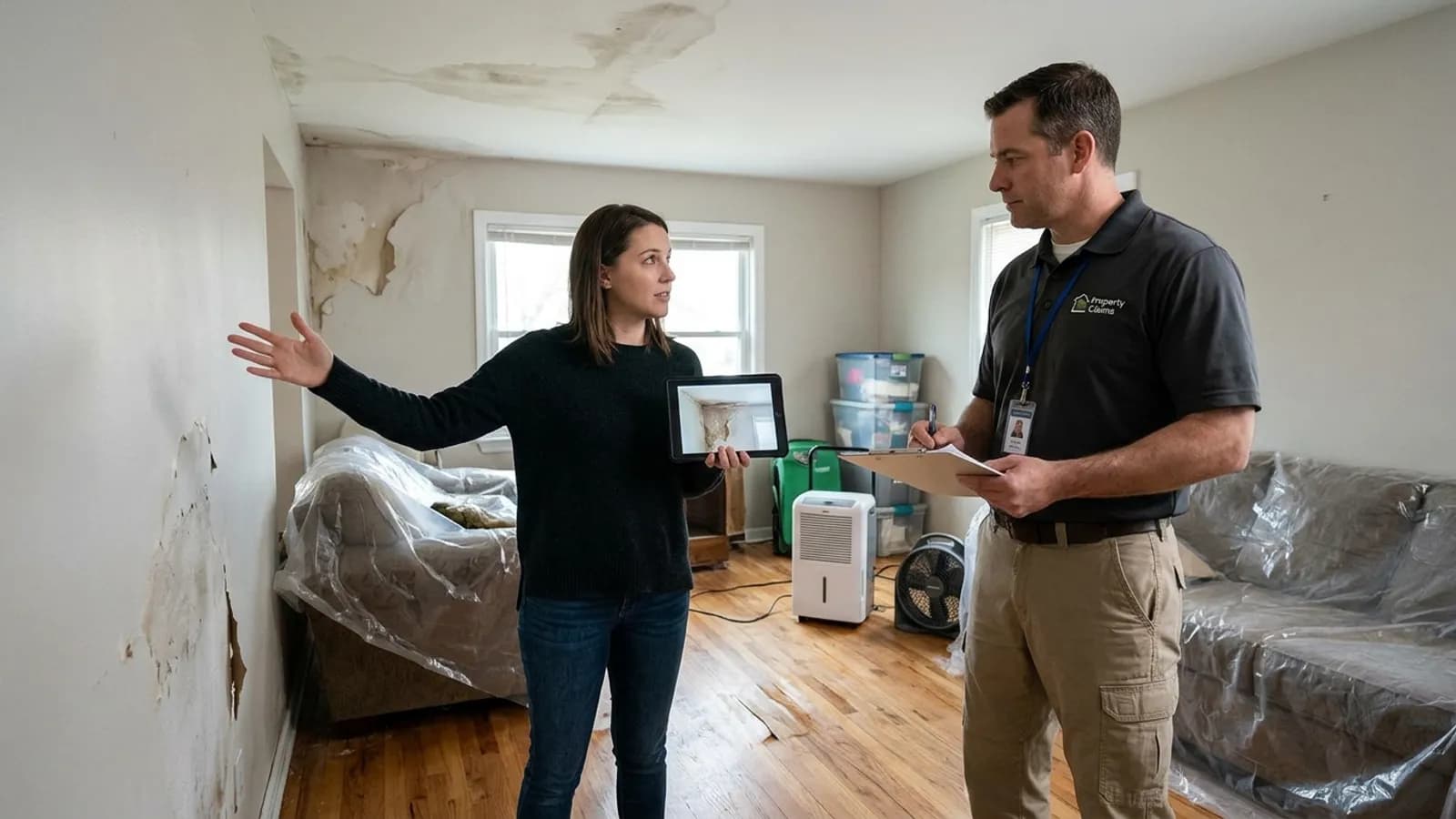
The Renters Insurance Claim Process: From Theft to Reimbursement
Renters claims are won by documentation — police report, photos before cleanup, itemized inventory — and most simple claims pay within one to two weeks.
Read guideWhat Is an Exclusion in Insurance?
An exclusion is a peril, property type, or situation a policy does not cover — floods, earthquakes, wear and tear — marking exactly where your protection ends.
Read guideWhat Is a Landlord (DP-3) Policy?
A landlord policy (typically DP-3) covers a tenant-occupied property — structure, your liability, and lost rent — for 15–25% more than owner-occupied coverage.
Read guide