
Dental & Vision Insurance: The Complete Guide
Dental and vision insurance explained: PPO and DHMO plan types, the 100/80/50 coverage tiers, annual maximums, waiting periods, and the worth-it math.
6 in-depth guides
Why you can trust this guide
- Written by Amara Bennett, Former ACA enrollment counselor — independent insurance education publisher.
- Factual accuracy reviewed and signed off by Marcus Hale, CPCU, AINS, licensed P&C agent (Independent insurance reviewer).
- Every factual claim traces to a regulator, statute, or policy document — sources are listed at the bottom of the page.
- Last verified ; time-sensitive guides are re-checked at least twice a year. Read our editorial policy.

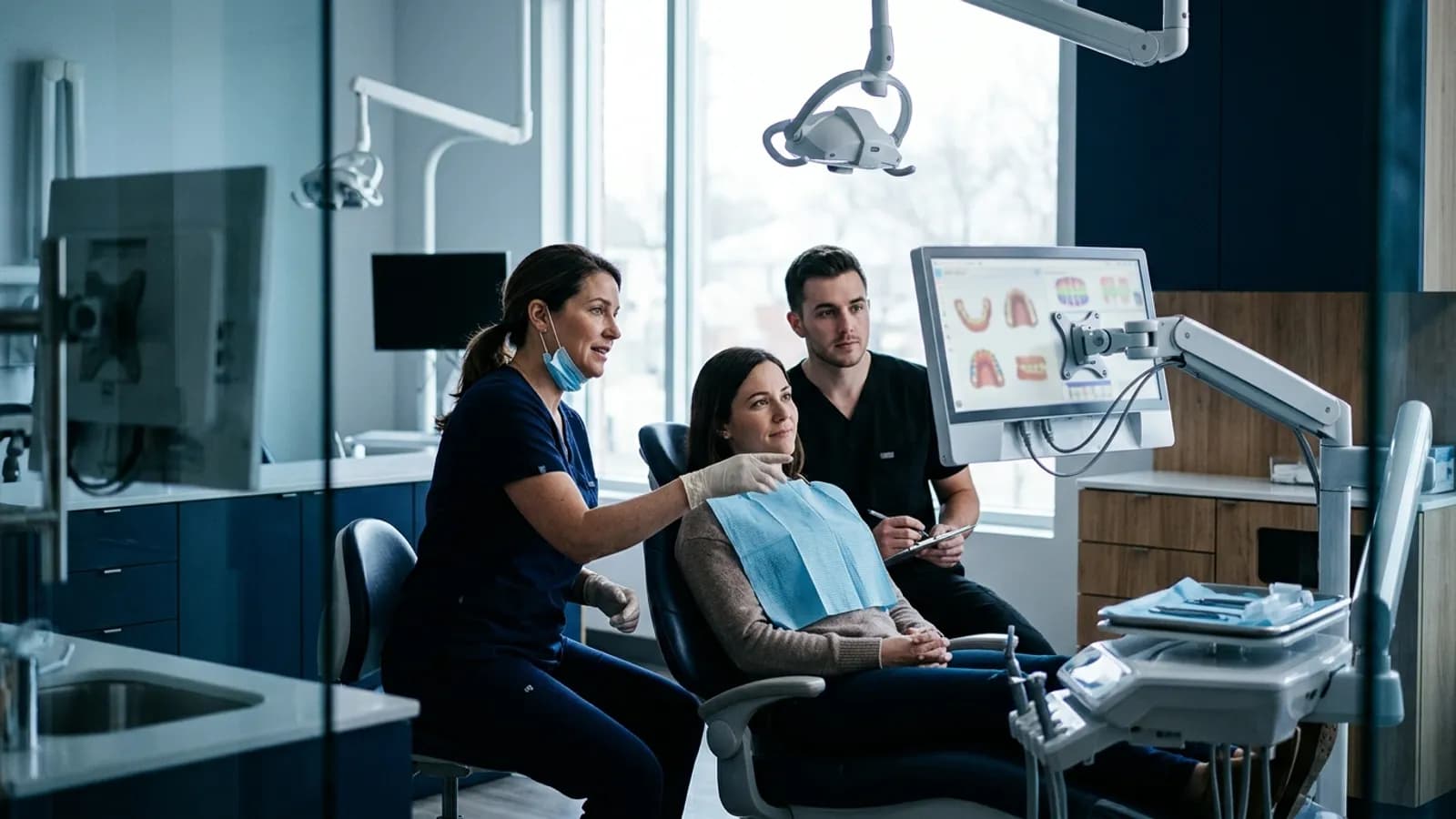
Dental Insurance Providers and Plan Types: How to Compare Them
Compare dental providers and plan types — PPO vs DHMO networks, annual maximums, waiting periods, coverage tiers — and the red flags in cheap plans.
Read guide
Dental Insurance vs Dental Discount Plans
Dental insurance pays 100/80/50 tiers up to a $1,000–$2,000 annual maximum with waiting periods; discount plans sell negotiated discounts with no maximums.
Read guide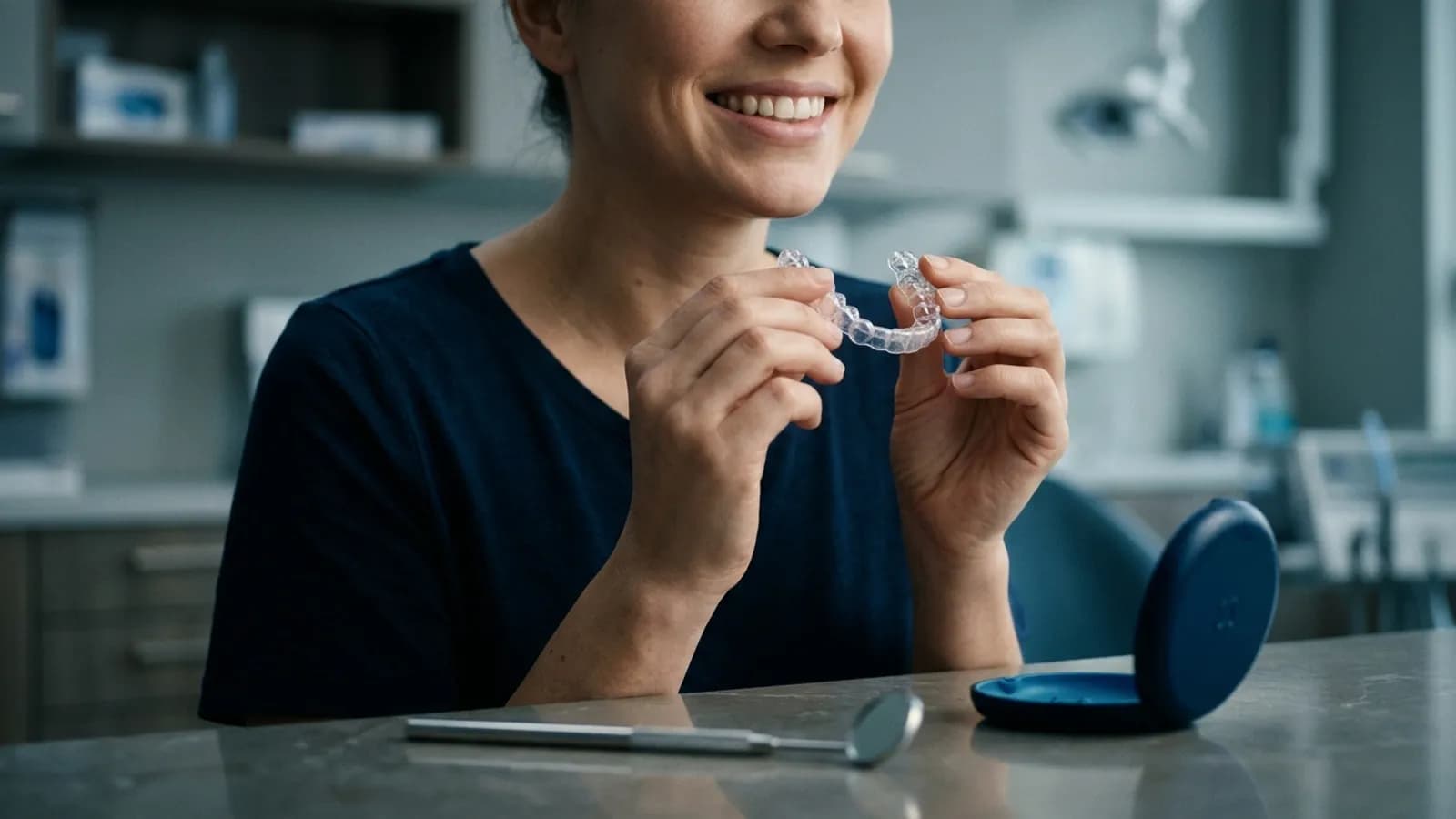
Does Dental Insurance Cover Invisalign and Braces?
Dental insurance rarely covers adult Invisalign; pediatric orthodontia caps at $1,000–$3,000 lifetime — FSAs, payment plans, and ortho riders pay for clear aligners.
Read guide
How Much Is Dental Insurance? Costs by Plan Type
Dental insurance costs $35–$70 per month for a PPO and $15–$30 for a DHMO — the worth-it math is your expected dental work against premium plus deductible.
Read guide
How to Choose the Best Dental Insurance (No Sponsored Rankings)
Compare dental plans on four numbers — networks, annual maximum, waiting periods, and coverage tiers — and pick the PPO or DHMO plan type before comparing brands.
Read guide
Vision Insurance: What It Covers and Whether the Math Works
Vision insurance covers an annual eye exam plus $100–$200 frame and lens allowances for $10–$25 per month — what plans cover and when paying cash beats the plan.
Read guideDental insurance is prepaid preventive care plus partial treatment coverage — $35–$70 per month for an individual PPO that pays 100% of cleanings, 80% of basic work, and 50% of major work, capped by a $1,000–$2,000 annual maximum.
What dental insurance covers (and what it never covers)
The classic PPO pays in three coinsurance tiers:
| Tier | Examples | Typical coverage |
|---|---|---|
| Preventive | Two cleanings per year, exams, X-rays | 100%, usually no deductible |
| Basic | Fillings, extractions, root canals | ~80% after deductible |
| Major | Crowns, bridges, dentures | ~50% after deductible |
| Orthodontia | Braces, Invisalign | Often excluded for adults; limited benefit for kids |
Two numbers cap everything. The annual maximum — commonly $1,000–$2,000 — is the most the plan pays in a policy year, and one crown plus one root canal can consume it. The deductible (commonly $50–$150, often waived for preventive) applies to basic and major work. Then come the exclusions: adult orthodontia, cosmetic dentistry, and — on individual plans — anything treated during a 6–12 month waiting period for basic work or 12+ months for major work.
What dental insurance costs
Monthly premiums by plan type:
| Plan type | Individual per month |
|---|---|
| Dental PPO | $35–$70 |
| DHMO (prepaid, locked network) | $15–$30 |
| Employer group | $20–$50 (often shared, no waiting periods) |
| Discount plan (not insurance) | $10–$20 |
| Senior plans | $25–$60 |
| Family coverage | ~2–2.5× the individual premium |
PPO versus DHMO is the structural fork, and the two products price differently on purpose:
| Dental PPO | DHMO (prepaid) | |
|---|---|---|
| Network | Large; out-of-network reimbursed at reduced rates | Locked network only |
| Cost structure | Deductible + coinsurance tiers | Fixed copays per service |
| Payout cap | $1,000–$2,000 annual maximum | No annual maximum |
| Waiting periods (individual) | 6–12+ months | Often none |
| Best for | Choice of dentist; mixed needs | Predictable budgets; basic needs |
Waiting periods have escape routes worth knowing: employer group plans waive them entirely, some DHMOs impose none, and a few no-waiting-period PPOs trade lower maximums for instant access. Two family-level checks: confirm whether the plan caps each member individually or shares one family maximum, and read senior plans closely for denture limits. When an employer offers a group plan, it is usually the better product outright — shared premium, no waits, richer maximums than the individual market.
The worth-it math is your expected work against premium plus deductible. Two cleanings and two fillings in a year roughly break even or win; a preventive-only year loses the premium but keeps the free cleanings; major work beyond the annual maximum is where dental insurance stops helping. The full math by scenario lives in How Much Is Dental Insurance? Costs by Plan Type.
The annual-maximum reality
$1,000–$2,000 sounded like more in 1980, and the maximums have barely moved since — dental costs multiplied while the caps stayed flat. One crown plus one root canal can consume a full policy year. Three practical responses follow from that arithmetic. Spread major work across calendar years where clinically acceptable: a crown in December and an implant in January can draw on two maximums instead of one. For work that exceeds any plan — implants and full-mouth reconstruction at $15,000–$30,000 — compare the non-insurance routes: in-house membership plans at private offices ($300–$500 per year covering cleanings plus 10–20% off work), dental schools (30–50% off under supervision), HSA/FSA dollars, and cash-negotiated discounts for prompt self-pay. And weigh the preventive anchor honestly: two cleanings, two exams, and annual X-rays are worth roughly $300–$450 at private-practice prices, covered at 100% — so a $25–$40 per month plan buys back most of its own premium in preventive value before any treatment coverage enters the math.
Vision insurance, decoded
Vision plans are prepaid exam-plus-materials allowances, at $10–$25 per month individual:
| Benefit | Typical value |
|---|---|
| Annual eye exam | $0–$15 copay |
| Eyeglasses (frames + lenses) | $100–$200 allowance |
| Contact lenses | $100–$150 allowance in lieu of glasses |
| Lens options (progressives, anti-glare) | Discounted, not fully covered |
| LASIK | Discount network, roughly 10–15% off |
An exam plus a pair of retail glasses runs $400–$550 per year, so the plan roughly breaks even and tips positive with premium frames or progressives. The boundary that matters: eye diseases — glaucoma, diabetic retinopathy, injury — bill to your health insurance, not the vision plan. Vision Insurance: What It Covers and Whether the Math Works separates the routine from the medical.
How to use this guide set
- Plan type first. PPO versus DHMO versus employer versus discount decides everything downstream — networks, waiting periods, and how predictable your costs are. The providers guide in the map below compares them, and Dental Insurance vs Dental Discount Plans prices the non-insurance alternative honestly.
- Timing major work. Individual plans make you wait 6–12 months for basic work and longer for major; plan a crown year around the calendar, or take the employer plan that skips the waits.
- Braces and Invisalign. Does Dental Insurance Cover Invisalign and Braces? covers the pediatric lifetime maximums, the adult exclusions, and the FSA, membership, and payment-plan routes that actually pay for aligners.
- No insurance at all. In-house membership plans ($300–$500 per year), dental schools (30–50% off), HSA/FSA dollars, and cash negotiation are the four routes that compete with a policy for healthy mouths.
The dental & vision cluster, mapped
The card grid above lists every page in this cluster. These are the entry points:
Start here
- Dental Insurance Providers and Plan Types: How to Compare Them — PPO versus DHMO networks, maximums, and the red flags in cheap plans.
- How to Choose the Best Dental Insurance (No Sponsored Rankings) — the four numbers that decide a plan before any brand does.
Related guides
Dental and vision sit between major medical and the fixed-cash products: employer benefits usually anchor them, and the same enrollment calendar and cost-sharing logic run through both.
- Health Insurance: The Complete Guide — why medical conditions bill to health plans, where pediatric dental fits the ACA, and the enrollment windows.
- Supplemental Insurance: The Complete Guide — the fixed-cash products that pair with high-deductible medical plans.
- What Is an Out-of-Pocket Maximum? — how medical's annual cap differs from dental's $1,000–$2,000 maximum.
- What Is an Insurance Premium? — the monthly cost concept behind every quote in this cluster.
Sources
Frequently asked questions
What does dental insurance cover?
Most dental PPO plans follow a 100-80-50 structure: 100% of preventive care (two cleanings, exams, X-rays), about 80% of basic procedures (fillings, extractions, root canals), and about 50% of major work (crowns, bridges, dentures) — up to an annual maximum, commonly $1,000–$2,000. Orthodontia is usually a separate benefit, often limited to dependents under 19, and adult braces or Invisalign are frequently excluded.
How much is dental insurance per month?
Individual dental PPO plans commonly run $35–$70 per month and DHMO prepaid plans $15–$30. Employer group plans cost $20–$50 per month (often shared with the employer) and skip the waiting periods individual plans impose. Discount plans run $10–$20 per month but are not insurance, and family coverage prices at roughly 2–2.5 times the individual premium.
Is dental insurance worth it?
A $35–$70 per month plan buys two $0 cleanings plus 80% of basic work and 50% of major work up to the annual maximum. One crown or two fillings a year breaks even or wins; a preventive-only year loses the premium but keeps the free cleanings. For $15,000+ of major work, the $1,000–$2,000 maximum caps out — membership plans, dental schools, and financing often beat insurance there.
Why are dental annual maximums so low?
Dental plans were designed around predictable preventive care, not catastrophe, and their $1,000–$2,000 maximums have barely moved since the 1970s while dental costs multiplied. One crown plus one root canal can consume a full year's maximum. That is why dental insurance offsets major work rather than covering it — the actuarial product is prepaid preventive care plus partial treatment coverage.
Does dental insurance cover Invisalign or braces?
Usually not for adults: standard dental plans exclude orthodontia or restrict it to dependents under 19, with pediatric lifetime maximums commonly $1,000–$3,000. Adult Invisalign is typically paid through orthodontic discount plans, FSA/HSA dollars, dental school clinics, or provider payment plans. Verify the orthodontic clause before assuming any plan covers clear aligners.
Do dental plans have waiting periods?
Individual plans commonly impose 6–12 month waits for basic work and 12 or more months for major work, which blocks buy-a-plan-tuesday-get-a-crown-thursday behavior. Preventive care is usually covered immediately. Employer group plans waive the waiting periods entirely — one more reason employer dental is the better product when it is available.
How we researched this guide
Dental plans live and die on waiting periods, annual maximums, and the fee schedule — so our guides read the plan documents, not the brochure.
- Plan mechanics (PPO vs HMO/DPPO, annual maximum, missing-tooth and waiting-period clauses) are verified against plan certificates and benefit summaries.
- Preventive-care guidance follows CDC and ADA clinical recommendations, which is what 'covered twice a year' benefits are built around.
- Children's coverage rules cite CMS/Medicaid requirements, since pediatric dental is an essential health benefit under the ACA.
- Cost comparisons are presented as out-of-pocket math at each plan type against typical fee schedules, with the break-even logic shown.
Where facts vary by state or insurer, we publish the range and the reason for the variation rather than a single misleading average. We do not sell insurance, take money from insurers for coverage, or publish claim amounts we cannot trace to a source.
Sources
The primary sources behind the facts on this page. Last verified November 10, 2026.
- CDC — oral health — preventive-care recommendations and cavity/periodontal statistics.
- American Dental Association (ADA) — treatment codes (CDT) and clinical guidance that plan benefits are built around.
- CMS — Medicaid & CHIP dental coverage — children's dental benefits required under Medicaid and CHIP.
- NAIC — National Association of Insurance Commissioners — model regulations, consumer guides, and industry statistics.
- Find your state insurance regulator (NAIC directory) — every state insurance department — the authority for your state's rules and complaint filing.
- Insurance Information Institute (III) — industry statistics and consumer explainers we cross-check against regulator publications.
Rules that vary by state are verified against the state insurance department's consumer pages — find yours via the NAIC directory above.