
Glossary
What Is an Exclusion in Insurance?
An exclusion is a peril, property type, or situation an insurance policy does not cover — listed in the policy's exclusions section rather than left to interpretation. Floods, earthquakes, wear and tear, and intentional acts are the classics. Exclusions mark the policy's edges: everything inside them is the owner's risk to manage.
How it works
The insurer prices a policy for the risks it intends to cover, and the exclusions section removes everything it did not price. The exclusions fall into four groups: uninsurable perils such as war and nuclear events, perils assigned to other policies such as flood, maintenance the owner controls such as wear and tear, and moral-hazard exposures such as fraudulent or illegal acts. The exclusions section sits in every policy form alongside the coverage grants, and the denial letter cites the exclusion by form number and language when a claim hits one.
Disputes live at the definitions. The "surface water" exclusion and the "sudden and accidental discharge" coverage decide whether the burst pipe pays and the rising creek does not, which is why the wording of each exclusion — not its headline — is the clause that matters. Every standard open-peril policy is defined by its exclusions: everything is covered except what the form names, so the list is the product.
Typical exclusions by policy type
| Policy | The exclusions that drive the most denials |
|---|---|
| Homeowners | Flood and surface water, earthquake, sewer backup (without the endorsement), gradual leaks, mold from neglect |
| Auto | Business use without the right policy, racing, intentional damage, delivery driving without the endorsement |
| Health | Cosmetic procedures, services outside plan rules, treatments lacking prior authorization |
| Pet | Pre-existing conditions (universal across carriers), waiting-period events, cosmetic procedures |
| Life | Suicide within the first two policy years, material fraud on the application |
Exclusion vs open-peril coverage
An exclusion removes a named risk from an open-peril policy that otherwise covers everything. A named-peril policy needs no long exclusion list because it covers only the perils it lists — the absence of flood from the list is the exclusion. The practical difference: an open-peril policyholder reads the exclusions section to learn the coverage's boundaries, while a named-peril policyholder reads the covered-perils list for the same information. Named-peril forms dominate renters, condo, and DP-3 landlord products; open-peril dominates the HO-3 homeowner form — which is why the exclusions section reads differently by policy type.
Worked example
A basement takes water two ways in the same year. A supply pipe bursts in March: the sudden and accidental discharge is covered, minus the deductible. A storm sends the creek over its banks in August: surface water is excluded, and the denial letter cites the water exclusions section. The March claim paid; the August claim teaches the exclusion. The remedies differ by risk — a water backup endorsement commonly prices $50–$150 per year and restores sewer-backup coverage, while flood requires a separate National Flood Insurance Program (NFIP) policy or a private flood contract.
Related guides
Exclusions define the boundary of every policy, and the neighboring concepts — what the form grants, what it removes, and what a rider can restore — complete the picture.
- Act of God Clauses — the exclusion language behind the most misread perils.
- Earthquake Insurance — the separate market behind another standard exclusion.
- Claim Denials — what to do when the denial letter cites an exclusion.
- Homeowners Insurance Coverage — the full coverage structure exclusions cut into.
- Does Homeowners Insurance Cover Sewer Backup? — the classic excluded-peril-with-a-fix case.
Sources
Frequently asked questions
What is an exclusion in an insurance policy?
An exclusion is a peril, property type, or situation the policy does not cover, listed in the policy's exclusions section. Floods and earthquakes are excluded from standard homeowners policies, wear and tear from auto coverage, and pre-existing conditions from pet policies. Exclusions mark exactly where you are uninsured.
Why do insurers use exclusions?
To price the policy for specific risks only. Exclusions remove unpriced or uninsurable exposures such as war, risks meant for other policies such as flood, and maintenance that is the owner's job such as wear and tear. Removing them keeps the premium proportional to the coverage the policy actually promises.
Can exclusions be removed from a policy?
Often, through riders or separate policies. A water backup endorsement restores sewer-backup coverage, a scheduled jewelry floater overrides the jewelry sub-limit, and flood and earthquake require standalone policies. Some exclusions are permanent: intentional acts and war are uninsurable by design.
What exclusion surprises homeowners most often?
Flood. Surface water, storm surge, and ground saturation are excluded from every standard home policy regardless of cause. The burst pipe is covered as sudden discharge, while the rising creek is not. Earthquake, sewer backup without an endorsement, and gradual leaks round out the surprise list.
Related guides
What Is Open Peril Coverage?
Open-peril coverage pays for damage from any cause not specifically excluded — the HO-3 standard for the dwelling — shifting the burden of proof to the insurer.
Read guideWhat Is a Rider in Insurance?
A rider is an add-on that modifies an insurance policy — adding coverage such as water backup or jewelry scheduling, or adding benefits — for extra premium.
Read guideWhat to Do About a Claim Denial
A claim denial is the insurer's refusal to pay, issued with a reason code. Fix by resubmission, internal appeal within 180 days, then independent external review.
Read guide
What Does Homeowners Insurance Cover? (And What It Never Covers)
A standard HO-3 covers fire, wind, hail, theft, and burst pipes — and never floods, earthquakes, or gradual damage. The coverage buckets, exclusions, and fixes.
Read guide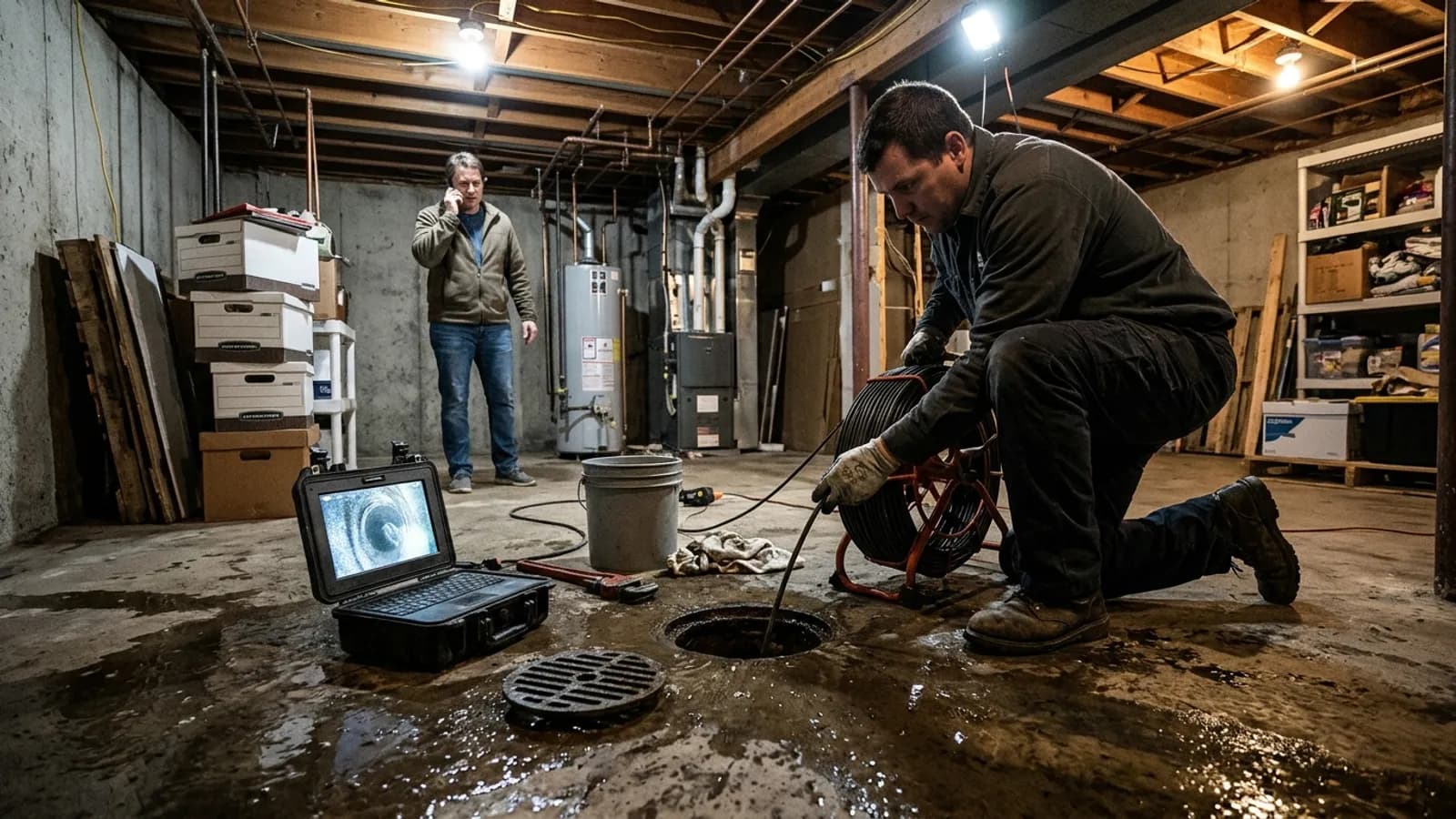
Does Homeowners Insurance Cover Sewer Backup?
Sewer and drain backup is excluded from standard homeowners policies; the dedicated endorsement ($50–$250 per year) is the fix for five-figure basement losses.
Read guide← Back to the full insurance glossary
Sources
The primary sources behind the facts on this page. Last verified November 10, 2026.
- HealthCare.gov Glossary — official ACA definitions for health-coverage terms.
- Insurance Information Institute (III) — property & casualty term definitions cross-checked against policy forms.
- NAIC consumer resources — regulator-authored guides and glossaries for each line of insurance.
Rules that vary by state are verified against the state insurance department's consumer pages — find yours via the NAIC directory above.