
Home Insurance: The Complete Guide
Homeowners insurance pays to rebuild, replace, and defend after fire, storms, and lawsuits — this guide maps coverage, exclusions, deductibles, and costs by state.
149 in-depth guides
Why you can trust this guide
- Written by Daniel Reyes, AINS, former licensed P&C agent — independent insurance education publisher.
- Factual accuracy reviewed and signed off by Marcus Hale, CPCU, AINS, licensed P&C agent (Independent insurance reviewer).
- Every factual claim traces to a regulator, statute, or policy document — sources are listed at the bottom of the page.
- Last verified ; time-sensitive guides are re-checked at least twice a year. Read our editorial policy.


ACV vs Replacement Cost: The Claim-Payout Difference
Replacement cost pays today's price to rebuild; ACV pays that price minus depreciation. Learn which settlement basis your policy names before a claim arrives.
Read guide
Annual Insurance Audit Checklist (30 Minutes)
A 30-minute annual audit: verify dwelling limits against rebuild cost, pull the CLUE report, sweep endorsements and beneficiaries, and re-shop both policies.
Read guide
Becoming a Landlord: Insurance Checklist
Turning a home into a rental changes the policy you need: the HO-3-to-DP-3 conversion, fair-rental-value sizing, liability, lease clauses, and tenant requirements.
Read guide
Boat Insurance: Coverage for Powerboats, Sailboats, and Personal Watercraft
Boat insurance covers hull (agreed value or ACV), liability, and the marina and lender requirements home policies do not meet. Costs run $200–$1,500+ yearly.
Read guide
Does Homeowners Insurance Cover a Home Business?
Homeowners insurance excludes business property above a small sub-limit and all business liability; endorsements and business policies supply the missing coverage.
Read guide
Does Homeowners Insurance Cover a Home Office?
Homeowners insurance caps home-office equipment at a small business-property sub-limit and excludes business liability; endorsements cover the gaps.
Read guide
Does Homeowners Insurance Cover Airbnb Hosting?
No — homeowners policies exclude business activity and short-term rentals. Airbnb hosting needs a home-sharing endorsement or dedicated STR coverage.
Read guide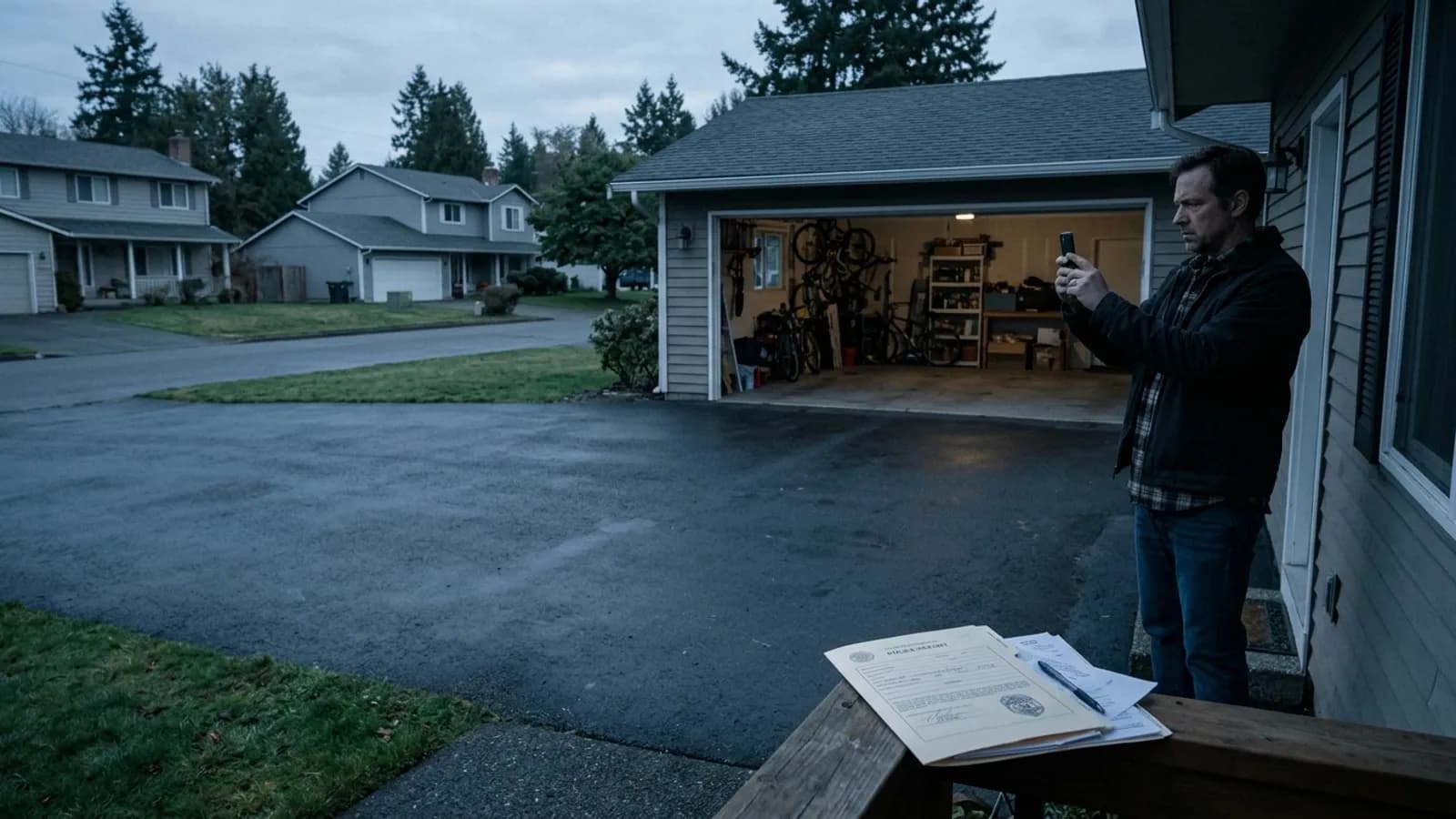
Does Homeowners Insurance Cover Car Theft?
No — the stolen car is an auto comprehensive claim; homeowners covers belongings stolen from the car as personal property away from home, within sub-limits.
Read guide
Does Homeowners Insurance Cover Dog Bites?
Usually yes — homeowners liability covers dog bites. Breed exclusions and bite-history rules vary by insurer; the average claim pays $50,000+.
Read guide
Does Homeowners Insurance Cover Foundation Repair?
Homeowners insurance covers foundation repair only when a sudden covered peril causes it; settling, soil movement, and gradual leaks are excluded maintenance.
Read guide
Does Homeowners Insurance Cover Hail Damage?
Homeowners insurance covers hail damage to roofs, siding, and contents, and hail-belt states price it with percentage wind/hail deductibles and ACV roof schedules.
Read guide
Does Homeowners Insurance Cover Jewelry?
Homeowners insurance covers stolen jewelry up to a small theft sub-limit, commonly $1,000–$2,500; scheduling items above the cap buys full, no-deductible coverage.
Read guide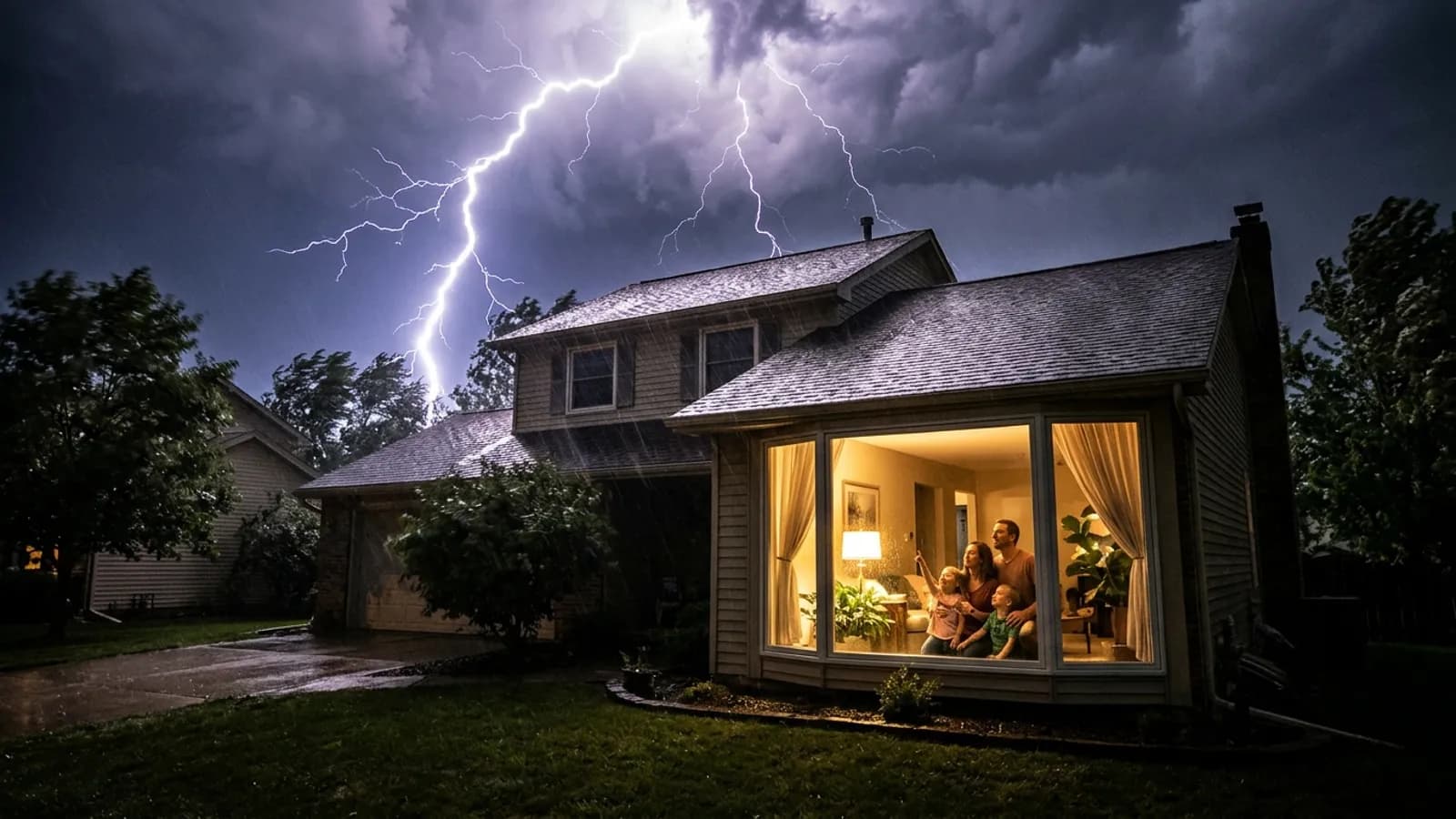
Does Homeowners Insurance Cover Lightning Strikes?
Homeowners insurance covers lightning as a core peril — strike damage, resulting fire, and power-surge damage to electronics, the most common lightning claim.
Read guide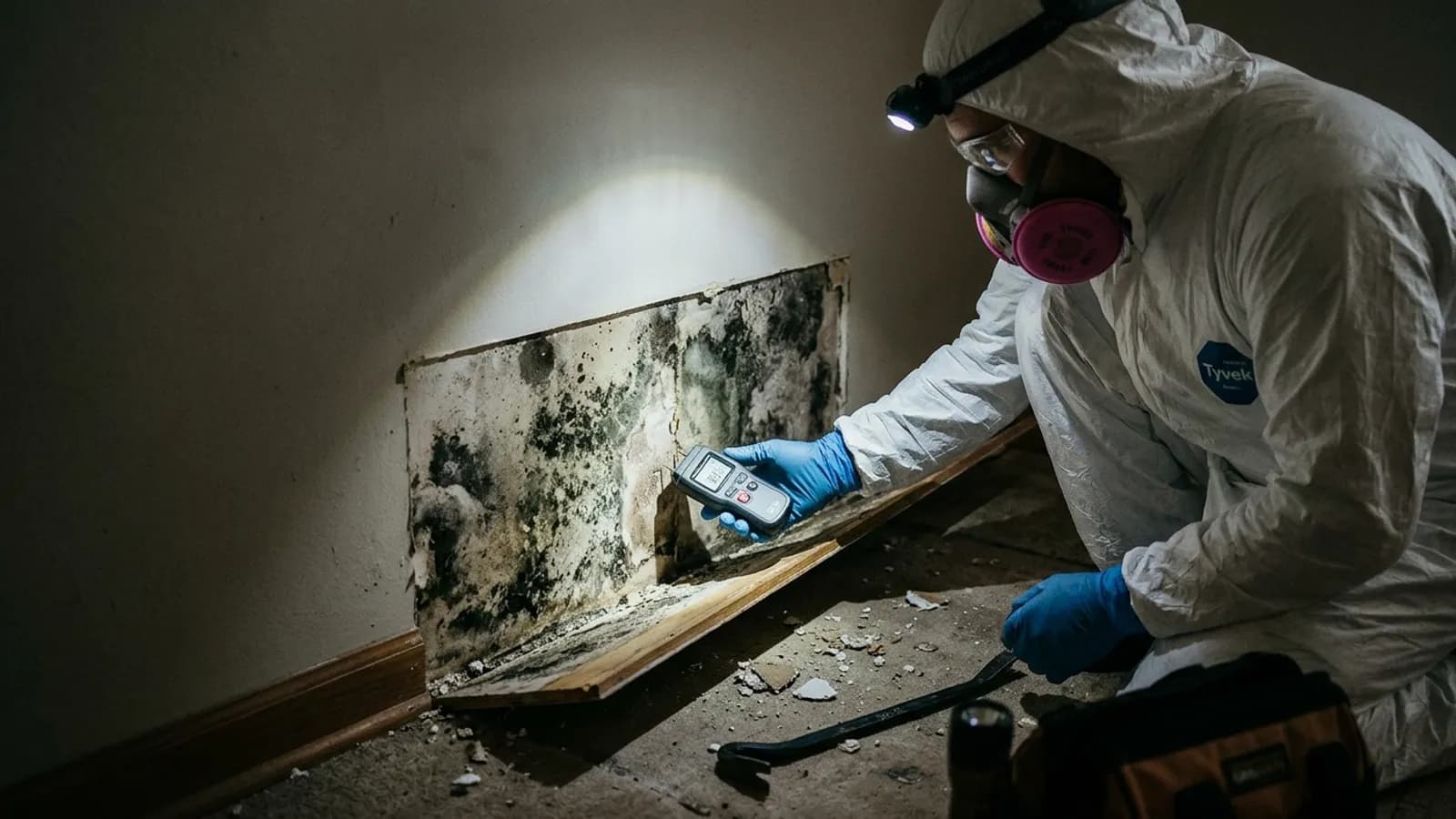
Does Homeowners Insurance Cover Mold?
Homeowners insurance covers mold only when it results from a covered sudden peril, and even then often capped at $5,000–$10,000; chronic-moisture mold is excluded.
Read guide
Does Homeowners Insurance Cover Roof Leaks?
Homeowners insurance covers leaks caused by a covered peril — storm hail, wind, a fallen tree — while leaks from age, wear, or deferred maintenance are excluded.
Read guide
Does Homeowners Insurance Cover Sewer Backup?
Sewer and drain backup is excluded from standard homeowners policies; the dedicated endorsement ($50–$250 per year) is the fix for five-figure basement losses.
Read guide
Does Homeowners Insurance Cover Sinkholes?
Standard policies cover catastrophic ground collapse under a narrow test but exclude ordinary sinkhole damage; karst states sell endorsements separately.
Read guide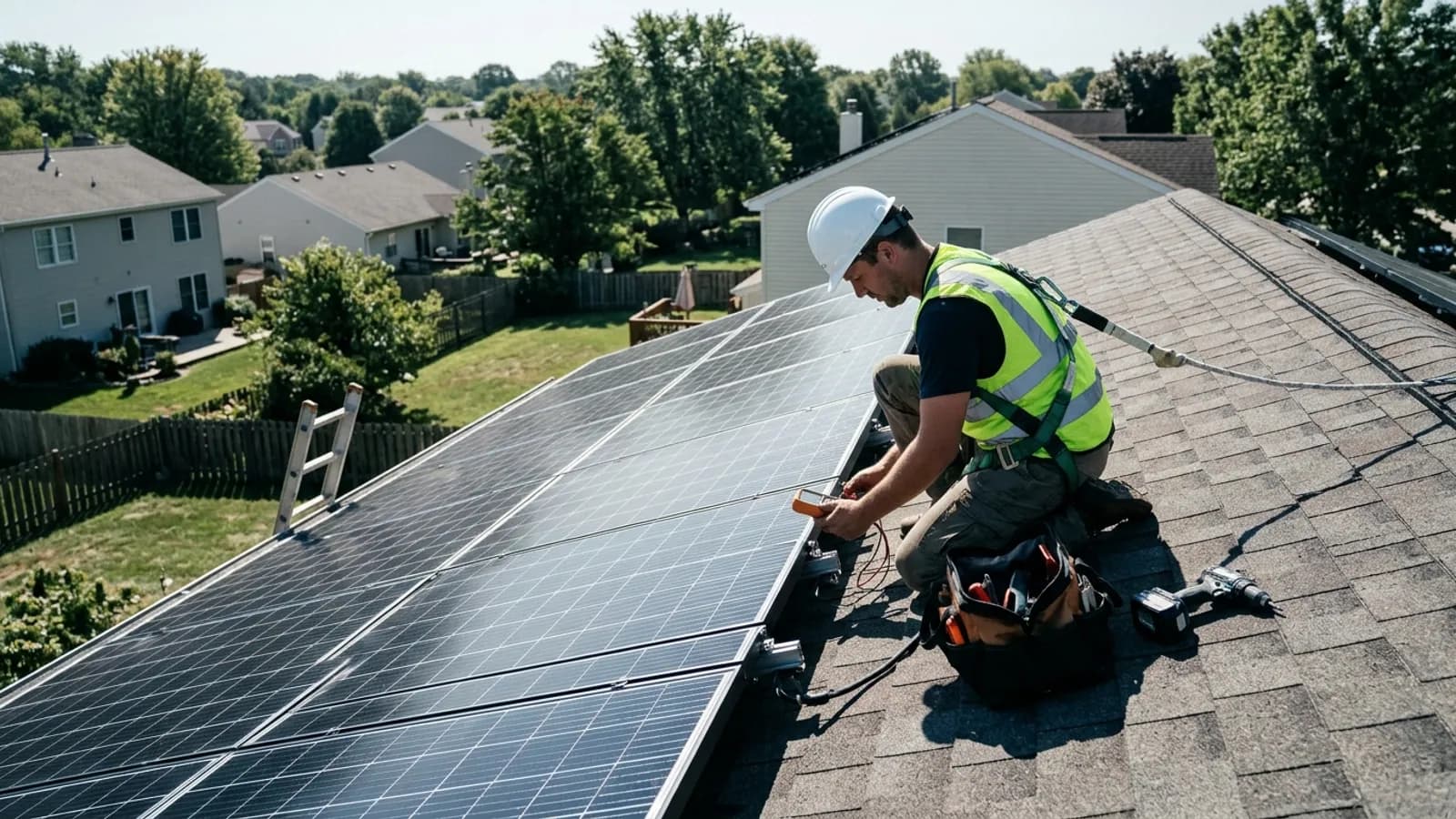
Does Homeowners Insurance Cover Solar Panels?
Roof-mounted solar panels you own are covered under dwelling coverage, including hail, fire, and wind damage; leased arrays and ground mounts change the analysis.
Read guide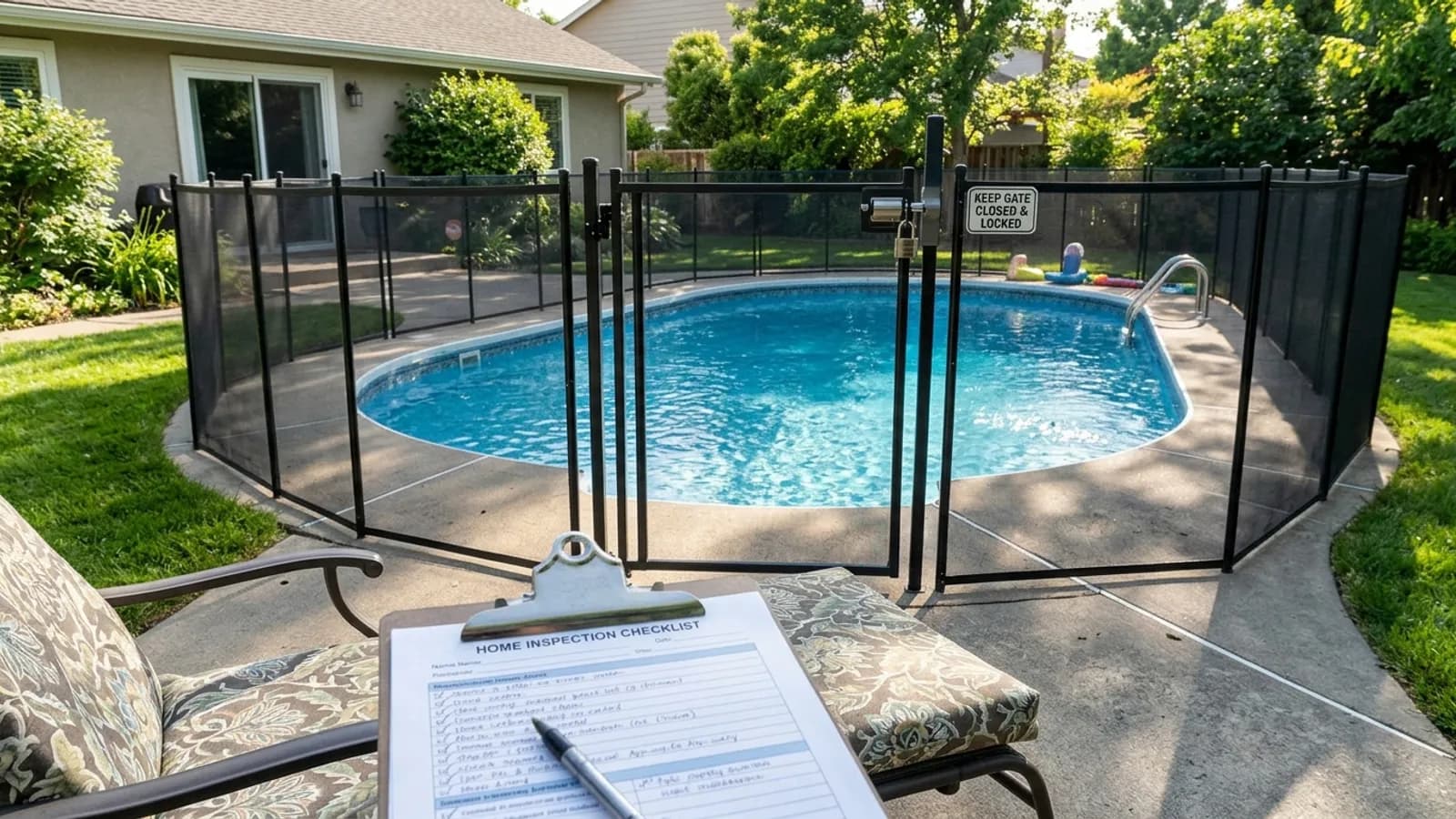
Does Homeowners Insurance Cover Swimming Pools?
Homeowners insurance covers pools as structures and pays pool-injury liability — disclosure, fencing, and liability limits decide whether it responds.
Read guide
Does Homeowners Insurance Cover Termite Damage?
Termite damage is excluded from homeowners insurance as gradual, preventable pest damage; prevention contracts, not policy riders, are the product for this peril.
Read guide
Does Homeowners Insurance Cover Trampolines?
Trampoline coverage depends on the insurer: some allow them with safety conditions, some exclude trampoline liability, and some decline or non-renew the policy.
Read guide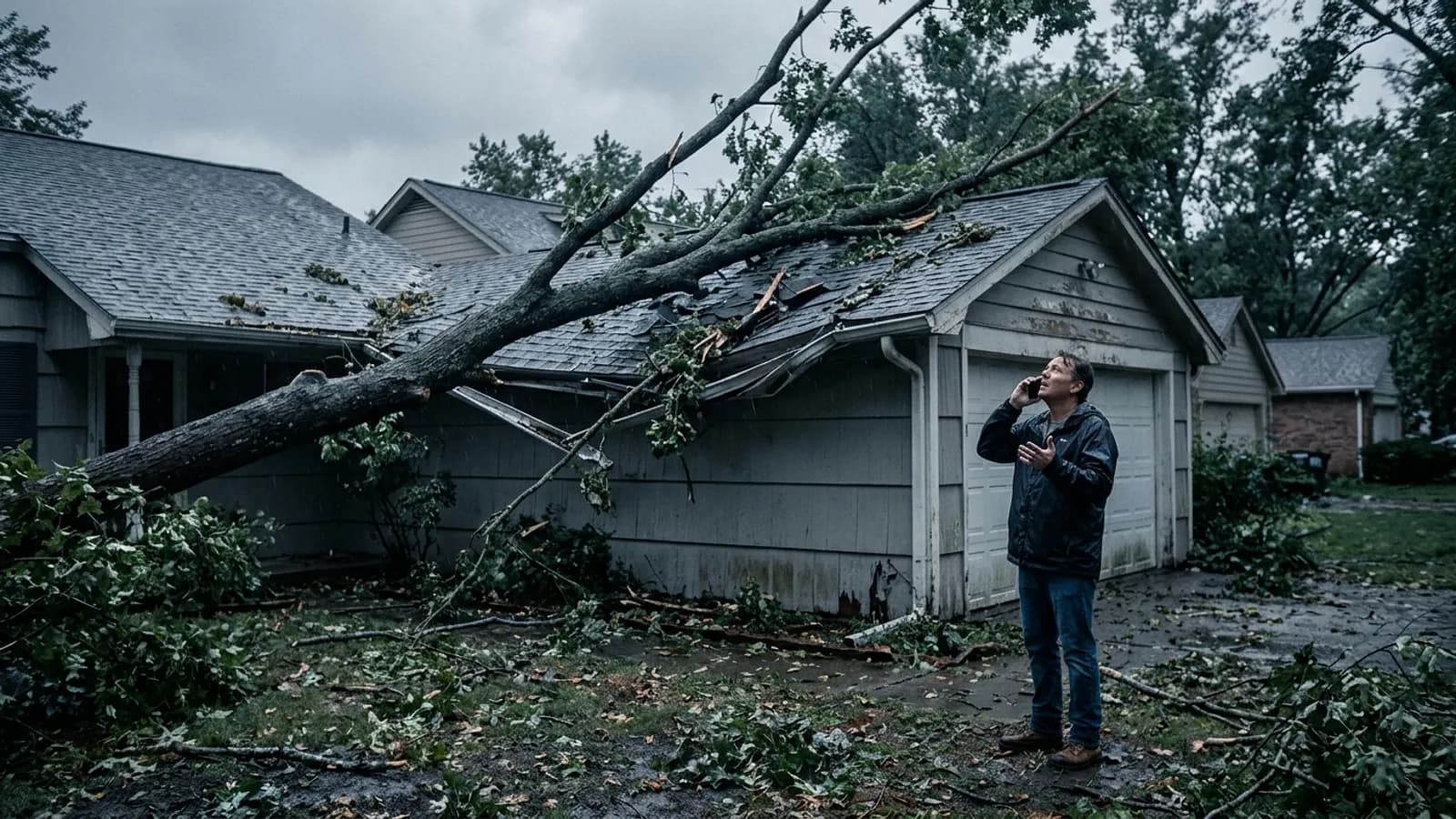
Does Homeowners Insurance Cover Tree Damage?
Homeowners insurance covers damage from fallen trees — your tree or your neighbor's — on your house and other structures; removal claims require property damage.
Read guide
Does Homeowners Insurance Cover Vacant Homes?
Standard homeowners policies reduce or void most coverage past 30–60 days of vacancy; vacancy permits, vacant-home policies, and builder's risk are the fixes.
Read guide
Does Homeowners Insurance Cover Water Damage?
Homeowners insurance covers sudden water damage from burst pipes, appliance failures, and storm-driven rain, excluding gradual leaks, sewer backup, and floods.
Read guide
Does Homeowners Insurance Cover Wildfires?
Wildfire damage to structure, contents, and smoke is covered by standard policies; loss-of-use pays evacuation costs, and availability is the fight in fire states.
Read guide
DP-3 vs HO-3: Landlord and Homeowner Policies Compared
The HO-3 covers owner-occupied homes; the DP-3 covers rentals — adding loss-of-rents coverage, trimming personal property, and costing about 20–30% more.
Read guide
Earthquake Insurance: The Exclusion That Matters Most (and How to Fix It)
Earthquake damage is excluded from every standard home policy. What quake coverage costs, who should buy it, and the fire-following-quake exception.
Read guide
Flood Insurance: What It Covers, What It Costs, and Who Needs It
Flood insurance is never part of a standard home policy. Costs per year, the 30-day waiting period, NFIP limits, and why most claims come from outside flood zones.
Read guide
High-Value Home Insurance: The $1M+ House Market
Homes above $750k–$1M rebuild cost need the high-net-worth market: agreed-value settlements, cash-baseline claims, broader coverage, and risk consulting.
Read guide
HO-3 vs HO-6: House vs Condo Policies
The HO-3 covers owner-occupied houses; the HO-6 covers what the condo master policy leaves to you — interior, belongings, liability, and loss assessments.
Read guideHome and Auto Insurance Bundles: How Much You Really Save
Bundling home and auto insurance with one carrier saves 5–25% on the combined premium — the math, the traps, and when separate carriers win.
Read guideHome Insurance in Albuquerque, NM: Costs and Guide (2026)
Home insurance in Albuquerque costs about $1,400–$2,300 per year. Foothill wildfire exposure, monsoon hail, and the policy setup that fits Albuquerque homes.
Read guideHome Insurance in Anaheim, CA: Costs and Guide (2026)
Home insurance in Anaheim costs about $1,700–$3,100 per year. Anaheim Hills wildfire exposure, the quake exclusion, and the policy setup for Orange County homes.
Read guideHome Insurance in Arlington, TX: Costs and Guide (2026)
Home insurance in Arlington costs about $2,500–$4,100 per year. DFW hail pricing, percentage wind/hail deductibles, and the roof documentation local claims turn on.
Read guideHome Insurance in Atlanta, GA: Costs and Guide (2026)
Home insurance in Atlanta costs about $1,800–$3,000 per year. Intown tree-fall claims, remnant-storm wind, and fast rebuild inflation shape the price.
Read guideHome Insurance in Austin, TX: Costs and Guide (2026)
Home insurance in Austin costs about $2,400–$4,000 per year. Central Texas hail, growth-driven rebuild inflation, and the Winter Storm Uri freeze legacy.
Read guideHome Insurance in Baltimore, MD: Costs and Guide (2026)
Home insurance in Baltimore costs about $1,500–$2,500 per year. Rowhouse fire spread, older-stock water claims, and coastal-adjacent wind shape the policy.
Read guideHome Insurance in Boston, MA: Costs and Guide (2026)
Home insurance in Boston costs about $1,700–$2,900 per year. Winter water claims, historic rebuild costs, and the code-upgrade gap define the local policy.
Read guideHome Insurance in Charlotte, NC: Costs and Guide (2026)
Home insurance in Charlotte costs about $1,600–$2,600 per year. Moderate Carolinas pricing shaped by remnant-storm wind, tree claims, and fast rebuild inflation.
Read guideHome Insurance in Chicago, IL: Costs and Guide (2026)
Home insurance in Chicago costs about $1,700–$2,800 per year. Vintage-housing water claims, hail corridors, and winter freezes make the water-backup rider essential.
Read guideHome Insurance in Cincinnati, OH: Costs and Guide (2026)
Home insurance in Cincinnati costs about $1,500–$2,500 per year. Hillside water claims, river-flood exclusion, and winter freezes define the checklist.
Read guideHome Insurance in Cleveland, OH: Costs and Guide (2026)
Home insurance in Cleveland costs about $1,500–$2,400 per year. Lake-effect winters drive frozen-pipe claims, and older stock makes water coverage the priority.
Read guideHome Insurance in Columbus, OH: Costs and Guide (2026)
Home insurance in Columbus costs about $1,500–$2,400 per year. Below-average pricing with moderate storm claims; deductible structure and bundling drive the savings.
Read guideHome Insurance in Dallas, TX: Costs and Guide (2026)
Home insurance in Dallas costs about $2,600–$4,200 per year. Top-tier DFW hail pricing, percentage wind/hail deductibles, and roof-age scrutiny at every renewal.
Read guideHome Insurance in Denver, CO: Costs and Guide (2026)
Home insurance in Denver costs about $2,600–$4,200 per year. Front Range hail pricing, wildfire interface exposure, and impact-resistant roofing as the lever.
Read guideHome Insurance in Detroit, MI: Costs and Guide (2026)
Home insurance in Detroit costs about $1,400–$2,400 per year. Winter water damage and older stock make water-backup and sump-overflow coverage the essentials.
Read guideHome Insurance in Fort Worth, TX: Costs and Guide (2026)
Home insurance in Fort Worth costs about $2,600–$4,200 per year. Hail-alley roof claims, wind/hail deductibles, and the claims discipline that keeps premiums down.
Read guideHome Insurance in Fresno, CA: Costs and Guide (2026)
Home insurance in Fresno costs about $1,500–$2,600 per year. Sierra-fire smoke exposure, heat stress on systems, and inland pricing below the coastal metros.
Read guideHome Insurance in Honolulu, HI: Costs and Guide (2026)
Home insurance in Honolulu costs about $1,500–$3,000 per year — but hurricane coverage is a separate policy, because standard policies exclude hurricane wind.
Read guideHome Insurance in Houston, TX: Costs and Guide (2026)
Home insurance in Houston costs about $2,400–$4,000 per year. Gulf hail and hurricane wind in one policy, plus the flood exclusion Harvey made impossible to ignore.
Read guideHome Insurance in Indianapolis, IN: Costs and Guide (2026)
Home insurance in Indianapolis costs about $1,500–$2,400 per year. Below-average pricing on tornado corridors and hail; severity meets percentage deductibles.
Read guideHome Insurance in Jacksonville, FL: Costs and Guide (2026)
Home insurance in Jacksonville costs about $2,800–$4,500 per year. Hurricane wind deductibles, Florida's carrier churn, and roof inspections that decide renewal.
Read guideHome Insurance in Kansas City, MO: Costs and Guide (2026)
Home insurance in Kansas City costs about $1,700–$2,800 per year. Hail and tornado wind price the metro; percentage deductibles and roof discipline decide claims.
Read guideHome Insurance in Las Vegas, NV: Costs and Guide (2026)
Home insurance in Las Vegas costs about $1,300–$2,200 per year — a stable catastrophe market where heat-stressed systems and wash flooding shape the coverage.
Read guideHome Insurance in Los Angeles, CA: Costs and Guide (2026)
Home insurance in Los Angeles costs about $1,800–$3,500 per year. Canyon wildfire exposure, FAIR Plan availability, and the quake exclusion every LA policy carries.
Read guideHome Insurance in Louisville, KY: Costs and Guide (2026)
Home insurance in Louisville costs about $1,600–$2,600 per year. Tornado-corridor wind, Ohio River flood exclusion, and ice storms define the checklist.
Read guideHome Insurance in Memphis, TN: Costs and Guide (2026)
Home insurance in Memphis costs about $1,800–$3,000 per year. Tornado wind, older-stock water claims, and the excluded New Madrid quake risk shape coverage.
Read guideHome Insurance in Mesa, AZ: Costs and Guide (2026)
Home insurance in Mesa costs $1,400–$2,300 per year. Heat-stressed roofs, monsoon wind, and wash flooding outside the base policy define the local configuration.
Read guideHome Insurance in Miami, FL: Costs and Guide (2026)
Home insurance in Miami costs $3,500–$7,000+ per year. Percentage hurricane deductibles, carrier exits, and Citizens takeouts make it the nation's hardest market.
Read guideHome Insurance in Milwaukee, WI: Costs and Guide (2026)
Home insurance in Milwaukee costs $1,500–$2,400 per year. Combined-sewer backup, lake-effect freeze claims, and winterization documentation define the local policy.
Read guideHome Insurance in Minneapolis, MN: Costs and Guide (2026)
Home insurance in Minneapolis costs $1,800–$2,900 per year. Twin Cities hail seasons, percentage wind deductibles, and winter ice-dam claims shape the local policy.
Read guideHome Insurance in Nashville, TN: Costs and Guide (2026)
Home insurance in Nashville costs $1,800–$3,000 per year. Middle Tennessee tornadoes and the Cumberland's 2010 flood legacy split the wind-versus-water decision.
Read guideHome Insurance in New Orleans, LA: Costs and Guide (2026)
Home insurance in New Orleans costs $3,000–$5,500+ per year. Wind and flood live on two separate policies, and that pairing is the city's defining coverage fact.
Read guideHome Insurance in Oakland, CA: Costs and Guide (2026)
Home insurance in Oakland costs $1,800–$3,200 per year. Hillside wildfire exposure and the Hayward Fault exclusion shape the two-coverage local decision.
Read guideHome Insurance in Omaha, NE: Costs and Guide (2026)
Home insurance in Omaha costs $1,800–$2,900 per year. Hail-corridor deductibles and the 2019 Missouri River flood legacy shape the local coverage setup.
Read guideHome Insurance in Philadelphia, PA: Costs and Guide (2026)
Home insurance in Philadelphia costs $1,400–$2,400 per year. Century rowhome stock makes party-wall liability, fire spread, and water backup the local essentials.
Read guideHome Insurance in Phoenix, AZ: Costs and Guide (2026)
Home insurance in Phoenix costs $1,500–$2,400 per year. Heat-stressed roofs, monsoon wind, and rebuild growth make maintenance documentation the renewal asset.
Read guideHome Insurance in Pittsburgh, PA: Costs and Guide (2026)
Home insurance in Pittsburgh costs $1,400–$2,300 per year. Century-stock water claims, freeze-thaw winters, and hillside movement questions shape the local policy.
Read guideHome Insurance in Portland, OR: Costs and Guide (2026)
Home insurance in Portland costs $1,500–$2,600 per year. The 2020 fire season, atmospheric rivers, and the Cascadia quake exclusion shape the local decisions.
Read guideHome Insurance in Raleigh, NC: Costs and Guide (2026)
Home insurance in Raleigh costs $1,600–$2,600 per year. Tropical-remnant flooding, Crabtree Creek history, and the statewide flood exclusion shape the setup.
Read guideHome Insurance in Sacramento, CA: Costs and Guide (2026)
Home insurance in Sacramento costs $1,600–$2,700 per year. The levee system, Natomas floodplain, and the standard flood exclusion define the local coverage pair.
Read guideHome Insurance in San Antonio, TX: Costs and Guide (2026)
Home insurance in San Antonio costs $2,000–$3,400 per year. Hail-driven roof claims and Flash Flood Alley's creeks split the covered-versus-excluded line.
Read guideHome Insurance in San Diego, CA: Costs and Guide (2026)
Home insurance in San Diego costs $1,700–$3,000 per year. East-county wildfire corridors, coastal calm, and the quake exclusion shape the local pricing spread.
Read guideHome Insurance in San Francisco, CA: Costs and Guide (2026)
Home insurance in San Francisco costs $1,800–$3,200 per year. Victorian-era stock and the Hayward Fault question make quake coverage the local planning exercise.
Read guideHome Insurance in Seattle, WA: Costs and Guide (2026)
Home insurance in Seattle costs $1,600–$2,700 per year. Atmospheric-river water claims and the standing Cascadia quake exclusion shape the two-coverage decision.
Read guideHome Insurance in St. Louis, MO: Costs and Guide (2026)
Home insurance in St. Louis costs $1,700–$2,800 per year. The 2025 tornado, century brick stock, and river-flood exclusion shape the local claim pattern.
Read guideHome Insurance in Tampa, FL: Costs and Guide (2026)
Home insurance in Tampa costs $2,800–$5,000 per year. Post-Ian repricing, Helene and Milton surge, and mitigation credits define the local premium game.
Read guideHome Insurance in Tucson, AZ: Costs and Guide (2026)
Home insurance in Tucson costs $1,300–$2,200 per year. Monsoon wash flooding outside the base policy and heat-stressed systems define the local configuration.
Read guideHome Insurance in Tulsa, OK: Costs and Guide (2026)
Home insurance in Tulsa costs $2,000–$3,400 per year. Tornado-hail seasons, percentage wind deductibles, and the earthquake-swarm question shape the policy.
Read guideHome Insurance in Washington, DC: Costs and Guide (2026)
Home insurance in Washington, DC costs $1,500–$2,600 per year. Historic rowhouse rebuild costs, 2019 flash floods, and water backup define the local policy.
Read guideHome Insurance in Wichita, KS: Costs and Guide (2026)
Home insurance in Wichita costs $2,000–$3,300 per year. Hail-belt-core roof claims, percentage wind deductibles, and impact-resistant roofing drive the rate.
Read guide
Home Renovation Insurance: What Your Policy Covers (and When It Stops)
Renovations change insurance: vacancy clauses on unoccupied projects, work-risk exclusions, and contractor-verification duties. Gut renovations need builder's risk.
Read guide
Home Warranty vs Home Insurance: Different Products, Different Jobs
A home warranty covers appliance and system breakdowns for a yearly fee plus per-visit charges; homeowners insurance covers perils and liability.
Read guide
Homeowners Insurance Claim Denied? The Appeal Playbook
Denied home claims follow patterns — exclusions, documentation gaps, misrepresentation. The appeal playbook: read the clause, cure the defect, escalate in order.
Read guide
Homeowners Insurance for First-Time Buyers: Closing-Day Ready
First-time buyers face one deadline (the closing binder) and four compounding decisions: rebuild cost, deductible structure, endorsements, and the escrow setup.
Read guideHomeowners Insurance in Alabama: Costs and What to Know (2026)
Homeowners insurance in Alabama costs $1,800–$2,600 per year, with Gulf hurricane exposure, tornadoes, and coastal wind deductibles shaping what each ZIP pays.
Read guideHomeowners Insurance in Alaska: Costs and What to Know (2026)
Homeowners insurance in Alaska costs $1,700–$2,800 per year, with earthquake exclusions, remote rebuild costs, and freeze losses shaping what each ZIP code pays.
Read guideHomeowners Insurance in Arizona: Costs and What to Know (2026)
Homeowners insurance in Arizona costs $1,400–$2,200 per year, with monsoon damage, extreme heat, and northern wildfire risk shaping what each ZIP code pays.
Read guideHomeowners Insurance in Arkansas: Costs and What to Know (2026)
Homeowners insurance in Arkansas costs $1,700–$2,500 per year, with tornadoes, hail, and New Madrid earthquake exposure shaping what each ZIP code pays.
Read guideHomeowners Insurance in California: Costs and What to Know (2026)
Homeowners insurance in California costs $1,500–$3,500 per year, with wildfire risk, carrier pullbacks, and earthquake exclusions shaping what each ZIP pays.
Read guideHomeowners Insurance in Colorado: Costs and What to Know (2026)
Homeowners insurance in Colorado costs $2,400–$3,800 per year, with Front Range hail, wildfire losses, and roof-shrinkage rules shaping what each ZIP pays.
Read guideHomeowners Insurance in Connecticut: Costs and What to Know (2026)
Homeowners insurance in Connecticut costs $1,600–$2,600 per year, with nor'easters, coastal hurricane deductibles, and ice-damage claims shaping the price.
Read guideHomeowners Insurance in Delaware: Costs and What to Know (2026)
Homeowners insurance in Delaware costs $1,100–$1,900 per year, with beach-town wind exposure, nor'easters, and flood-zone rules shaping what each ZIP pays.
Read guideHomeowners Insurance in Florida: Costs and What to Know (2026)
Homeowners insurance in Florida costs $3,000–$6,000+ per year, with hurricane deductibles, sinkhole ground rules, and carrier exits shaping what each ZIP pays.
Read guideHomeowners Insurance in Georgia: Costs and What to Know (2026)
Homeowners insurance in Georgia costs $1,800–$2,800 per year, with coastal hurricane exposure, Atlanta-area storms, and tornadoes shaping what each ZIP pays.
Read guideHomeowners Insurance in Hawaii: Costs and What to Know (2026)
Homeowners insurance in Hawaii costs $1,200–$2,500 per year, with hurricane exclusions, lava-zone rules, and island rebuild costs shaping what each ZIP pays.
Read guideHomeowners Insurance in Idaho: Costs and What to Know (2026)
Homeowners insurance in Idaho costs $1,200–$2,000 per year, with wildfire at the urban edge, hard freezes, and seismic zones shaping what each ZIP pays.
Read guideHomeowners Insurance in Illinois: Costs and What to Know (2026)
Homeowners insurance in Illinois costs $1,600–$2,500 per year, with tornadoes, Cook County hail, and Chicago's sewer-backup exposure shaping the price.
Read guideHomeowners Insurance in Indiana: Costs and What to Know (2026)
Homeowners insurance in Indiana costs $1,500–$2,300 per year, with tornado outbreaks, spring hail, and river flooding shaping what each ZIP code pays.
Read guideHomeowners Insurance in Iowa: Costs and What to Know (2026)
Homeowners insurance in Iowa costs $1,500–$2,400 per year, with derechos, hail, and river flooding shaping what homeowners in each ZIP code pay.
Read guideHomeowners Insurance in Kansas: Costs and What to Know (2026)
Homeowners insurance in Kansas costs $2,000–$3,200 per year, with hail, tornadoes, and straight-line winds shaping what homeowners in each ZIP code pay.
Read guideHomeowners Insurance in Kentucky: Costs and What to Know (2026)
Homeowners insurance in Kentucky costs $1,700–$2,600 per year, with tornado outbreaks, eastern Kentucky flooding, and New Madrid seismic risk shaping rates.
Read guideHomeowners Insurance in Louisiana: Costs and What to Know (2026)
Homeowners insurance in Louisiana costs $2,800–$5,000+ per year, with hurricane surge, flood-zone rules, and carrier exits shaping what each ZIP code pays.
Read guideHomeowners Insurance in Maine: Costs and What to Know (2026)
Homeowners insurance in Maine costs $1,200–$2,000 per year, with nor'easters, ice storms, and long freeze seasons shaping what homeowners in each ZIP pay.
Read guideHomeowners Insurance in Maryland: Costs and What to Know (2026)
Homeowners insurance in Maryland costs $1,500–$2,500 per year, with Chesapeake wind exposure, flash flooding, and winter storms shaping what each ZIP pays.
Read guideHomeowners Insurance in Massachusetts: Costs and What to Know (2026)
Homeowners insurance in Massachusetts costs $1,500–$2,600 per year, with nor'easters, ice-dam winters, and Cape Cod wind exposure shaping what each ZIP pays.
Read guideHomeowners Insurance in Michigan: Costs and What to Know (2026)
Homeowners insurance in Michigan costs $1,400–$2,300 per year, with freeze-season water damage, lake-effect winters, and hail shaping what each ZIP pays.
Read guideHomeowners Insurance in Minnesota: Costs and What to Know (2026)
Homeowners insurance in Minnesota costs $1,800–$2,800 per year, with hail, tornadoes, and ice-dam winters shaping what homeowners in each ZIP code pay.
Read guideHomeowners Insurance in Mississippi: Costs and What to Know (2026)
Homeowners insurance in Mississippi costs $1,900–$3,000 per year, with Gulf hurricanes, Dixie-Alley tornadoes, and coastal wind rules shaping what each ZIP pays.
Read guideHomeowners Insurance in Missouri: Costs and What to Know (2026)
Homeowners insurance in Missouri costs $1,700–$2,700 per year, with tornadoes, hail, river flooding, and New Madrid earthquake risk shaping what each ZIP pays.
Read guideHomeowners Insurance in Montana: Costs and What to Know (2026)
Homeowners insurance in Montana costs $1,600–$2,600 per year, with wildfire-edge zoning, plains hail, and long freeze seasons shaping what each ZIP pays.
Read guideHomeowners Insurance in Nebraska: Costs and What to Know (2026)
Homeowners insurance in Nebraska costs $1,700–$2,700 per year, with hail-alley deductibles, tornado corridors, and Missouri River flood memory shaping the market.
Read guideHomeowners Insurance in Nevada: Costs and What to Know (2026)
Homeowners insurance in Nevada costs $1,400–$2,300 per year, with a milder catastrophe profile, Reno-Carson quake exposure, and Las Vegas growth shaping prices.
Read guideHomeowners Insurance in New Hampshire: Costs and What to Know (2026)
Homeowners insurance in New Hampshire costs $1,200–$2,000 per year, with nor'easters, ice-dam winters, and a modest coastal strip shaping what each ZIP pays.
Read guideHomeowners Insurance in New Jersey: Costs and What to Know (2026)
Homeowners insurance in New Jersey costs $1,400–$2,400 per year, with Sandy-era wind deductibles, shore-county surge risk, and dense older housing shaping prices.
Read guideHomeowners Insurance in New Mexico: Costs and What to Know (2026)
Homeowners insurance in New Mexico costs $1,400–$2,300 per year, with wildland-urban-interface fire risk, monsoon hail, and post-burn flash flooding shaping prices.
Read guideHomeowners Insurance in New York: Costs and What to Know (2026)
Homeowners insurance in New York costs $1,500–$2,800 per year, with Sandy-era coastal wind pricing, upstate winter claims, and NYC co-op rules shaping the market.
Read guideHomeowners Insurance in North Carolina: Costs and What to Know (2026)
Homeowners insurance in North Carolina costs $1,500–$2,400 per year, with the coastal Beach Plan wind pool and named-storm deductibles setting the spread.
Read guideHomeowners Insurance in North Dakota: Costs and What to Know (2026)
Homeowners insurance in North Dakota costs $1,600–$2,500 per year, with a top-tier hail corridor, Red River flooding, and blizzard winters shaping the market.
Read guideHomeowners Insurance in Ohio: Costs and What to Know (2026)
Homeowners insurance in Ohio costs $1,500–$2,400 per year, with western-county hail corridors, tornado outbreaks, and older-housing water claims shaping prices.
Read guideHomeowners Insurance in Oklahoma: Costs and What to Know (2026)
Homeowners insurance in Oklahoma costs $2,000–$3,200 per year, with top-tier tornado and hail losses, percentage wind deductibles, and roof scrutiny shaping prices.
Read guideHomeowners Insurance in Oregon: Costs and What to Know (2026)
Homeowners insurance in Oregon costs $1,400–$2,400 per year, with wildfire-interface rating, Cascadia quake risk, and winter windstorms shaping what each ZIP pays.
Read guideHomeowners Insurance in Pennsylvania: Costs and What to Know (2026)
Homeowners insurance in Pennsylvania costs $1,300–$2,200 per year, with river-town flood risk, mine subsidence, and winter ice storms shaping what each ZIP pays.
Read guideHomeowners Insurance in Rhode Island: Costs and What to Know (2026)
Homeowners insurance in Rhode Island costs $1,600–$2,700 per year, with Narragansett Bay surge exposure, nor'easter wind, and named-storm deductibles shaping prices.
Read guideHomeowners Insurance in South Carolina: Costs and What to Know (2026)
Homeowners insurance in South Carolina costs $1,900–$3,200 per year, with wind-pool pricing, named-storm deductibles, and Charleston's quake risk shaping premiums.
Read guideHomeowners Insurance in South Dakota: Costs and What to Know (2026)
Homeowners insurance in South Dakota costs $1,600–$2,500 per year, with top-ranked hail losses, prairie tornadoes, and blizzard winters shaping what each ZIP pays.
Read guideHomeowners Insurance in Tennessee: Costs and What to Know (2026)
Homeowners insurance in Tennessee costs $1,700–$2,700 per year, with Middle Tennessee tornado corridors, Memphis quake risk, and severe-storm hail shaping premiums.
Read guideHomeowners Insurance in Texas: Costs and What to Know (2026)
Homeowners insurance in Texas costs $2,400–$4,200 per year, with billion-dollar hail outbreaks, Gulf hurricanes, and volatile carrier exits shaping the market.
Read guideHomeowners Insurance in Utah: Costs and What to Know (2026)
Homeowners insurance in Utah costs $1,300–$2,200 per year, with Wasatch Front quake risk, wildfire interface rating, and snowmelt flood seasons shaping premiums.
Read guideHomeowners Insurance in Vermont: Costs and What to Know (2026)
Homeowners insurance in Vermont costs $1,300–$2,200 per year, with Irene-era flooding, 2023–2024 flood seasons, and ice-storm winters shaping what each ZIP pays.
Read guideHomeowners Insurance in Virginia: Costs and What to Know (2026)
Homeowners insurance in Virginia costs $1,400–$2,400 per year, with Hampton Roads surge risk, named-storm deductibles, and 2011's Mineral earthquake shaping prices.
Read guideHomeowners Insurance in Washington, DC: Costs and What to Know (2026)
Homeowners insurance in Washington, DC costs $1,400–$2,400 per year, with rowhouse rebuild costs, flash flooding, and nor'easter wind shaping District premiums.
Read guideHomeowners Insurance in Washington: Costs and What to Know (2026)
Homeowners insurance in Washington costs $1,500–$2,500 per year, with Cascadia quake risk, wildfire east of the Cascades, and atmospheric rivers shaping premiums.
Read guideHomeowners Insurance in West Virginia: Costs and What to Know (2026)
Homeowners insurance in West Virginia costs $1,500–$2,400 per year, with Appalachian flash floods, mountain ice winters, and aging housing shaping prices.
Read guideHomeowners Insurance in Wisconsin: Costs and What to Know (2026)
Homeowners insurance in Wisconsin costs $1,500–$2,400 per year, with Great Lakes shoreline erosion, hail seasons, and ice-dam winters shaping what each ZIP pays.
Read guideHomeowners Insurance in Wyoming: Costs and What to Know (2026)
Homeowners insurance in Wyoming costs $1,500–$2,600 per year, with record hailstorms, high-plains wind, and Teton County luxury rebuilds shaping premiums.
Read guide
How Much Is Homeowners Insurance?
Homeowners insurance costs $1,500–$3,000 per year for typical coverage, and state risk, roof age, and your deductible choices decide where you land.
Read guide
How to Choose the Best Home Insurance Company (No Sponsored Rankings)
Choose a home insurer on claims satisfaction, financial strength, coverage breadth, and state-market position — the criteria that replace sponsored rankings.
Read guide
How to Lower Homeowners Insurance: 10 Moves Ranked by Impact (2026)
Ten moves lower homeowners insurance: the deductible, the roof, bundling, claims discipline, and the annual re-shop, with the traps that cost more than they save.
Read guide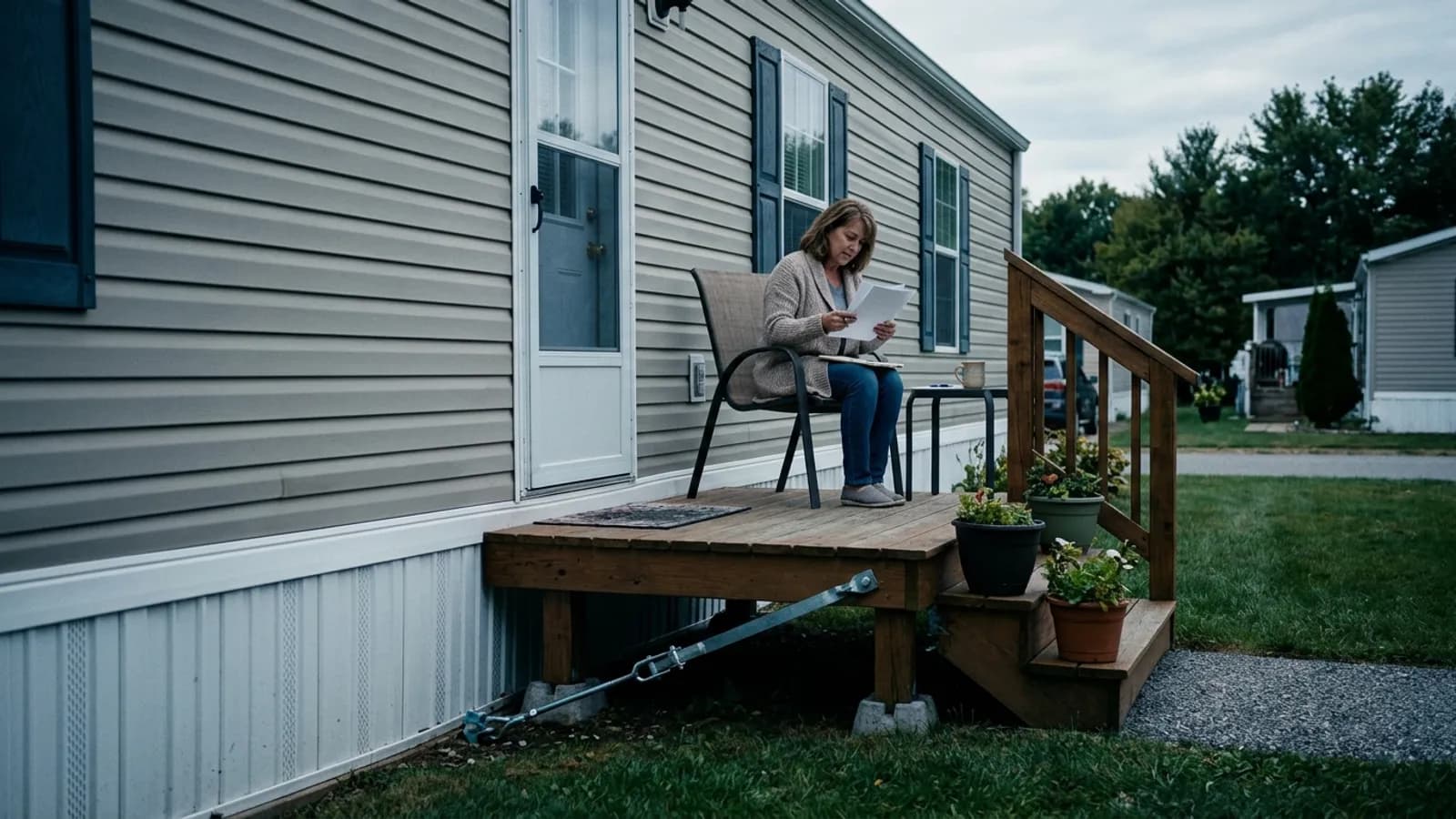
Mobile and Manufactured Home Insurance: What It Costs and Covers
Mobile and manufactured home insurance (HO-7) covers the unit, belongings, liability, and transit damage — priced 20–40% below site-built home insurance.
Read guide
New Homeowner Insurance Checklist
The new-homeowner insurance checklist: the closing binder, the rebuild-cost check, endorsements, the first-week documentation file, and first-90-days decisions.
Read guide
NFIP vs Private Flood Insurance
NFIP flood insurance caps at $250k building/$100k contents with no living-expenses coverage and a 30-day wait; private flood prices continuously and often wins.
Read guide
The Home Insurance Claim Process: From Damage to Settlement
How a homeowners claim actually works: mitigation, documentation before cleanup, the adjuster visit, the two-check payout, supplements, and common mistakes.
Read guide
What Does Homeowners Insurance Cover? (And What It Never Covers)
A standard HO-3 covers fire, wind, hail, theft, and burst pipes — and never floods, earthquakes, or gradual damage. The coverage buckets, exclusions, and fixes.
Read guide
What Is Condo Insurance (HO-6)? What It Covers and Costs
Condo insurance (HO-6) covers what the association's master policy leaves to you — interior, belongings, liability, and loss assessments. How the split works.
Read guide
What Is Landlord Insurance? (DP-3) Coverage and Costs
Landlord insurance (DP-3) covers the rental structure, your liability, and lost rent — not the tenant's belongings. Costs run $1,000–$2,500 per year.
Read guide
What Is Mortgage Insurance? PMI vs. MIP, Costs, and How to Remove It
Mortgage insurance protects the lender, not you: PMI costs 0.1%–1%+ of the loan per year and can be removed; FHA MIP often lasts the loan's life. How removal works.
Read guideWhat Is Property and Casualty (P&C) Insurance? Lines and Coverage
Property and casualty insurance is the umbrella term for auto, home, renters, and liability lines — what P&C covers, what it excludes, and how the lines fit together.
Read guide
What Is Umbrella Insurance? How $1M of Liability Costs ~$20/Month
Umbrella insurance adds $1M+ of liability protection over your auto and home policies for roughly $150–$400 per year. What it covers and requires.
Read guideHomeowners insurance is a package policy that pays to rebuild your house, replace your belongings, cover your hotel while repairs run, and defend you in liability claims — and in 2026 a typical policy costs $1,500–$3,000 per year in the U.S., with state risk swinging that figure three-fold in either direction. The guides below cover the policy, the exclusions, the costs, and the claim process.
What home insurance covers (and what it never covers)
A standard HO-3 policy bundles six coverages labeled A through F. Dwelling coverage (Coverage A) anchors the policy and pays to rebuild the structure; other structures, personal property, and loss of use follow as B, C, and D, with liability and medical payments as E and F. Fire, smoke, lightning, windstorm, hail, theft, and sudden accidental water damage sit on the covered list.
The exclusions list is where claims die. Exclusions in every standard policy remove flood, earthquake, sewer backup, and gradual damage such as rot and neglected mold — each a separate purchase to fix. Water damage splits by cause: a burst pipe is covered, rising surface water never is, and that single distinction decides more claims than any other line in the policy.
What home insurance costs
Home premiums quote per year:
| Profile | Typical cost |
|---|---|
| National band | $1,500–$3,000 per year |
| Low-risk states (DE, ID, ME, NH) | ~$1,100–$2,000 per year |
| Hail-belt states (TX, CO, OK, KS) | ~$2,000–$4,200 per year |
| Florida (highest-cost market) | $3,000–$6,000+ per year |
| Louisiana | $2,800–$5,000+ per year |
Location risk — hurricanes, hail, wildfires — sets the base, then roof age, claims history, and deductible choices move the quote. The state and city pages below carry the local numbers, and the how much is homeowners insurance breakdown explains what moves the national band.
How to use this guide set
- Buying or closing on a home → Homeowners Insurance for First-Time Buyers: Closing-Day Ready walks the escrow setup and the coverage decisions due at signing.
- Deciding the payout structure → ACV vs Replacement Cost: The Claim-Payout Difference prices the depreciation clause that decides what a claim actually pays.
- Closing an exclusion gap → Flood Insurance: What It Covers, What It Costs, and Who Needs It covers the exclusion that hurts the most homes.
- Paying less → How to Lower Homeowners Insurance: 10 Moves Ranked by Impact (2026) ranks the levers, deductible math included.
The home insurance cluster, mapped
Start here
- What Does Homeowners Insurance Cover? (And What It Never Covers) — the full covered-and-excluded map.
- The Home Insurance Claim Process: From Damage to Settlement — what to document from hour one.
- How to Choose the Best Home Insurance Company (No Sponsored Rankings) — the carrier screens that matter at claim time.
State guides
Every state guide carries the local premium band, the named perils of the region, and the state's carrier market:
- Homeowners Insurance in California: Costs and What to Know (2026)
- Homeowners Insurance in Texas: Costs and What to Know (2026)
- Homeowners Insurance in Florida: Costs and What to Know (2026)
- Homeowners Insurance in New York: Costs and What to Know (2026)
- Homeowners Insurance in Pennsylvania: Costs and What to Know (2026)
- Homeowners Insurance in Illinois: Costs and What to Know (2026)
- Homeowners Insurance in Ohio: Costs and What to Know (2026)
- Homeowners Insurance in Alaska: Costs and What to Know (2026)
- Homeowners Insurance in Rhode Island: Costs and What to Know (2026)
City guides
City guides price the metro: rebuild inflation, tree canopy, storm corridors, and ZIP-level risk:
- Home Insurance in Los Angeles, CA: Costs and Guide (2026)
- Home Insurance in Chicago, IL: Costs and Guide (2026)
- Home Insurance in Houston, TX: Costs and Guide (2026)
- Home Insurance in Phoenix, AZ: Costs and Guide (2026)
- Home Insurance in Anaheim, CA: Costs and Guide (2026)
- Home Insurance in Arlington, TX: Costs and Guide (2026)
- Home Insurance in Austin, TX: Costs and Guide (2026)
- Home Insurance in Fresno, CA: Costs and Guide (2026)
- Home Insurance in Jacksonville, FL: Costs and Guide (2026)
- Home Insurance in Mesa, AZ: Costs and Guide (2026)
- Home Insurance in Oakland, CA: Costs and Guide (2026)
- Home Insurance in Sacramento, CA: Costs and Guide (2026)
- Home Insurance in San Antonio, TX: Costs and Guide (2026)
Coverage questions
- Does Homeowners Insurance Cover Water Damage? — the burst-pipe versus rising-water line.
- Does Homeowners Insurance Cover Roof Leaks? — age, cause, and the payout rules.
- Does Homeowners Insurance Cover Sewer Backup? — the endorsed peril most policies skip.
- Boat Insurance: Coverage for Powerboats, Sailboats, and Personal Watercraft — the watercraft line homeowners policies exclude.
- Does Homeowners Insurance Cover Solar Panels? — when roof panels are covered and when they raise the premium.
- Does Homeowners Insurance Cover Termite Damage? — the pest exclusion and what it leaves you paying.
The policy forms, mapped to who lives in the home
The HO-3 is the single-family default, but the form family splits by who occupies the building and who owns it. Condo owners carry an HO-6, which insures the interior surfaces, belongings, and liability the building's master policy leaves to the unit. Landlords carry a DP-3, which prices the structure and lost rent while excluding a tenant's belongings — tenants carry their own policy for that. Mobile and manufactured homes, high-value houses, and homes in catastrophe markets each carry their own form variations, and the wrong form can void the match between policy and property at claim time.
Renters sit one tier down the same tree: the HO-4 is the tenants' form, covering belongings, liability, and loss of use but never the structure. The choice is rarely discretionary — the mortgage lender names the required coverage for a financed house, the condo association's bylaws draw the line the HO-6 must fill, and the lease sets the tenant's requirement.
The deductible you actually signed
Home policies carry two deductible systems, and they behave differently at claim time. The flat dollar deductible — $1,000 to $5,000 on most policies — applies to most perils. The percentage deductible, common in hurricane and hail states for wind and hail losses, takes 1–5% of dwelling coverage per event: on a $400,000 dwelling, a 2% wind deductible is $8,000 out of pocket before the insurer pays anything. The two numbers can differ on the same declarations page, and the percentage one usually governs the largest, most expensive claims.
The decisions that define a home policy
Three decisions outlast any quote comparison. The valuation decision — replacement cost or actual cash value on the dwelling and the contents — decides the claim check before any loss happens. The exclusion decision prices the riders: flood, earthquake, and water backup each attach for a fraction of what their claims cost bare. The liability decision sizes Coverage E against real exposure, and an umbrella policy extends it by $1M for roughly $150–$350 per year.
Related guides
The property line connects to the other policies that share your address and your liability: the tenant's version of the same coverage, the auto policy you can bundle against it, and the business coverage a home-based work often quietly requires.
- Renters Insurance: The Complete Guide — the tenant-side policy for belongings, liability, and loss of use, quoted per month.
- Car Insurance: The Complete Guide — the bundle partner that discounts both policies 5–25%.
- Business Insurance: The Complete Guide — the general liability and equipment coverage a home business needs beyond the HO-3.
- Pet Insurance: The Complete Guide — the vet-bill coverage that pairs with the dog-bite liability inside your policy.
Sources
Frequently asked questions
What does homeowners insurance cover?
A standard HO-3 policy pays on four buckets: the dwelling structure, other structures such as a fence or shed, personal property, and loss of use — hotel and meals while the home is repaired — plus personal liability and medical payments for injuries you are responsible for. Covered perils include fire, windstorm, hail, theft, and sudden water damage from burst pipes.
What does homeowners insurance cost per year?
Nationally, homeowners insurance commonly runs $1,500–$3,000 per year for typical coverage. Location dominates the spread: low-risk states such as Delaware and Idaho price near $1,100–$2,000, hail-belt states such as Texas run $2,400–$4,200, and Florida reaches $3,000–$6,000 or more. Rebuild cost, roof age, claims history, and the deductible move the individual quote.
What does homeowners insurance never cover?
Flood is excluded from every standard homeowners policy and requires separate coverage through the National Flood Insurance Program or a private carrier. Earthquake needs its own policy or endorsement, sewer and drain backup needs a rider, and gradual damage — rot, mold, and leaks from neglect — is never covered. Each gap has a named fix.
How much dwelling coverage do I need?
Enough to rebuild the home at current construction costs, which is not its market price — the land under the house is not insured, and rebuild costs can exceed the purchase price when labor and materials are expensive. Insurers estimate replacement cost from the home's details, and the figure should be revisited after renovations and construction-cost inflation.
Do I have to carry homeowners insurance?
No state law requires it, but any lender holding a mortgage does — the lender can place its own more expensive policy on the home and bill you if coverage lapses. Owners without a mortgage can legally go bare, yet the same rebuild-cost and liability exposure remains, which is why dropping coverage after payoff is rare advice.
What deductible should a home policy carry?
Pick the highest flat deductible you could pay tomorrow — the premium savings usually pay back within several claim-free years, and most households file a claim about once a decade. In hurricane and hail states, check the wind/hail deductible separately: percentage deductibles of 1–2% of dwelling coverage mean $3,500–$7,000 out of pocket on a $350,000 home per event.
How we researched this guide
Home policies are forms-driven: the peril list in the form decides what gets paid, so our guides follow the policy form structure.
- Coverage explanations track the standard HO-3/HO-5 form structure — Coverage A through E — because that's the contract language adjusters apply.
- Flood facts come from FEMA's National Flood Insurance Program (floodsmart.gov), since standard home policies exclude flood.
- Regional cost ranges are built from NAIC home-owners insurance statistics, with the drivers of variation (construction, age, wind/hail exposure) named explicitly.
- Mitigation and eligibility claims cite IBHS research and state fair-plan rules where standard market access is an issue.
Where facts vary by state or insurer, we publish the range and the reason for the variation rather than a single misleading average. We do not sell insurance, take money from insurers for coverage, or publish claim amounts we cannot trace to a source.
Sources
The primary sources behind the facts on this page. Last verified November 17, 2026.
- FEMA — National Flood Insurance Program (FloodSmart) — flood coverage, which standard homeowners policies exclude.
- Insurance Institute for Business & Home Safety (IBHS) — property-loss research and mitigation standards that affect eligibility and discounts.
- U.S. Department of Housing and Urban Development (HUD) — FHA-insured property requirements and disaster assistance programs.
- NAIC — National Association of Insurance Commissioners — model regulations, consumer guides, and industry statistics.
- Find your state insurance regulator (NAIC directory) — every state insurance department — the authority for your state's rules and complaint filing.
- Insurance Information Institute (III) — industry statistics and consumer explainers we cross-check against regulator publications.
Rules that vary by state are verified against the state insurance department's consumer pages — find yours via the NAIC directory above.