
Home Insurance in Pittsburgh, PA: Costs and Guide (2026)
Home insurance in Pittsburgh costs $1,400–$2,300 per year. Century-stock water claims, freeze-thaw winters, and hillside movement questions shape the local policy.
Why you can trust this guide
- Written by Daniel Reyes, AINS, former licensed P&C agent — independent insurance education publisher.
- Factual accuracy reviewed and signed off by Marcus Hale, CPCU, AINS, licensed P&C agent (Independent insurance reviewer).
- Every factual claim traces to a regulator, statute, or policy document — sources are listed at the bottom of the page.
- Last verified ; time-sensitive guides are re-checked at least twice a year. Read our editorial policy.

On this page
Home insurance in Pittsburgh runs about $1,400–$2,300 per year for a standard HO-3 policy on a median-priced home. The city's signature is its century housing stock on steep terrain: water and systems claims dominate, freeze-thaw winters burst the original plumbing, and hillside movement sits in the earth-movement exclusion most owners never read. Updated-systems documentation is the local discount lever, and the water-backup endorsement is the essential add-on for basements in the older districts. The statewide picture sits in the Pennsylvania guide linked below.
What Pittsburgh homeowners pay
| Profile in Pittsburgh | Typical annual premium |
|---|---|
| Pennsylvania statewide median | $1,300–$2,200 |
| Median Pittsburgh home, updated roof, $1,000 deductible | $1,400–$2,300 |
| Century stock in Lawrenceville, Bloomfield, Squirrel Hill | quotes toward the upper half; systems age |
| Hillside addresses (Mt. Washington, South Side Slopes) | base premium plus drainage and movement questions |
| Updated systems documented (wiring, plumbing, roof) | −10–25% vs unupdated century stock |
| Home with prior water claims on its CLUE report | +surcharge; the report follows the address |
Pittsburgh prices above the Pennsylvania median but below Philadelphia, and the local spread is systems age: the same coverage on a century home with new wiring and plumbing versus one with originals can differ by hundreds of dollars per year. Terrain adds the movement questions the standard policy excludes. The river valleys add one more wrinkle: low-lying streets near the Monongahela and the Allegheny flood in heavy rain, so river-corridor addresses carry the flood-policy conversation that the hillsides carry the movement questions — both sit outside the HO-3. Carriers reward documented work too: a re-roof invoice at renewal is worth more than the age a report implies.
Why Pittsburgh prices the way it does
Housing age is the first driver: Pittsburgh's century homes carry original plumbing, dated wiring, and mature trees, so water damage leads the city's claim categories and carriers underwrite the systems at binding. Freeze-thaw winters are the second — hard cold snaps burst supply lines, and the freeze-thaw cycle also works on foundations and masonry, feeding the same water category. Terrain is the third: Pittsburgh's slopes make landslide and earth movement a real excluded risk, and saturated hillsides after spring thaw produce the movement claims the HO-3 removes. Moderate rebuild costs are the fourth — Pittsburgh's construction values keep dwelling figures sane, which is why the metro prices below Philadelphia despite older stock.
Requirements and insurer norms in Pittsburgh
Pennsylvania does not mandate homeowners insurance; mortgage lenders do, and replacement-cost claim treatment requires insuring at least 80% of the home's rebuild cost. Century-home carriers ask the local underwriting questions: updated systems, roof condition, and the drainage that keeps a hillside dry. Rebuilds must meet current code, which the base policy only partially pays — ordinance-or-law coverage is the standard answer for pre-war stock. The Pennsylvania Insurance Department licenses carriers and runs the complaint process for stalled claims, and the Pennsylvania FAIR Plan places homes the admitted market declines for condition or claims history.
The Pittsburgh claim pattern
- Water and systems claims — original plumbing in century stock fails suddenly and often; sudden bursts are covered, gradual corrosion is maintenance (water damage coverage).
- Frozen-pipe bursts — hard freezes hit the older districts first; heat-on documentation decides the disputed ones.
- Sewer backup after heavy rain — combined-era drains in the hilly districts overload; the $50–$250-per-year endorsement answers what the base policy excludes.
- Hillside movement — saturated slopes creep and slump in spring; earth movement is excluded from the HO-3, and drainage maintenance is the practical defense (foundation and earth questions).
- Code-upgrade gaps after a loss — rebuilding a century home to current code costs more than the base policy partially pays; ordinance-or-law coverage closes the gap.
Coverage setup that fits Pittsburgh
- Updated-systems documentation at underwriting — new wiring, plumbing, and roof records are the Pittsburgh discount lever, worth 10–25% against unupdated century stock.
- Water-backup endorsement — $50–$250 per year for the basements the older districts actually use; sump-overflow rides the same endorsement where offered.
- Dwelling at rebuild cost with ordinance-or-law coverage — pre-war housing hides code-upgrade costs the base policy only partially covers (ordinance-or-law coverage).
- A $1,000–$2,500 flat deductible — returning 10–25% of premium versus $500 while keeping winter claims fundable.
- Drainage maintenance on slopes — gutters, grading, and downspout extensions are the excluded-peril defense a hillside owner controls.
Related guides
Pittsburgh's policy runs through its century stock and its slopes — water claims, freeze documentation, and the earth-movement exclusion — and these guides cover each one.
- Homeowners Insurance in Pennsylvania — statewide pricing and the state claim path.
- Home Insurance: The Complete Guide — the HO-3 structure and exclusions behind every figure on this page.
- Does Homeowners Insurance Cover Sewer Backup? — the endorsement mechanics that answer drain backflow.
- ACV vs Replacement Cost — the roof-settlement difference that decides partial-loss payouts.
- What Is an Exclusion? — what the policy removes, including earth movement.
- Home Insurance in Boston, MA: Costs and Guide (2026) — home insurance in boston costs about $1,700–$2,900 per year.
Compare home insurance across Pennsylvania
Statewide rules set the floor, metro pricing sets the spread:
Sources
- Pennsylvania Insurance Department — Pennsylvania consumer resources and complaint process
- III — Homeowners and renters insurance facts
Frequently asked questions
How much is home insurance in Pittsburgh?
Pittsburgh home insurance runs about $1,400–$2,300 per year for a standard HO-3 policy on a median-priced home. Pittsburgh prices above the Pennsylvania median on housing age and terrain, but stays well below Philadelphia — its century homes carry water and systems claims, not rowhome-density fire spread.
Does home insurance cover hillside movement in Pittsburgh?
No — landslide, mudslide, and earth movement are excluded from the standard HO-3, and Pittsburgh's steep slopes make that exclusion locally relevant. Spring thaw and saturated hillsides feed the movement the exclusion removes; some carriers offer a difference-in-conditions endorsement, and drainage maintenance is the practical defense.
Are burst pipes covered in Pittsburgh winters?
Yes, with conditions. Sudden pipe bursts from a hard freeze are covered, but insurers check whether the heat stayed on and the plumbing was winterized. Pittsburgh's century homes with original plumbing burst faster, so thermostat records and plumber invoices decide the disputed freeze claims.
Does home insurance cover sewer backup in Pittsburgh?
Not by default — sewer and drain backup is excluded from the standard HO-3, and Pittsburgh's hilly older districts with combined-era drains see it after heavy rain. The water-backup endorsement, roughly $50–$250 per year, is the city's essential add-on for basements in Lawrenceville, Bloomfield, and the Slopes.
Why do Pittsburgh's old houses cost less to insure than you'd expect?
The stock is old but the rebuild values are moderate, and carriers reward updated systems. A century home with new wiring, plumbing, and a documented roof quotes close to newer construction — the updated-systems discount is Pittsburgh's local lever, and it also prevents the wear-versus-sudden-loss disputes.
Does an owner-occupied Pittsburgh house with a rental unit need a different policy?
Usually a rider or a landlord (DP-3) structure for the rented unit's liability and fair-rental-value exposure. Pittsburgh's duplex conversions rent floors routinely, and carriers want every rented unit disclosed at underwriting — an unreported tenant is a classic claim-time surprise.
How we researched this guide
Home policies are forms-driven: the peril list in the form decides what gets paid, so our guides follow the policy form structure.
- Coverage explanations track the standard HO-3/HO-5 form structure — Coverage A through E — because that's the contract language adjusters apply.
- Flood facts come from FEMA's National Flood Insurance Program (floodsmart.gov), since standard home policies exclude flood.
- Regional cost ranges are built from NAIC home-owners insurance statistics, with the drivers of variation (construction, age, wind/hail exposure) named explicitly.
- Mitigation and eligibility claims cite IBHS research and state fair-plan rules where standard market access is an issue.
Where facts vary by state or insurer, we publish the range and the reason for the variation rather than a single misleading average. We do not sell insurance, take money from insurers for coverage, or publish claim amounts we cannot trace to a source.
Sources
The primary sources behind the facts on this page. Last verified November 10, 2026.
- FEMA — National Flood Insurance Program (FloodSmart) — flood coverage, which standard homeowners policies exclude.
- Insurance Institute for Business & Home Safety (IBHS) — property-loss research and mitigation standards that affect eligibility and discounts.
- U.S. Department of Housing and Urban Development (HUD) — FHA-insured property requirements and disaster assistance programs.
- NAIC — National Association of Insurance Commissioners — model regulations, consumer guides, and industry statistics.
- Find your state insurance regulator (NAIC directory) — every state insurance department — the authority for your state's rules and complaint filing.
- Insurance Information Institute (III) — industry statistics and consumer explainers we cross-check against regulator publications.
Rules that vary by state are verified against the state insurance department's consumer pages — find yours via the NAIC directory above.
Keep reading
Homeowners Insurance in Pennsylvania: Costs and What to Know (2026)
Homeowners insurance in Pennsylvania costs $1,300–$2,200 per year, with river-town flood risk, mine subsidence, and winter ice storms shaping what each ZIP pays.
Read guideHome Insurance: The Complete Guide
Homeowners insurance pays to rebuild, replace, and defend after fire, storms, and lawsuits — this guide maps coverage, exclusions, deductibles, and costs by state.
Read guide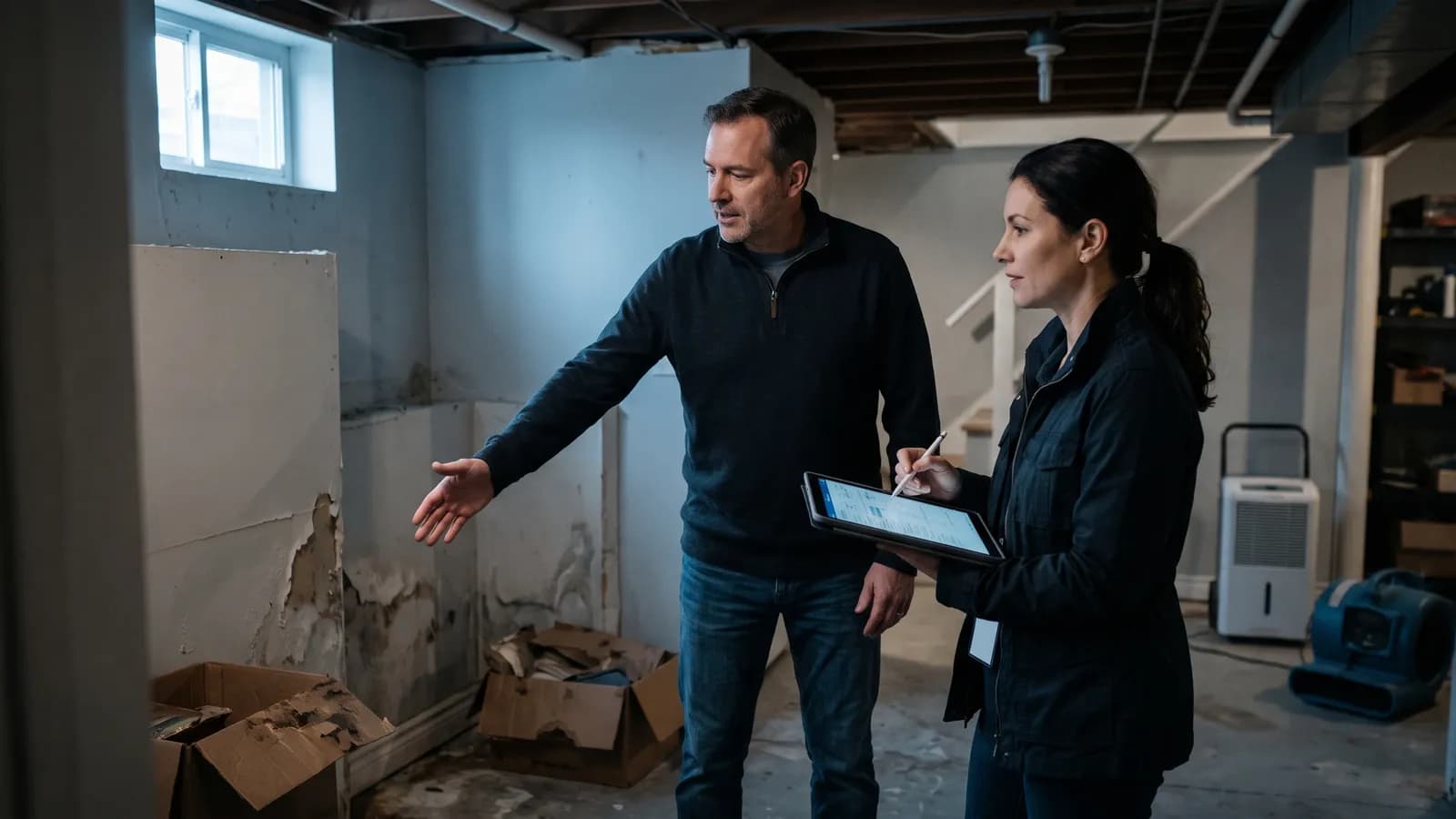
Does Homeowners Insurance Cover Water Damage?
Homeowners insurance covers sudden water damage from burst pipes, appliance failures, and storm-driven rain, excluding gradual leaks, sewer backup, and floods.
Read guide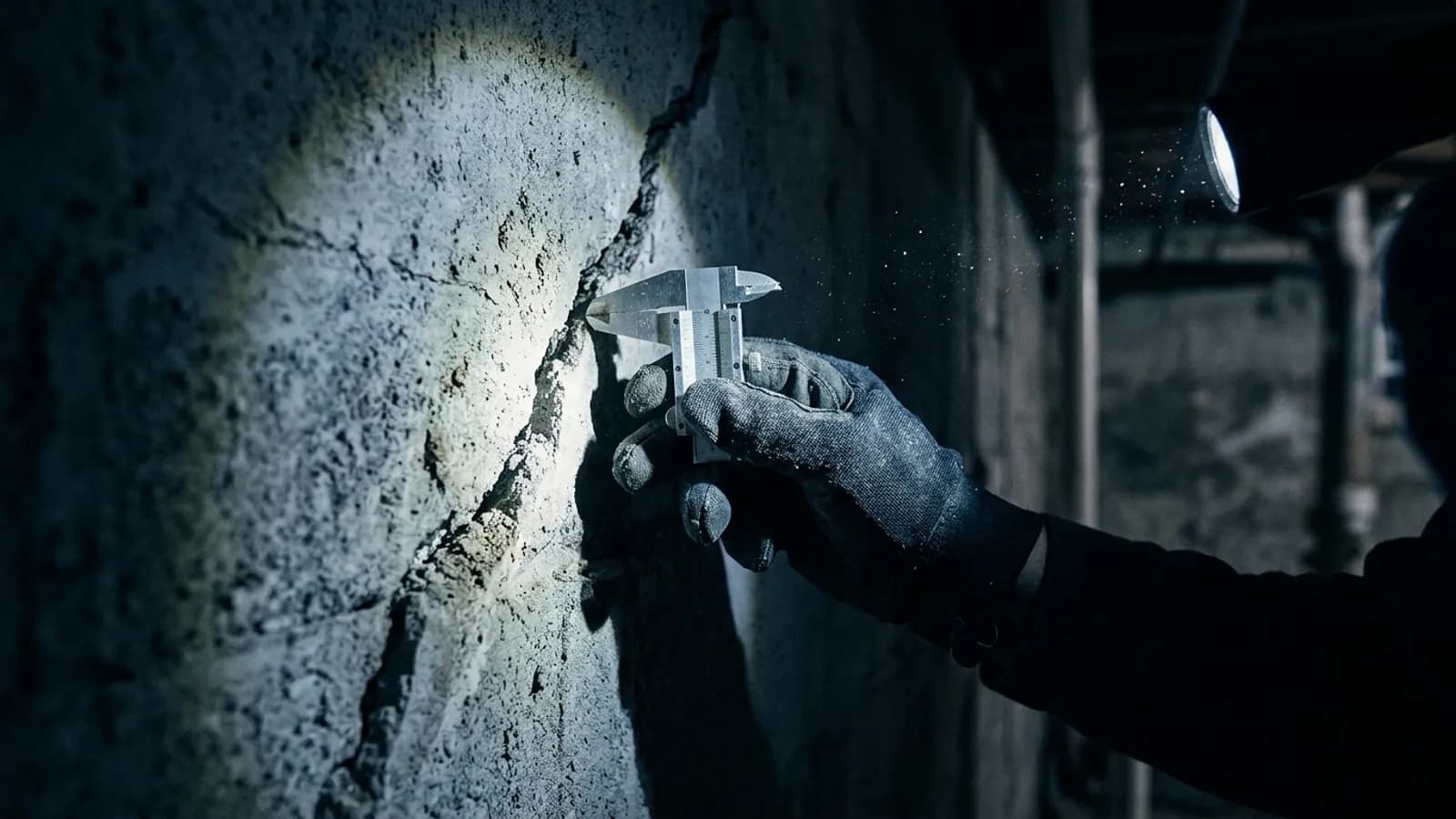
Does Homeowners Insurance Cover Foundation Repair?
Homeowners insurance covers foundation repair only when a sudden covered peril causes it; settling, soil movement, and gradual leaks are excluded maintenance.
Read guideWhat Is Ordinance or Law Coverage?
Ordinance or law coverage pays the cost of rebuilding to current building codes after a covered loss — costs standard policies exclude by the like-for-like rule.
Read guide