
Does Homeowners Insurance Cover Vacant Homes?
Standard homeowners policies reduce or void most coverage past 30–60 days of vacancy; vacancy permits, vacant-home policies, and builder's risk are the fixes.
Why you can trust this guide
- Written by Daniel Reyes, AINS, former licensed P&C agent — independent insurance education publisher.
- Factual accuracy reviewed and signed off by Marcus Hale, CPCU, AINS, licensed P&C agent (Independent insurance reviewer).
- Every factual claim traces to a regulator, statute, or policy document — sources are listed at the bottom of the page.
- Last verified ; time-sensitive guides are re-checked at least twice a year. Read our editorial policy.
On this page
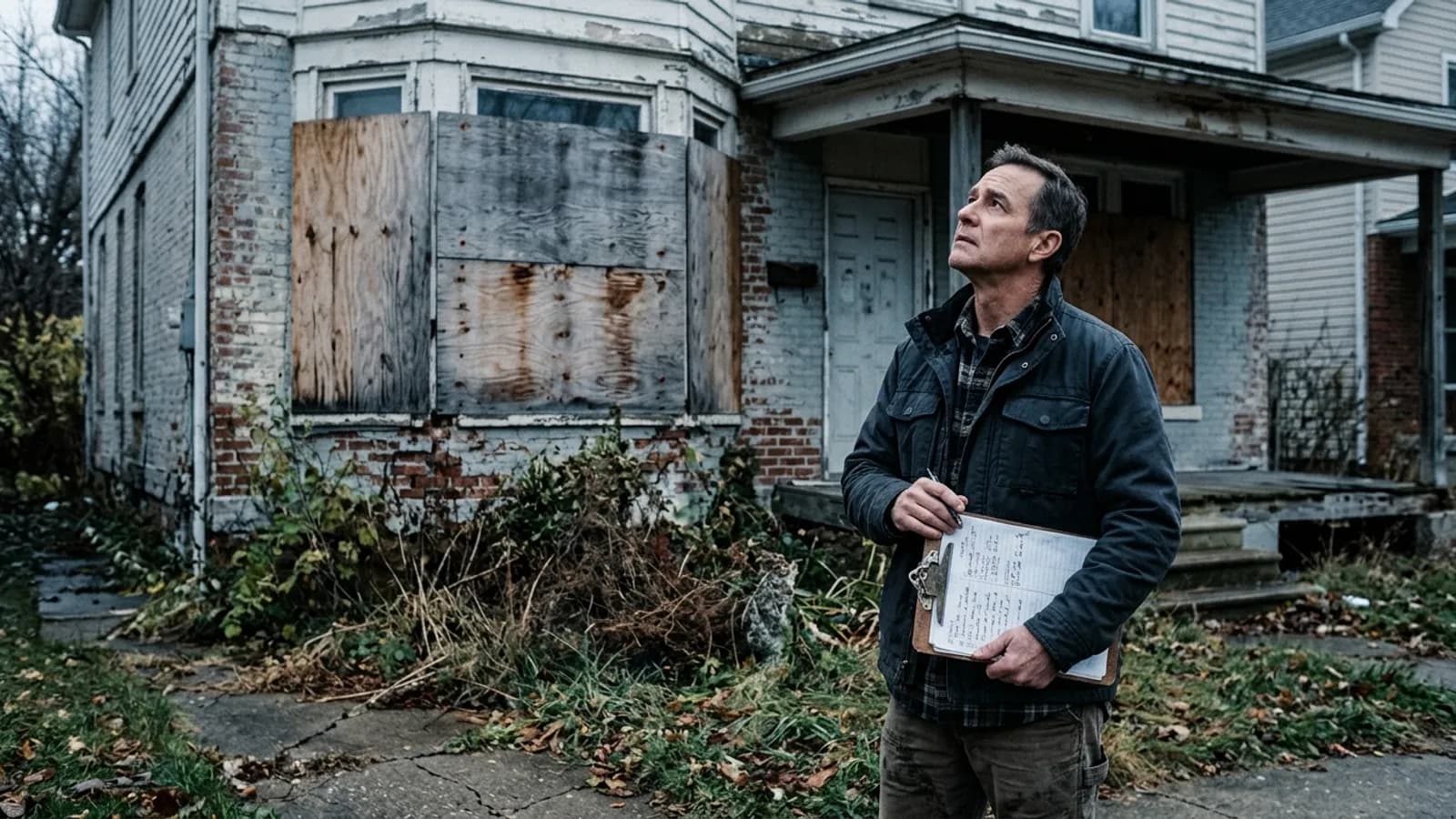
Standard homeowners policies reduce or void most coverage when a home is vacant beyond 30–60 days (policy-specific) — vandalism, theft, and unattended water-damage claims are the standard denials on unreported vacancy. Vacancy permits, vacant-home policies, and builder's risk are the fixes.
Vacancy versus unoccupancy, and the 30–60 day clock
The policy language distinguishes two states homeowners treat as one. Unoccupied: furnished, with belongings, temporarily nobody home — an extended vacation, a hospital stay. Vacant: empty of people and substantially empty of belongings — a home between tenants, on the market staged-bare, or awaiting probate. Vacancy is the harsher status: most policies contain a vacancy clause that limits or eliminates coverage for certain perils — vandalism, glass breakage, water damage from unattended pipe failures — after a stated period, commonly 30 to 60 days; the trigger varies by carrier, so read your form rather than assuming. The unoccupied home keeps fuller coverage but still requires reasonable care: heat maintained in winter, a caretaker or monitoring, mail managed. The classification matters at claim time — a burglary claim on a home the insurer documents as vacant past the trigger is one of the standard vacancy denials.
The three coverage paths for an empty house
Three products cover the empty-house window. First, the vacancy permit endorsement: the cheapest path when the vacancy is short and planned — the carrier formally waives the vacancy condition for a period, sometimes with conditions such as heat maintained, weekly checks, and utilities managed. Ask for it the week the house goes empty; it is a phone call and sometimes a small fee, and it is far cheaper than a claim denial. Second, a vacant-home policy, often a DP-1 dwelling form in the same family as the landlord policy: the purpose-built product for longer vacancies, covering a narrower peril list — commonly fire, lightning, wind, hail, explosion, and vandalism by endorsement — and priced at a premium to standard coverage because the risk is genuinely worse: undiscovered leaks, unattended fires, squatter vandalism. Third, builder's risk or a renovation policy for the home being gutted, which answers the work-in-progress scenario the other two exclude. The renovation-specific version of the empty-house problem is covered in the renovation insurance guide, and the between-tenants version in the landlord checklist.
| Situation | The product | The conditions |
|---|---|---|
| Short, planned vacancy — a month between moves | Vacancy permit endorsement | Heat maintained, weekly checks, utilities managed |
| Long empty listing or estate wait | Vacant-home policy (DP-1 form) | Narrower perils, priced above standard |
| Gut renovation or structural work | Builder's risk | Work-in-progress coverage the home form excludes |
| Rental between tenants | Landlord policy with vacancy notice | Carrier notified in writing at lease end |
The table's timing column is the part owners miss: each product attaches at a different moment, and the permit belongs in force the week the house empties rather than the week a claim appears. Carriers date-stamp the vacancy file, and a permit requested after a loss is a request to waive a condition the loss already violated. Price check: vacant-home policies commonly run meaningfully above standard premiums per year of coverage, which is one more reason the permit route wins for short, planned windows.
The claim-prevention protocol for an empty house
The empty house fails from small problems nobody sees for weeks, so the protocol is scheduled visibility. Weekly in-person checks by the owner, a neighbor, or a property manager, documented with dated photos — which doubles as the insurer's proof of reasonable care. Winterization: heat kept at a floor temperature, commonly 55°F or higher, or a full drain-down of supply lines if the heat will be off; either way the water-heater and washing-machine hose failures that drive vacant losses are addressed. Utilities: keep power on for sump pumps, alarms, and lighting, because a house without power loses the mitigation devices that prevent the claims. Appearance: mail held or forwarded, lawn maintained, timers on lights. The insurance-specific artifact: the same-day call to the carrier when anything goes wrong — the vacancy condition punishes late notice more aggressively than almost any other policy language, and a denial that turns on the condition you reported versus the one you concealed follows the claims process.
Related guides
Vacant-house coverage connects to the renovation and landlord pages, because the same emptiness clock runs through all three scenarios.
- Home Renovation Insurance — builder's risk and the moment a renovation voids the standard form.
- Becoming a Landlord: Insurance Checklist — the between-tenants gap and the DP-3 answer to it.
- What Does Homeowners Insurance Cover? — where the vacancy clause sits among the policy conditions.
- The Home Insurance Claim Process — how vacancy-based denials are argued and appealed.
Sources
Frequently asked questions
How long can my home be vacant before coverage stops?
Commonly 30–60 days, set by the vacancy provision in your own policy — some forms reduce vandalism and water-damage coverage after that period, others narrow the whole peril list. The fix is notification: ask for a vacancy permit endorsement when the house first goes empty. The date the carrier's file shows you notified them is the date that decides how a claim during the vacancy is treated.
Is a house being renovated covered by homeowners insurance?
Cosmetic work — painting, flooring — generally keeps standard coverage. Structural renovation or a gut rehab changes the risk profile enough that carriers require disclosure, and extended vacancies during the work trigger the vacancy provisions. The right products are a builder's-risk or renovation policy for major construction, or a vacancy permit for short cosmetic windows. Renovation claims denied for nondisclosure are common.
What insurance should I carry on a house I am selling?
It depends on occupancy. Furnished and staged homes generally keep a standard or landlord policy with a vacancy-permit note; bare vacant homes need a vacant-home dwelling policy, because the standard form's vacancy condition narrows coverage. Keep utilities live and schedule weekly checks — the undiscovered-leak and pipe-freeze claims that define vacant losses are prevented by exactly those two habits.
Is an unoccupied furnished home treated the same as a vacant one?
No. Unoccupied means furnished with belongings and temporarily nobody home — an extended vacation or hospital stay — and it keeps fuller coverage, though reasonable care still applies: heat maintained in winter, a caretaker or monitoring, mail managed. Vacant means empty of people and substantially empty of belongings, the status the vacancy clause targets. Read your form's definition, because carriers differ on the line.
Does vacancy affect a home I rent out?
Yes, and the landlord policy answers it. Between tenants, a rental unit sits empty of people, which is the vacancy trigger, so landlord policies handle the gap differently from homeowner forms — some reduce perils after the stated period, others continue with notice. The landlord-move checklist sits in the landlord insurance and becoming-a-landlord guides, and the lease-end timing question goes to the carrier in writing.
How we researched this guide
Home policies are forms-driven: the peril list in the form decides what gets paid, so our guides follow the policy form structure.
- Coverage explanations track the standard HO-3/HO-5 form structure — Coverage A through E — because that's the contract language adjusters apply.
- Flood facts come from FEMA's National Flood Insurance Program (floodsmart.gov), since standard home policies exclude flood.
- Regional cost ranges are built from NAIC home-owners insurance statistics, with the drivers of variation (construction, age, wind/hail exposure) named explicitly.
- Mitigation and eligibility claims cite IBHS research and state fair-plan rules where standard market access is an issue.
Where facts vary by state or insurer, we publish the range and the reason for the variation rather than a single misleading average. We do not sell insurance, take money from insurers for coverage, or publish claim amounts we cannot trace to a source.
Sources
The primary sources behind the facts on this page. Last verified November 10, 2026.
- FEMA — National Flood Insurance Program (FloodSmart) — flood coverage, which standard homeowners policies exclude.
- Insurance Institute for Business & Home Safety (IBHS) — property-loss research and mitigation standards that affect eligibility and discounts.
- U.S. Department of Housing and Urban Development (HUD) — FHA-insured property requirements and disaster assistance programs.
- NAIC — National Association of Insurance Commissioners — model regulations, consumer guides, and industry statistics.
- Find your state insurance regulator (NAIC directory) — every state insurance department — the authority for your state's rules and complaint filing.
- Insurance Information Institute (III) — industry statistics and consumer explainers we cross-check against regulator publications.
Rules that vary by state are verified against the state insurance department's consumer pages — find yours via the NAIC directory above.
Keep reading

Home Renovation Insurance: What Your Policy Covers (and When It Stops)
Renovations change insurance: vacancy clauses on unoccupied projects, work-risk exclusions, and contractor-verification duties. Gut renovations need builder's risk.
Read guide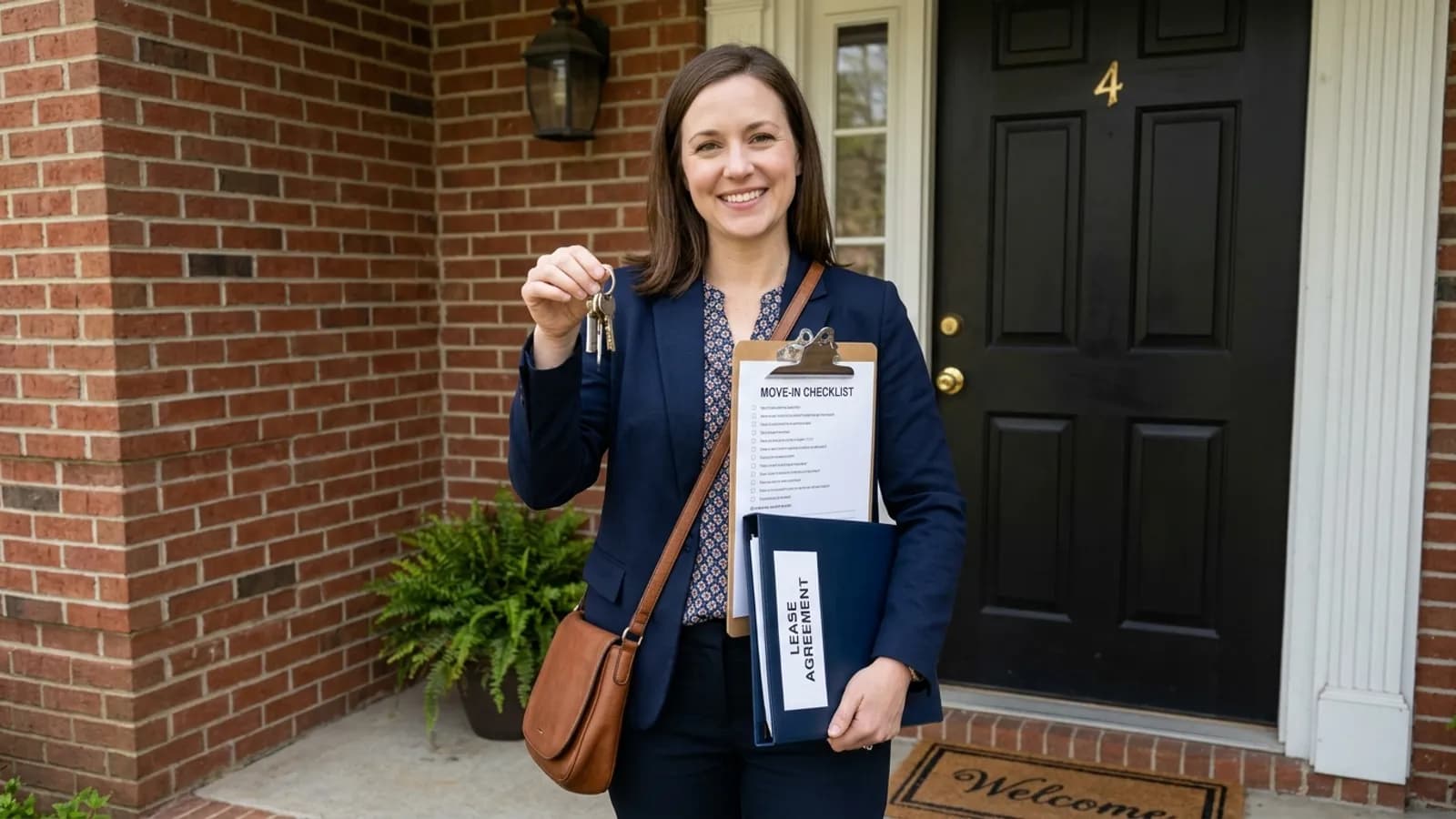
Becoming a Landlord: Insurance Checklist
Turning a home into a rental changes the policy you need: the HO-3-to-DP-3 conversion, fair-rental-value sizing, liability, lease clauses, and tenant requirements.
Read guide
What Does Homeowners Insurance Cover? (And What It Never Covers)
A standard HO-3 covers fire, wind, hail, theft, and burst pipes — and never floods, earthquakes, or gradual damage. The coverage buckets, exclusions, and fixes.
Read guide
The Home Insurance Claim Process: From Damage to Settlement
How a homeowners claim actually works: mitigation, documentation before cleanup, the adjuster visit, the two-check payout, supplements, and common mistakes.
Read guideWhat Is a Vacancy Clause?
A vacancy clause suspends or restricts coverage when a home sits empty past 30–60 days — vandalism, theft, glass, and water perils drop out.
Read guide
Does Homeowners Insurance Cover Lightning Strikes?
Homeowners insurance covers lightning as a core peril — strike damage, resulting fire, and power-surge damage to electronics, the most common lightning claim.
Read guide