
Glossary
What Is a Vacancy Clause?
A vacancy clause is a policy condition that suspends or restricts coverage when a home sits empty beyond the policy's threshold — commonly 30 or 60 consecutive days with no people and no personal property. Vacant homes face vandalism, water damage, and squatter risks insurers price harshly, so several perils drop out during vacancy.
How it works
The clause sits in the policy conditions, and the definition is status-based: vacancy means empty of people AND belongings — furnished-but-absent is unoccupancy, a weaker trigger. Once the threshold runs, perils are restricted: vandalism, sprinkler leakage, glass breakage, water damage, and theft drop out or narrow, while fire and wind remain. The claim consequence splits accordingly — the vacant-home fire that starts in the utility room may still pay, but the copper-piping theft does not. Functionally the clause works like a conditional exclusion: the peril is covered everywhere except while the house sits empty.
Carriers discover vacancy through the claim investigation: utility records showing no water usage, neighbor statements, and the physical evidence of an empty house. The undisclosed vacancy is the expensive version — notification matters, and an unreported vacancy shades into concealment territory that jeopardizes the whole claim. The fixes ladder up by duration: the vacancy permit (an endorsement extending the standard policy), the landlord policy for rentals between tenants, the vacant-home policy (a dedicated 3–12 month product), and builder's risk insurance for structural renovation. Winterization runs alongside whichever route applies — drained lines, antifreeze in traps, and monitored heat where systems stay on — because the frozen-pipe exclusion tightens in vacancy and leaves the winter house with no water-damage coverage at all.
Typical values
| Context | Typical value |
|---|---|
| Vacancy threshold | 30 or 60 consecutive days, per the policy |
| Restricted perils during vacancy | Vandalism, theft, glass, water damage, sprinkler leakage |
| Vacant-home policy pricing | 2–4× standard homeowners premium |
| Vacant-home policy terms | 3–12 months |
| Probate timeline (typical exposure) | 6–18 months of vacancy |
Vacancy clause vs unoccupancy
Vacancy is the empty house; unoccupancy is the furnished one. The restricted perils attach to genuine vacancy, while the furnished sabbatical house or hospital-stay home generally keeps coverage intact. The personal property inside is the practical line: a house with furniture and belongings is unoccupied, and an emptied one is vacant. Policies define both terms in their conditions, and the wording — not intuition — decides the claim. The snowbird's departure usually lands on the unoccupied side; the estate emptied for probate lands squarely on vacancy.
Worked example
An estate home sits empty five months during probate. In month three, a supply line bursts; the damage is discovered in month five — $38,000 of water loss. The policy's vacancy threshold was 60 days, so the water-damage restriction applied and the claim is denied. The fix that was never taken: a vacancy permit filed at probate's start, roughly $200 per year, or a vacant-home policy for the estate period. Winterization — draining lines, antifreeze, monitored heat — was the second layer that would have prevented the loss entirely.
Related guides
The vacancy clause connects to the perils it suspends and the products built for empty houses.
- What Is Builder's Risk Insurance? — the renovation product for the vacancy a move-out creates.
- What Is Open Peril Coverage? — the coverage form the vacancy restrictions narrow.
- Does Homeowners Insurance Cover Vacant Homes? — the homeowner-facing version of this clause.
- What Is Landlord Insurance? — coverage between tenants and the DP-3 vacancy rules.
- What Is Fair Rental Value Coverage? — the rental-income benefit that stops when a unit sits empty.
Frequently asked questions
When does a home count as vacant for insurance?
Under standard policy language, after 30–60 consecutive days with no people and no personal property present. A furnished home you are away from is unoccupied, not vacant, and keeps full coverage. Once vacant, several perils — vandalism, theft, water damage, glass — are restricted until the vacancy ends or a vacancy permit applies.
How do I insure a house I'm renovating or an estate home sitting empty?
Two routes: notify your carrier for a vacancy permit (short renovations), or buy a dedicated vacant-home policy for longer periods — priced 2–4× standard, sold in 3–12 month terms. Estate and probate timelines almost always require the dedicated product. Winterization and security requirements attach to both routes.
What's the difference between vacant and unoccupied?
Vacant means empty of people and belongings; unoccupied means furnished but no one home — the sabbatical house, the extended hospital stay. The vacancy clause applies to vacant; unoccupancy is murkier and some policies address it separately. The personal property inside is usually the deciding line.
Related guides
What Is an Exclusion in Insurance?
An exclusion is a peril, property type, or situation a policy does not cover — floods, earthquakes, wear and tear — marking exactly where your protection ends.
Read guideWhat Is a Peril?
A peril is the specific cause of loss a policy insures against — fire, windstorm, hail, theft — the list that separates named-peril from open-peril forms.
Read guide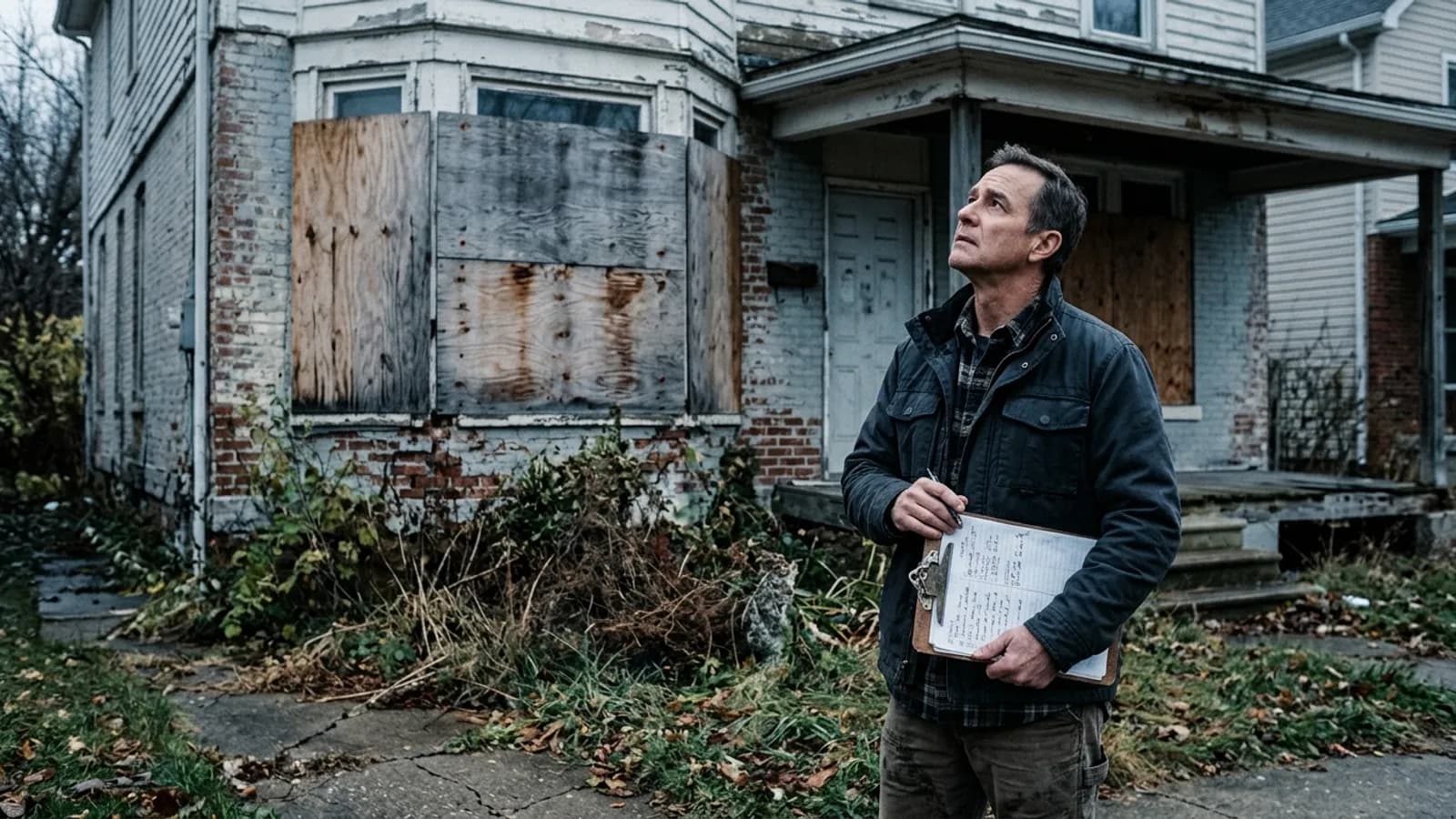
Does Homeowners Insurance Cover Vacant Homes?
Standard homeowners policies reduce or void most coverage past 30–60 days of vacancy; vacancy permits, vacant-home policies, and builder's risk are the fixes.
Read guide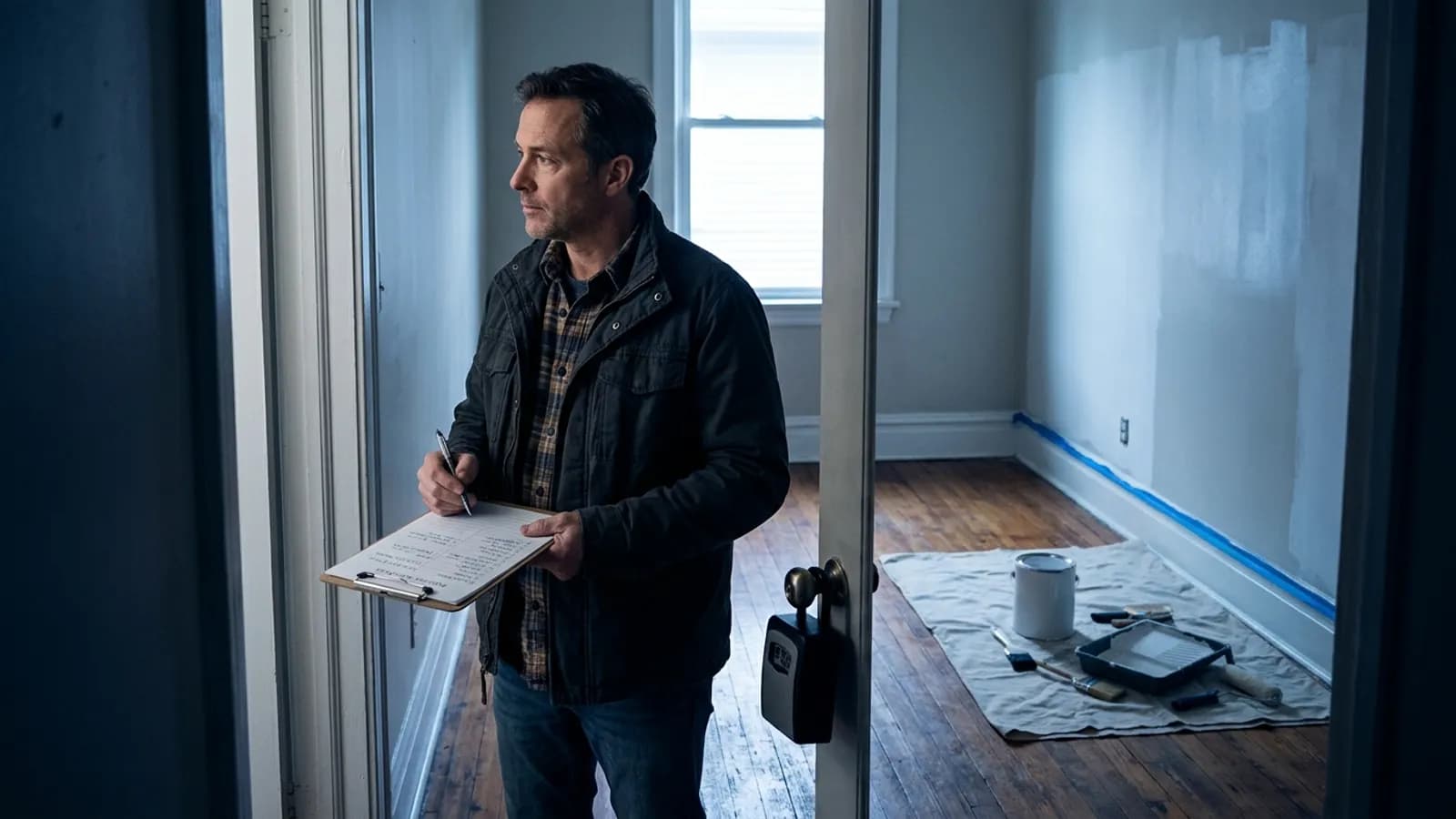
What Is Landlord Insurance? (DP-3) Coverage and Costs
Landlord insurance (DP-3) covers the rental structure, your liability, and lost rent — not the tenant's belongings. Costs run $1,000–$2,500 per year.
Read guideWhat Is Fair Rental Value Coverage?
Fair rental value is the landlord-policy coverage paying the rent you stop collecting while a covered loss makes the rental unlivable — commonly up to 12 months.
Read guide← Back to the full insurance glossary
Sources
The primary sources behind the facts on this page. Last verified November 10, 2026.
- HealthCare.gov Glossary — official ACA definitions for health-coverage terms.
- Insurance Information Institute (III) — property & casualty term definitions cross-checked against policy forms.
- NAIC consumer resources — regulator-authored guides and glossaries for each line of insurance.
Rules that vary by state are verified against the state insurance department's consumer pages — find yours via the NAIC directory above.