
Renters Insurance in Honolulu, HI: Costs and Guide (2026)
Renters insurance in Honolulu costs about $15–$23 per month. Island replacement costs, hurricane exclusions, and vog-season questions shape the price.
Why you can trust this guide
- Written by Daniel Reyes, AINS, former licensed P&C agent — independent insurance education publisher.
- Factual accuracy reviewed and signed off by Marcus Hale, CPCU, AINS, licensed P&C agent (Independent insurance reviewer).
- Every factual claim traces to a regulator, statute, or policy document — sources are listed at the bottom of the page.
- Last verified ; time-sensitive guides are re-checked at least twice a year. Read our editorial policy.
On this page
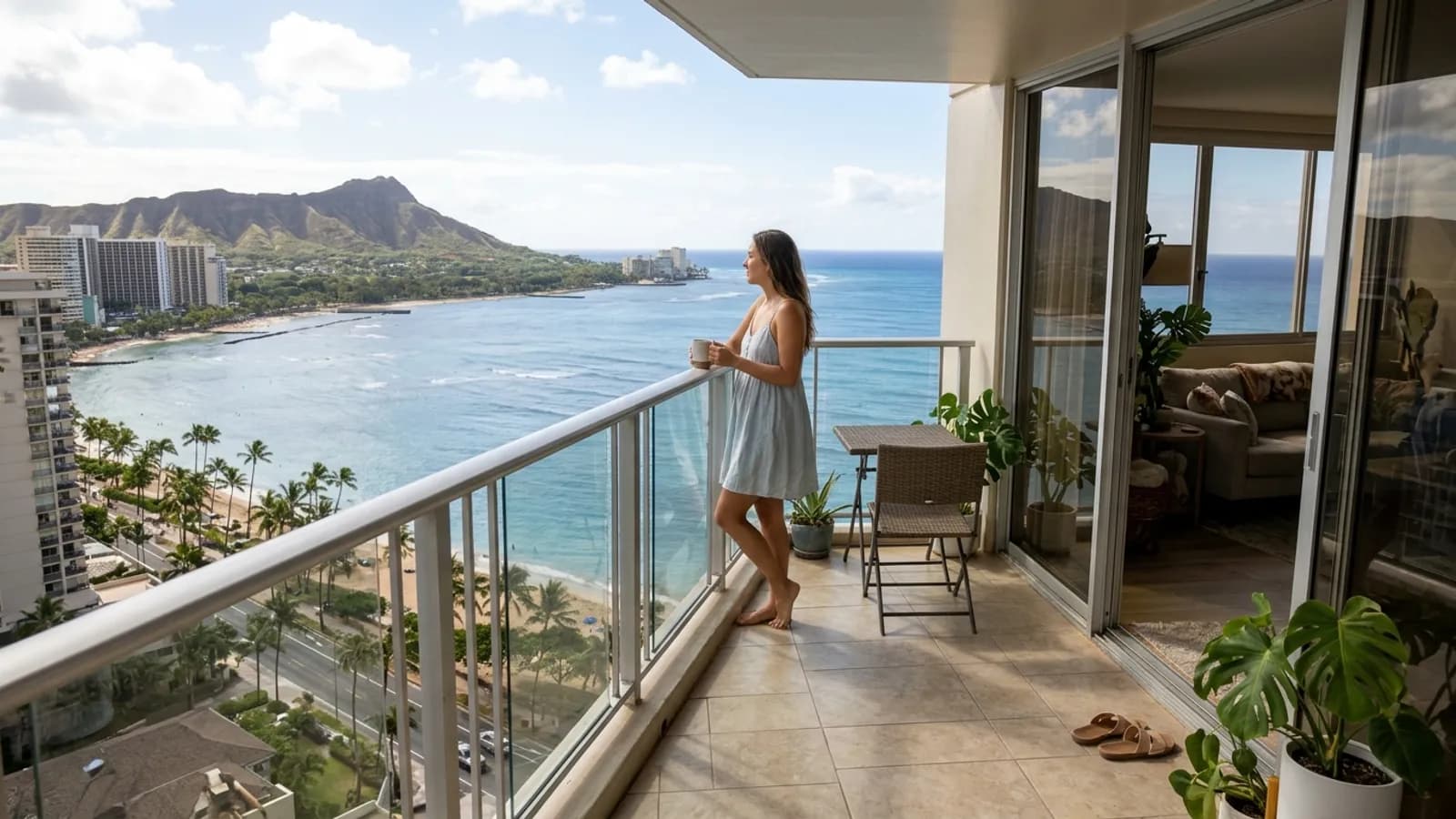
Renters insurance in Honolulu costs about $15–$23 per month for a standard policy — $20,000–$30,000 of property coverage and $100,000 of liability. Island logistics raise replacement costs above most mainland metros of comparable size. The coverage decision that defines Honolulu is the hurricane: standard island policies often exclude it, and renters should confirm hurricane coverage in writing before relying on the base form.
What Honolulu tenants pay
| Profile | Typical cost |
|---|---|
| Hawaii statewide average | $15–$22 per month |
| Honolulu standard policy ($20k–$30k property, $100k liability) | $15–$23 per month |
| Add $300k liability + replacement-cost valuation | +$3–$6 per month |
| Auto bundle discount | −5–25% off both policies |
Pricing follows replacement costs, which island shipping inflates citywide. Waikiki and Ala Moana towers quote toward the top of the range on contents value. Downtown and Kakaako's newer towers sit mid-to-high. Manoa's University of Hawaii-adjacent rentals price on student turnover theft. Neighbor-island markets run slightly below the capital. There is no cheap-Honolulu ZIP: the shipping premium applies everywhere on Oahu, so re-quoting carriers moves the number more than moving neighborhoods does.
Why Honolulu prices the way it does
Island logistics are Honolulu's pricing engine: nearly every replacement — furniture, appliances, electronics — ships across the Pacific, and scarce repair labor raises what a loss actually costs to settle. Hurricane exposure adds the second layer, and the Hurricane Iniki legacy in 1992 shaped how island insurers split wind coverage between base forms and separate policies. Vog seasons raise volcanic questions without usually producing claims. Urban theft in the Waikiki visitor corridor adds lift, and limited local carrier competition narrows the quote spread renters see.
Requirements and landlord norms in Honolulu
Hawaii landlords require renters insurance routinely, and Honolulu's tower operators enforce at lease signing, typically at $100,000 of liability. The repeat move-in checks are the liability limit, the management company listed as an interested party for renewal and cancellation notices — notification only, no coverage granted — and a bound policy rather than a quote. Each leaseholder certifies separately; unrelated roommates each carry their own policy. Tower management in the visitor districts sometimes adds move-in documentation checks that mainland operators skip, given the density of seasonal tenants.
The Honolulu claim pattern
- Hurricane exposure — confirm the treatment — standard island policies often exclude named-storm wind. Read the hurricane line in writing; many forms need a separate policy or endorsement. Iniki in 1992 is the benchmark that made this check standard practice.
- Island-logistics replacement costs — claims settle higher than mainland equivalents because replacements ship in and labor is scarce; replacement-cost valuation captures that reality, actual cash value does not.
- Vog-season questions — Kilauea-era haze across the state raises volcanic and ash treatment questions; verify whether the policy names volcanic action before a Vog-heavy season.
- Theft in the Waikiki and visitor corridors — vehicle break-ins and unit theft feed claims up to category caps of about $1,500 for electronics and bikes.
- Displacement after a storm event — a covered loss that makes the unit unlivable triggers loss of use coverage, which in Honolulu pays against some of the country's highest hotel rates.
Coverage setup that fits Honolulu
- $25,000–$30,000 property with replacement cost — island logistics make depreciated payouts worst here; the $2–$4-per-month upgrade is the local default.
- $300,000 liability — the step above the $100,000 landlord ask costs a dollar or two per month.
- Hurricane policy or endorsement — priced separately in many island forms; verify the named-storm treatment in writing.
- $500 deductible — the $1,000 step saves $1–$3 per month; keep the low deductible.
- Scheduled property — for electronics, cameras, or surf equipment above the $1,500 category caps.
- Landlord certificate and interested-party listing — bind first; tower operators verify before key release.
The natural disasters question page maps which island perils ride along, and the base-policy guide explains the standard form end to end.
Related guides
The Hawaii state page carries the statewide rules, and Honolulu's hurricane-and-logistics pattern pairs with the mainland metros that share the wind exposure.
- Renters Insurance in Hawaii: Costs and What to Know — statewide island costs and rules behind the $15–$23-per-month range.
- Renters Insurance: The Complete Guide — the full standard-policy mechanics.
- Renters Insurance in Miami, FL — the wind-versus-surge hurricane city on the mainland ($16–$26 per month).
- Renters Insurance in San Diego, CA — coastal replacement costs in the other Pacific market ($15–$23 per month).
- The 8 Renters Insurance Mistakes That Cost Tenants Money — the assumptions island policies punish first.
Sources
- Hawaii Insurance Division — Hawaii consumer resources
- NAIC — Consumer resources
Frequently asked questions
How much is renters insurance in Honolulu?
Renters insurance in Honolulu runs about $15–$23 per month for a standard policy — $20,000–$30,000 of property coverage and $100,000 of liability. Island logistics raise replacement costs, since belongings ship in and repair labor is scarce, so Honolulu prices above most mainland metros of its size.
Do Honolulu landlords require renters insurance?
Yes. Hawaii landlords require renters insurance routinely, and Honolulu's tower operators enforce it at lease signing. Most leases set a $100,000 liability minimum, add the management company as an interested party, and confirm a bound policy before keys change hands.
Does renters insurance cover hurricanes in Honolulu?
Confirm before you rely on it. Standard island policies often exclude hurricane, and Hawaii renters should verify the hurricane treatment in writing — many forms need a separate policy or endorsement for named-storm wind. Hurricane Iniki in 1992 remains the benchmark loss that drove this split.
Does vog or volcanic activity affect Honolulu renters coverage?
Vog itself rarely causes a claim, but volcanic questions come up in Vog-era seasons when Kilauea activity sends haze across the state. Ash and lava are volcanic perils with policy-specific treatment on island forms; check whether your policy names volcanic action as covered or excluded before relying on it.
Is replacement cost coverage worth adding in Honolulu?
In Honolulu, more than most cities. Replacement-cost valuation adds roughly $2–$4 per month over actual cash value, but island logistics mean replacements ship in and labor is scarce — depreciated payouts buy much less here. At a $15–$23 monthly premium, the upgrade is the highest-value addition.
Does renters insurance in Honolulu cover theft from my car?
Yes. Belongings stolen from a parked vehicle are covered up to the property limit, subject to category caps — jewelry, electronics, and bikes often carry $1,500 sub-limits. The claim files on the renters policy rather than the auto policy; the vehicle itself falls under auto comprehensive coverage.
How we researched this guide
Renters coverage is small and simple, but landlord requirements and state rules vary — so we verify both sides of the lease.
- What HO-4 policies cover (and the liability and loss-of-use mechanics) is verified against standard policy forms and DOI consumer guides.
- Landlord-side insurance requirements are framed against HUD tenant-rights resources, since required coverage limits appear in lease terms, not statutes.
- Cost figures are ranges by state and coverage limit, anchored to NAIC statistics.
- Disaster-aid expectations are set from FEMA guidance: federal assistance is not a replacement for coverage, and we explain exactly what it does pay.
Where facts vary by state or insurer, we publish the range and the reason for the variation rather than a single misleading average. We do not sell insurance, take money from insurers for coverage, or publish claim amounts we cannot trace to a source.
Sources
The primary sources behind the facts on this page. Last verified November 10, 2026.
- HUD — tenant rights and responsibilities — state landlord-tenant rules that affect liability requirements.
- FEMA — renters and disaster assistance — what federal disaster aid does and does not cover for tenants.
- NAIC — National Association of Insurance Commissioners — model regulations, consumer guides, and industry statistics.
- Find your state insurance regulator (NAIC directory) — every state insurance department — the authority for your state's rules and complaint filing.
- Insurance Information Institute (III) — industry statistics and consumer explainers we cross-check against regulator publications.
Rules that vary by state are verified against the state insurance department's consumer pages — find yours via the NAIC directory above.
Keep reading

Renters Insurance in Hawaii: Costs and What to Know (2026)
Renters insurance in Hawaii costs about $15–$22 per month. Island hurricane, volcano, and tsunami exclusions shape what tenants should set up before signing.
Read guideRenters Insurance: The Complete Guide
Renters insurance covers your belongings, your liability, and your hotel bill when the rental is unlivable — what it pays, what it excludes, and how to pay less.
Read guide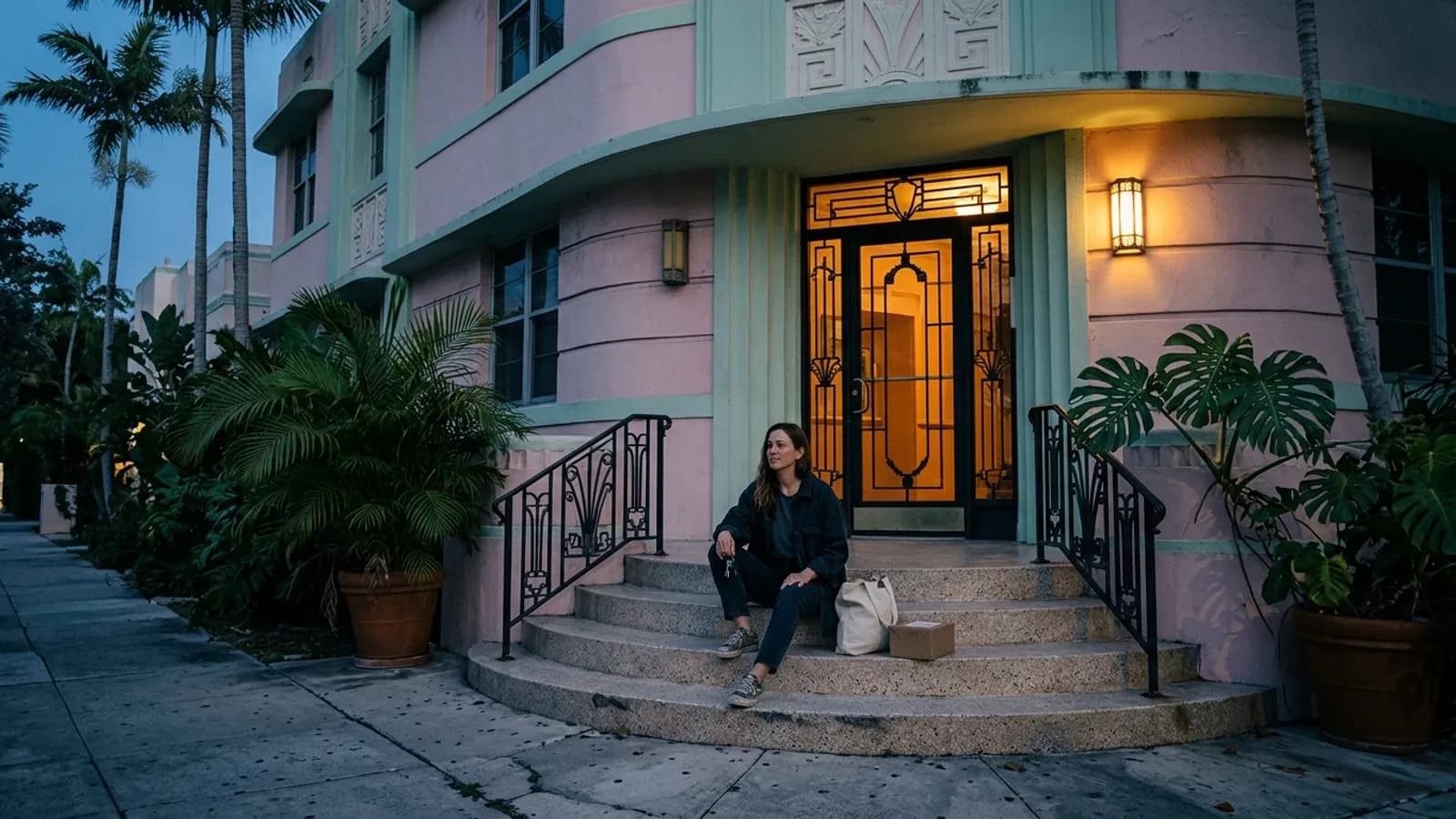
Renters Insurance in Miami, FL: Costs and Guide (2026)
Renters insurance in Miami costs about $16–$26 per month; what Miami tenants pay, the wind-versus-surge coverage line, landlord rules, and the endorsements that matter here.
Read guide
Renters Insurance in San Diego, CA: Costs and Guide (2026)
Renters insurance in San Diego costs about $15–$23 per month; what tenants pay, east county wildfire smoke, vehicle theft patterns, and the earthquake exclusion.
Read guide
The 8 Renters Insurance Mistakes That Cost Tenants Money
Eight renters insurance mistakes cost real money: ACV coverage, thin liability, skipped endorsements, unlisted roommates, undisclosed pets, and lapsed renewals.
Read guide