
Does Renters Insurance Cover E-Bikes?
Depends on the class — pedal-assist e-bikes under common power thresholds are covered as bicycles, while Class 3 and moped-style models hit motor-vehicle exclusions.
Why you can trust this guide
- Written by Daniel Reyes, AINS, former licensed P&C agent — independent insurance education publisher.
- Factual accuracy reviewed and signed off by Marcus Hale, CPCU, AINS, licensed P&C agent (Independent insurance reviewer).
- Every factual claim traces to a regulator, statute, or policy document — sources are listed at the bottom of the page.
- Last verified ; time-sensitive guides are re-checked at least twice a year. Read our editorial policy.
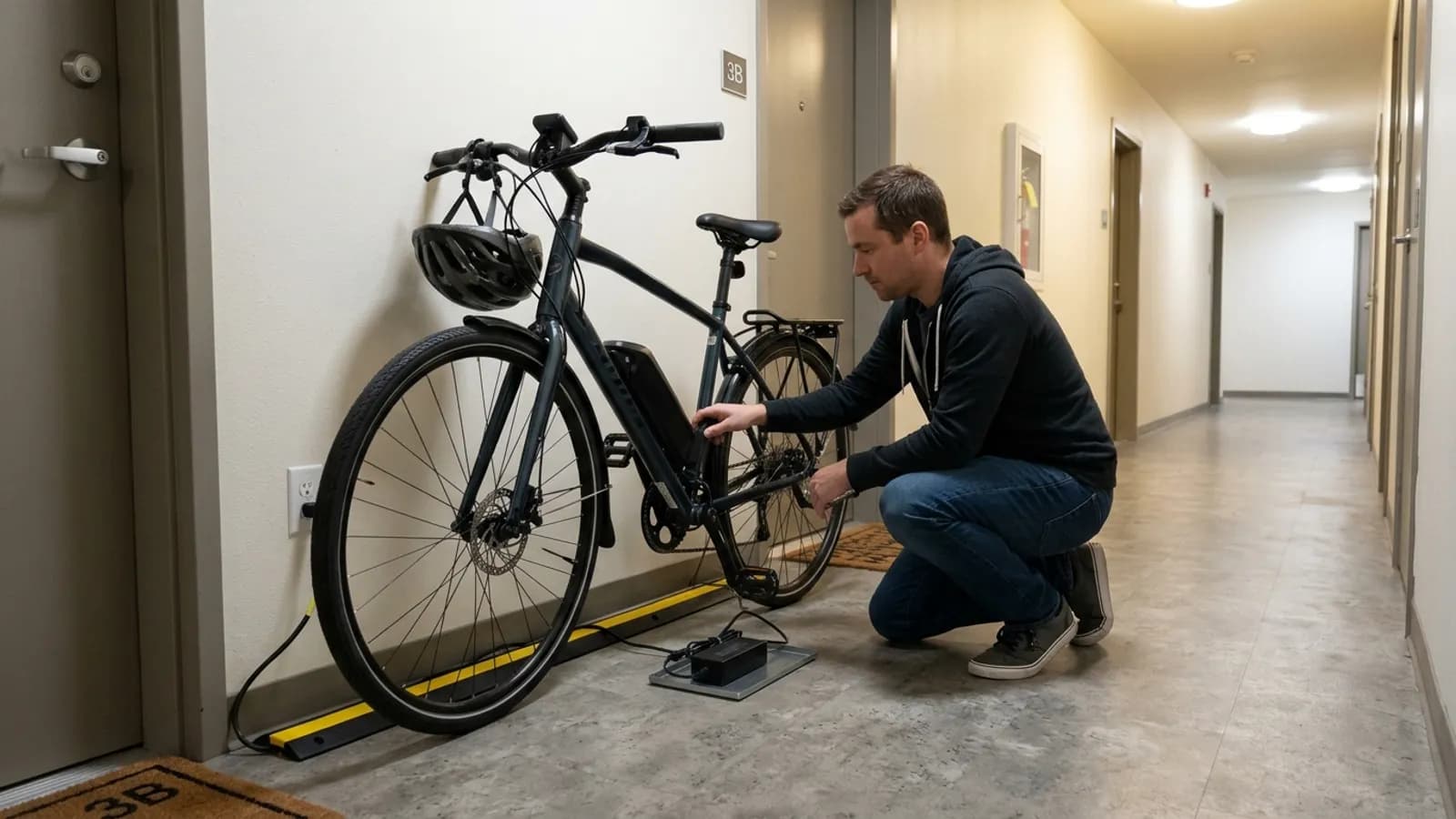
On this page
It depends on the class — pedal-assist e-bikes under common power thresholds are covered as bicycles, but throttle-driven, Class 3, and moped-style models can be classified as motor vehicles and excluded entirely.
The class map that decides e-bike coverage
E-bike coverage turns on classification, and the three-class model maps onto insurance forms unevenly:
| E-bike class | Standard renters policy | The usual gap |
|---|---|---|
| Class 1 (pedal-assist, under 20 mph) | Commonly covered as personal property | None for theft; accidental damage excluded |
| Class 2 (throttle, under 20 mph) | Commonly covered — verify the motor-vehicle wording | Same as Class 1 |
| Class 3 (up to 28 mph) | Often excluded as a motor vehicle | Needs an endorsement or specialty policy |
| Over 750W / moped-style | Excluded — treated as a motor vehicle | Motorcycle or moped policy territory |
Forms differ on the exact wattage and speed thresholds, which is why the motor-vehicle exclusion — not the price — is the clause to read before insuring the bike. Ask the carrier to classify your specific model in writing; the written answer is what the claim will be measured against.
The theft, liability, and battery-fire pieces
When the class is covered as property, theft pays like any other belonging: a $2,000 e-bike with a $500 deductible returns $1,500 under replacement cost, and materially less under actual cash value on a two-year-old bike. E-bike prices of $2,000–$8,000 routinely outrun the bicycle sub-limit, so scheduling is the standard move — covered in the stolen bike question.
Liability is the second piece: an e-bike that clips a pedestrian or damages a parked car is a personal-liability claim, covered up to your limit when the form treats the bike as a bicycle. Battery fire is the third: a lithium battery that ignites damages your belongings under the fire peril, and can trigger liability if the fire spreads to the building — the scenario that makes the $300,000 liability upgrade worth its few dollars per month. A Class 3 exclusion, by contrast, can zero all three pieces at once, which is how e-bike owners discover their policy quietly did not exist for the bike at all.
The endorsement and specialty paths
Three routes fix the gaps. Some carriers sell bicycle or e-bike scheduling: the bike gets its own stated value, the deductible disappears, and accidental damage becomes covered — the difference between a crash-destroyed $2,500 bike paying nothing and paying the replacement. Carriers without scheduling often point to specialty e-bike insurers, which write hull (theft and damage) plus cycling liability, including collisions the standard policy would never touch; a personal-property floater is a third option where the carrier accepts one.
The third route is documentation, and it is free: keep the purchase receipt, the class label, and photos of the bike, because the first claim on any e-bike starts with the carrier confirming the class it is covering. E-bikes above roughly $1,500 — where scheduling costs $15–$50 per year — are the clearest scheduling candidates.
What Class 3 owners should verify before riding
- Ask the carrier to classify the model in writing — wattage, top-assist speed, throttle behavior.
- Read the motor-vehicle exclusion for both property and liability, not just property.
- Check state law on Class 3 usage (age minimums, helmet rules, where riding is permitted) separately from insurance.
- Price the specialty e-bike policy against the scheduling quote before settling for an exclusion.
Related guides
E-bike coverage overlaps the bicycle, fire, and liability questions:
- Does Renters Insurance Cover Fires? — how a battery fire claim runs, from documentation to liability.
- Does Renters Insurance Cover Theft From My Car? — where locked-up bikes and their accessories actually get stolen.
- What Is Renters Insurance and How Much Does It Cost? — the three policy parts and the $15–$30 per month band behind them.
- The 8 Renters Insurance Mistakes That Cost Tenants Money — assuming the form covers your newest purchase is a classic entry.
Sources
Frequently asked questions
Is a Class 3 e-bike covered by renters insurance?
Often not — Class 3 (up to 28 mph assist) is the classification most likely to be treated as a motor vehicle and excluded from personal-property coverage. Class 1 pedal-assist bikes are the safest classification. Get the insurer's written answer for your specific model before buying.
Is my e-bike covered if it is stolen while locked up outside?
If the bike's class is covered as personal property, theft is covered wherever it happens. Photograph the scene and keep the cut lock — some forms want evidence of theft for off-premises claims. The bicycle sub-limit applies, which is why scheduling matters for bikes worth $2,000 or more.
Does renters insurance cover an e-bike battery fire?
Fire damage to your belongings is a covered peril, and liability can apply if the fire spreads to the building or neighbors. Whether the e-bike itself is replaced depends on the motor-vehicle exclusion and the bike's classification — the fire peril and the bike coverage are separate questions.
Do I need insurance to ride an e-bike legally?
Class 1 and Class 2 generally require none. Some states regulate Class 3 usage, and landlords or HOAs may require proof of liability. Legal requirements are separate from coverage — a legal bike can still be excluded by your policy form, so verify both.
Am I liable if my e-bike hits a pedestrian?
Your personal liability section may respond for injuries you negligently cause — unless the e-bike is classified as a motor vehicle, which some policies exclude from liability as well. The written classification from your insurer resolves the question before the claim, not after.
How we researched this guide
Renters coverage is small and simple, but landlord requirements and state rules vary — so we verify both sides of the lease.
- What HO-4 policies cover (and the liability and loss-of-use mechanics) is verified against standard policy forms and DOI consumer guides.
- Landlord-side insurance requirements are framed against HUD tenant-rights resources, since required coverage limits appear in lease terms, not statutes.
- Cost figures are ranges by state and coverage limit, anchored to NAIC statistics.
- Disaster-aid expectations are set from FEMA guidance: federal assistance is not a replacement for coverage, and we explain exactly what it does pay.
Where facts vary by state or insurer, we publish the range and the reason for the variation rather than a single misleading average. We do not sell insurance, take money from insurers for coverage, or publish claim amounts we cannot trace to a source.
Sources
The primary sources behind the facts on this page. Last verified November 10, 2026.
- HUD — tenant rights and responsibilities — state landlord-tenant rules that affect liability requirements.
- FEMA — renters and disaster assistance — what federal disaster aid does and does not cover for tenants.
- NAIC — National Association of Insurance Commissioners — model regulations, consumer guides, and industry statistics.
- Find your state insurance regulator (NAIC directory) — every state insurance department — the authority for your state's rules and complaint filing.
- Insurance Information Institute (III) — industry statistics and consumer explainers we cross-check against regulator publications.
Rules that vary by state are verified against the state insurance department's consumer pages — find yours via the NAIC directory above.
Keep reading
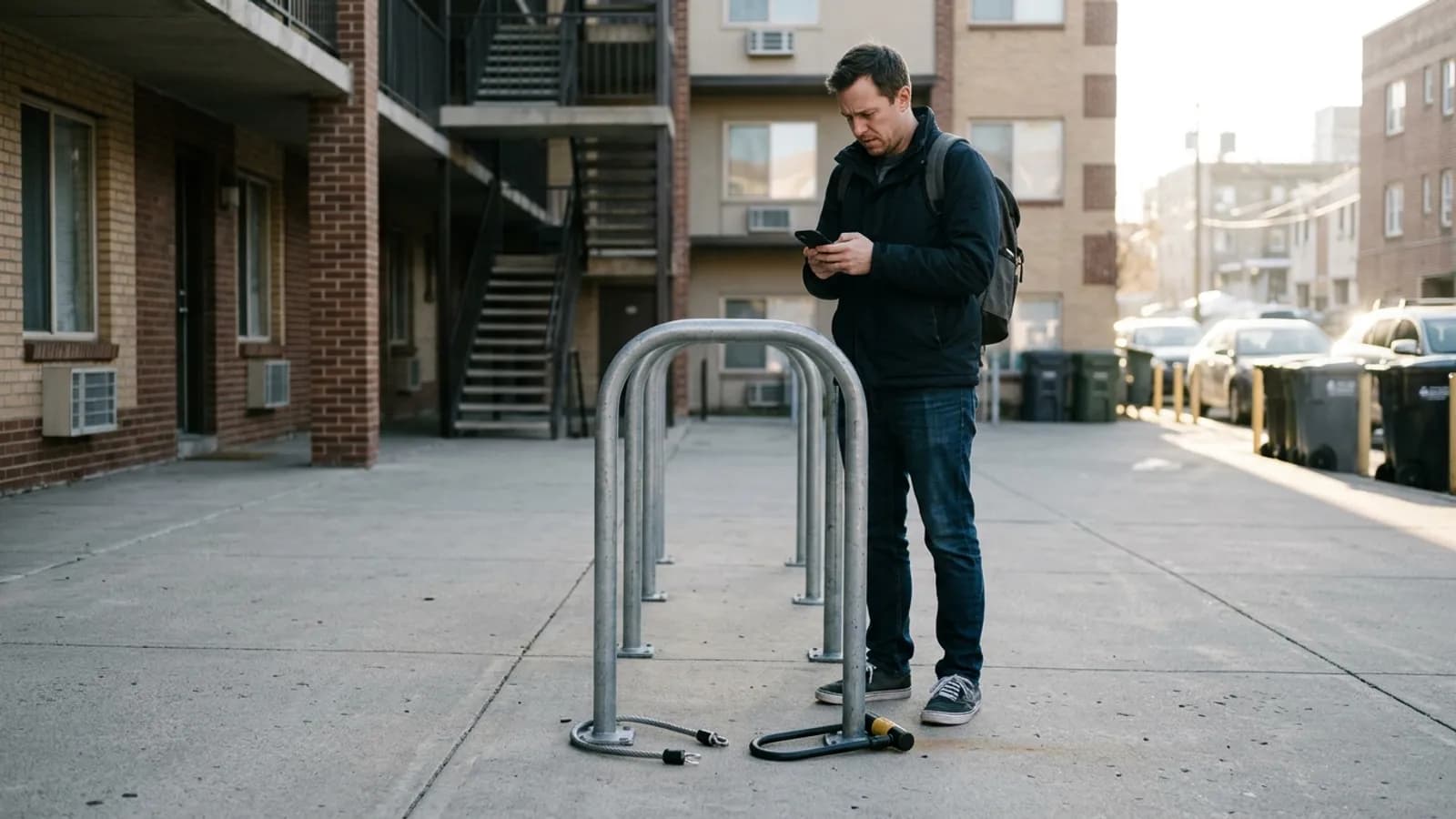
Does Renters Insurance Cover a Stolen Bike?
Yes — renters insurance covers stolen bikes on and off premises, but bicycle sub-limits of $500–$2,000 cap the payout; pricier bikes need scheduling for full value.
Read guide
Does Renters Insurance Cover Fires?
Yes — fire is the core renters peril: burned and smoke-damaged belongings are covered, loss of use pays displacement, and liability covers negligence-started fires.
Read guide
The 8 Renters Insurance Mistakes That Cost Tenants Money
Eight renters insurance mistakes cost real money: ACV coverage, thin liability, skipped endorsements, unlisted roommates, undisclosed pets, and lapsed renewals.
Read guideWhat Is a Personal Property Floater?
A floater is a scheduled personal property policy covering specific valuables — jewelry, cameras, bikes — at appraised value, no deductible, with broader perils.
Read guideWhat Is Liability Insurance?
Liability insurance pays others when you're legally responsible for their injuries or property damage — plus the legal defense — and never pays your own losses.
Read guide