
Car Insurance in Nevada: Minimums, Costs, and How to Save (2026)
Car insurance in Nevada costs $1,900–$2,900 per year for full coverage, priced around Las Vegas traffic, theft, and desert flash-flood risk.
Why you can trust this guide
- Written by Daniel Reyes, AINS, former licensed P&C agent — independent insurance education publisher.
- Factual accuracy reviewed and signed off by Marcus Hale, CPCU, AINS, licensed P&C agent (Independent insurance reviewer).
- Every factual claim traces to a regulator, statute, or policy document — sources are listed at the bottom of the page.
- Last verified ; time-sensitive guides are re-checked at least twice a year. Read our editorial policy.

On this page
Car insurance in Nevada costs about $1,900–$2,900 per year for full coverage. Las Vegas sets the tone — tourism traffic, elevated theft rates, and monsoon flash floods — while the desert's extreme heat and Reno's wildfire fringe round out the claim file. Minimum liability runs 25/50/20, and Nevada is an at-fault (tort) state.
What Nevada drivers pay
A clean-record Nevada driver pays $1,900–$2,900 per year for full coverage, with Clark County carrying the state's worst claim experience.
| Driver profile | Typical annual cost |
|---|---|
| Full coverage, clean record, statewide | $1,900–$2,900 |
| Minimum coverage only (25/50/20) | Roughly 30–40% of the full-coverage figure |
| Las Vegas metro | $2,000–$3,200 |
| Reno / Washoe County | Below the Vegas range, above rural counties |
| One at-fault crash on the record | +25–50% |
| Teen driver added to the household | +$2,000–$5,000 per year |
Las Vegas garaging adds congestion, theft, and tourist-density exposure that territorial rating prices directly; Elko and the rural north price at the bottom. Dispersion between carriers is wide for identical records — the average cost of car insurance guide compares Nevada's range nationally, and the Las Vegas, NV page breaks down the metro market.
What Nevada law requires
The Nevada Division of Insurance regulates auto coverage in the state. Requirements are:
- Bodily injury liability: $25,000 per person, $50,000 per accident.
- Property damage liability: $20,000 per accident.
- Uninsured/underinsured motorist: must be offered at 25/50; you may decline in writing. Uninsured motorist coverage pays your own injuries when the at-fault driver carries nothing.
- PIP and MedPay: not required, but insurers must offer them on liability policies.
- Continuous electronic verification. Nevada's DMV cross-checks coverage through its Insurance Verification Program; a lapse draws a registration-suspension notice, not a grace period.
A Nevada DUI adds a 3–5-year surcharge window with most carriers plus an SR-22 filing for reinstatement.
The Nevada claim landscape
Heat, water, theft, and tourism traffic define Nevada's claim pattern.
- Monsoon flash floods — July–September storms flood Las Vegas washes, underpasses, and the Strip; the 2022 floods swamped hundreds of vehicles, and comprehensive is the only line that pays water damage.
- Extreme heat — triple-digit summers cause tire blowouts, battery failures, and overheating-related roadside losses; comprehensive and roadside endorsements absorb them.
- Auto theft and theft from vehicles — Las Vegas and Reno metros run elevated theft rates; comprehensive pays the stolen car.
- Tourism congestion — I-15, the Strip, and rental-car-heavy corridors produce rear-end and multi-vehicle claims out of proportion to resident population.
- Wildfire at the Sierra edge — Reno-Tahoe and Washoe County fires threaten parked vehicles; comprehensive pays fire loss.
Coverage setup that fits Nevada
A Nevada policy should price the Vegas factors honestly, then cover the desert perils.
- Liability at 100/300/100 — a multi-claimant crash on I-15 passes the $50,000 per-accident minimum almost immediately.
- UM/UIM matched to liability limits — the offer is easy to decline in writing; Nevada's uninsured share argues against it.
- Comprehensive with a $500 deductible — flood, theft, fire, and glass all pay here; it is the coverage Vegas drivers use most.
- Collision sized to the car's value — drop it once the vehicle is worth roughly ten times the premium (the full coverage decision).
- Roadside assistance — heat-related breakdowns are a Nevada staple, not an upsell.
- Discount sweep — telematics, low-mileage, and bundling; the how to lower car insurance checklist applies fully in Nevada, and comprehensive coverage is the line to keep.
The Las Vegas factor
Las Vegas is the reason Nevada's statewide range sits where it does. Territorial rating keys off garaging ZIP, and Clark County stacks the exposures: the Strip and downtown corridors mix residents with tens of millions of visitors, I-15 carries freight and rental-car traffic around the clock, and the metro's vehicle-theft and uninsured-motorist rates both run above national norms. Then the weather joins in — monsoon season turns streets into washes, and 110-degree afternoons break tires and batteries on the roadside. The practical consequence is a wide in-state spread: the same driver profile can pay hundreds of dollars per year more in Summerlin or North Las Vegas than in Elko or Carson City, and moving across the metro line re-prices the policy. Reno prices closer to the state average with wildfire exposure replacing theft-and-tourism risk. Quote the specific address, keep comprehensive, and re-shop annually — Las Vegas dispersion between carriers is among the widest in the Mountain West.
What Nevada's minimums actually pay in a real crash
Work a common Nevada scenario: a rear-end collision on I-15 in Las Vegas with two injured occupants ($85,000 in combined medical bills) and $32,000 of vehicle damage.
| Coverage line | Nevada minimum pays | 100/300/100 pays |
|---|---|---|
| Bodily injury, per person | up to $25,000 each | up to $100,000 each |
| Bodily injury, per accident | capped at $50,000 total | capped at $300,000 total |
| Property damage | capped at $20,000 | capped at $100,000 |
At Nevada's 25/50/20 minimums, the injured parties' bills exceed the per-accident cap the moment treatment passes $50,000, and the at-fault driver owes everything above the cap personally — wage garnishment and asset exposure follow. Property damage above $20,000 (a single late-model SUV repair can approach it) is also personal, and metro-area medical billing inflates the injury side quickly. At 100/300/100, the same crash is a claims event, not a lawsuit — and the $25,000-versus-$100,000 per-person line is where underinsured-motorist claims are born: when the at-fault driver carries minimums, your UIM limit pays the remainder.
Related guides
Nevada shares desert risk with its neighbors and quotes differently by metro, so the bordering-state pages and the flood guide answer the questions this page raises.
- Car Insurance: The Complete Guide — how every coverage line works before you set limits.
- Car Insurance in California — the western neighbor; $2,000–$3,200 per year for full coverage.
- Car Insurance in Arizona — the desert neighbor to the south; $1,700–$2,600 per year.
- Does Car Insurance Cover Flood Damage? — the monsoon-season claim and which line pays it.
- What Is Comprehensive Car Insurance? — the coverage that carries Nevada theft, flood, and heat claims.
Compare car insurance in other states
Requirements and rate bands move at the state line:
Sources
- Nevada Division of Insurance — current Nevada requirements
- NAIC — Auto insurance consumer resources
- III — Understanding auto insurance
Frequently asked questions
How much does car insurance cost in Nevada per year?
Full coverage in Nevada runs about $1,900–$2,900 per year for a clean-record driver, with minimum-only policies costing roughly 30–40% of that. Las Vegas prices above the state — its full-coverage range is about $2,000–$3,200 per year — while Reno and the rural counties sit lower.
Is uninsured motorist coverage required in Nevada?
No. Nevada insurers must offer uninsured and underinsured motorist coverage at 25/50 minimums, but you can decline it in writing. Nevada's uninsured-driver share runs above the national average, so keeping UM/UIM at your liability limits is the standard recommendation.
What is the cheapest legal car insurance in Nevada?
A 25/50/20 liability-only policy is the cheapest legal setup in Nevada. It pays only the other side's injuries and property, so anything above $50,000 per accident is personal. Raising liability to 100/300/100 usually costs far less than drivers expect and actually protects assets.
Does car insurance cover flash-flood damage in Nevada?
Yes — comprehensive coverage pays flood damage in Nevada, including the monsoon storms that drown vehicles in Las Vegas washes and underpasses each summer. Collision does not pay water damage, and liability-only policies pay nothing. Driving into moving floodwater can also void the claim as negligence.
How does Nevada verify that drivers have insurance?
Nevada runs an Insurance Verification Program: insurers report coverage electronically to the DMV, which continuously cross-checks registered vehicles. A lapse triggers a suspension notice for the registration, so letting a policy slip in Nevada costs more than the premium.
How we researched this guide
Car insurance pricing is set per driver, per ZIP code — so our guides anchor on regulator and industry statistics and explain the factors, not a fake exact price.
- Premium ranges are anchored to NAIC statewide average-expenditure data, the most complete public dataset on what drivers actually pay per state.
- State minimum-coverage requirements are checked against each state's motor-vehicle financial-responsibility statute and the state insurance department's consumer pages.
- What a coverage actually pays for is verified against policy declarations and specimen forms, not marketing copy.
- Discount and surcharge rules cite the state DOI consumer bulletin where each state regulates them differently — for example credit-based insurance scores, which most states permit but a few ban.
Where facts vary by state or insurer, we publish the range and the reason for the variation rather than a single misleading average. We do not sell insurance, take money from insurers for coverage, or publish claim amounts we cannot trace to a source.
Sources
The primary sources behind the facts on this page. Last verified November 10, 2026.
- IIHS — Insurance Institute for Highway Safety — crash-test data, vehicle loss statistics, and safety-feature research.
- NHTSA — National Highway Traffic Safety Administration — recalls, crash data, and state traffic-safety requirements.
- FMCSA — Federal Motor Carrier Safety Administration — commercial vehicle and carrier insurance requirements.
- NAIC — National Association of Insurance Commissioners — model regulations, consumer guides, and industry statistics.
- Find your state insurance regulator (NAIC directory) — every state insurance department — the authority for your state's rules and complaint filing.
- Insurance Information Institute (III) — industry statistics and consumer explainers we cross-check against regulator publications.
Rules that vary by state are verified against the state insurance department's consumer pages — find yours via the NAIC directory above.
Keep reading
Car Insurance: The Complete Guide
Car insurance bundles liability, collision, comprehensive, and medical coverage — this guide explains state minimums, full coverage, and how to lower the premium.
Read guide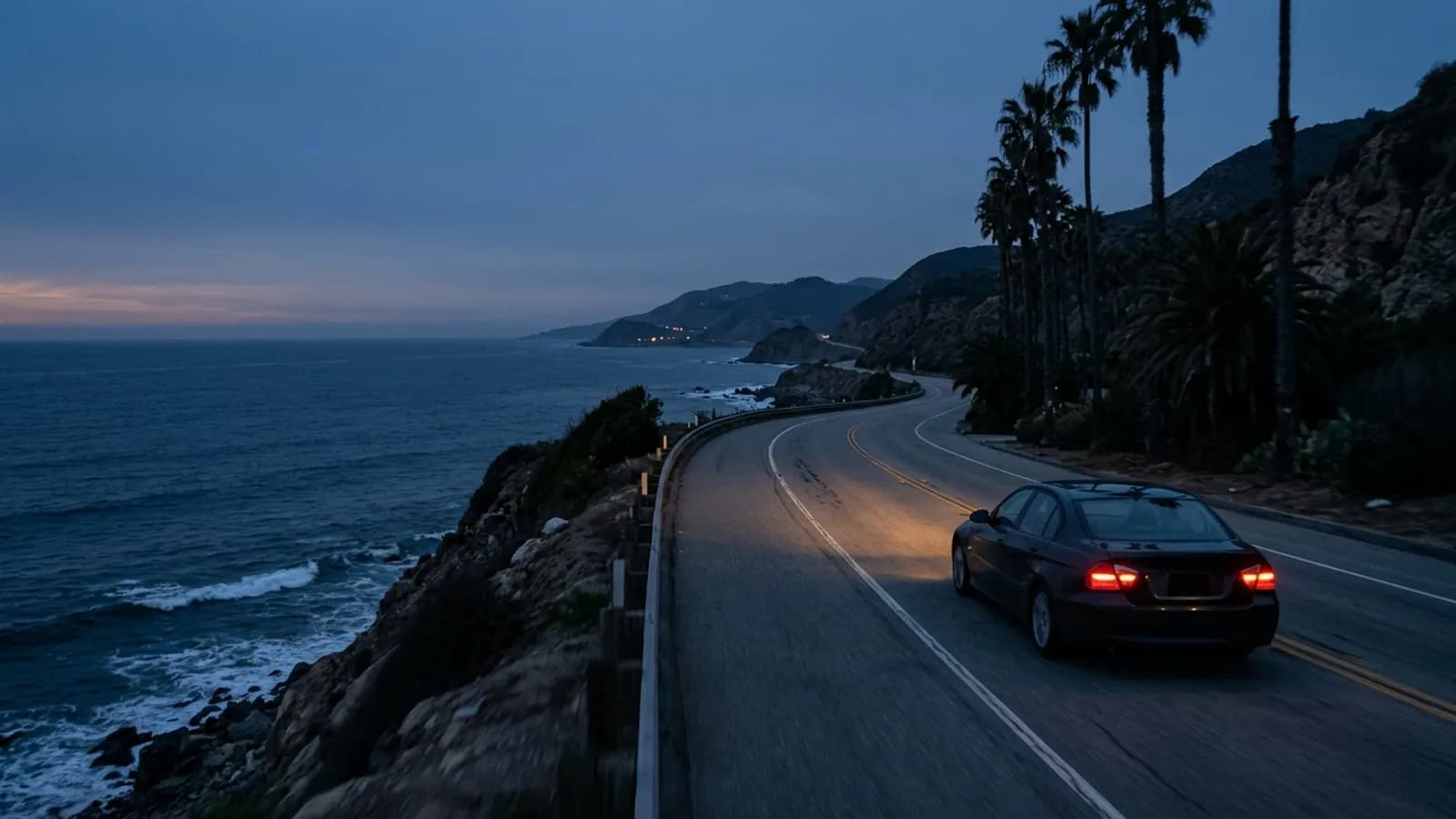
Car Insurance in California: Minimums, Costs, and How to Save (2026)
Car insurance in California costs roughly $2,000–$3,200 per year for full coverage. Proposition 103 rules, wildfire smoke, and LA–Bay Area density set the price.
Read guideCar Insurance in Arizona: Minimums, Costs, and How to Save (2026)
Car insurance in Arizona costs roughly $1,700–$2,600 per year for full coverage. Monsoon hail, dust storms, and Phoenix density drive what drivers pay.
Read guide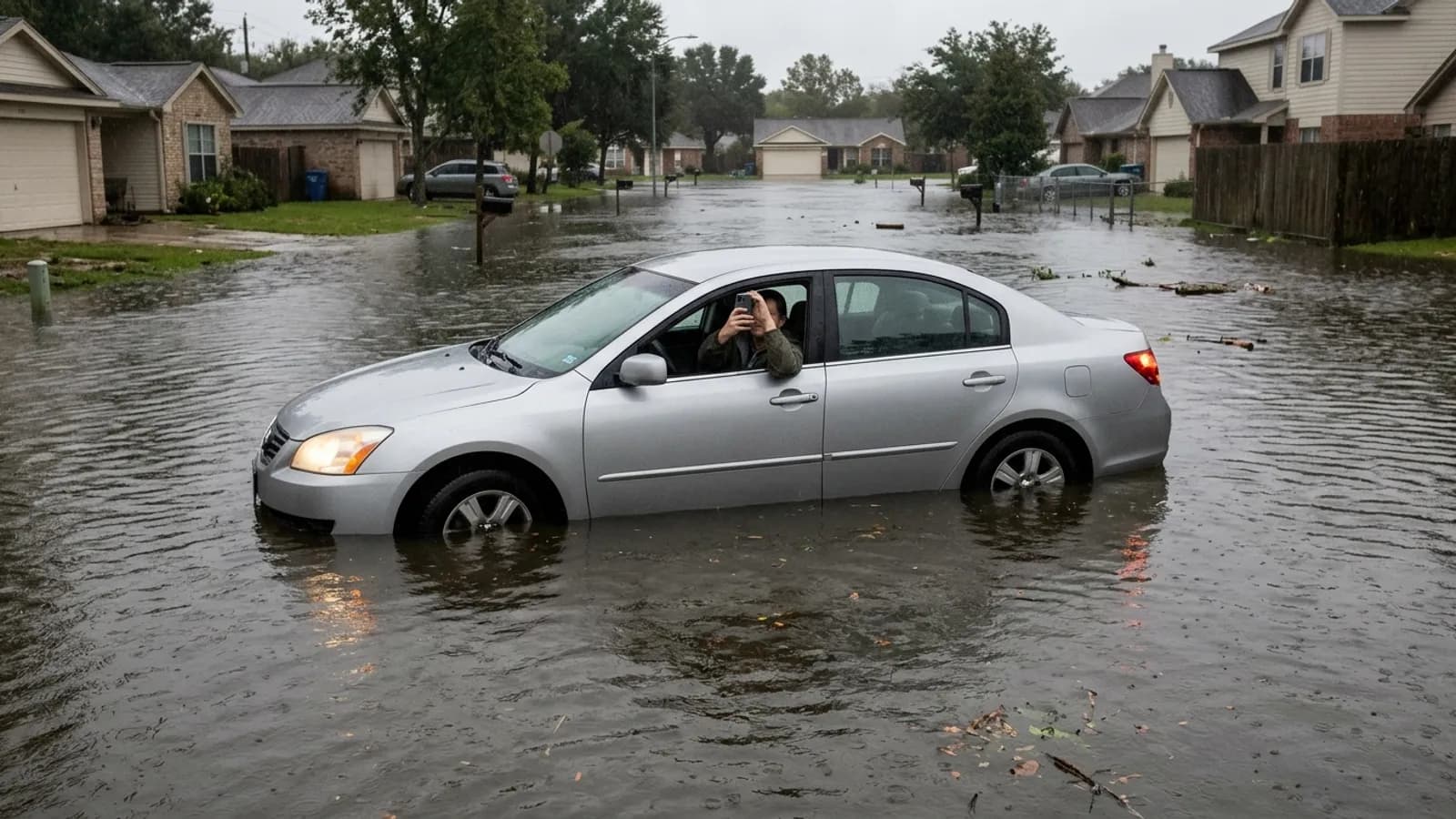
Does Car Insurance Cover Flood Damage?
Flood damage claims under comprehensive coverage — hydro-locked engines, flooded interiors, storm surge — and liability-only policies pay none of it.
Read guide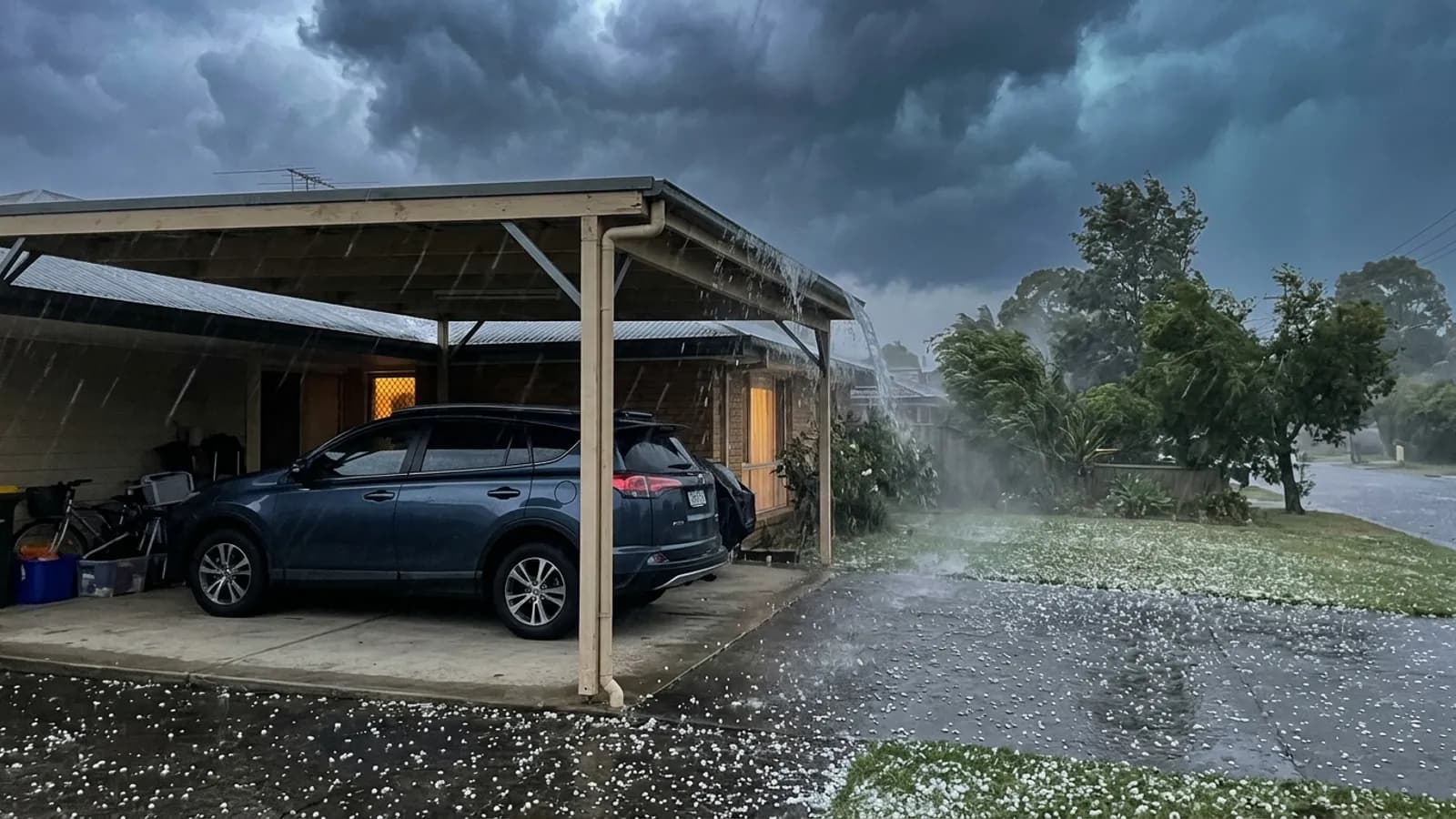
What Is Comprehensive Car Insurance? Coverage and Cost
Comprehensive car insurance pays for non-crash damage — theft, fire, hail, flood, falling objects, vandalism, animal strikes — commonly $100–$300 per year.
Read guide