
Does Car Insurance Cover Hail Damage?
Hail damage claims under comprehensive coverage — dents, broken glass, storm totals — and liability-only policies cover none of it. PDR and deductibles explained.
Why you can trust this guide
- Written by Daniel Reyes, AINS, former licensed P&C agent — independent insurance education publisher.
- Factual accuracy reviewed and signed off by Marcus Hale, CPCU, AINS, licensed P&C agent (Independent insurance reviewer).
- Every factual claim traces to a regulator, statute, or policy document — sources are listed at the bottom of the page.
- Last verified ; time-sensitive guides are re-checked at least twice a year. Read our editorial policy.
On this page
Yes — hail damage claims under comprehensive car insurance: the dents, the broken glass, and the totaled-hood scenario after big hail events. Liability-only policies cover none of it, and the payout runs against the comprehensive deductible.
The claim, and the deductible that applies
Hail claims spike with the storms — the Dallas–Fort Worth, Denver, and plains corridors lead the country — and the payout runs against the comprehensive deductible. The same storm dents thousands of cars in a metro, so claims queues run for weeks. The glass sub-claim rides separately: windshield damage often carries its own, sometimes $0, deductible under the policy's glass rules — the wind/hail deductible mechanics differ by state and policy.
Paintless dent repair versus replacement: the estimate fork
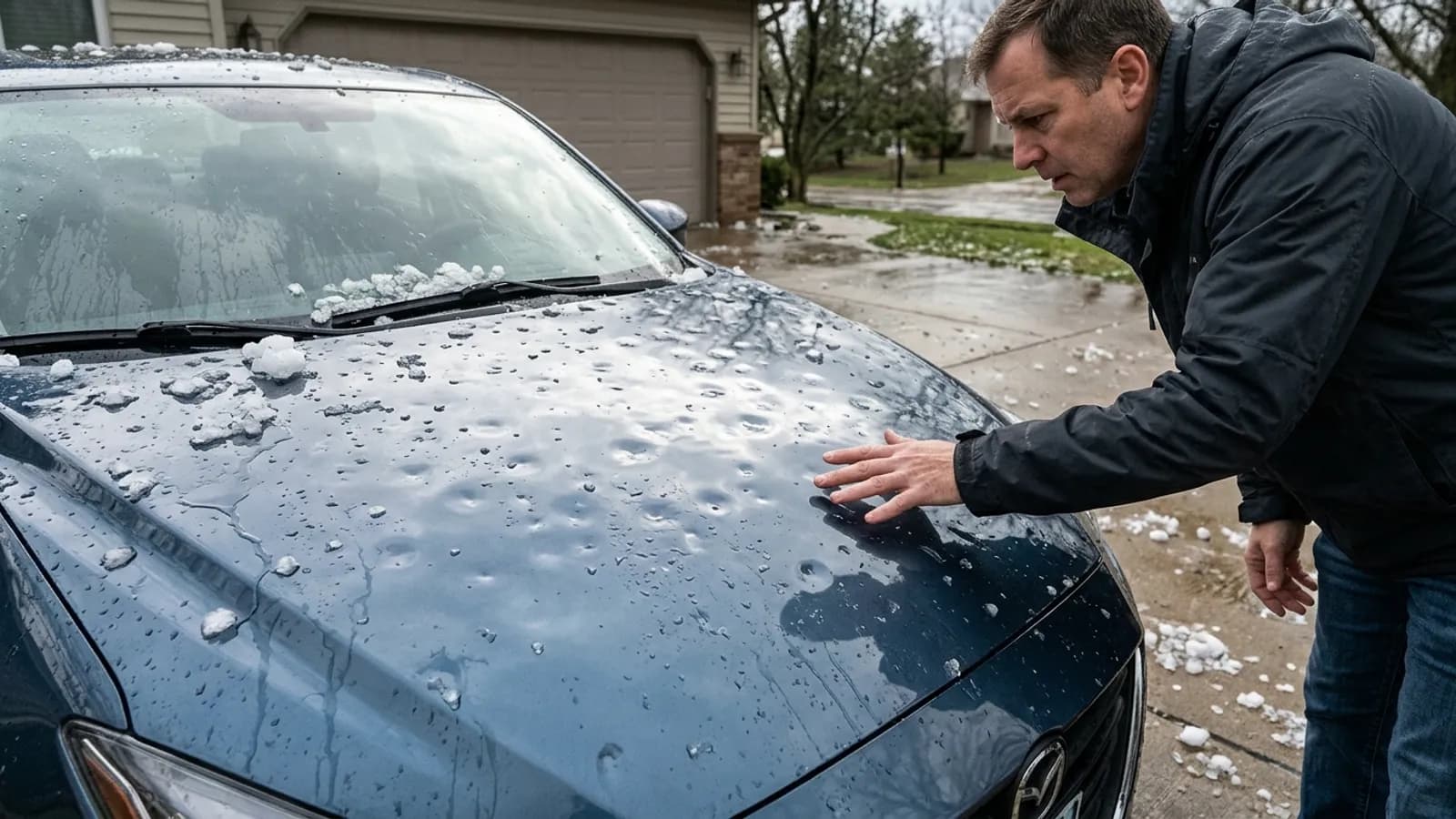
Hail claims are decided by one fork: paintless dent repair (PDR) or panel replacement. Worked example: a storm leaves 40 dents across a hood and roof. PDR — a technician massaging the metal back without paint — commonly prices $1,000–$2,000 for that damage and takes a day, because the factory finish is preserved. Panel replacement with refinish commonly prices $3,000–$5,000, because each panel needs paint blending and the sensors behind modern panels need recalibration.
The adjuster's first estimate is usually PDR-scoped, which is why claims move fast in hail season. The fork flips when dents have creased the metal or cracked the paint, which PDR cannot fix. The deductible then applies to whichever number — $500 off a $1,400 PDR bill leaves a $900 claim payment. The glass portion of the same storm files under the glass-deductible rules in the windshield guide.
| Scenario | Coverage path | What applies | | | --- | --- | | 40 dents, paint intact | Comprehensive, PDR scope | Comprehensive deductible | | Creased metal, cracked paint | Comprehensive, panel replacement | Comprehensive deductible | | Windshield cracked by the same storm | Comprehensive glass claim | Glass deductible, often $0 | | $7,000 car under a $6,500 estimate | Total loss | ACV minus deductible, salvage decision follows | | Hail damage on a liability-only policy | Nothing | Comprehensive is the only paying line |
The catastrophe queue: what the weeks after a storm look like
A hailstorm is a catastrophe event, and the claim process differs from a fender-bender in tempo. One storm can dent tens of thousands of cars in a metro, so carriers dispatch catastrophe adjusters and mobile claims units, run temporary estimating sites in parking lots, and process claims in waves for weeks. The practical consequences: photo-based estimates become the norm, appointment windows stretch, and the queue is first-claimed, first-served — which is why filing within days rather than weeks materially shortens the wait.
Supplemental claims are the second act: PDR estimates revised upward when hidden dents surface, or a repair-shop supplement after teardown. The rate question in the queue: most states and carriers treat weather claims as no-fault comprehensive events, so a hail claim commonly carries a milder renewal effect than a same-size crash claim — the flood damage guide shows the same pattern in the other storm peril.
Hail totals on older cars, and the salvage decision
Hail totals are decided by arithmetic: a $7,000 car under a $6,500 PDR estimate is a total loss, because the damage crossed the threshold even though the car still drives perfectly. The payout is actual cash value minus the comprehensive deductible — on that car, roughly $6,500 minus $500, paid to the owner or the lender if a loan remains.
Then the fork: release the car for salvage auction, or retain it. Most states let the owner keep a totaled car for the payout minus its salvage value, commonly $800–$1,500, with the car re-titled as salvage and needing a rebuilt-title inspection to insure fully again. Retention makes sense for a driver who accepts a dented daily driver or can PDR the worst panels privately for less than the salvage deduction. The hail-belt lesson is the deductible: on a car worth $7,000, a $1,000 comprehensive deductible is 14% of the car's value — the comprehensive coverage guide sets the sizing test.
Quick answer: does car insurance cover hail damage?
Yes — under comprehensive. Hail is a classic comprehensive peril; liability-only policies pay nothing, and collision does not apply because there was no crash.
- One deductible per storm — every dent from one event is a single claim with a single deductible.
- Paintless dent repair (PDR) handles minor hail cheaply and quickly; severe events total out cars.
- No at-fault surcharge — catastrophe weather claims do not count as chargeable accidents in most states.
- Glass and hail usually file together — the windshield and body damage from one storm ride one claim.
The trap: liability-only coverage in hail alley. The hail damage guide covers the claim mechanics; the coverage decision happens before the storm season.
What the claim pays, priced
Minor hail through PDR commonly prices at $1,000–$3,000; moderate-to-severe hail with panel replacement and glass runs $3,000–$8,000; catastrophe events total out whole parking lots — the payout is ACV minus deductible either way. After a $500 deductible, a $2,500 hail claim returns $2,000 with no at-fault record impact in most states. The average cost page shows how much the comprehensive line adds to the premium in hail-exposed states — the price of the coverage that pays here.
Related guides
The neighboring questions are the glass sub-claim from the same storm, the sibling water peril, and the line that pays both.
- What Is a Total Loss? — the threshold the $6,500 estimate crossed on the $7,000 car.
- What Is Salvage in Insurance? — the retention decision after a hail total.
- What Is Actual Cash Value (ACV)? — the valuation the payout subtracts the deductible from.
- Car Insurance in Denver, CO — pricing in one of the hail belt's biggest metros.
- Car Insurance: The Complete Guide — the hub for coverage structures and state rules.
Sources
Frequently asked questions
Can I claim hail damage if the storm happened months ago?
Coverage applies while the policy is active, but the claim needs the damage tied to a covered event — and delay invites questions about when the dents happened. File promptly; late notice is a policy condition, and a storm date the policyholder cannot corroborate weakens the claim.
Does a hail damage claim count against me like an accident?
No — hail is a comprehensive, no-fault weather claim. Most carriers do not surcharge it, many states bar weather-claim surcharges entirely, and it creates no at-fault record. The renewal effect is milder than a same-dollar crash claim, though claim frequency still registers in some pricing models.
Is paintless dent repair always the cheaper hail option?
Usually — PDR preserves the factory finish and commonly costs 40–60% of panel replacement for typical hail damage. It fails when the metal is creased, the paint is cracked, or access is blocked; then replacement with refinishing and sensor recalibration is the correct scope, and the estimate moves accordingly.
Does insurance cover hail damage to my windshield?
Yes — comprehensive covers glass, and many policies sell full-glass coverage with a $0 deductible. The glass sub-claim runs under the policy's glass-deductible rules, separate from the dents on the same storm date. Check the glass deductible before storm season.
Will a hail claim raise my insurance rates?
Comprehensive claims raise rates less than collision claims, and weather claims are often excluded from surcharges entirely in hail states. The claims-history effect is real but mild; the bigger premium lever after a storm belt loss is the deductible choice at the next renewal.
How we researched this guide
Car insurance pricing is set per driver, per ZIP code — so our guides anchor on regulator and industry statistics and explain the factors, not a fake exact price.
- Premium ranges are anchored to NAIC statewide average-expenditure data, the most complete public dataset on what drivers actually pay per state.
- State minimum-coverage requirements are checked against each state's motor-vehicle financial-responsibility statute and the state insurance department's consumer pages.
- What a coverage actually pays for is verified against policy declarations and specimen forms, not marketing copy.
- Discount and surcharge rules cite the state DOI consumer bulletin where each state regulates them differently — for example credit-based insurance scores, which most states permit but a few ban.
Where facts vary by state or insurer, we publish the range and the reason for the variation rather than a single misleading average. We do not sell insurance, take money from insurers for coverage, or publish claim amounts we cannot trace to a source.
Sources
The primary sources behind the facts on this page. Last verified November 17, 2026.
- IIHS — Insurance Institute for Highway Safety — crash-test data, vehicle loss statistics, and safety-feature research.
- NHTSA — National Highway Traffic Safety Administration — recalls, crash data, and state traffic-safety requirements.
- FMCSA — Federal Motor Carrier Safety Administration — commercial vehicle and carrier insurance requirements.
- NAIC — National Association of Insurance Commissioners — model regulations, consumer guides, and industry statistics.
- Find your state insurance regulator (NAIC directory) — every state insurance department — the authority for your state's rules and complaint filing.
- Insurance Information Institute (III) — industry statistics and consumer explainers we cross-check against regulator publications.
Rules that vary by state are verified against the state insurance department's consumer pages — find yours via the NAIC directory above.
Keep reading
What Is Comprehensive Car Insurance? Coverage and Cost
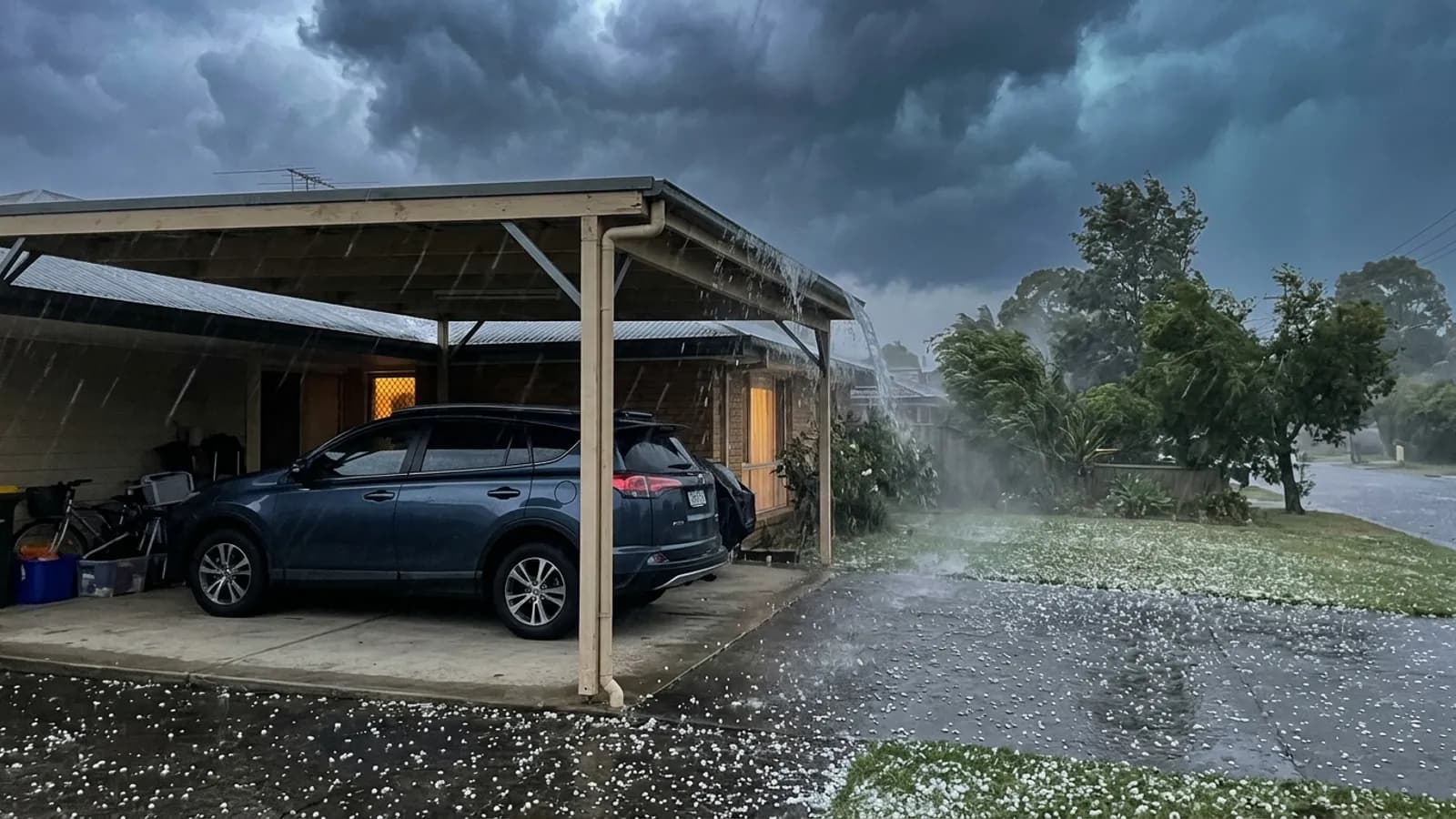
Comprehensive car insurance pays for non-crash damage — theft, fire, hail, flood, falling objects, vandalism, animal strikes — commonly $100–$300 per year.
Read guide
Does Car Insurance Cover Windshield Repair?
Windshield damage claims under comprehensive coverage — chip repairs are often free, and Florida, Kentucky, and South Carolina mandate $0-deductible replacement.
Read guide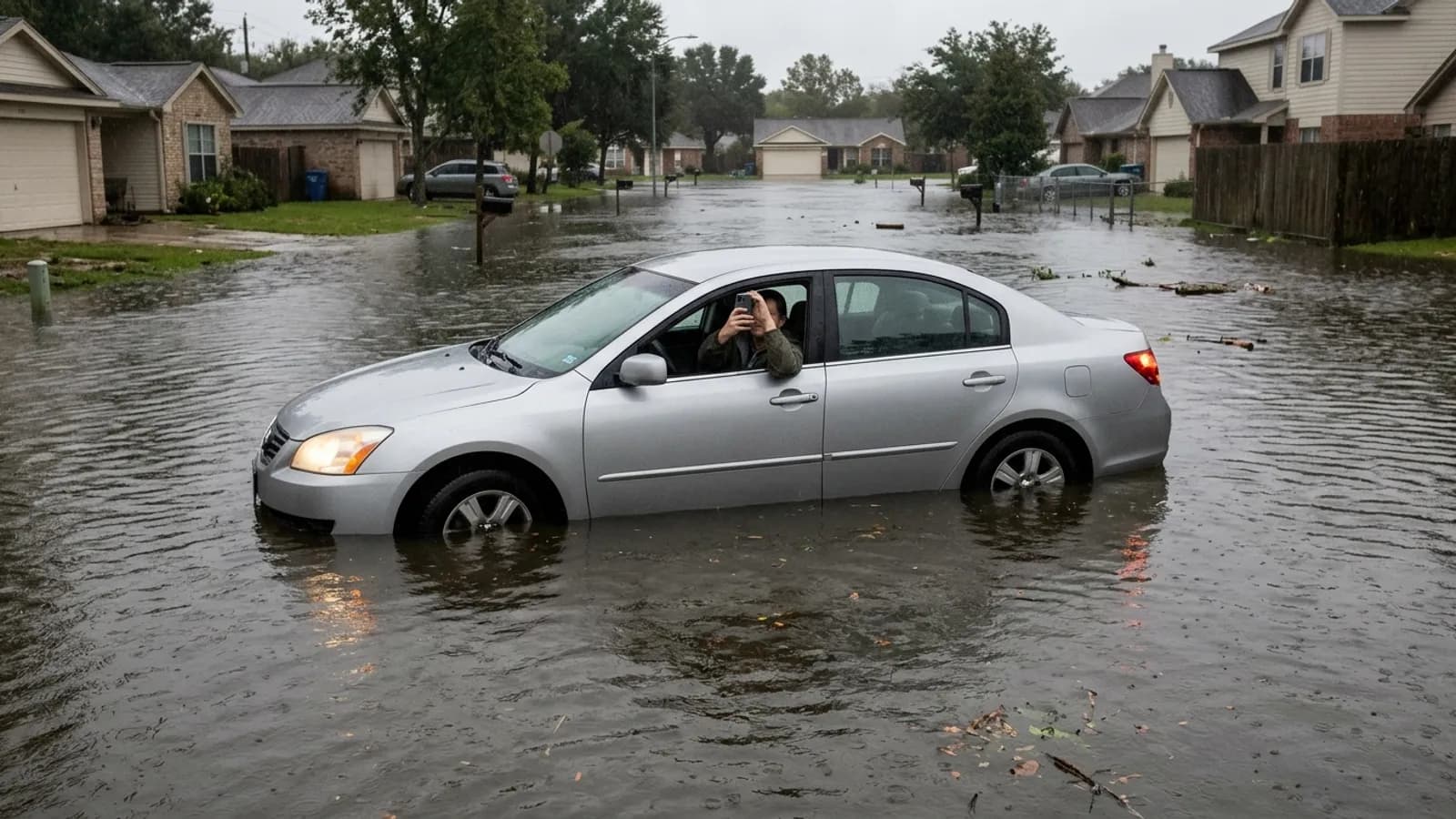
Does Car Insurance Cover Flood Damage?
Flood damage claims under comprehensive coverage — hydro-locked engines, flooded interiors, storm surge — and liability-only policies pay none of it.
Read guide
What Is Gap Insurance and How Does It Work?
Gap insurance pays the loan or lease balance your collision or comprehensive settlement leaves after a total loss — typically $20–$60 per year as an endorsement.
Read guideWhat Is a Wind/Hail Deductible?
A wind/hail deductible is a separate, usually percentage-based deductible (1–5% of dwelling coverage) applying only to windstorm and hail claims in storm states.
Read guide