
Does Car Insurance Cover Mechanical Breakdown?
Mechanical breakdown from wear and tear is excluded from every auto policy — sudden covered perils are the exception. Warranties, MBI, and repair funds compared.
Why you can trust this guide
- Written by Daniel Reyes, AINS, former licensed P&C agent — independent insurance education publisher.
- Factual accuracy reviewed and signed off by Marcus Hale, CPCU, AINS, licensed P&C agent (Independent insurance reviewer).
- Every factual claim traces to a regulator, statute, or policy document — sources are listed at the bottom of the page.
- Last verified ; time-sensitive guides are re-checked at least twice a year. Read our editorial policy.
On this page
No — mechanical breakdown from wear and tear is excluded from every auto policy; insurance prices sudden accidents, not aging parts. The exceptions are sudden damage from covered perils — flood, fire, crash, animal. The products built for breakdowns are extended warranties, vehicle service contracts, and mechanical breakdown insurance.
What "wear and tear" means when a claim gets denied
The mechanical exclusion is absolute in standard policies, and the denial letter turns on one phrase. In claim practice, wear and tear means any failure the teardown attributes to age, mileage, or missed maintenance rather than to a sudden external event. The adjuster's evidence: a teardown report naming the failed component and its condition — a worn bearing face, heat-discolored metal, sludge — plus the maintenance records or their absence, plus the failure timeline.
The policyholder's counter is the same file read differently: a maintained car with a sudden part failure is a different story than a neglected one, which is why oil-change records and shop invoices are the appeal file. The claims that survive the exclusion share a shape — an identifiable sudden event (a road hazard, a fluid leak from crash damage, a fire) with documentation connecting it to the failure. The engine-specific versions are the engine failure guide.
The breakdown-product comparison, priced
Three products cover what insurance excludes, and they price very differently for the same coverage:
| Product | Typical price | Eligibility | Watch for | | | --- | --- | --- | | Manufacturer extended warranty | $1,500–$4,000 for 3–6 added years | Newer cars, sold through dealers | Factory backing; dealer-shop claims | | Third-party vehicle service contract | Similar to warranties, wider variance | Wider, including used cars | Authorized-shop list, per-visit deductible, payment terms | | Mechanical breakdown insurance (MBI) | $200–$500 per year | Newer cars, commonly under 100,000–150,000 miles | Per-visit deductibles; ends early | | The repair fund | Whatever the policy would cost, banked | Any car, any age | Requires the discipline to leave it untouched |
Worked example: a 6-year-old car facing a $4,500 transmission — a $2,200 service contract bought at year three has already paid out if that failure lands. The MBI alternative at $350 per year would have cost $2,100 over six years with the same claim covered. Neither beats a funded repair account on reliable models — the math is per car, sized against the vehicle's repair history.
When a mechanical failure becomes an insurance claim
The conversion from warranty territory to insurance territory is causal, and four perils do the converting:
- Fire — an engine destroyed by a fire claims under comprehensive, whatever the fire's origin.
- Flood — hydro-locked cylinders from standing water are a comprehensive peril, per the flood damage guide.
- Crash — an engine damaged by impact or by fluid loss from a ruptured system is part of the collision claim.
- Animal and foreign-object events — rodent-chewed harnesses, a gray zone many carriers pay as wildlife damage, and road debris through the oil pan.
The boundary case worth knowing: a mechanical failure that causes the crash is still not an engine claim — the collision coverage pays the crash damage, and the failed part remains maintenance. The EV wrinkle: battery packs fail differently, and the warranty-versus-insurance split is in the EV insurance guide. The claim-day rule stays constant: evidence first, because the teardown report and service records decide which side of the line the failure lands on.
The VSC red flags
The vehicle-service-contract market carries a scam load, and four flags identify it:
- Aggressive phone sales — robocalls about "your vehicle's expired warranty" are lead-gen, not the manufacturer.
- "Depending on approval" claims language — a contract that reserves discretion on every claim is a denial machine.
- Payment direct-to-consumer only — reimbursement models shift the repair financing onto the owner.
- No named administrator or state registration — verify both before paying anything.
Quick answer: does car insurance cover mechanical breakdown?
No — standard car insurance excludes wear and tear and mechanical breakdown. The product that covers them is mechanical breakdown insurance (MBI) or an extended warranty, both separate purchases.
- The exclusion is structural: collision and comprehensive insure sudden external events; breakdown comes from inside the machine.
- MBI is the insurance version — sold by some carriers on newer, low-mileage vehicles, with per-repair deductibles and maintenance-record requirements.
- Extended warranties are the retail version — manufacturer, dealer, and third-party warranties cover overlapping failure lists with different administrator quality.
- The covered-peril exceptions still apply: a flood-hydrolocked or fire-damaged engine is a comprehensive claim, not a breakdown claim.
The trap: paying a repair shop from the auto policy. The mechanical breakdown guide compares MBI and warranties; the auto policy is the wrong instrument for this risk.
What breakdown protection costs, priced
MBI commonly prices at $20–$60 per month on eligible vehicles; third-party extended warranties run $1,500–$4,000 prepaid, with administrator quality varying more than price. The repairs they insure: engine and transmission replacements commonly run $2,500–$7,000+, the two failure classes that justify the coverage. Eligibility rules (model year and mileage caps) exclude most cars past the warranty window — the product is for the early-ownership years, then self-insurance takes over.
Related guides
The neighboring questions are the engine-specific causal line, the flood peril that converts breakdowns into claims, and the EV exception.
- What Is a Rider in Insurance? — how MBI attaches to a policy as an endorsement.
- Does Car Insurance Cover Animal Collisions? — the wildlife reading that covers chewed wiring.
- Buying a Used Car: Insurance Checklist — where the MBI mileage cutoff meets the used market.
- What Is a Deductible? — the per-visit share the breakdown products charge.
- Car Insurance: The Complete Guide — the hub for coverage structures and costs.
- Car Insurance: The Complete Guide — the hub for coverage structures and costs.
Sources
Frequently asked questions
Does comprehensive insurance cover a blown transmission?
No — mechanical failure from wear is excluded, and only sudden covered-peril damage such as flood, fire, or a crash touches the transmission through insurance. Recall repairs are the manufacturer's obligation, performed at dealerships at no cost under the recall campaign.
Is mechanical breakdown insurance the same as an extended warranty?
Functionally similar — both cover mechanical failures insurance excludes. MBI is a policy endorsement from insurers, typically cheaper at $200–$500 per year and eligible only on newer, lower-mileage cars. Extended warranties come from manufacturers or vehicle service contract companies, with wider eligibility and more variable claims handling.
Can I add mechanical breakdown coverage to an older car?
Usually not — insurer MBI programs commonly cut off around 100,000–150,000 miles, and service-contract pricing rises steeply with age. Past eligibility, the practical option is the repair fund: banking the same annual cost covers the most probable failures on most mainstream models.
Does car insurance cover a transmission replaced under a recall?
The recall repair itself is the manufacturer's obligation, not an insurance claim — dealers perform it at no cost. If a known recall defect caused damage before the repair was performed, the manufacturer claim runs separately. Insurance enters only for crash, fire, flood, or theft damage.
Should I buy an extended warranty?
Run the honest math: expected repair cost against the contract price, adjusted for the car's reliability record. Self-insuring with a repair fund wins for most reliable brands; the contract buys certainty for problem models and single-income budgets that cannot absorb a $4,000 repair.
How we researched this guide
Car insurance pricing is set per driver, per ZIP code — so our guides anchor on regulator and industry statistics and explain the factors, not a fake exact price.
- Premium ranges are anchored to NAIC statewide average-expenditure data, the most complete public dataset on what drivers actually pay per state.
- State minimum-coverage requirements are checked against each state's motor-vehicle financial-responsibility statute and the state insurance department's consumer pages.
- What a coverage actually pays for is verified against policy declarations and specimen forms, not marketing copy.
- Discount and surcharge rules cite the state DOI consumer bulletin where each state regulates them differently — for example credit-based insurance scores, which most states permit but a few ban.
Where facts vary by state or insurer, we publish the range and the reason for the variation rather than a single misleading average. We do not sell insurance, take money from insurers for coverage, or publish claim amounts we cannot trace to a source.
Sources
The primary sources behind the facts on this page. Last verified November 17, 2026.
- IIHS — Insurance Institute for Highway Safety — crash-test data, vehicle loss statistics, and safety-feature research.
- NHTSA — National Highway Traffic Safety Administration — recalls, crash data, and state traffic-safety requirements.
- FMCSA — Federal Motor Carrier Safety Administration — commercial vehicle and carrier insurance requirements.
- NAIC — National Association of Insurance Commissioners — model regulations, consumer guides, and industry statistics.
- Find your state insurance regulator (NAIC directory) — every state insurance department — the authority for your state's rules and complaint filing.
- Insurance Information Institute (III) — industry statistics and consumer explainers we cross-check against regulator publications.
Rules that vary by state are verified against the state insurance department's consumer pages — find yours via the NAIC directory above.
Keep reading
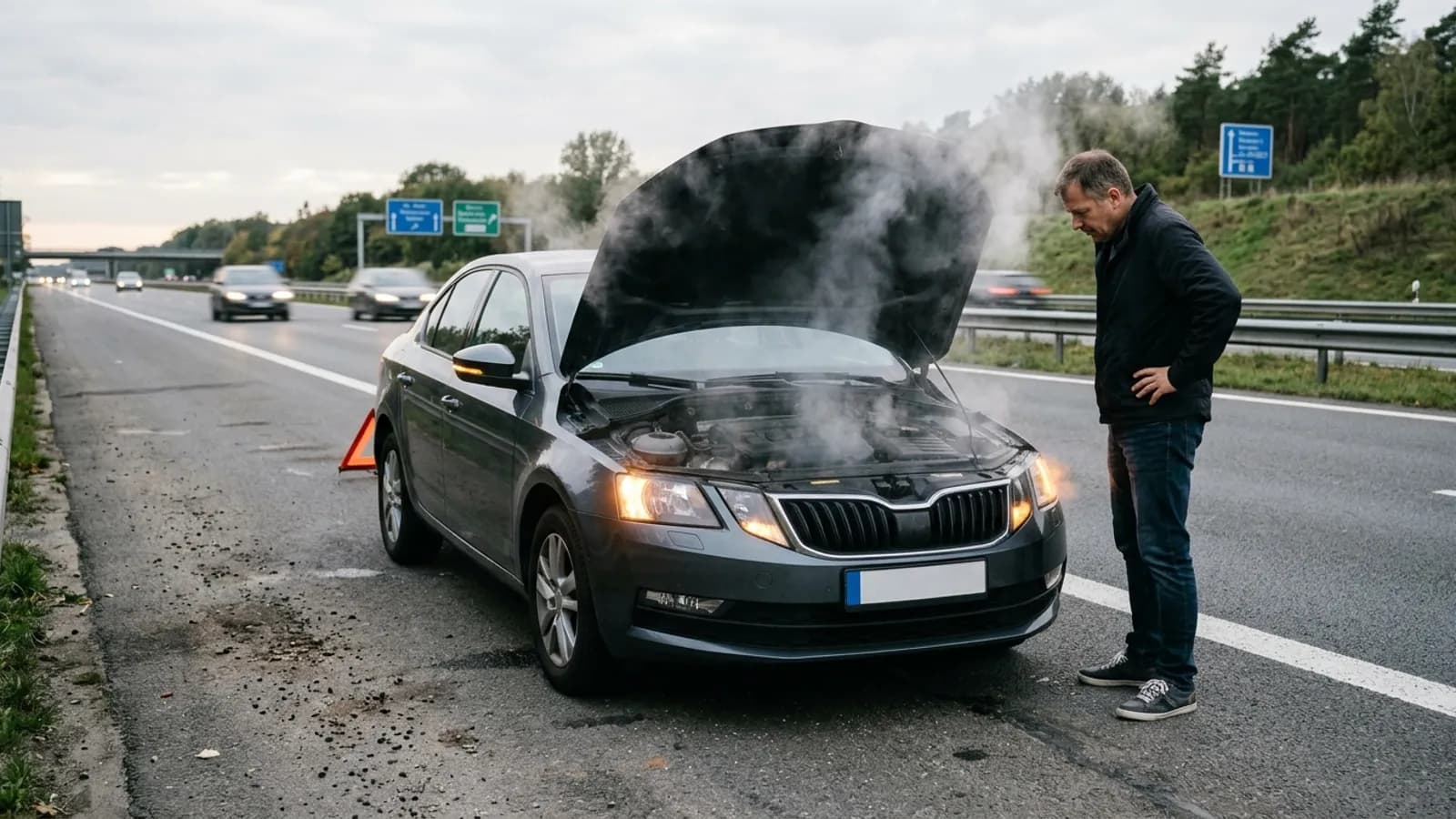
Does Car Insurance Cover Engine Failure?
Car insurance does not cover wear-and-tear engine failure — but engine damage from a covered peril such as flood, fire, or a crash is claimable.
Read guide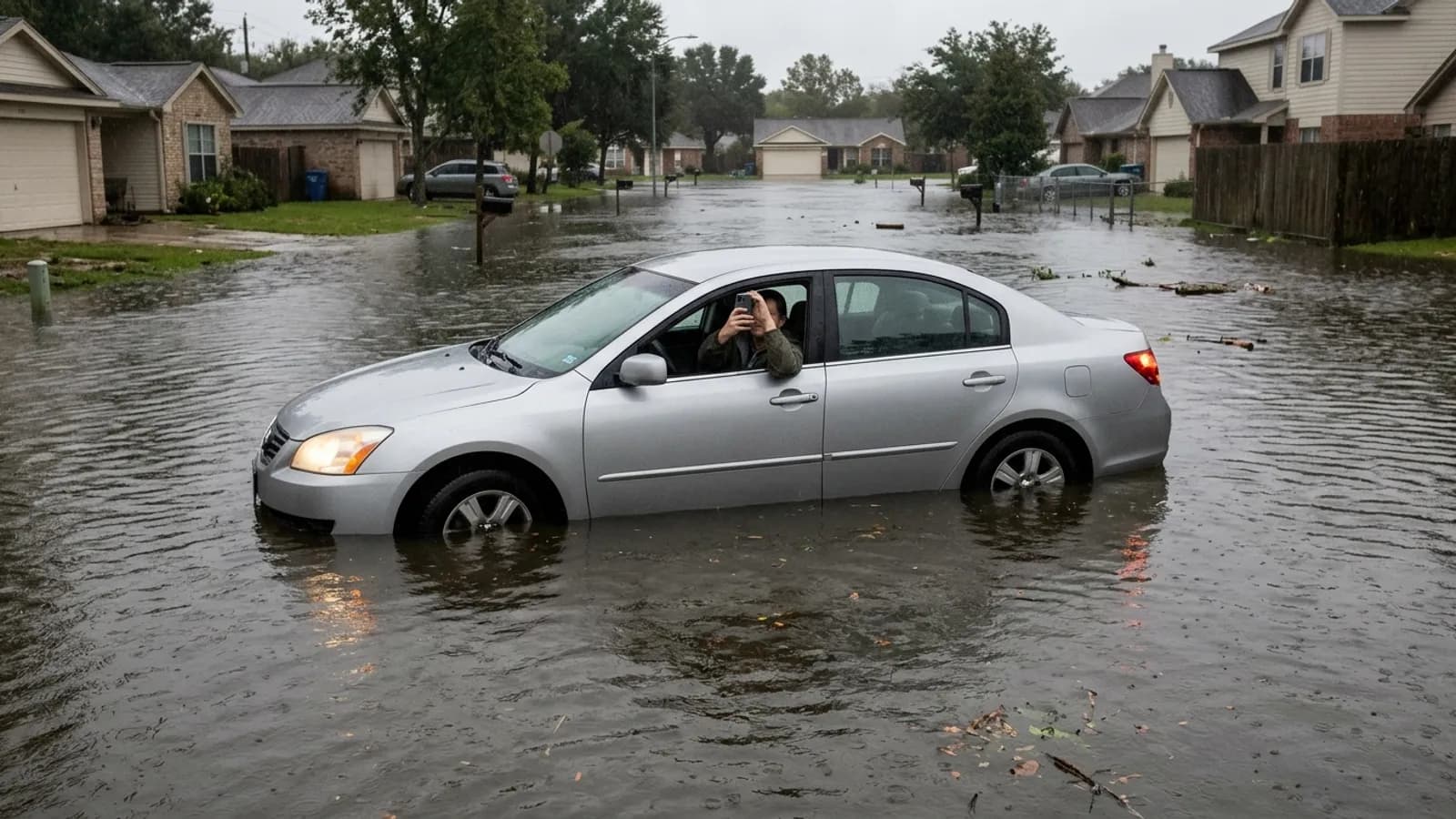
Does Car Insurance Cover Flood Damage?
Flood damage claims under comprehensive coverage — hydro-locked engines, flooded interiors, storm surge — and liability-only policies pay none of it.
Read guide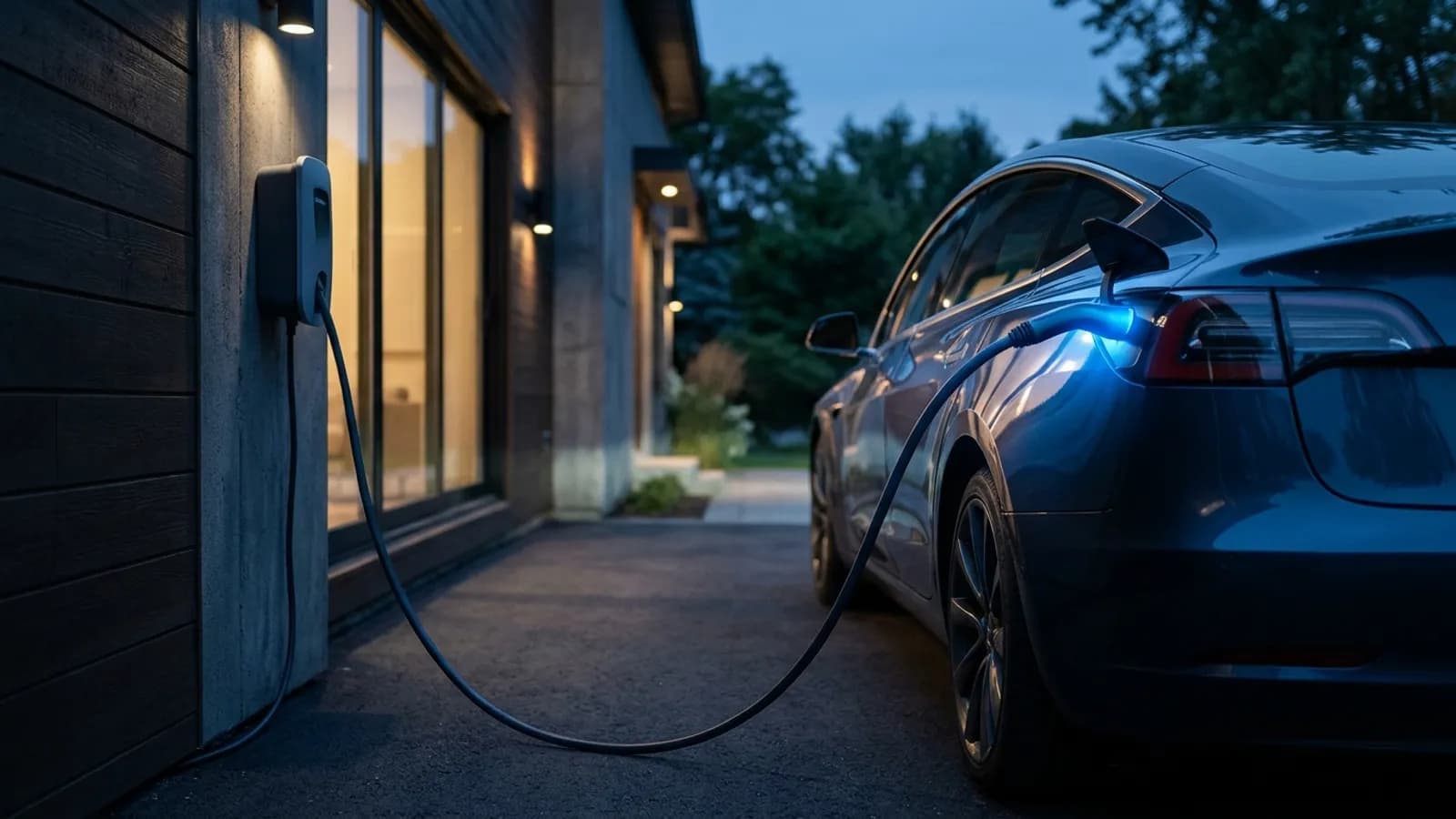
Electric Vehicle Insurance: Why EVs Cost More to Insure
EV insurance costs 15–30% more than comparable gas cars because of battery repair exposure — the coverage questions, charging boundaries, and shopping strategy.
Read guideWhat Is a Rider in Insurance?
A rider is an add-on that modifies an insurance policy — adding coverage such as water backup or jewelry scheduling, or adding benefits — for extra premium.
Read guideWhat Is an Exclusion in Insurance?
An exclusion is a peril, property type, or situation a policy does not cover — floods, earthquakes, wear and tear — marking exactly where your protection ends.
Read guide