
Does Car Insurance Cover Animal Collisions?
Hitting an animal claims under comprehensive coverage, not collision — swerving into something else flips the claim. Deer, livestock, and pet strikes explained.
Why you can trust this guide
- Written by Daniel Reyes, AINS, former licensed P&C agent — independent insurance education publisher.
- Factual accuracy reviewed and signed off by Marcus Hale, CPCU, AINS, licensed P&C agent (Independent insurance reviewer).
- Every factual claim traces to a regulator, statute, or policy document — sources are listed at the bottom of the page.
- Last verified ; time-sensitive guides are re-checked at least twice a year. Read our editorial policy.

On this page
Yes — a direct collision with an animal claims under comprehensive insurance, not collision, because the animal is not a vehicle. Swerving to avoid the animal and hitting something else converts the claim to collision. The deductible that applies is the comprehensive one.
The comprehensive-versus-collision line
The rule is mechanical: a direct strike — the animal enters the lane and the car hits it — is a comprehensive claim, the same line that pays for hail and theft. A swerve that misses the animal and strikes a guardrail, tree, or oncoming car is a collision claim, because the car hit an object. The adjuster asks which it was, and the answer changes the deductible applied.
Rural states price deer-claim frequency into comprehensive rates, and fall mating season — October through December in most regions — is the spike. The scenario table:
| Scenario | Covered? | Why | | | --- | --- | | Direct deer strike at dusk on a two-lane road | Yes — comprehensive | The animal is not a vehicle | | Swerve to avoid the deer, hit the guardrail | Yes — collision, different deductible | The car struck an object | | Livestock on an open-range highway | Yes — comprehensive, plus a state-law fault question | Wild and stray animal damage | | Rodent-chewed wiring under the hood | Often — comprehensive, insurer-dependent | Sudden, accidental "wildlife" damage | | Pet injured in the crash | Vehicle damage only, unless pet-injury coverage exists | Standard policies pay the car, not the vet bill |
The animal-strike claim, dollar by dollar
A deer strike is usually a repair claim with a total-loss tail. Worked example: dusk, a two-lane road, a doe enters the lane and the car strikes it head-on. Damage: a crumpled hood, a broken headlight assembly, a bent radiator support — the repair estimate commonly lands at $3,500–$6,500 on a modern car, because the collision-avoidance sensors behind the grill need recalibration after replacement. With a $500 comprehensive deductible, the insurer pays the estimate minus $500.
The total-loss tail: on an older car worth $6,000, the same strike easily crosses the total-loss threshold — the payout becomes actual cash value minus the deductible, and the salvage-title question follows. The swerve version prices differently: collision deductible instead of comprehensive, plus the worse injury profile — which is why the braking-straight protocol is both the safety answer and the cheaper claim.
The deer protocol
- Brake firmly and stay straight — swerving causes the worse crash into oncoming traffic or trees.
- Pull over safely and photograph the animal, the scene, and the damage before moving anything.
- File a police report when livestock, injury, or a disabled vehicle is involved — rural counties often require it for large animals.
- Claim under comprehensive with the photos and the location; the after-accident checklist sequences the rest.
Livestock, pets, and the fault question
Not every animal claim is a clean comprehensive event — the fault line matters when the animal has an owner. Loose livestock on a highway can create a liability question against the rancher whose fence failed, and the mechanics vary by state: open-range states in the West assign some road risk to drivers, while fenced-country states lean on the owner. The strike itself still claims under comprehensive first.
A pet in the car adds another layer: some insurers offer pet-injury coverage as an endorsement or bundle it into comprehensive, paying veterinary bills for the household animal injured in a covered crash — worth asking about, because standard policies pay the car's damage but not the dog's. Rodent damage blurs the category: chewed wiring under the hood is sudden and accidental, and many carriers pay it under comprehensive, but interpretations vary — the engine failure guide covers the mechanical-damage line. The peril line itself is defined in the comprehensive coverage guide.
Quick answer: does car insurance cover animal collisions?
Yes — under comprehensive, not collision. A deer or animal strike is a comprehensive claim even though the car hit something moving, and a collision-only policy pays nothing for it.
- The impact is comprehensive; the swerve is collision — drivers who swerve to miss the deer and hit a tree or guardrail file a collision claim instead, with the at-fault implications that follow.
- The comprehensive deductible applies once per event; there is no at-fault surcharge for an animal strike in most states.
- Rodent damage (chewed wiring, nesting) is covered on some forms and excluded on others — check the comprehensive provisions for the "animal damage" language.
- Contact-based hits pay; the aftermath varies — vehicle damage from avoiding the animal, or injuries from the crash, route to different coverages.
The trap: assuming collision covers it because the car was moving. The claim type follows the coverage that names the peril, and comprehensive is the line that does.
What the claim pays, priced
Published insurer data puts the average animal-strike claim in the $4,000–$6,000 band nationally, driven by front-end damage: radiator support, hood, headlights, and the airbag events that sometimes follow. After a $500 deductible, a typical claim returns $3,500–$5,500. October through December is the claim-heavy season — the period to check that comprehensive (not collision-only) is actually on the policy before the migration runs.
Related guides
The neighboring questions are the engine-damage gray zone, the physical-damage lines the claim files under, and the first-hour protocol.
- What Is Collision Car Insurance? — the line the swerve crash files under.
- What Is Comprehensive Coverage? — the glossary definition of the peril list.
- What Is a Total Loss? — the threshold an older car's strike can cross.
- What Is a Deductible? — the comprehensive-versus-collision deductible split.
- Car Insurance: The Complete Guide — the hub for coverage structures and state rules.
Sources
Frequently asked questions
Is hitting a deer comprehensive or collision?
Comprehensive — the deer is not a vehicle, so a direct strike claims under comprehensive coverage. Swerving to avoid the deer and hitting a tree or guardrail converts the claim to collision, with the collision deductible and a worse injury profile. Brake hard and stay straight.
Does car insurance cover my dog injured in a car crash?
Standard policies pay the vehicle damage, not veterinary bills. Some carriers sell pet-injury coverage as an endorsement or include it with comprehensive, covering the household pet's treatment after a covered crash — ask for it by name when quoting, since availability and limits vary by carrier.
What happens if I hit livestock on a highway?
The vehicle damage still claims under comprehensive, but the owner-liability question varies by state — open-range states put some road risk on drivers, while fenced states lean toward the livestock owner when a fence failed. Photograph the scene and the animal, and file a police report.
Is rodent damage to my engine an animal claim?
Often yes — chewed wiring is sudden, accidental damage, and many carriers pay it under comprehensive as a wildlife event, though interpretations vary. Document the damage before any repairs, claim it promptly, and expect the adjuster to distinguish chewed harnesses from age-related electrical failures.
Will an animal-collision claim raise my insurance?
Rarely by much — an animal strike is a comprehensive, no-fault event, and many carriers exclude weather and animal claims from surcharges entirely. The claim registers in the claims-history file with a milder renewal effect than a same-dollar collision claim.
How we researched this guide
Car insurance pricing is set per driver, per ZIP code — so our guides anchor on regulator and industry statistics and explain the factors, not a fake exact price.
- Premium ranges are anchored to NAIC statewide average-expenditure data, the most complete public dataset on what drivers actually pay per state.
- State minimum-coverage requirements are checked against each state's motor-vehicle financial-responsibility statute and the state insurance department's consumer pages.
- What a coverage actually pays for is verified against policy declarations and specimen forms, not marketing copy.
- Discount and surcharge rules cite the state DOI consumer bulletin where each state regulates them differently — for example credit-based insurance scores, which most states permit but a few ban.
Where facts vary by state or insurer, we publish the range and the reason for the variation rather than a single misleading average. We do not sell insurance, take money from insurers for coverage, or publish claim amounts we cannot trace to a source.
Sources
The primary sources behind the facts on this page. Last verified November 17, 2026.
- IIHS — Insurance Institute for Highway Safety — crash-test data, vehicle loss statistics, and safety-feature research.
- NHTSA — National Highway Traffic Safety Administration — recalls, crash data, and state traffic-safety requirements.
- FMCSA — Federal Motor Carrier Safety Administration — commercial vehicle and carrier insurance requirements.
- NAIC — National Association of Insurance Commissioners — model regulations, consumer guides, and industry statistics.
- Find your state insurance regulator (NAIC directory) — every state insurance department — the authority for your state's rules and complaint filing.
- Insurance Information Institute (III) — industry statistics and consumer explainers we cross-check against regulator publications.
Rules that vary by state are verified against the state insurance department's consumer pages — find yours via the NAIC directory above.
Keep reading
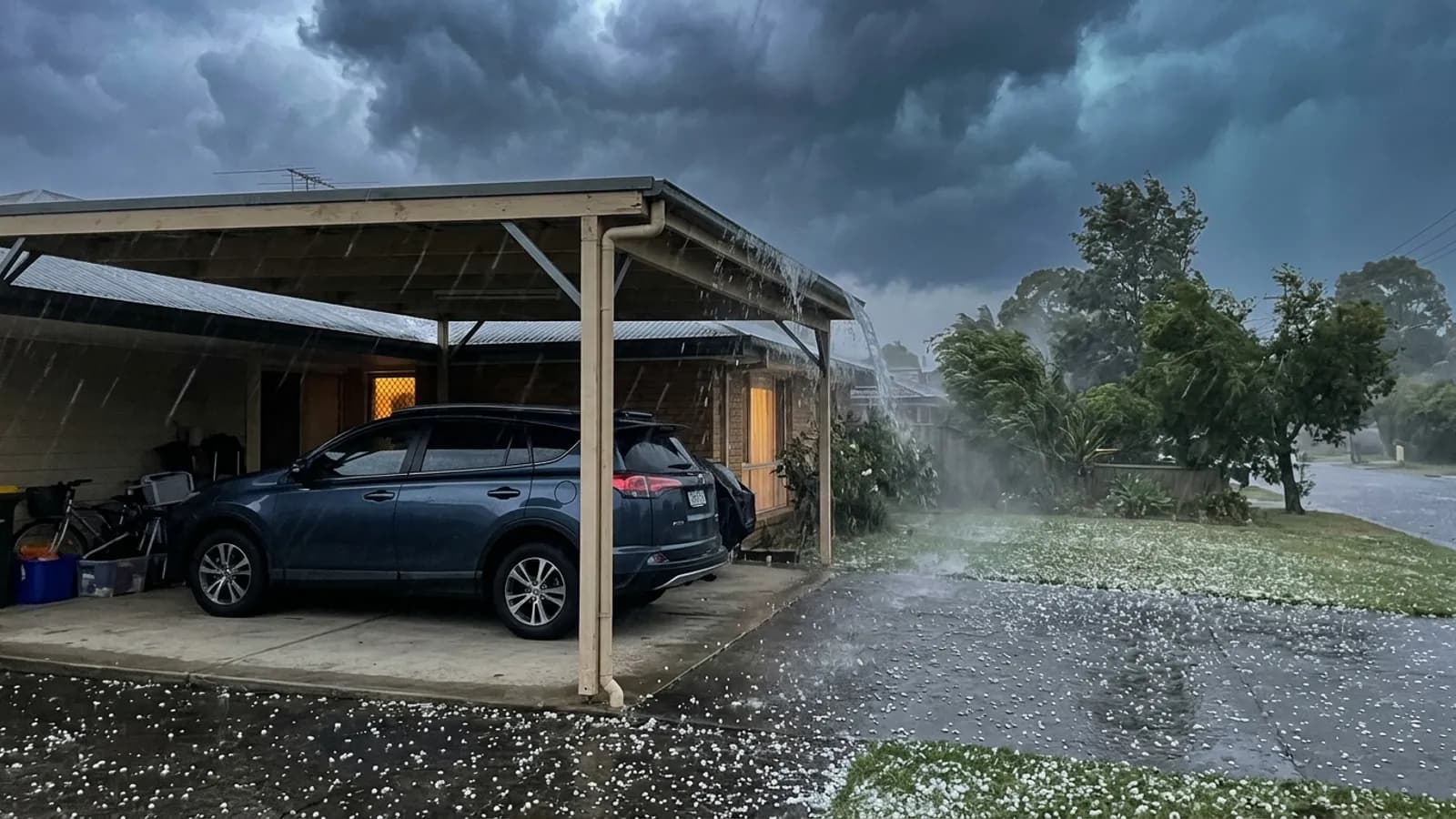
What Is Comprehensive Car Insurance? Coverage and Cost
Comprehensive car insurance pays for non-crash damage — theft, fire, hail, flood, falling objects, vandalism, animal strikes — commonly $100–$300 per year.
Read guide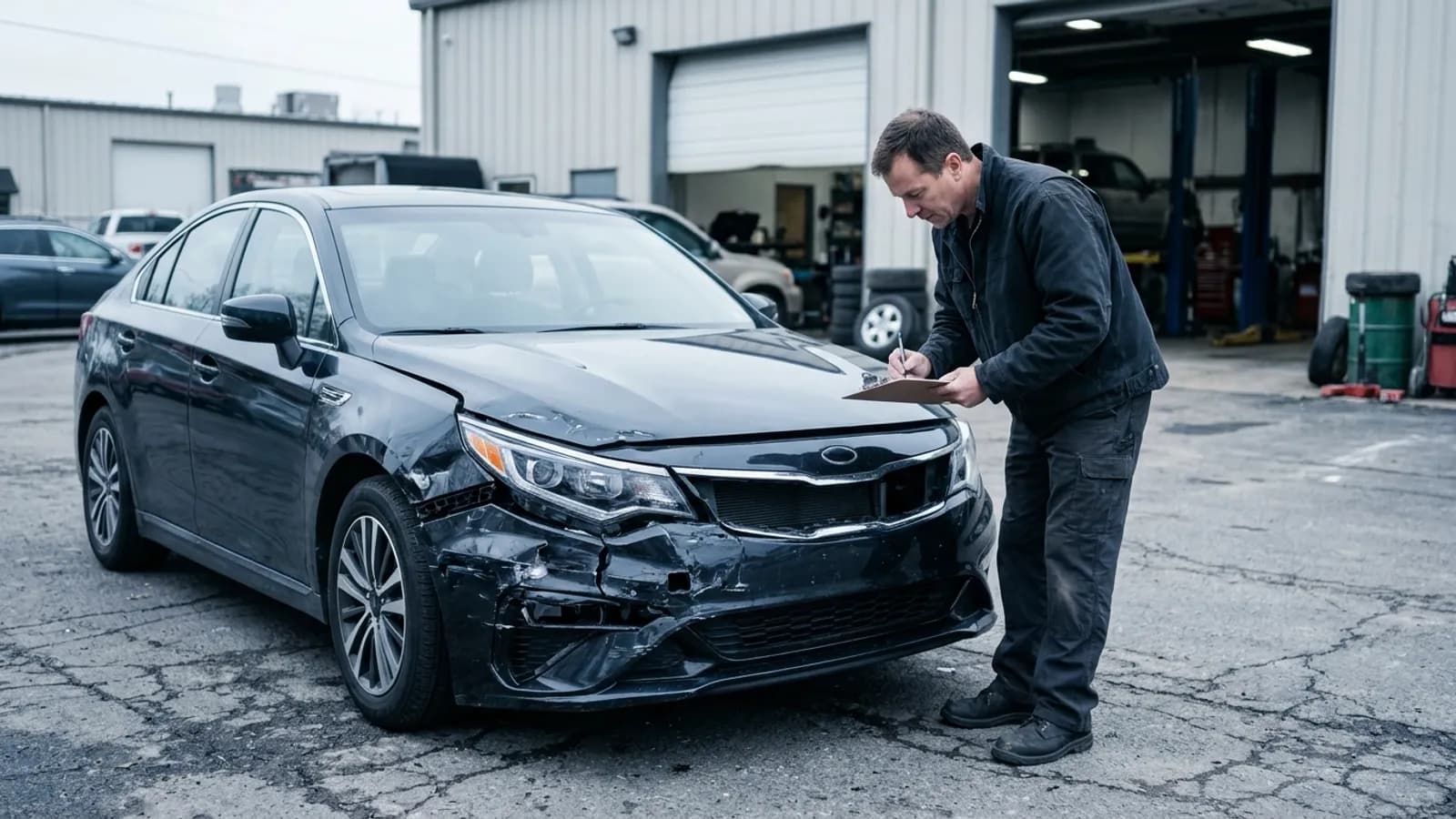
What Is Collision Car Insurance? Coverage, Deductibles, and Cost
Collision insurance pays to repair or replace your car after a crash with a vehicle or object, regardless of fault — commonly $300–$900 per year.
Read guide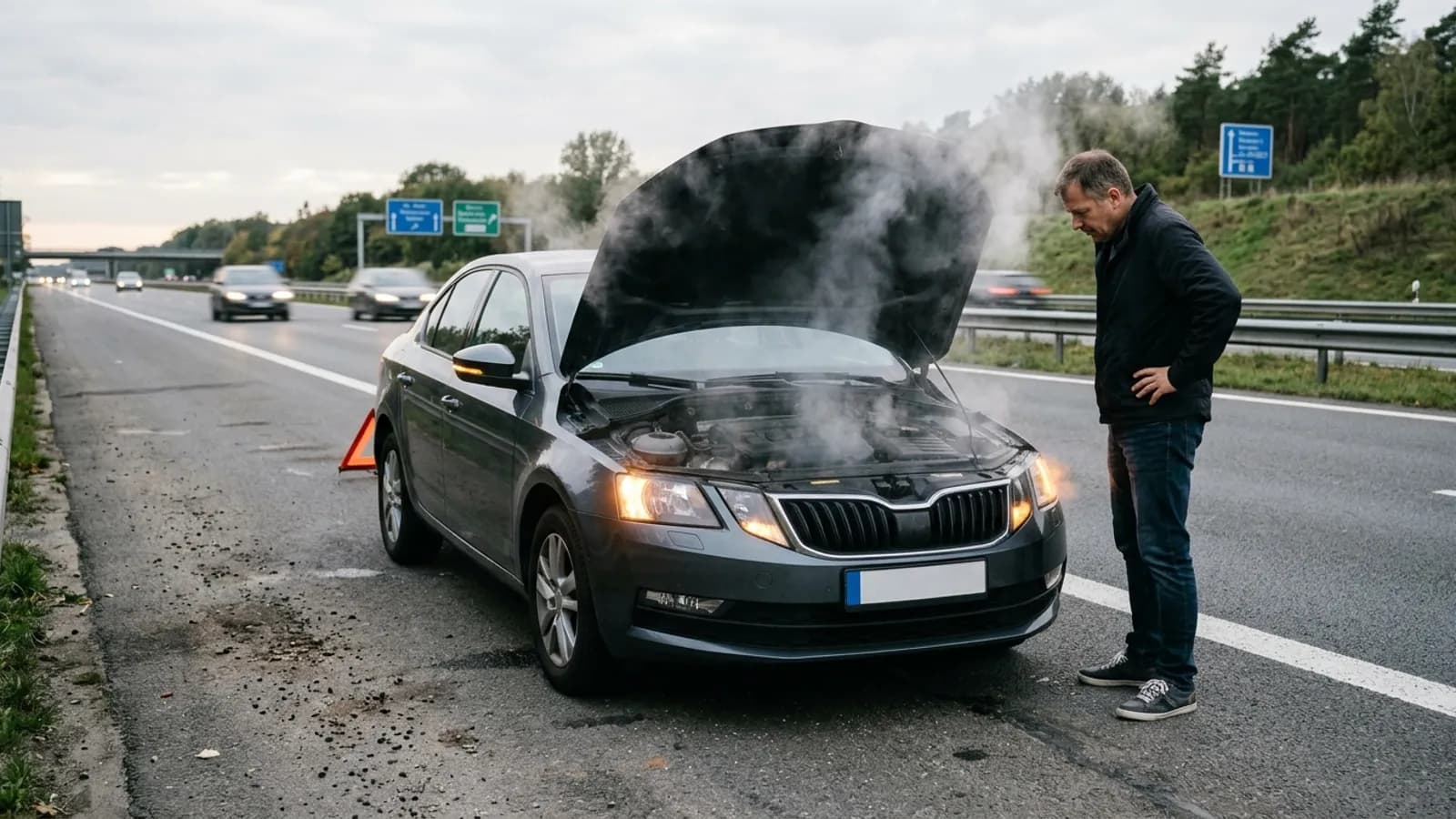
Does Car Insurance Cover Engine Failure?
Car insurance does not cover wear-and-tear engine failure — but engine damage from a covered peril such as flood, fire, or a crash is claimable.
Read guide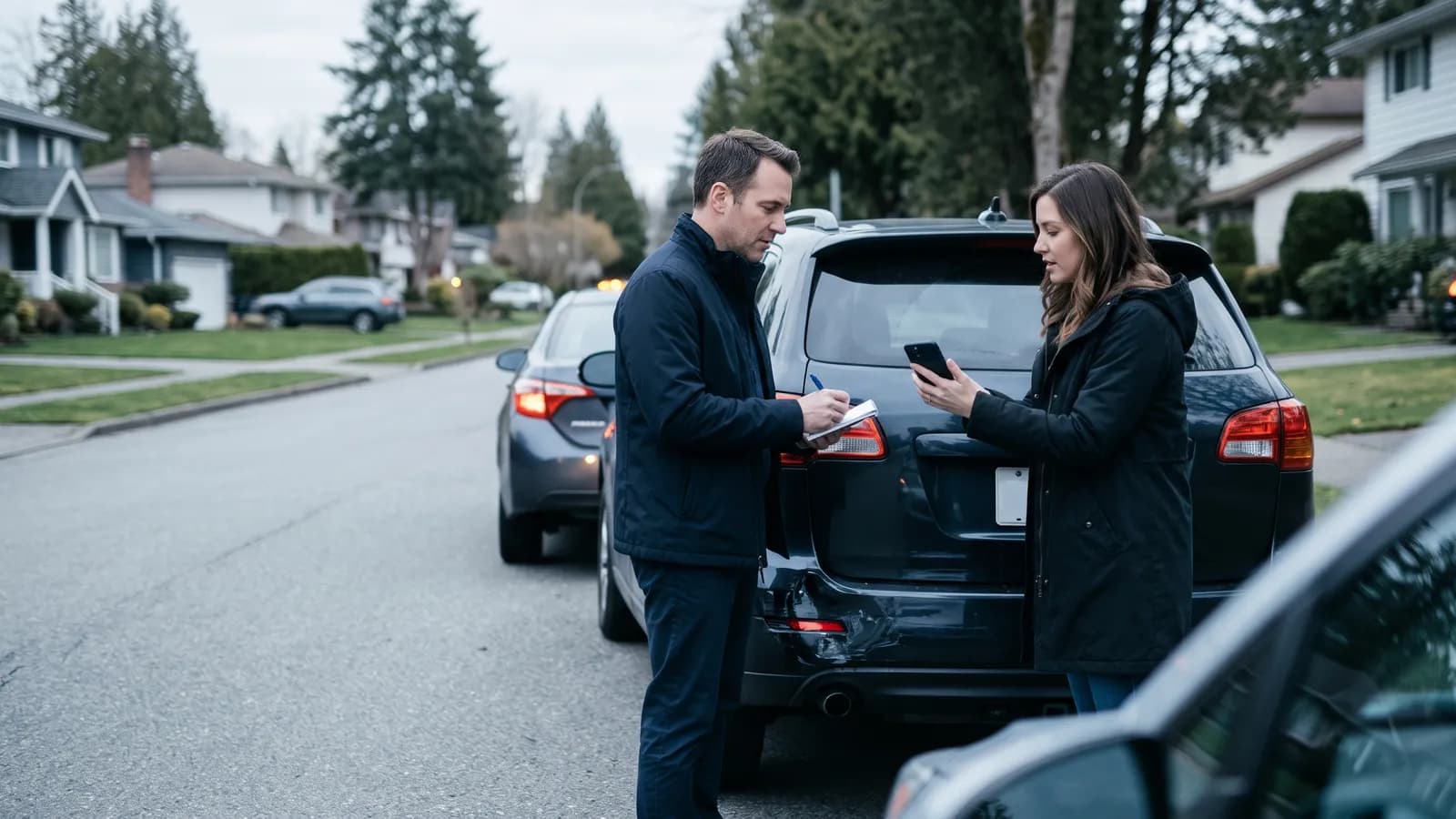
What to Do After a Car Accident: The 10-Step Claim Checklist
The post-accident sequence that protects your claim: scene safety, documentation, prompt insurer notice, the adjuster process, and the statements that cost money.
Read guideWhat Is Comprehensive Coverage?
Comprehensive coverage pays for non-crash damage to your car — theft, fire, hail, flood, animal strikes, glass — minus your deductible.
Read guide