
Does Car Insurance Cover Engine Failure?
Car insurance does not cover wear-and-tear engine failure — but engine damage from a covered peril such as flood, fire, or a crash is claimable.
Why you can trust this guide
- Written by Daniel Reyes, AINS, former licensed P&C agent — independent insurance education publisher.
- Factual accuracy reviewed and signed off by Marcus Hale, CPCU, AINS, licensed P&C agent (Independent insurance reviewer).
- Every factual claim traces to a regulator, statute, or policy document — sources are listed at the bottom of the page.
- Last verified ; time-sensitive guides are re-checked at least twice a year. Read our editorial policy.
On this page
No — car insurance does not cover engine failure from wear and tear; the mechanical-failure exclusion is absolute in every standard policy. Engine damage caused by a covered peril — a flood-drowned engine, a crash, a fire — is the exception, because the peril, not the part, decides coverage.
The deciding line: peril versus aging
The rule states cleanly: the engine that dies from age, neglect, or a blown gasket is maintenance — excluded under the policy's wear-and-tear exclusion. The engine that hydro-locks driving through a flooded street, catches fire, or fails in a crash is covered, because a covered peril caused the failure. Rodent-chewed wiring sits in the gray zone, where many carriers pay under a wildlife reading.
| Scenario | Covered? | Why | | | --- | --- | | Engine hydro-locks in a flash flood | Yes — comprehensive | Flood is a covered peril | | Rear-end collision ruptures the cooling system, engine cooks | Yes — collision | The crash caused the failure | | Engine fire from a wiring fault | Yes — comprehensive | Fire is a covered peril | | Blown gasket at 140,000 miles | No | Wear and tear | | Rodent-chewed wiring harness | Often — comprehensive | Sudden, accidental wildlife damage | | Stolen catalytic converter | Yes — comprehensive | Theft, not mechanical failure |
The hydro-lock claim that gets paid, and the one that does not
No scenario shows the peril line better than water. The paid version: a driver hits an unexpectedly flooded underpass, water is sucked into the intake, the engine hydro-locks — sudden, accidental flood damage, a comprehensive claim. The contested version: barricades were up, the water was visibly deep, and the driver went around them — the same hydro-lock now invites a negligence argument, because deliberately entering a known hazard is not "sudden and accidental." Evidence decides the gray zone: water-line photographs, weather data, and the driver's account of visibility. The claim protocol and the total-loss math are in the flood damage guide.
The prevention warning stays true regardless of coverage — a hydro-locked engine that the insurer pays still ends in a weeks-long claim, a deductible, and a possible total loss.
Mechanical breakdown insurance versus the repair fund
For the wear-and-tear failures insurance excludes, three products compete with a savings account:
- Manufacturer extended warranties — commonly $1,500–$4,000 for multi-year terms on newer cars, sold through dealers with factory backing.
- Third-party vehicle service contracts (VSCs) — similar coverage with wider variance in claims handling; the honest filters are the authorized-shop list and the per-visit deductible.
- Mechanical breakdown insurance (MBI) — sold by some insurers as a policy endorsement for newer cars, commonly $200–$500 per year, with eligibility commonly ending around 100,000–150,000 miles.
The self-insure alternative: fund the repair account at the same annual rate — a driver who banks $400 per year for five years holds $2,000, which covers a transmission rebuild on most mainstream cars. The math is per car: reliable-brand history favors the fund, and known-problem models favor the contract. The full product comparison and the VSC red flags are in the mechanical breakdown guide.
Secondary damage: when a covered peril takes the engine with it
The most expensive engine claims are the ones where the engine was never the problem — a covered peril caused secondary mechanical damage, and the claim lives or dies on that causal chain. A rear-end collision that ruptures the cooling system and cooks the engine is a collision claim, including the engine. An engine fire from a wiring fault is a comprehensive claim. Floodwater reaching the cylinders is comprehensive, per the hydro-lock section.
The denial pattern to understand: insurers distinguish the peril-caused failure from the maintenance-caused failure with teardowns and oil-change records, so the claim file is the service file — documented maintenance makes the sudden-failure story credible, while a five-year oil-change gap supports the wear-and-tear reading. Consequential-damage language matters here: some policies pay the peril damage but exclude "consequential" mechanical losses, so the exact wording of what failed first decides what gets paid. The crash line and its deductible are the collision coverage guide.
Quick answer: does car insurance cover engine failure?
No — standard car insurance excludes wear-and-tear and mechanical breakdown. Yes for sudden, external events: flood hydrolock, fire, animal damage, and crash damage to the engine are all covered perils under the right coverage.
- Wear and tear is never covered — timing belts, oil neglect, blown head gaskets from age: ownership costs.
- Sudden covered perils pay: a flood-hydrolocked engine is a comprehensive claim; a crash-crushed oil pan is a collision claim; an engine fire is comprehensive.
- Mechanical breakdown insurance (MBI) — the add-on product that covers internal mechanical failure on newer, low-mileage cars.
- Neglect voids even covered events: a claim denied for pre-existing damage or skipped maintenance looks like the wear-and-tear exclusion.
The trap: filing a breakdown as a claim. The mechanical breakdown guide covers the MBI product; the exclusion is the base rule.
What engine events cost, priced
An engine replacement on a used car commonly runs $3,000–$8,000+ — often past the car's actual cash value, which turns the "covered" cases into total-loss claims paid at ACV minus deductible. MBI products price at roughly $20–$60 per month on eligible vehicles and carry their own deductible per repair. The decision rule: MBI on a car worth protecting for three-plus years, self-insurance on anything past the warranty window and below the MBI eligibility line.
Related guides
The neighboring questions are the product market for excluded failures, the flood peril that most often converts an engine into a claim, and the two physical-damage lines that pay.
- What Is Comprehensive Car Insurance? — the fire, flood, and theft perils that reach the engine.
- Does Car Insurance Cover Animal Collisions? — the wildlife-claim reading that covers chewed wiring.
- What Is a Deductible? — what the covered-peril claim subtracts first.
- What Is Actual Cash Value (ACV)? — the valuation ceiling when the engine totals an older car.
- Car Insurance: The Complete Guide — the hub for coverage structures and costs.
Sources
Frequently asked questions
Does comprehensive insurance cover a flooded engine?
Yes — driving through standing water and hydro-locking the engine is flood damage, a comprehensive peril. The caveat is the duty of care: driving around barricades into visibly deep water invites a negligence argument, because deliberately entering a known hazard is not sudden and accidental.
Does insurance cover a blown engine from neglect?
No — mechanical failure from wear, age, or missed maintenance is excluded from every standard auto policy. The extended-warranty and mechanical-breakdown-insurance markets exist precisely because this exclusion is absolute. Documented maintenance records decide the close cases at claim time, so keep every service invoice.
Is rodent damage to wiring covered?
Often yes under comprehensive — chewed harnesses are sudden, accidental damage many carriers read as a wildlife event, though interpretations vary. Document the damage before any repairs, claim it promptly, and expect the adjuster to distinguish chewed harnesses from age-related electrical failure.
Is a stolen catalytic converter an engine claim?
It is a theft claim, not an engine claim — converter theft claims under comprehensive, often with the policy's comprehensive deductible. The exhaust damage from the theft is part of the same claim; unrelated engine problems afterward are not covered, because the causal chain ended with the repair.
Can I dispute an engine claim denied as wear and tear?
Yes — the appeal is evidence: service records showing maintenance, an independent mechanic's teardown report, and the timeline connecting the failure to a specific event. If the denial stands, the state insurance department's complaint process reviews the claim handling, though it cannot rewrite policy language.
How we researched this guide
Car insurance pricing is set per driver, per ZIP code — so our guides anchor on regulator and industry statistics and explain the factors, not a fake exact price.
- Premium ranges are anchored to NAIC statewide average-expenditure data, the most complete public dataset on what drivers actually pay per state.
- State minimum-coverage requirements are checked against each state's motor-vehicle financial-responsibility statute and the state insurance department's consumer pages.
- What a coverage actually pays for is verified against policy declarations and specimen forms, not marketing copy.
- Discount and surcharge rules cite the state DOI consumer bulletin where each state regulates them differently — for example credit-based insurance scores, which most states permit but a few ban.
Where facts vary by state or insurer, we publish the range and the reason for the variation rather than a single misleading average. We do not sell insurance, take money from insurers for coverage, or publish claim amounts we cannot trace to a source.
Sources
The primary sources behind the facts on this page. Last verified November 17, 2026.
- IIHS — Insurance Institute for Highway Safety — crash-test data, vehicle loss statistics, and safety-feature research.
- NHTSA — National Highway Traffic Safety Administration — recalls, crash data, and state traffic-safety requirements.
- FMCSA — Federal Motor Carrier Safety Administration — commercial vehicle and carrier insurance requirements.
- NAIC — National Association of Insurance Commissioners — model regulations, consumer guides, and industry statistics.
- Find your state insurance regulator (NAIC directory) — every state insurance department — the authority for your state's rules and complaint filing.
- Insurance Information Institute (III) — industry statistics and consumer explainers we cross-check against regulator publications.
Rules that vary by state are verified against the state insurance department's consumer pages — find yours via the NAIC directory above.
Keep reading
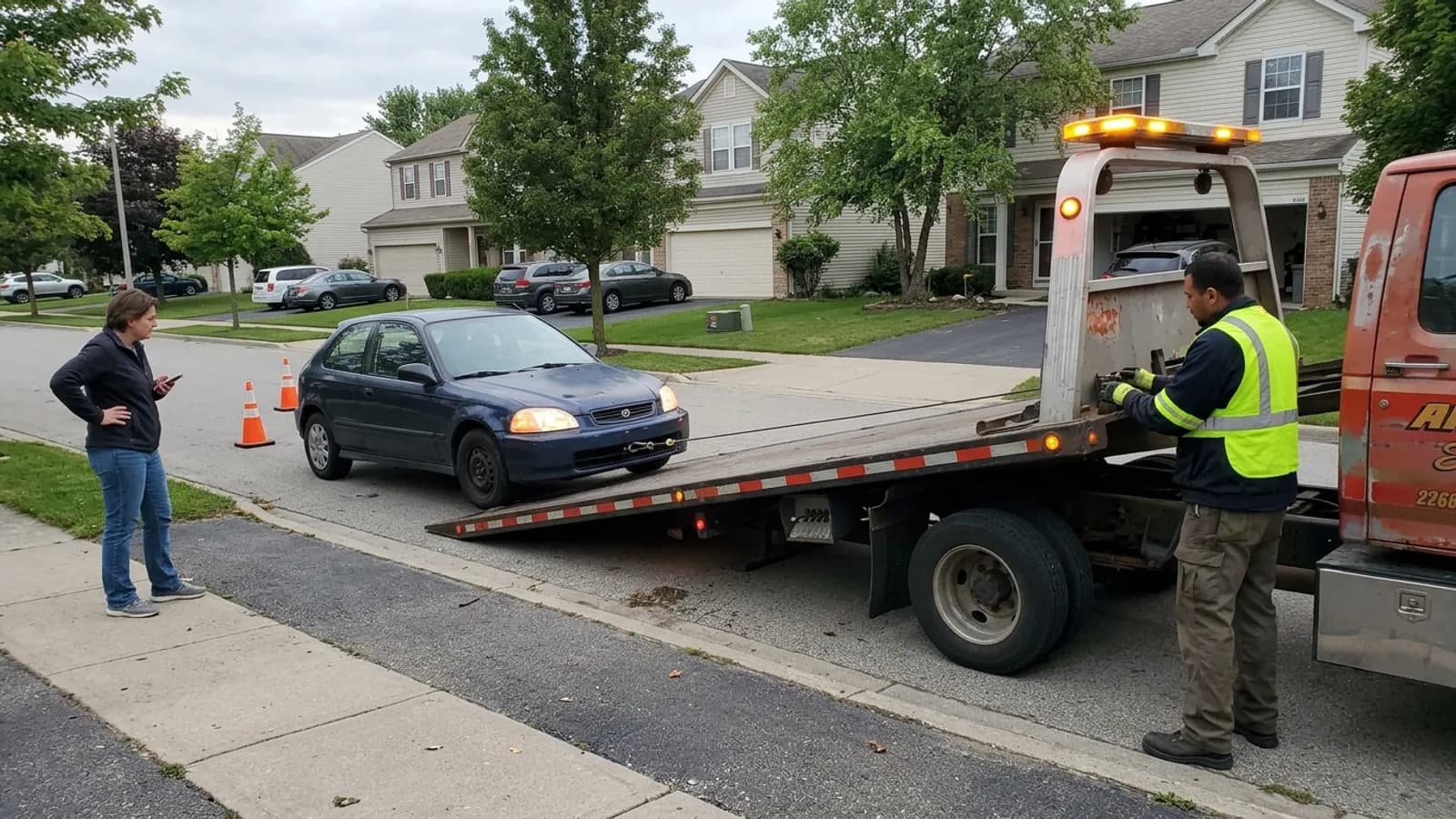
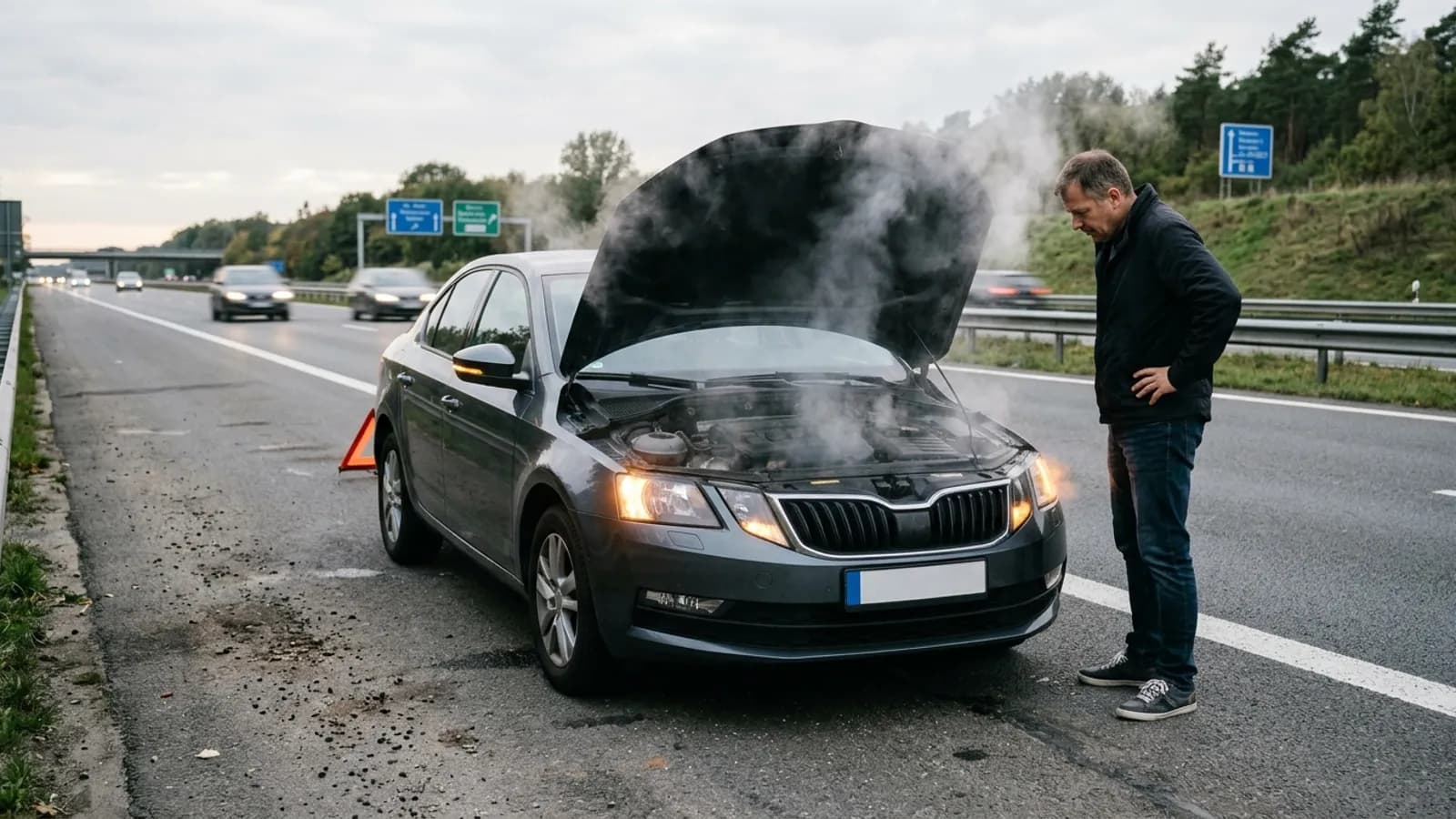
Does Car Insurance Cover Mechanical Breakdown?
Mechanical breakdown from wear and tear is excluded from every auto policy — sudden covered perils are the exception. Warranties, MBI, and repair funds compared.
Read guide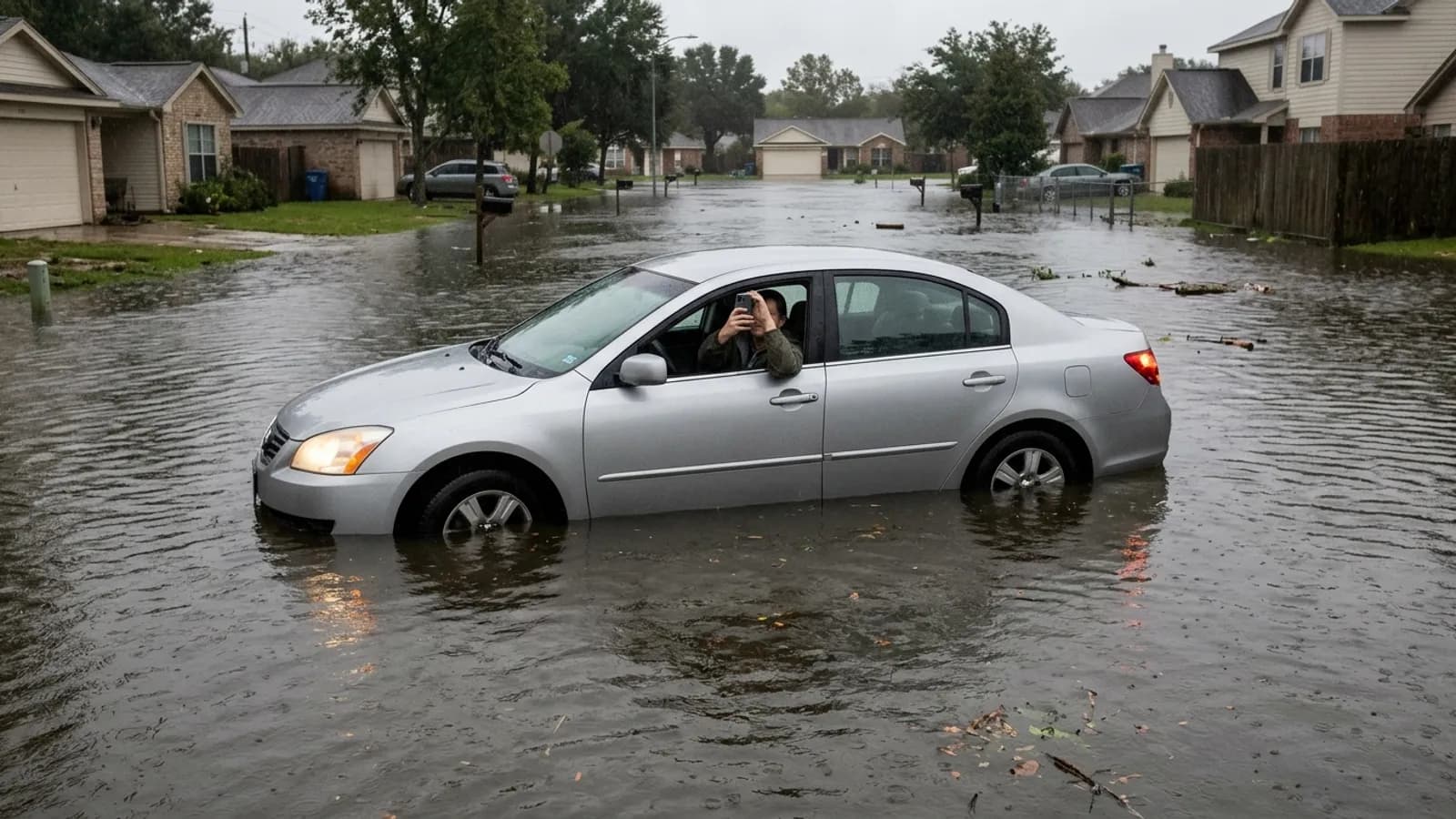
Does Car Insurance Cover Flood Damage?
Flood damage claims under comprehensive coverage — hydro-locked engines, flooded interiors, storm surge — and liability-only policies pay none of it.
Read guide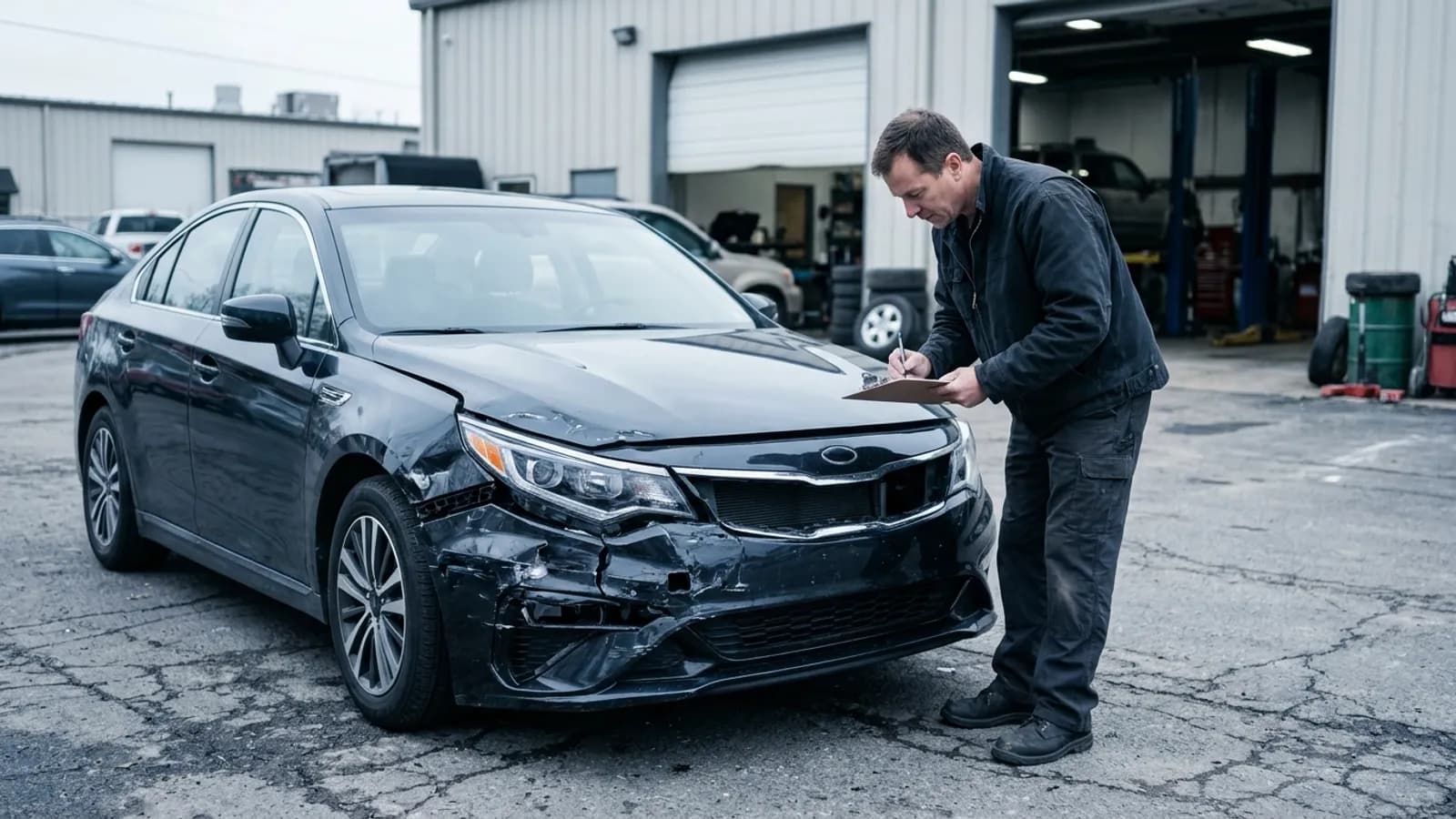
What Is Collision Car Insurance? Coverage, Deductibles, and Cost
Collision insurance pays to repair or replace your car after a crash with a vehicle or object, regardless of fault — commonly $300–$900 per year.
Read guide
What Is Comprehensive Car Insurance? Coverage and Cost
Comprehensive car insurance pays for non-crash damage — theft, fire, hail, flood, falling objects, vandalism, animal strikes — commonly $100–$300 per year.
Read guideWhat Is an Exclusion in Insurance?
An exclusion is a peril, property type, or situation a policy does not cover — floods, earthquakes, wear and tear — marking exactly where your protection ends.
Read guide