
Car Insurance in Colorado: Minimums, Costs, and How to Save (2026)
Car insurance in Colorado costs roughly $1,900–$3,000 per year for full coverage. Front Range hail, mountain winters, and Denver density drive the price.
Why you can trust this guide
- Written by Daniel Reyes, AINS, former licensed P&C agent — independent insurance education publisher.
- Factual accuracy reviewed and signed off by Marcus Hale, CPCU, AINS, licensed P&C agent (Independent insurance reviewer).
- Every factual claim traces to a regulator, statute, or policy document — sources are listed at the bottom of the page.
- Last verified ; time-sensitive guides are re-checked at least twice a year. Read our editorial policy.
On this page
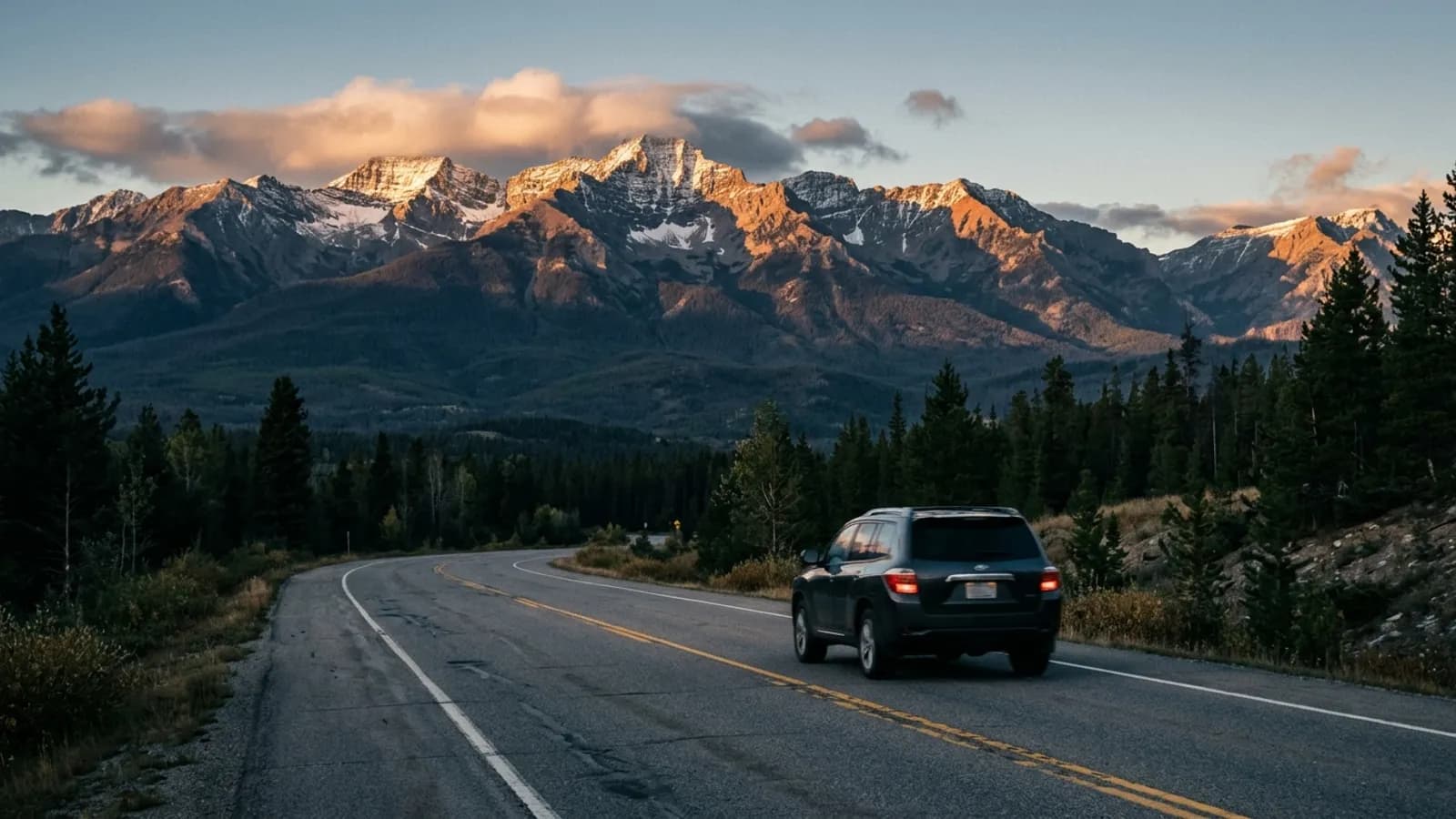
Car insurance in Colorado commonly costs $1,900–$3,000 per year for full coverage, with a minimum-liability policy costing roughly 30–40% of that. Colorado's pricing signature is the Front Range hail corridor — Denver to Colorado Springs is among the most hail-active regions in the country — layered with mountain-pass winters, wildfire seasons, and the Denver metro's density and theft claims.
What Colorado drivers pay
| Profile | Typical annual premium |
|---|---|
| Full coverage, clean record, statewide | $1,900–$3,000 |
| Minimum liability only (25/50/15) | Roughly 30–40% of the full-coverage figure |
| Denver metro | $2,000–$3,200 per year |
| One at-fault crash | +25–50% |
| Teen driver added to the household | +$2,000–$5,000 |
The Denver figure comes from the Denver city guide. Aurora and Colorado Springs track close to Denver; the Eastern Plains and Western Slope quote lower on density but carry their own hail and wildlife exposure. Quote the exact address either way — hail maps move zip code by zip code — and see how to lower car insurance for the levers that apply.
What Colorado law requires
- Minimum liability is 25/50/15 — $25,000 bodily injury per person, $50,000 per accident, $15,000 property damage, per the Colorado Division of Insurance.
- The system is tort (at-fault). The driver who causes the crash pays the other side's injury and property claims; Colorado requires no PIP.
- Uninsured/underinsured motorist coverage is offered on every policy and declined only in writing. Colorado lets you reject UM/UIM or cut it to minimum limits; the Division recommends keeping it at liability limits.
- MedPay must be offered. Colorado carriers must offer medical-payments coverage (declinable in writing), which pays health-plan deductibles and copays after a crash.
- The Colorado Division of Insurance publishes consumer guides and takes written complaints when a claim stalls or a hail-related total-loss offer looks low.
The Colorado claim landscape
- Hail — the state's signature claim. The Front Range sits in hail alley: June storms drop large hail across Denver, Aurora, and Colorado Springs, producing windshield, panel, and total-loss claims by the thousands. Comprehensive pays; see how car insurance handles hail damage.
- Mountain-pass winter collisions — I-70 through the Eisenhower Tunnel, Vail Pass, and the ski-corridor chain controls produce the state's winter collision load, all under collision coverage.
- Wildfire smoke and evacuation losses — the 2020 Cameron Peak and East Troublesome fires and the 2021 Marshall Fire pushed fire, ash, and evacuation-related vehicle damage into comprehensive.
- Wildlife strikes — elk, deer, and pronghorn crossings on US-285, SH-9, and the plains highways feed a steady animal-collision season under comprehensive.
- Metro theft claims — Denver's vehicle-theft wave in 2021–2023 was among the nation's steepest, feeding comprehensive claims and metro zip-code pricing.
- Ski-corridor and pass traffic — weekend I-70 congestion toward the Eisenhower Tunnel and Vail produces a distinct weekend-collision pattern: stop-and-go mountain traffic, chain-law weekends, and out-of-state drivers unfamiliar with the grades, all priced into Front Range and mountain-county collision rates.
Coverage setup that fits Colorado
- Liability at 100/300/100. The 25/50/15 minimum puts $15,000 against property damage — a hit to a late-model vehicle can approach that alone — and one hospital stay exhausts the injury cap.
- Uninsured/underinsured motorist matched to liability limits. Colorado makes it declinable; the Division's own guidance is to keep it at full limits.
- Comprehensive with hail in mind. The Front Range's hail frequency makes this the workhorse line; choose a deductible you can pay twice in one season, because multi-hail years happen.
- MedPay instead of declining it. In a tort state with no PIP, MedPay covers your first medical bills and health-plan cost-sharing at a low premium.
- Towing and rental reimbursement for mountain commuters — I-70 closures and pass-chain requirements stretch repair timelines; these coverages replace the vehicle while it waits.
Hail alley: the Colorado pricing engine
Colorado is the clearest example in the country of a single peril setting the statewide price. The Front Range corridor — Denver, Aurora, Colorado Springs, and the I-25 corridor between them — sits in the heart of US hail territory, and the meteorology is specific: spring and early-summer supercells track northward along the corridor, dropping stones large enough to total windshields and body panels across entire zip codes at once. That concentration is why comprehensive claims in Colorado run above collision claims in many metros, why carriers deploy hail-specific deductibles or inspect totals aggressively, and why the same car can price 20–30% apart between a western-suburb zip code and the plains. Marshall Fire–era wildfire smoke added a second catastrophe profile to the same coverage line. The practical playbook: keep comprehensive on anything hail-vulnerable, verify the deductible before storm season, and re-quote annually — carrier repositioning after a bad hail year is exactly when Colorado's dispersion favors shoppers. The Colorado Division of Insurance publishes carrier complaint data and consumer hail-claim guidance, worth reading before the June storm season rather than after the first claim. Colorado's hail economics also explain the state's deductible behavior: because one storm can file claims across an entire zip code the same evening, carriers manage hail exposure with per-claim deductibles, glass-specific handling, and post-storm inspection surges that stretch claim timelines for weeks. A Colorado driver's practical response is procedural — photograph damage before any glass vendor touches the car, open the claim before the inspection queue forms, and confirm whether the carrier applies a separate glass deductible. The same preparation applies to wildfire seasons, where evacuation-zone claims process faster with documentation already in hand.
Related guides
Colorado drivers connect with the Denver metro guide and the coverage mechanics behind the state's signature hail and winter claims.
- Car Insurance: The Complete Guide — the hub for coverage types and how Colorado minimums compare nationally.
- Average Cost of Car Insurance in 2026 — national benchmarks against Colorado's $1,900–$3,000 per year.
- What Is a Wind/Hail Deductible? — the separate deductible some policies apply to hail losses.
- How to Switch Car Insurance — re-shop after a hail year reprices the market.
- What Is Uninsured Motorist Coverage? — the optional line Colorado's Division recommends keeping.
Compare car insurance in other states
Requirements and rate bands move at the state line:
Sources
- Colorado Division of Insurance — current Colorado requirements and consumer help
- NAIC — Auto insurance consumer resources
- III — Auto insurance facts and statistics
Frequently asked questions
How much is car insurance in Colorado?
Full coverage in Colorado commonly runs $1,900–$3,000 per year for a clean-record driver; a 25/50/15 minimum-liability policy costs roughly 30–40% of that. Denver prices at $2,000–$3,200 per year and the Front Range corridor (Aurora, Colorado Springs, Fort Collins) sits above mountain and Eastern Plains counties.
What are Colorado's minimum car insurance requirements?
Colorado requires 25/50/15 liability — $25,000 per person, $50,000 per accident for injuries, and $15,000 for property damage, per the Colorado Division of Insurance. The state runs a tort system with no PIP requirement, and insurers must offer uninsured/underinsured motorist coverage that can be declined only in writing.
Does car insurance cover hail damage in Colorado?
Yes — hail is a comprehensive-coverage peril, and Colorado's Front Range is one of the most hail-active corridors in the country; a single June storm can damage thousands of vehicles between Denver and Colorado Springs. Comprehensive pays up to actual cash value minus your deductible; liability-only policies pay nothing for hail.
Why is Colorado car insurance more expensive than its population suggests?
The Front Range (Denver–Colorado Springs) is one of the nation's most hail-active corridors, so comprehensive claims run high along I-25; mountain passes add winter collision losses; and post-2020 wildfire seasons pushed smoke and fire exposure into the same line of coverage. Density along the corridor concentrates all of it.
How much car insurance should I carry in Colorado?
A practical Colorado setup: 100/300/100 liability instead of 25/50/15, uninsured/underinsured motorist matched to those limits, and comprehensive coverage kept on any vehicle that can't absorb a hail or wildfire-smoke loss. Mountain commuters should also check towing and rental reimbursement, since I-70 closure claims stretch repair timelines.
How we researched this guide
Car insurance pricing is set per driver, per ZIP code — so our guides anchor on regulator and industry statistics and explain the factors, not a fake exact price.
- Premium ranges are anchored to NAIC statewide average-expenditure data, the most complete public dataset on what drivers actually pay per state.
- State minimum-coverage requirements are checked against each state's motor-vehicle financial-responsibility statute and the state insurance department's consumer pages.
- What a coverage actually pays for is verified against policy declarations and specimen forms, not marketing copy.
- Discount and surcharge rules cite the state DOI consumer bulletin where each state regulates them differently — for example credit-based insurance scores, which most states permit but a few ban.
Where facts vary by state or insurer, we publish the range and the reason for the variation rather than a single misleading average. We do not sell insurance, take money from insurers for coverage, or publish claim amounts we cannot trace to a source.
Sources
The primary sources behind the facts on this page. Last verified November 10, 2026.
- IIHS — Insurance Institute for Highway Safety — crash-test data, vehicle loss statistics, and safety-feature research.
- NHTSA — National Highway Traffic Safety Administration — recalls, crash data, and state traffic-safety requirements.
- FMCSA — Federal Motor Carrier Safety Administration — commercial vehicle and carrier insurance requirements.
- NAIC — National Association of Insurance Commissioners — model regulations, consumer guides, and industry statistics.
- Find your state insurance regulator (NAIC directory) — every state insurance department — the authority for your state's rules and complaint filing.
- Insurance Information Institute (III) — industry statistics and consumer explainers we cross-check against regulator publications.
Rules that vary by state are verified against the state insurance department's consumer pages — find yours via the NAIC directory above.
Keep reading

Car Insurance: The Complete Guide
Car insurance bundles liability, collision, comprehensive, and medical coverage — this guide explains state minimums, full coverage, and how to lower the premium.
Read guideCar Insurance in Denver, CO: Costs and Guide (2026)
Car insurance in Denver costs about $2,000–$3,200 per year, with Front Range hailstorms making comprehensive claims routine and growth congestion adding collision.
Read guide
How to Lower Car Insurance: 12 Ways That Actually Work
How to lower car insurance: re-shop every renewal, raise deductibles, trim coverage on old cars, stack discounts, and fix the rating factors you control.
Read guide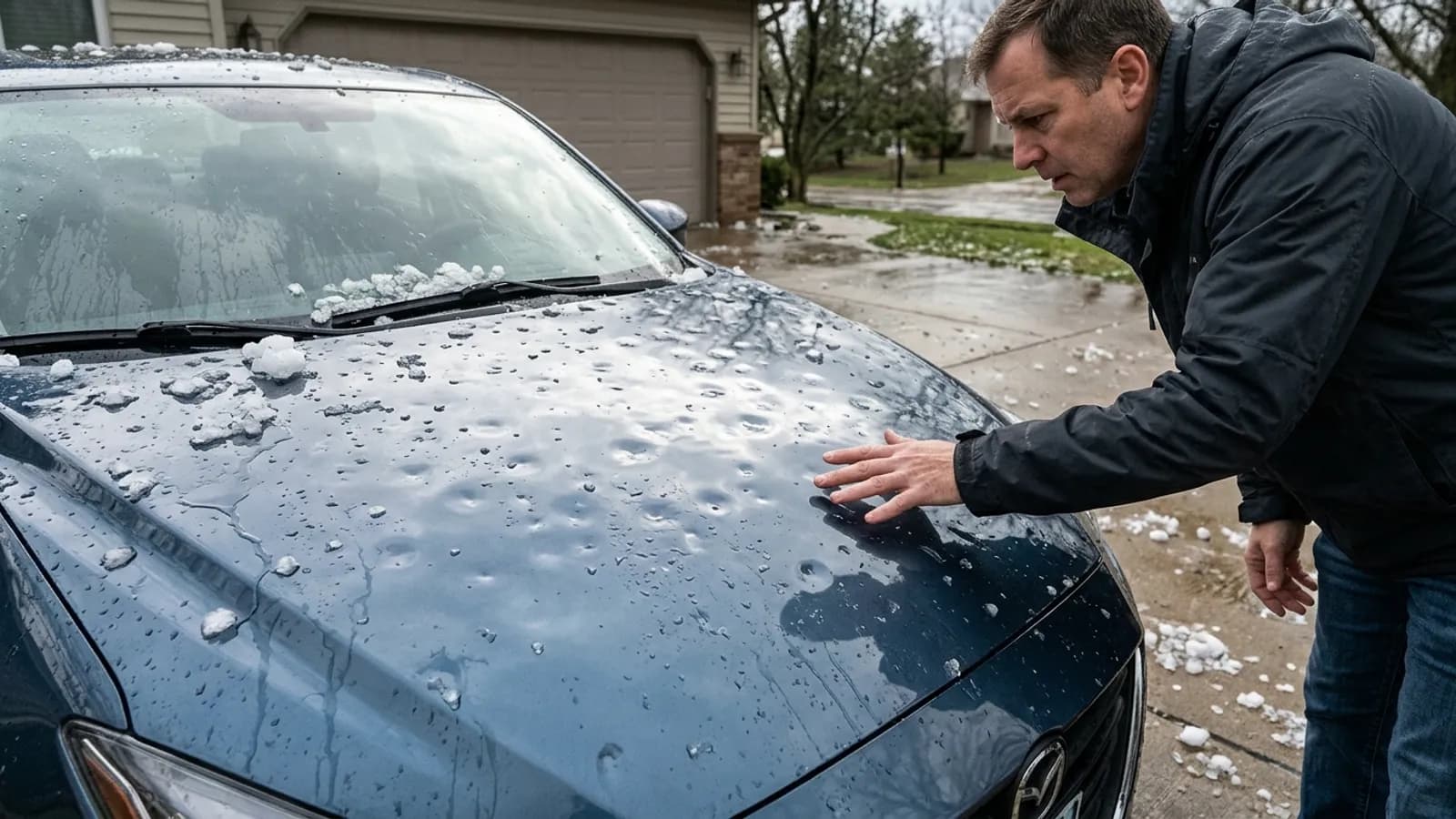
Does Car Insurance Cover Hail Damage?
Hail damage claims under comprehensive coverage — dents, broken glass, storm totals — and liability-only policies cover none of it. PDR and deductibles explained.
Read guideWhat Is a Wind/Hail Deductible?
A wind/hail deductible is a separate, usually percentage-based deductible (1–5% of dwelling coverage) applying only to windstorm and hail claims in storm states.
Read guide