
Does Car Insurance Cover Unlisted Drivers?
Occasional permitted drivers are usually covered under permissive use — household members and regular borrowers must be listed, or claims face denial.
Why you can trust this guide
- Written by Daniel Reyes, AINS, former licensed P&C agent — independent insurance education publisher.
- Factual accuracy reviewed and signed off by Marcus Hale, CPCU, AINS, licensed P&C agent (Independent insurance reviewer).
- Every factual claim traces to a regulator, statute, or policy document — sources are listed at the bottom of the page.
- Last verified ; time-sensitive guides are re-checked at least twice a year. Read our editorial policy.
On this page
It depends on the driver's pattern — occasional permitted drivers are usually covered under permissive use, but household members and regular borrowers must be listed, and the unlisted regular driver is the misrepresentation denial target. Excluded drivers void coverage entirely.
Regular use: the clause that converts a guest into a rating problem
The line between "covered guest" and "denied claim" is the regular-use concept, and insurers define it by pattern rather than paperwork. The rating logic: a policy prices the drivers the household disclosed, and a person who drives the car weekly — a roommate, a partner's sibling, a nanny — is a regular driver whose risk the premium never included.
The frequency signals adjusters look at: multiple incidents in one claims period, garage-parking patterns, and a car registered to one person while driven daily by another. The gray zone is real: a friend who borrows the car three weekends a year is permissive use, and the same friend driving it to work every day is an undisclosed regular driver. The underlying permissive-use mechanics — who pays first when the car is lent — are the other drivers guide.
| Driver pattern | Coverage status | The exposure | | | --- | --- | | Friend borrows the car three weekends a year | Covered — permissive use | None | | Roommate drives it weekly | Must be listed | Denial, retroactive re-rate, or non-renewal | | Household member, licensed | Must be listed from day one | Misrepresentation denial — the strongest version | | Nanny on the school run | Must be listed | Regular-driver pattern | | Excluded spouse or teen | Never covered | One drive voids the claim | | Any driver on a named-operator policy | Only the names on the declarations | Everyone else is outside the policy |
The denied claim and the retroactive re-rate, in dollars
The unlisted-driver failure has two cost versions, and the denial is the cheap one. The denial version: an undisclosed regular driver causes a $14,000 accident — the insurer investigates, finds the six-month pattern, and denies on misrepresentation, leaving the damage personal. The re-rate version: the same discovery during a claim where the insurer elects to pay anyway — some carriers pay first and re-rate or non-renew later — produces a retroactive premium adjustment for the unlisted period, commonly several hundred dollars, plus a non-renewal that follows the household into the next quote.
The comparison that makes the decision: listing the roommate or regular borrower costs $300–$800 per year, and the denial exposure is five figures. The listing call is the same disclosure discipline the teen driver guide applies to household teens, where the undisclosed license date is the classic version of the mistake.
Named-driver policies versus standard permissive-use policies
Not all policies extend coverage to permitted drivers the same way, and the difference is the fine print that decides unlisted-driver claims. Standard policies: permissive use extends liability to licensed drivers with permission, with the car-first priority order. Named-driver (named-operator) policies: coverage applies only to the drivers listed on the declarations — anyone else behind the wheel, even with permission, is outside the policy.
Named-operator products are common in the nonstandard and high-risk markets, where they price cheaper because the exposure is bounded — and they surprise drivers who assumed the standard rule. The verification is a five-minute read: the declarations page lists the insured drivers or it does not, the policy's "Persons Insured" section defines the extension, and the carrier confirms in writing. Drivers who borrow cars regularly rather than lend them hold the mirror-image product — the non-owner policy.
Quick answer: does car insurance cover unlisted drivers?
Depends on who is driving. Occasional permissive drivers are usually covered without being listed; unlisted household members and regular drivers are the misrepresentation risk, and claims on them can be denied or re-rated retroactively.
- The household rule is the hard line — licensed residents are supposed to be rated whether or not they drive, and carriers check household records at claim time.
- Deferred listing exists at some carriers — a short window to add a household member before the rate applies; know your carrier's rule before the claim tests it.
- Named exclusions are absolute — excluding a household member in writing removes coverage entirely; an excluded driver behind the wheel voids the claim.
- The claim-time test is residency plus access — the carrier asks where the driver lives and whether keys were available.
The trap: the teen who "doesn't drive it yet." Licensing triggers the household rule; the unlisted drivers guide and the teen driver guide cover the disclosure sequence.
What the misrepresentation costs, priced
An unlisted-driver claim can end three ways: paid as permissive use (occasional drivers), paid but re-rated retroactively (household member discovered), or denied entirely (excluded driver, or concealment the carrier proves). The premium consequence of honest listing runs from neutral (clean drivers) to +$2,000–$5,000 per year (teen drivers) — against a denial that costs the entire claim. The disclosure is the cheapest line item on the policy.
Related guides
The neighboring questions are the permissive-use base rules, the teen-disclosure pattern, and the named-driver policy structure.
- What Is an Insurance Declaration Page? — where the "Persons Insured" list lives.
- What Is Non-Renewal? — the insurer-side exit the retroactive re-rate triggers.
- What Is an Exclusion in Insurance? — how the exclusion language is written.
- How to Switch Car Insurance — the re-shop after a re-rating event.
- Car Insurance: The Complete Guide — the hub for coverage structures and state rules.
Sources
Frequently asked questions
What happens if an unlisted driver crashes my car?
A permitted occasional driver is usually covered under permissive use. A regular unlisted driver is the problem: the insurer may deny the claim on misrepresentation, re-rate the policy retroactively, or non-renew. Household members must be listed everywhere, so their unlisted status is the strongest denial ground.
How do I add a temporary driver for a month?
Call the insurer and list them — many carriers add a driver mid-term pro-rated, or offer a short-term endorsement. Some decline short listings and suggest the driver buy a non-owner policy instead. Either way, the month of coverage is documented rather than assumed under permissive use.
Is my babysitter or nanny covered to drive my car?
A nanny driving the household children routinely is a regular driver and should be listed — the pattern is exactly what permissive use is not designed to cover. A one-time errand run is permissive use. The listing also keeps the household's disclosure clean for every future claim.
Does an unlisted driver's own insurance ever pay for my car?
Rarely — their liability pays for damage they cause to others, but the borrowed car's damage is the owner policy's physical-damage claim. Their collision coverage does not extend to a borrowed car, and their policy cannot resurrect a claim the owner's insurer denied for misrepresentation.
Does car insurance follow the car or the driver?
The car first — the owner's policy's coverage applies to the owner's car, then the driver's policy as excess. The exceptions reshape the rule: household members are rated as insureds, excluded drivers have no coverage, and named-driver policies cover only the drivers listed on the declarations.
How we researched this guide
Car insurance pricing is set per driver, per ZIP code — so our guides anchor on regulator and industry statistics and explain the factors, not a fake exact price.
- Premium ranges are anchored to NAIC statewide average-expenditure data, the most complete public dataset on what drivers actually pay per state.
- State minimum-coverage requirements are checked against each state's motor-vehicle financial-responsibility statute and the state insurance department's consumer pages.
- What a coverage actually pays for is verified against policy declarations and specimen forms, not marketing copy.
- Discount and surcharge rules cite the state DOI consumer bulletin where each state regulates them differently — for example credit-based insurance scores, which most states permit but a few ban.
Where facts vary by state or insurer, we publish the range and the reason for the variation rather than a single misleading average. We do not sell insurance, take money from insurers for coverage, or publish claim amounts we cannot trace to a source.
Sources
The primary sources behind the facts on this page. Last verified November 17, 2026.
- IIHS — Insurance Institute for Highway Safety — crash-test data, vehicle loss statistics, and safety-feature research.
- NHTSA — National Highway Traffic Safety Administration — recalls, crash data, and state traffic-safety requirements.
- FMCSA — Federal Motor Carrier Safety Administration — commercial vehicle and carrier insurance requirements.
- NAIC — National Association of Insurance Commissioners — model regulations, consumer guides, and industry statistics.
- Find your state insurance regulator (NAIC directory) — every state insurance department — the authority for your state's rules and complaint filing.
- Insurance Information Institute (III) — industry statistics and consumer explainers we cross-check against regulator publications.
Rules that vary by state are verified against the state insurance department's consumer pages — find yours via the NAIC directory above.
Keep reading

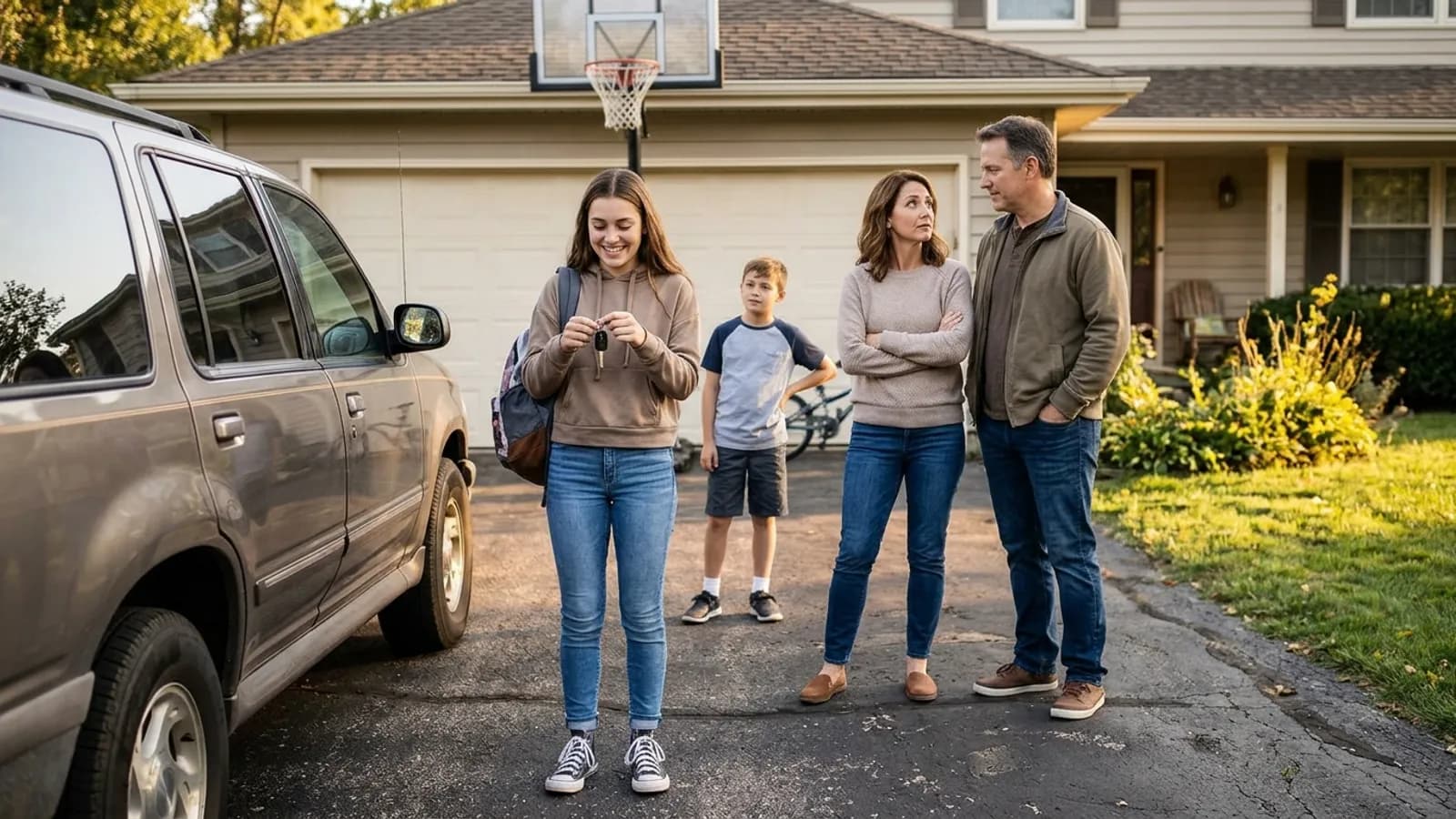
Does Car Insurance Cover Other Drivers?
Car insurance follows the car: permissive use covers occasional permitted drivers, household members must be listed, and a named exclusion voids coverage.
Read guide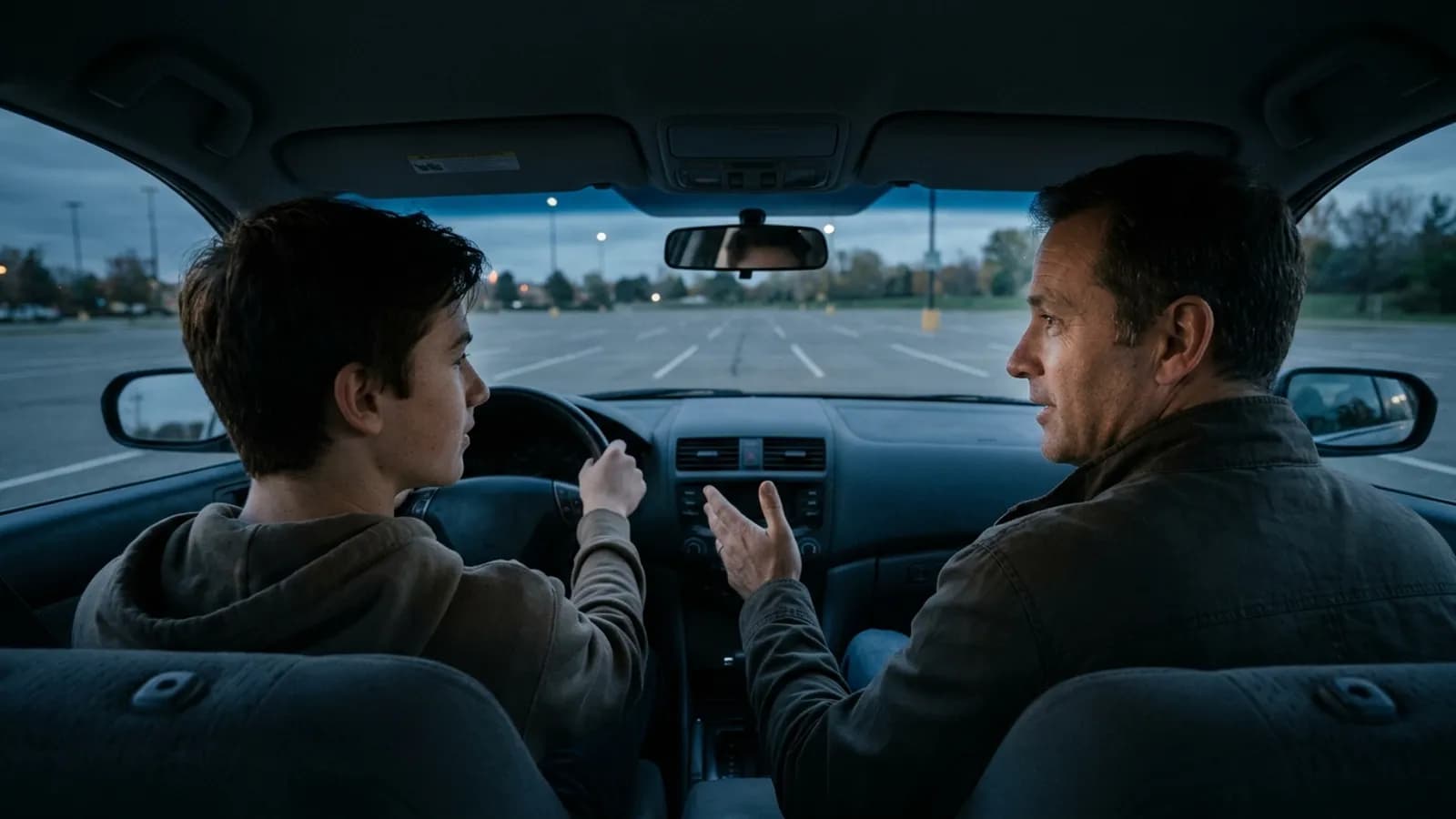
Adding a Teen Driver: Costs, Discounts, and the Setup That Saves
Adding a teen driver raises a household premium $2,000–$5,000 a year — the assigned car, stacked discounts, and disclosure timing move it by thousands.
Read guide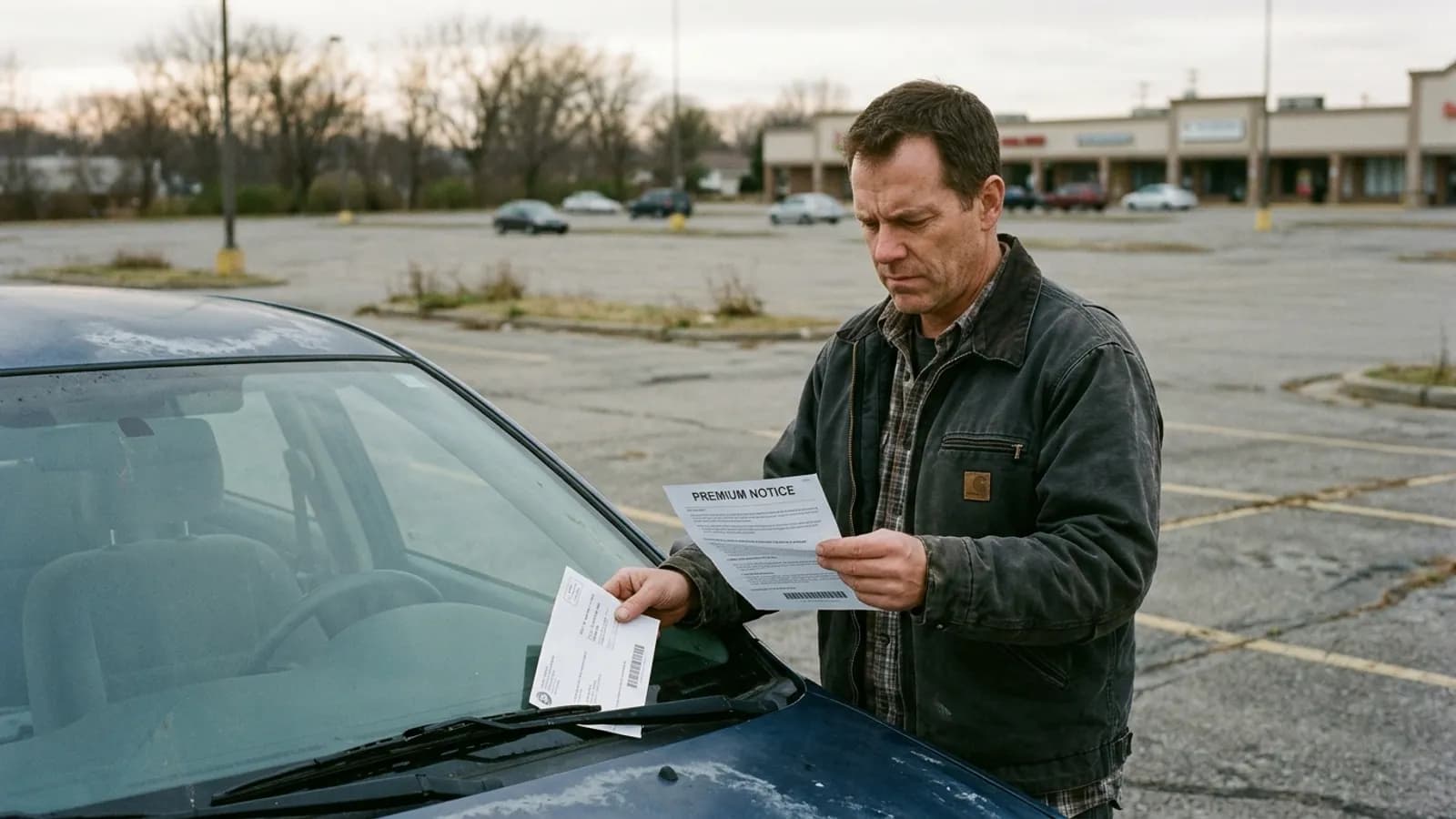
High-Risk Car Insurance: The Market for Drivers Standard Carriers Decline
High-risk car insurance is the nonstandard market for DUIs, suspensions, SR-22 filings, and claim clusters — specialist carriers, price dispersion, an exit path.
Read guide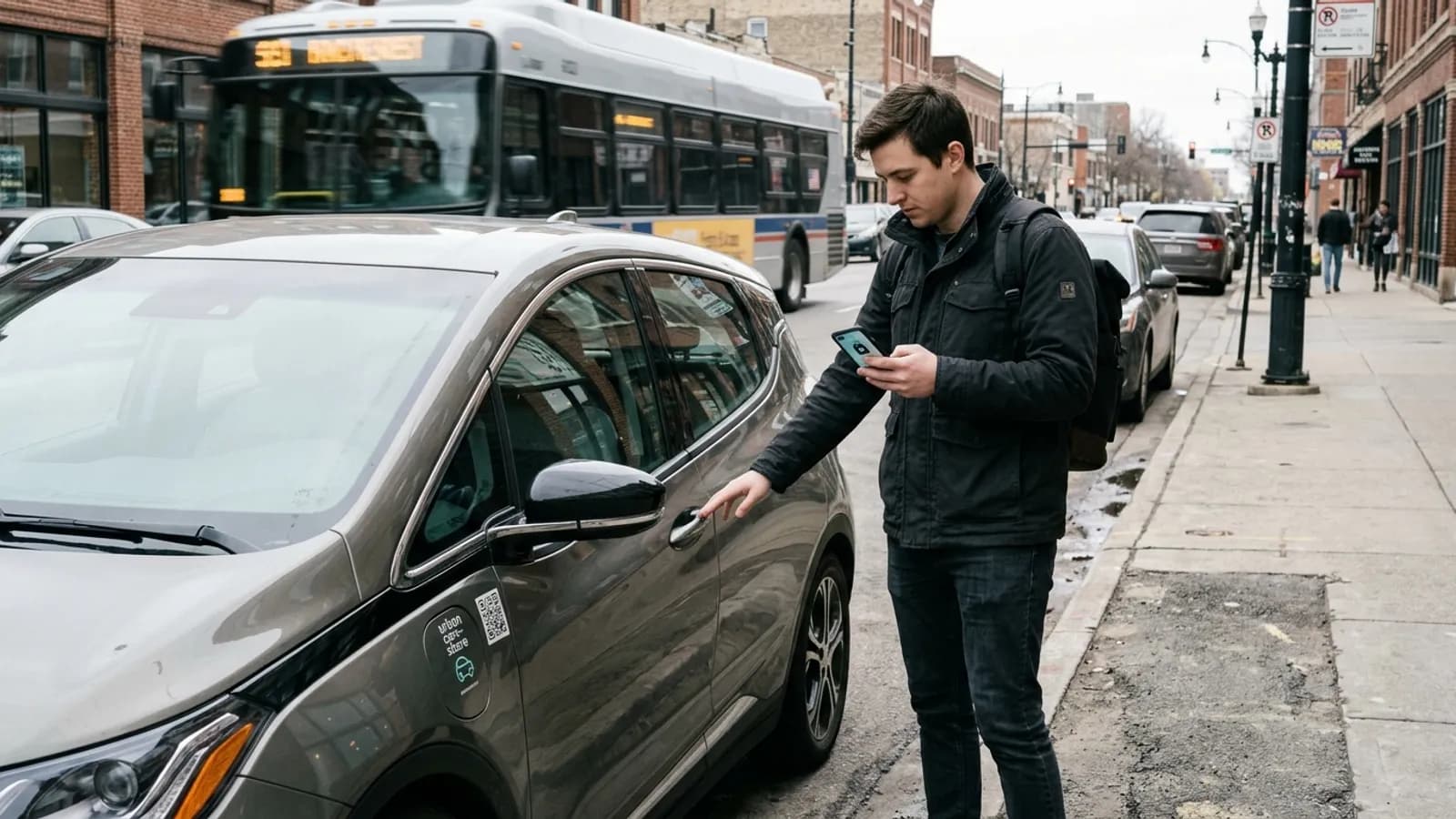
What Is Non-Owner Car Insurance? Who Needs It and What It Covers
Non-owner car insurance is liability that follows the driver, not the car — who needs it, what it covers, what it costs, and when it beats a standard policy.
Read guideWhat Is Material Misrepresentation?
Material misrepresentation is a false statement or omission on an application that would have changed the underwriting decision — grounds for rescission.
Read guide