
Adventure Sports Travel Insurance: Skiing, Diving, and Climbing Coverage
Standard travel policies exclude or cap adventure sports, and off-piste skiing, deep scuba, and climbing need riders or specialty coverage priced 10–40% higher.
Why you can trust this guide
- Written by Daniel Reyes, AINS, former licensed P&C agent — independent insurance education publisher.
- Factual accuracy reviewed and signed off by Marcus Hale, CPCU, AINS, licensed P&C agent (Independent insurance reviewer).
- Every factual claim traces to a regulator, statute, or policy document — sources are listed at the bottom of the page.
- Last verified ; time-sensitive guides are re-checked at least twice a year. Read our editorial policy.
On this page
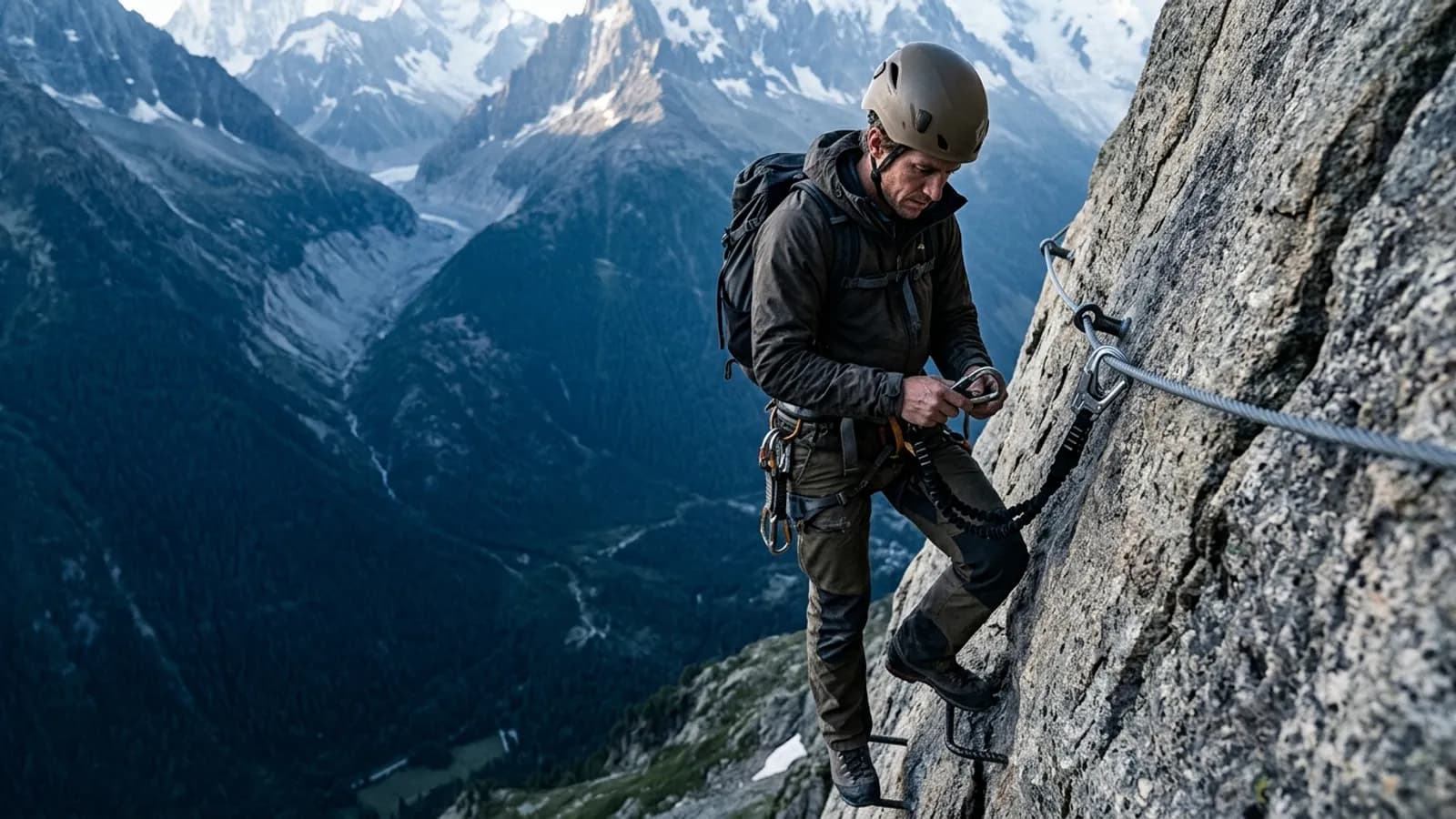
Standard travel policies exclude or cap adventure activities — the off-piste ski run, the dive below 30 meters, and the alpine climb all sit outside base coverage. The fixes are activity riders on comprehensive policies or specialty adventure products, matched to the itinerary before booking.
Which activities standard policies exclude
Standard travel policies cover low-risk recreation and exclude or cap anything with elevated rescue costs or operator risk. The table maps the common activities to their treatment and their fix:
| Activity | Standard policy treatment | The fix |
|---|---|---|
| On-piste skiing (lift pass) | Often covered | Winter-sports rider adds gear and piste-closure benefits |
| Off-piste / backcountry skiing | Excluded | Specialty winter-sports policy |
| Scuba to 30 meters, certified | Sometimes covered | Read the depth and certification clauses |
| Scuba deeper than 30 meters or technical | Excluded | DAN coverage plus dive riders |
| Hiking below altitude limits | Usually covered | Check the altitude clause (2,000–3,000 meter caps on some policies) |
| Mountaineering and technical climbing | Excluded | Adventure specialty policies |
| Whitewater to grade 3 | Often covered | Grade 4 and above needs riders |
| Mountain biking (trail) | Sometimes covered | Downhill and bike-park riders |
| Paragliding, BASE jumping, motocross | Excluded | Specialty products only |
The altitude and depth lines that decide claims
The exclusions work by number, and the numbers repeat across policies. Scuba coverage commonly stops at a 30-meter depth line and requires a recognized certification; a deeper or uncertified dive can void the medical claim that follows. Altitude caps on standard policies often land between 3,000 and 4,500 meters (the threshold varies by policy), which quietly excludes high-altitude trekking that many travelers consider ordinary hiking. Terrain rules push off-piste skiing, via ferrata, and climbing above defined grades to the excluded side unless the adventure rider is attached.
The practical move is a number-matching exercise before purchase: the itinerary's deepest dive, highest pass, and steepest descent against the policy's thresholds. A trekking itinerary crossing 4,000-meter passes in the Peruvian Andes reads against different thresholds than an alpine week in New Zealand, and both read differently from a resort ski week. The exclusion is numeric, and it is not negotiable at claim time.
The certified-and-guided distinction
Two words decide more adventure claims than the premium does: certified and guided. Many policies cover an activity only when performed within the qualification the insurer defines — a certified diver within depth limits, a climber with a licensed guide, a skier inside resort boundaries. Three disputes recur at claim time. The uncertified diver who logged a deep dive meets a qualification exclusion. The off-piste run outside the marked boundary is excluded unless conditions are met — some policies cover off-piste only when local avalanche warnings sit below their highest level. The solo climb without the required guide triggers liability and rescue exclusions. Booking the guide and carrying the certification card is claim infrastructure, not trip decoration.
What the rider costs
Activity riders add 10–40% to the base premium, scaled to the activity's risk class. Three cost lines matter more than the rider price itself:
- Medical evacuation — remote-terrain rescues (heli-ski pickup, alpine winch) are the expensive scenarios, which is why the evacuation limit outranks the rider price in any comparison (see travel medical insurance for the medical-first product)
- Search and rescue — some policies bundle rescue coordination into the assistance benefit; others pay only transport from a medical facility, and SAR-heavy itineraries need that wording confirmed before departure
- Gear — ski equipment, dive computers, and climbing racks need their own limits, because base baggage benefits rarely anticipate them
Winter-sports riders add three benefits worth reading individually: piste-closure payments when the resort shuts lifts, off-piste coverage conditioned on the local avalanche-warning level, and gear limits sized to ski kits rather than suitcases. The rider's activity schedule — the list of covered sports with their conditions — is the page that decides the claim.
The specialty adventure market
Insurers that specialize in adventure travel price the activity set as the product rather than bolting riders onto a vacation policy. Three structures dominate: annual multi-trip policies for the frequent adventurer (priced per year, each trip subject to the activity schedule), single-trip expedition policies built for one itinerary (altitude, polar, dive liveaboard), and activity-membership products such as Divers Alert Network (DAN) coverage that pair with a travel policy instead of replacing it. Specialists earn their higher premium on two fronts: higher activity limits without stacking per-activity riders, and rescue-coordination experience in remote terrain. The comparison that matters is coverage-for-your-actual-activities against the policy's schedule — not the brochure's sport list.
Gear coverage for adventure trips
Adventure equipment concentrates value in a way ordinary baggage limits rarely anticipate. A dive setup, a ski kit, or a climbing rack routinely crosses $3,000–$8,000, while standard baggage benefits commonly run $1,000–$2,500 with per-item sub-limits of a few hundred dollars. Check the per-item cap first: it — not the aggregate limit — pays for a single lost ski bag or camera body.
Three fixes close the gap. A sport-specific gear policy behaves like scheduled personal property coverage and suits high-value kits. A higher baggage endorsement on the travel policy raises the per-item ceiling. The home-policy angle also applies: renters or homeowners personal-property coverage extends to belongings stolen anywhere, subject to off-premises caps, which sometimes covers what travel baggage benefits will not. Document serial numbers before departure under any of the three.
Worked example: a $5,000 camera-and-dive kit lost in transit under a baggage benefit with a $2,000 aggregate limit and a $300 per-item cap pays $300 for the camera body and $300 for the housing — the remaining $4,400 is unrecoverable unless a scheduled-property policy or a raised endorsement covers it. The per-item cap, not the aggregate limit, is the number that pays for the single most likely loss.
The claim-prevention steps
- Match the policy to the itinerary before booking — run the exclusion list against every planned activity, not just the headline sport.
- Carry the certifications — the dive card, the avalanche-course certificate, the guide's confirmation.
- Book the guide the wording names — unguided attempts on guided-required activities void the claim.
- Confirm search-and-rescue handling with the assistance line before any high-risk departure.
- Photograph the gear and serials before packing.
The five steps take under an hour and settle the two claim-killers the premium cannot fix: an activity the policy never covered, and a qualification the traveler never carried. Everything after an accident — documentation, mitigation, the assistance call — is standard travel-claim practice; the adventure-specific failures all happen before departure.
Related guides
These neighboring guides and glossary entries cover the decisions an adventure itinerary adds to a standard policy purchase:
- Travel Insurance: The Complete Guide — the hub: components, product types, costs, and the claim process end to end.
- What Is Travel Insurance? Types, Coverage, and How It Works — how the base product works before activity riders attach.
- Travel Insurance Comparison: How to Compare Policies in 20 Minutes — the five-number quoting method that activity riders slot into.
- How to Choose the Best Travel Insurance Company (No Sponsored Rankings) — finding insurers and underwriters that actually cover adventure risk.
- What Is an Exclusion Rider? — how riders add and remove activity coverage on a policy.
Sources
Frequently asked questions
Does travel insurance cover skiing?
On-piste skiing with a lift pass is usually covered, sometimes through a winter-sports rider that also adds gear coverage and piste-closure payments. Off-piste skiing beyond resort boundaries, heli-skiing, and ski touring are commonly excluded without a specialty winter-sports policy, and some off-piste clauses carry avalanche-risk conditions.
Does travel insurance cover scuba diving?
Many policies cover recreational scuba diving to 30 meters with a recognized certification; deeper, technical, or unaccompanied diving is excluded. Divers Alert Network (DAN) coverage is the diver-specific product that pairs with or replaces the travel policy's dive clause — read the depth and certification wording before booking the trip.
What activities do standard travel policies exclude?
The typical exclusion list covers off-piste skiing, mountaineering above stated altitude limits, technical climbing, motocross, base jumping, whitewater above grade 3–4, uncertified diving, and professional or competitive sports. Each activity has a rider or a specialty product that restores coverage.
How much does adventure sports coverage cost?
Activity riders add roughly 10–40% to the base premium depending on the activity's risk class, while specialty adventure policies price the full activity set from the start. The medical evacuation component matters most, because remote-terrain rescues are the expensive scenarios.
Does travel insurance cover heli-skiing or off-piste skiing?
Usually only with an adventure or winter-sports rider, and often with conditions: many policies cover off-piste runs only when local avalanche risk is below its highest warning level. Read the activity wording against the exact itinerary before booking the trip.
Does an uncertified or unguided attempt void the claim?
Potentially yes. Policies that cover an activity generally require the certification or the licensed guide the wording names, so an uncertified dive or a solo climb can void the medical, rescue, and liability claims that follow the accident. Carrying the certification card and booking the named guide is claim infrastructure.
How we researched this guide
Travel insurance pays on documented triggers, so our guides focus on what activates each benefit and what documentation the claim needs.
- Coverage triggers (trip cancellation reasons, medical evacuation standards, pre-existing waivers) are verified against policy wordings and the state DOI consumer guides that regulate them.
- Visa-entry insurance requirements (e.g., Schengen) are checked against U.S. State Department country guidance.
- Air-passenger rights cited in delay/cancellation guides come from U.S. DOT consumer rules, not airline policies.
- Destination health-risk context comes from CDC traveler health notices.
Where facts vary by state or insurer, we publish the range and the reason for the variation rather than a single misleading average. We do not sell insurance, take money from insurers for coverage, or publish claim amounts we cannot trace to a source.
Sources
The primary sources behind the facts on this page. Last verified November 10, 2026.
- U.S. State Department — travel — country conditions, visa insurance requirements, and emergency assistance programs.
- CDC — traveler health — destination health risks and vaccination requirements that affect medical coverage.
- U.S. DOT — Aviation Consumer Protection — airline passenger rules on cancellations, delays, and refunds.
- NAIC — National Association of Insurance Commissioners — model regulations, consumer guides, and industry statistics.
- Find your state insurance regulator (NAIC directory) — every state insurance department — the authority for your state's rules and complaint filing.
- Insurance Information Institute (III) — industry statistics and consumer explainers we cross-check against regulator publications.
Rules that vary by state are verified against the state insurance department's consumer pages — find yours via the NAIC directory above.
Keep reading

Travel Insurance: The Complete Guide
Travel insurance reimburses prepaid trip costs after covered cancellations and pays medical bills abroad — how policies work, what they cost, and when they pay.
Read guide
What Is Travel Insurance? Types, Coverage, and How It Works
Travel insurance reimburses prepaid trip costs after a covered cancellation or interruption and pays emergency medical and evacuation abroad — the product, defined.
Read guide
Travel Insurance Comparison: How to Compare Policies in 20 Minutes
Compare travel insurance by fixing coverage targets, then comparing five numbers: cancellation, medical, evacuation, exclusions, and price — the 20-minute method.
Read guide
How to Choose the Best Travel Insurance Company (No Sponsored Rankings)
The best travel insurance company is the one whose underwriter, assistance line, and wording fit your trip type — five evaluation criteria, no sponsored rankings.
Read guideWhat Is an Exclusion Rider?
An exclusion rider removes one documented condition or hazard from coverage — a bad knee, a trampoline — instead of declining the application outright.
Read guide