Travel Insurance for Argentina: Do You Need It and What It Costs (2026)
Travel insurance for Argentina is worth it: Buenos Aires hospitals bill visitors and Patagonia evacuations run six figures. Budget 4–10% of trip cost for a policy.
Why you can trust this guide
- Written by Daniel Reyes, AINS, former licensed P&C agent — independent insurance education publisher.
- Factual accuracy reviewed and signed off by Marcus Hale, CPCU, AINS, licensed P&C agent (Independent insurance reviewer).
- Every factual claim traces to a regulator, statute, or policy document — sources are listed at the bottom of the page.
- Last verified ; time-sensitive guides are re-checked at least twice a year. Read our editorial policy.

On this page
Yes — buy travel insurance for Argentina. The public system does not cover visitors, Buenos Aires private hospitals bill tourists at full rates, and a medical evacuation from Patagonia can run six figures.
Do you need travel insurance for Argentina?
No visa is required for US tourists on stays up to 90 days, and Argentine immigration does not ask for proof of insurance — so the case for a policy rests on money, not entry rules. Argentina's public hospitals stabilize anyone in an emergency, but non-residents are billed for that care, and foreign visitors are generally treated in the private system: Hospital Alemán, the German Hospital, and the Otamendi sanatorium in Buenos Aires all charge international rates. US health plans carry no provider network in Argentina, which leaves pay-first-and-reimburse as the default mechanism. The decisive factor is geography: El Chaltén, El Calafate, and Ushuaia sit more than 1,500 miles from tertiary care, and serious cases transfer by air to Buenos Aires or across the border into Chile. That southern air-ambulance leg is billed separately from any hospital invoice, and long-range missions from Patagonia regularly reach six figures.
What an Argentina policy must cover
| Coverage | Why it matters in Argentina | Target amount | | | --- | --- | | Emergency medical | Buenos Aires private hospitals (Hospital Alemán, German Hospital) treat visitors and bill them directly; US plans have no local network | $100,000+ | | Emergency medical evacuation | El Chaltén, El Calafate, and Ushuaia are remote; serious cases fly to Buenos Aires or into Chile | $500,000 | | Trip cancellation | Patagonia lodges, glacier tours, and Aerolíneas Argentinas domestic fares are largely non-refundable | 100% of prepaid, non-refundable costs | | Baggage and adventure gear | Trekking kit for El Chaltén and ski equipment for Bariloche travel as checked baggage | Itemized per-item caps — match to gear value |
The trip cancellation coverage line matters more here than on city breaks because the classic Argentina itinerary stacks prepaid flights, lodges, and guided excursions.
What it costs for Argentina
Travel insurance for Argentina prices at roughly 4–10% of the trip's prepaid cost. A $4,500 Buenos Aires-plus-Patagonia itinerary lands at about $180–$450 per traveler for a comprehensive policy; a medical-only travel medical insurance plan runs meaningfully less. Three factors push you up the range: age (rates climb after 65), the adventure-sports rider trekking requires, and Cancel For Any Reason (CFAR) coverage, which adds about 50% to the premium in exchange for 50–75% refundability. Buy within 14–21 days of the first trip payment — that window unlocks the pre-existing condition waiver and CFAR eligibility on most plans.
Argentina-specific risks and exclusions
- Patagonia evacuations. The signature claim: a trekker injured near El Chaltén or on the Torres del Paine circuit — which crosses into Chile — needs a fixed-wing or helicopter transfer that costs more than the entire trip. Confirm the policy covers Chile as well if your route includes the Paine massif.
- Trekking injuries. Standard policies exclude off-trail mountaineering and activities above stated altitude caps. El Chaltén's Fitz Roy routes are marked trails, which most trekking clauses accept; glacier ice trekking near El Calafate often needs the rider.
- Altitude in the Northwest. Salta and Jujuy itineraries climb above 3,400 meters on the Quebrada de Humahuaca route, where altitude illness is treated as illness, not accident — verify the medical side covers it.
- Activity exclusions generally. Read the adventure-sports clause against your actual itinerary and buy an exclusion rider or a plan with built-in trekking coverage rather than assuming.
Filing a claim from Argentina
- Call the insurer's 24/7 assistance line before admission whenever possible — most policies require pre-authorization for hospitalization and any evacuation.
- Pay upfront only when instructed; many Buenos Aires private hospitals and the assistance service settle directly.
- Collect itemized invoices (facturas) with the clinic's tax details, plus diagnostic reports — Spanish-language paperwork is the norm, and the assistance line can arrange translations.
- For an evacuation, let the assistance provider dispatch the air ambulance; self-booked transport is rarely reimbursed.
- Keep boarding passes and receipts for any trip-interruption claim, and file within the deadline printed on the policy — typically 30 to 90 days after the incident.
Related guides
Argentina sits at the far end of South America's city-and-trek circuit, and the coverage questions repeat across the region's destinations.
- Travel Insurance for Brazil — dengue seasons, urban traffic, and private-hospital costs in São Paulo and Rio.
- Travel Insurance for Peru — altitude illness in Cusco and Inca Trail evacuation logistics.
- Adventure Sports Travel Insurance: Skiing, Diving, and Climbing Coverage — how trekking and mountain-sports riders work.
- Travel Medical Insurance: Long Trips, Digital Nomads, and Visa Requirements — renewable coverage for extended Argentina stays.
- Travel Insurance: The Complete Guide — the coverage framework this page applies to Argentina.
More destination guides nearby
Regional destinations share entry requirements and risk patterns — compare the neighbors:
Sources
Frequently asked questions
Do I need travel insurance for Argentina?
Yes. Argentina's public hospitals treat emergencies but bill non-residents, and foreigners are treated in the private system — Hospital Alemán and the German Hospital in Buenos Aires — at full rates. Trips into Patagonia or the Andean Northwest add long-distance evacuation exposure, so a policy with $100,000+ medical and $500,000 evacuation limits matches the realistic claim mix.
How much medical coverage do I need for Argentina?
Target at least $100,000 in emergency medical benefits. Private Buenos Aires care costs less than US care, so treatment bills are usually manageable; the larger exposure is distance. Serious cases from El Chaltén, El Calafate, or Ushuaia often transfer to Buenos Aires or across the Chilean border, and air ambulance legs bill separately from hospital charges.
Does my U.S. health insurance work in Argentina?
Rarely in any useful way. Most US plans have no provider network in Argentina, so you pay the hospital upfront and seek reimbursement at home, and some plans treat all care abroad as out-of-network. Travel medical insurance that pays providers directly or advances funds is the cleaner mechanism, especially outside Buenos Aires where clinics expect payment before treatment.
What does travel insurance for Argentina cost?
Plan on roughly 4–10% of your prepaid trip cost. A $4,500 Argentina itinerary prices a comprehensive policy at about $180–$450 per traveler. Trekking in Patagonia, higher evacuation limits, and Cancel For Any Reason (CFAR) coverage — which adds roughly 50% to the premium — push the price toward the top of that range.
Is trekking in Patagonia covered by travel insurance?
Only if the policy includes trekking or adventure-sports coverage. Standard plans exclude or cap injuries from mountain activities above certain elevations or off marked trails. El Chaltén and the Torres del Paine circuit — which crosses into Chile — are the signature claims of the region, so add an adventure-sports rider for guided treks, glacier hiking, or multi-day routes.
Does trip cancellation coverage matter for Argentina?
Yes, if you prepaid non-refundable flights, Patagonia lodges, or glacier tours. Trip cancellation reimburses prepaid, non-refundable costs when a covered reason forces you to cancel, and trip interruption pays the unused portion plus changed return travel if you leave early. Aerolíneas Argentinas schedule changes and southern-weather delays make the interruption side worth checking.
How we researched this guide
Travel insurance pays on documented triggers, so our guides focus on what activates each benefit and what documentation the claim needs.
- Coverage triggers (trip cancellation reasons, medical evacuation standards, pre-existing waivers) are verified against policy wordings and the state DOI consumer guides that regulate them.
- Visa-entry insurance requirements (e.g., Schengen) are checked against U.S. State Department country guidance.
- Air-passenger rights cited in delay/cancellation guides come from U.S. DOT consumer rules, not airline policies.
- Destination health-risk context comes from CDC traveler health notices.
Where facts vary by state or insurer, we publish the range and the reason for the variation rather than a single misleading average. We do not sell insurance, take money from insurers for coverage, or publish claim amounts we cannot trace to a source.
Sources
The primary sources behind the facts on this page. Last verified November 10, 2026.
- U.S. State Department — travel — country conditions, visa insurance requirements, and emergency assistance programs.
- CDC — traveler health — destination health risks and vaccination requirements that affect medical coverage.
- U.S. DOT — Aviation Consumer Protection — airline passenger rules on cancellations, delays, and refunds.
- NAIC — National Association of Insurance Commissioners — model regulations, consumer guides, and industry statistics.
- Find your state insurance regulator (NAIC directory) — every state insurance department — the authority for your state's rules and complaint filing.
- Insurance Information Institute (III) — industry statistics and consumer explainers we cross-check against regulator publications.
Rules that vary by state are verified against the state insurance department's consumer pages — find yours via the NAIC directory above.
Keep reading

Travel Insurance: The Complete Guide
Travel insurance reimburses prepaid trip costs after covered cancellations and pays medical bills abroad — how policies work, what they cost, and when they pay.
Read guide
Travel Insurance for Brazil: Do You Need It and What It Costs (2026)
Travel insurance for Brazil is worth it: private hospitals treat visitors at international rates, dengue and traffic drive claims, and a policy costs 4–10% of trip.
Read guide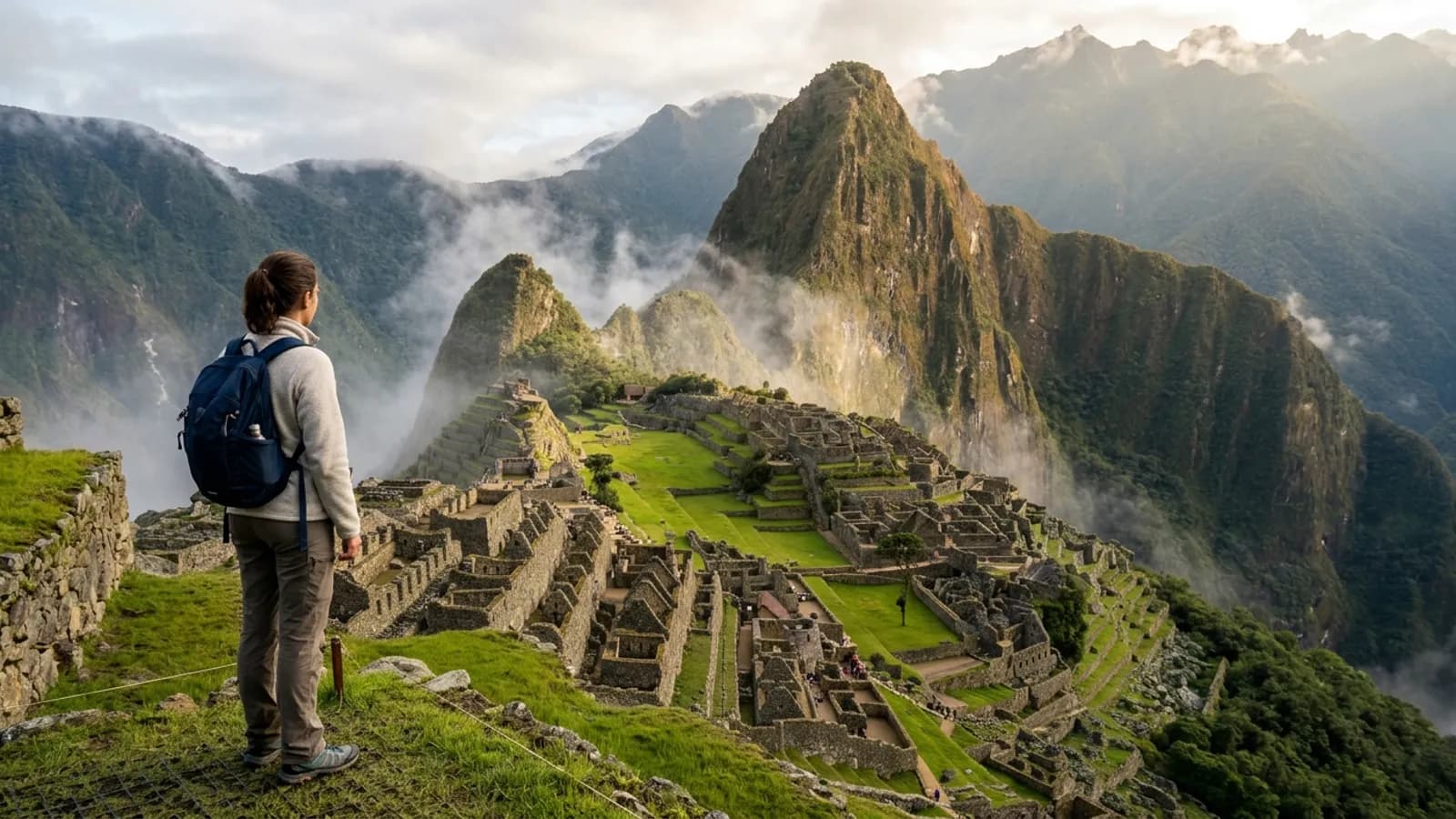
Travel Insurance for Peru: Do You Need It and What It Costs (2026)
Yes, buy travel insurance for Peru: Cusco altitude illness drives claims, Andes trekking needs evacuation coverage, and premiums run 4–10% of trip cost.
Read guide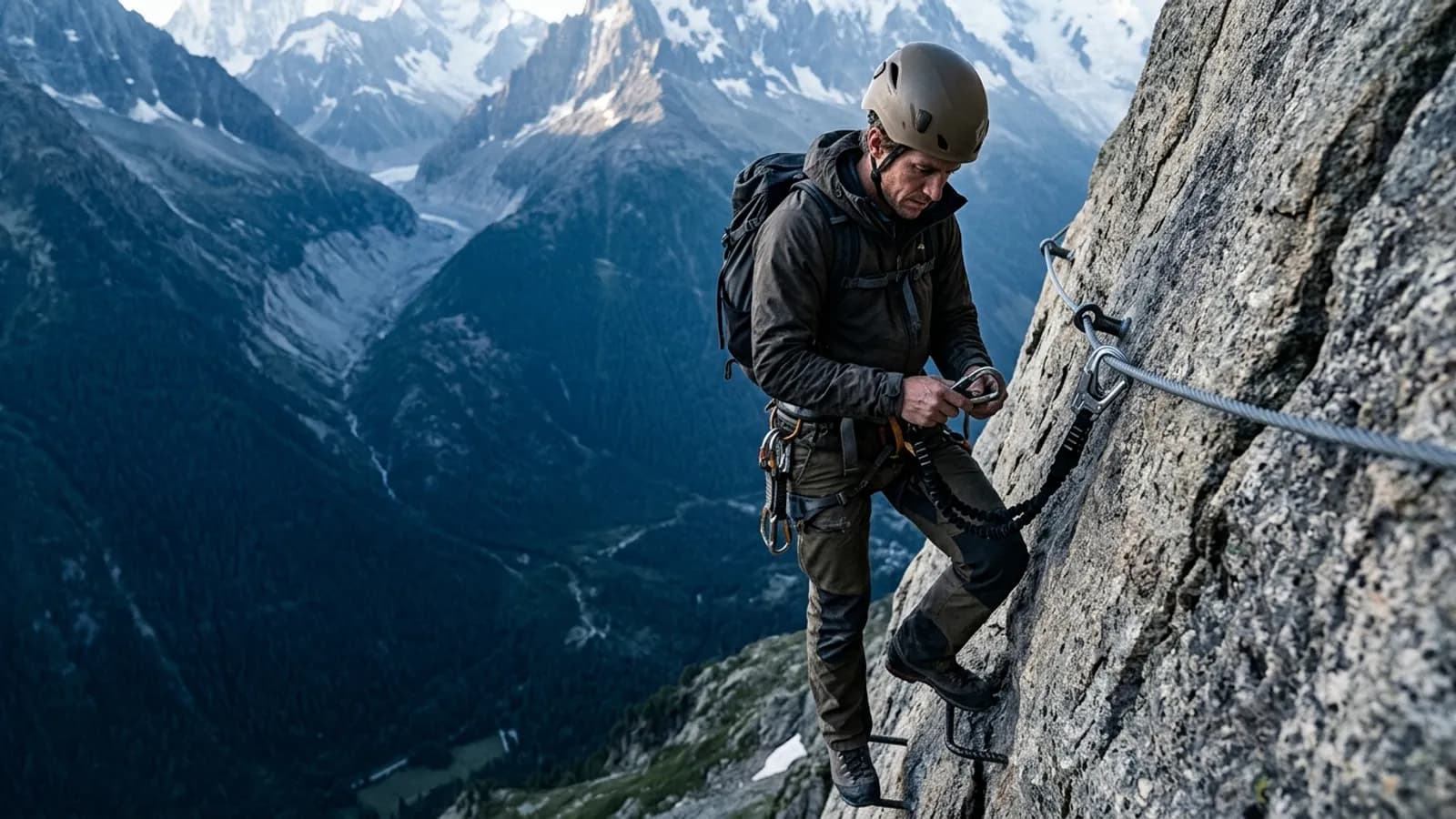
Adventure Sports Travel Insurance: Skiing, Diving, and Climbing Coverage
Standard travel policies exclude or cap adventure sports, and off-piste skiing, deep scuba, and climbing need riders or specialty coverage priced 10–40% higher.
Read guide
Travel Medical Insurance: Long Trips, Digital Nomads, and Visa Requirements
Travel medical insurance pays for treatment and evacuation abroad — no trip-cancellation benefits — the product for long stays, nomads, and Schengen visa rules.
Read guide