
Glossary
What Is Products Liability Coverage?
Products liability is the coverage that answers injury and property-damage claims caused by a product you make, sell, or distribute. It rides inside commercial general liability for most small businesses, exposes every party in the chain of commerce, and draws its claims against a separate products-completed operations aggregate.
How it works
The coverage follows the product chain: manufacturers, component makers, distributors, and retailers all face claims, and plaintiffs commonly sue every party at once. Claim theories run from negligence to strict liability to breach of warranty — strict liability means the injured user does not have to prove carelessness, only that the product caused harm. The standard source is the products-completed-operations section of general liability insurance, which pays within the per-occurrence limit while product claims draw down their own separate general aggregate tracking the products exposure.
Occurrence-based GL forms keep the trigger at the injury date, so a claim on goods sold years ago draws the policy in force when the injury occurred — the occurrence trigger is the structure that makes the long tail survivable. Retailers demand certificates of insurance and vendor agreements naming required limits before stocking goods, and marketplaces enforce the same gate for platform sellers. Recall decisions sit outside the liability policy entirely: pulling a defective batch costs logistics, notification, and disposal that require their own recall coverage. Pricing follows the category — children's products, batteries, and supplements rate higher — plus sales volume and distribution scope.
Typical values
| Parameter | Typical range |
|---|---|
| Where the coverage lives | General liability policy (products-completed operations form) |
| Standard GL limits | $1M per occurrence / $2M general aggregate |
| Products-completed operations aggregate | Separate, commonly $2M |
| E-commerce seller premiums | Roughly $400–$1,200 per year for low-hazard goods |
| High-hazard categories | Children's items, batteries, supplements, cosmetics |
Products liability vs completed operations
Products liability covers harm caused by a product after it leaves your control; the completed-operations hazard covers damage caused by work you performed after you leave the site. Both share the GL form's dedicated products-completed operations aggregate — the structure that stops product-heavy books from silently consuming the limits meant for slip-and-fall claims.
Worked example
An Etsy seller's handmade candle causes a house fire: the injury and property claims total $340,000. The seller's GL policy with products coverage defends the claim — the wax supplier's documentation, the warning-label compliance, and the user-misuse defense all run through the carrier — and pays within limits. The chain matters: the seller, the wax supplier, and the wick importer all received notice, and each relied on its own policy. The seller's homeowners policy paid nothing — the business-product exclusion is absolute. For a marketplace seller without a GL policy, the $340,000 question has no answer but personal assets.
Related guides
Products liability connects to the liability concepts that shape its limits and the business guides where sellers apply it.
- What Is Liability Insurance? — the third-party claim structure products liability operates inside.
- What Is a Per-Occurrence Limit? — how the per-claim cap interacts with the separate products aggregate.
- What Is an Exclusion in Insurance? — the business exclusions that leave personal policies silent on sold products.
- Business Insurance: The Complete Guide — how products coverage fits the small-business policy stack.
Sources
- Insurance Information Institute (III.org) — Product liability insurance basics
- National Association of Insurance Commissioners (NAIC) — Commercial liability coverage resources
Frequently asked questions
How long after a sale can a products liability claim appear?
Years. On an occurrence-based general liability policy, the trigger is the date of injury, so a product sold a decade earlier can still generate a claim against the policy in force when the harm occurred. That long tail is why discontinued products still need lot and serial records, and why sellers check the coverage their suppliers carry.
Do online sellers and resellers need their own products liability coverage?
Yes — retailers and marketplace sellers face claims for products they did not make, and supplier agreements do not always reach every platform or claim. A general liability policy with products coverage fills the gap, and marketplaces increasingly require certificates naming the seller's limits before listing products.
Does homeowners insurance cover products I sell?
No — homeowners policies exclude business activity, and a product sold commercially sits squarely in that exclusion. A candle business run from home needs a general liability policy with products coverage; the homeowner form pays nothing for an injury caused by a sold product.
Is product recall included in products liability?
No — pulling a defective batch costs logistics, notification, and disposal, and the liability policy pays none of it. Recall expense requires separate product recall coverage. The liability policy answers third-party injury and damage claims only, which is why manufacturers carry both.
Related guides
What Does General Aggregate Mean?
The general aggregate is the most a liability policy pays across all claims in the policy period — the ceiling above the per-occurrence limit that resets at renewal.
Read guide
What Is General Liability Insurance? Coverage and Costs
General liability insurance pays third-party injury and property damage claims; small businesses pay $40–$100 per month for the standard $1M/$2M limits.
Read guideWhat Is a Certificate of Insurance (COI)?
A certificate of insurance is the ACORD form proving business coverage — limits, dates, and additional-insured status demanded by clients and landlords.
Read guide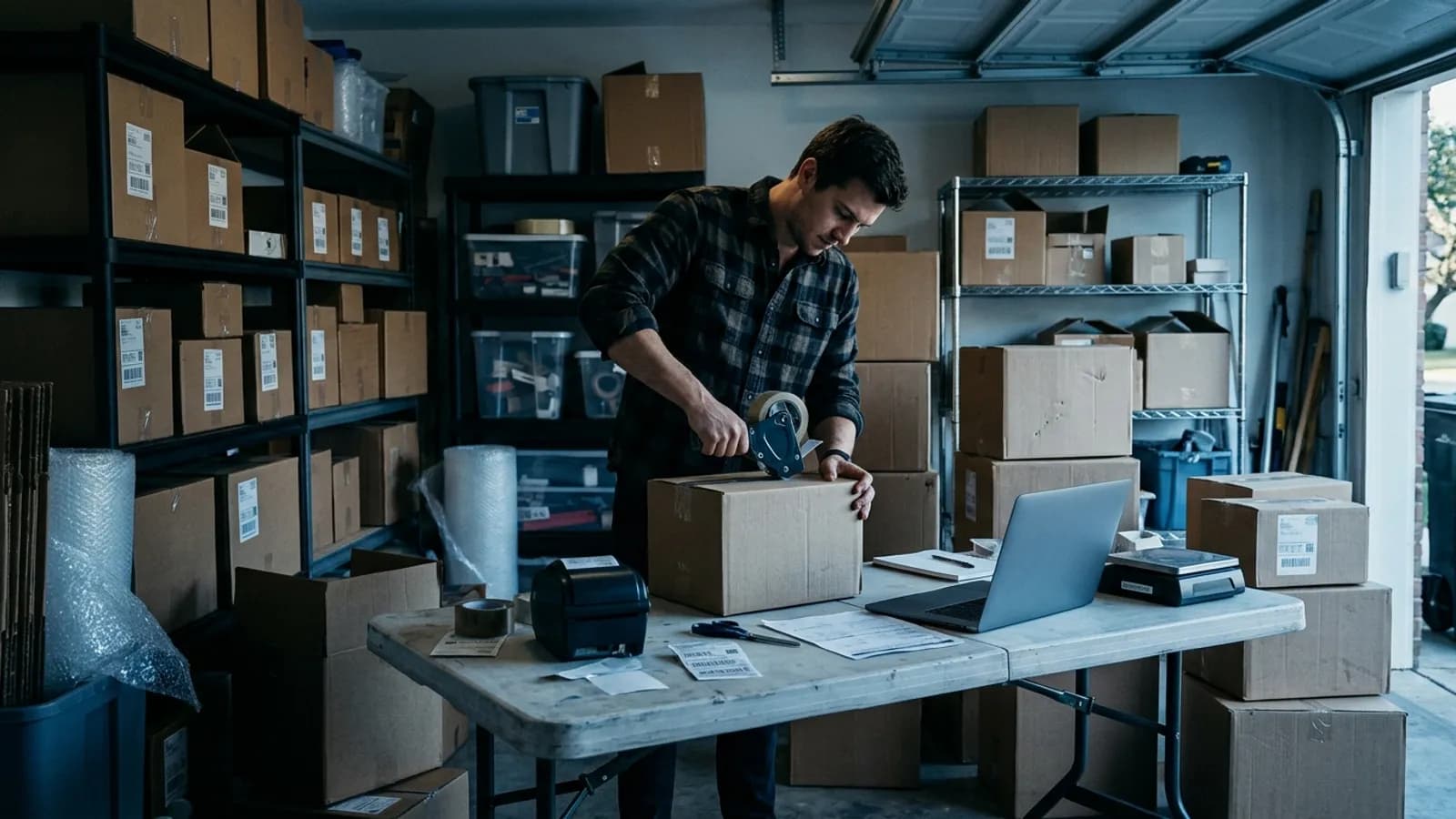
E-commerce Insurance: Coverage for Online Sellers
E-commerce insurance is product-liability-first: goods sold create the claims, inventory is the asset, and customer data is the cyber exposure — $80–$400 per month.
Read guideOccurrence vs Claims-Made Policies
An occurrence policy covers injuries that happen during the policy period whenever the claim arrives later; claims-made policies cover claims filed while active.
Read guide← Back to the full insurance glossary
Sources
The primary sources behind the facts on this page. Last verified November 10, 2026.
- HealthCare.gov Glossary — official ACA definitions for health-coverage terms.
- Insurance Information Institute (III) — property & casualty term definitions cross-checked against policy forms.
- NAIC consumer resources — regulator-authored guides and glossaries for each line of insurance.
Rules that vary by state are verified against the state insurance department's consumer pages — find yours via the NAIC directory above.