
Travel Insurance for Iceland: Do You Need It and What It Costs (2026)
Travel insurance for Iceland is worth it: visitors pay beyond emergencies, Laugavegur treks and gravel damage drive claims, and a policy costs 4–10% of trip.
Why you can trust this guide
- Written by Daniel Reyes, AINS, former licensed P&C agent — independent insurance education publisher.
- Factual accuracy reviewed and signed off by Marcus Hale, CPCU, AINS, licensed P&C agent (Independent insurance reviewer).
- Every factual claim traces to a regulator, statute, or policy document — sources are listed at the bottom of the page.
- Last verified ; time-sensitive guides are re-checked at least twice a year. Read our editorial policy.
On this page
Yes — travel insurance for Iceland is worth buying. Icelandic care bills visitors for everything beyond emergencies, ICE-SAR rescues are free but the hospital is not, and wind, gravel, and solo trekking produce the claim mix.
Do you need travel insurance for Iceland?
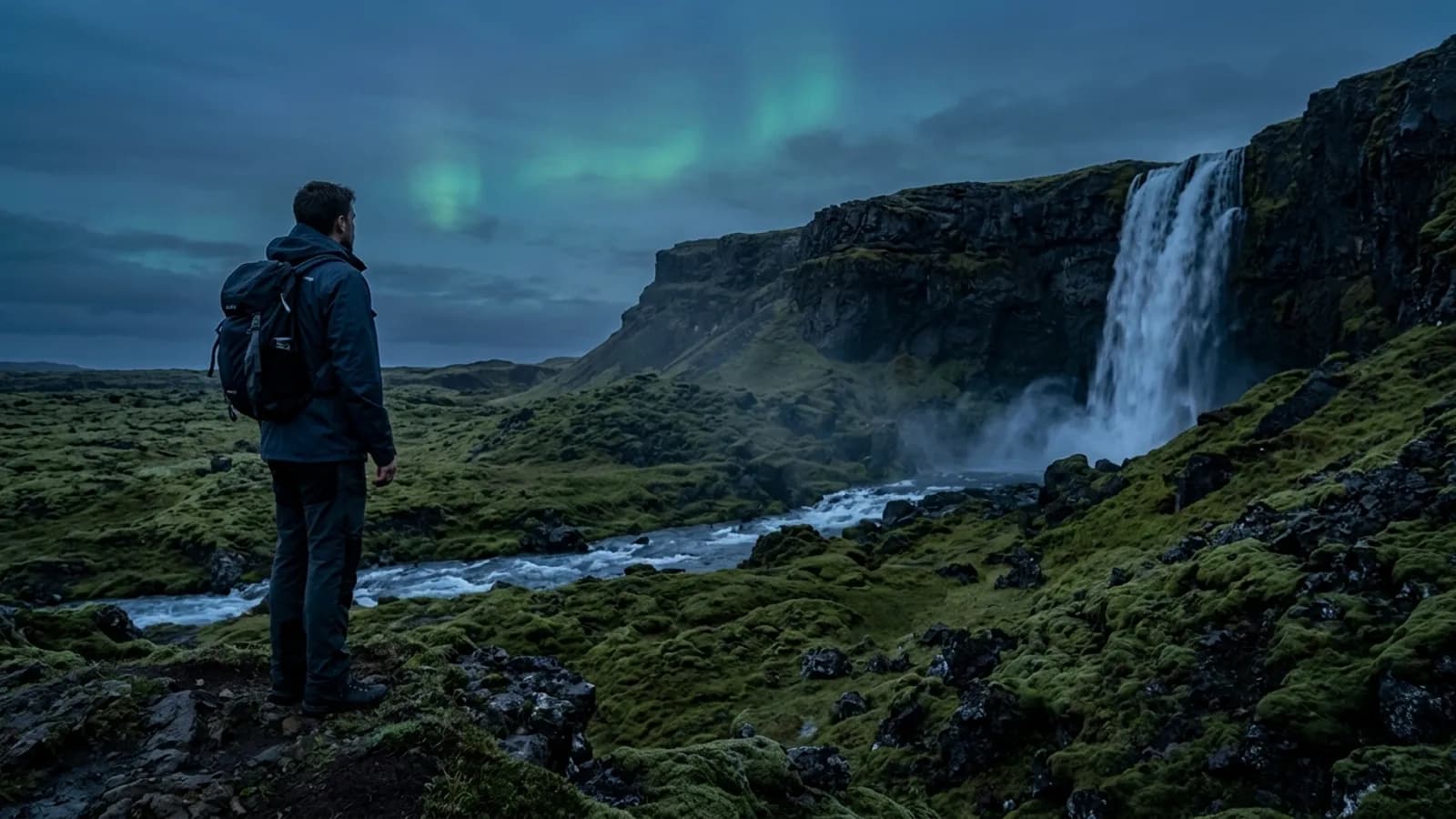
US visitors enter visa-free under Schengen rules for 90 days, and no insurance is checked at the border. The billing structure decides the case: Icelandic healthcare is excellent, Landspítali in Reykjavík is the serious-case hub, and visitors pay for everything beyond emergency stabilization. The famous part is genuinely free — the ICE-SAR rescue service responds to hikers and drivers at no charge — but the medical care after the rescue bills at Icelandic rates, and US plans hold no Icelandic network while Medicare stops at the border. The claim mix is Iceland's own: weather-closed roads on the Ring Road, solo-trekking injuries on the Laugavegur route, glacier and volcano-adjacent activities, and the rental-car gravel and wind damage that Icelandic CDW exclusions treat specially. A $250,000 emergency medical evacuation limit covers the transfer and repatriation legs. Landspítali in Reykjavík handles the definitive care; regional hospitals in Akureyri and Ísafjörður stabilize and refer south. Highland F-roads close entirely from autumn to late spring, shrinking the drivable map by a third.
What an Iceland policy must cover
| Coverage | Why it matters in Iceland | Target amount | | | --- | --- | | Emergency medical | Landspítali and regional hospitals bill non-residents beyond stabilization; US plans have no local network | $100,000+ | | Emergency medical evacuation | Highland and rural accidents air-transfer to Reykjavík; repatriation continues home | $250,000+ | | Trip cancellation and interruption | Weather closes roads and airports unpredictably; prepaid tours and huts are non-refundable | 100% of prepaid, non-refundable costs | | Rental-car damage | Gravel chips and wind-door damage are Icelandic CDW staples with special exclusions | Rental excess coverage per the policy terms |
The weather-driven cancellation exposure makes the trip cancellation coverage line concrete: check how road and airport closures trigger interruption benefits before booking the Ring Road calendar.
What it costs for Iceland
Iceland policies price at 4–10% of prepaid trip cost — a $5,500 itinerary runs about $220–$550 per traveler. Glacier and trekking riders are the Iceland-specific levers, alongside age and the evacuation limit. Cancel For Any Reason (CFAR) coverage adds roughly 50% to the premium. Buy within 14–21 days of the first trip payment to preserve the pre-existing condition waiver and CFAR eligibility on most plans, and compare policies at identical limits before paying.
Iceland-specific risks and exclusions
- Weather-closed roads. The Icelandic Road Administration closes Ring Road sections and highland routes on short notice; stranded-night costs ride on the interruption half of the policy.
- Solo trekking injuries. Laugavegur and Fimmvörðuháls injuries mean an ICE-SAR rescue and an air transfer; the adventure-sports clause governs whether the treatment pays. Hut bookings along Laugavegur sell out months ahead, which makes the interruption half concrete when an injury strands a leg of the route.
- Glacier and volcano-adjacent activities. Guided ice hikes and crater visits sit inside adventure-activity language; the exclusion rider fix is a rider bought before the excursion.
- Rental-car gravel and wind damage. Icelandic CDW exclusions on gravel and sand are the reason rental counters sell separate GP and SAAP products; a travel policy's rental coverage often carries the same exclusions. Rental desks photograph the car at pickup — do the same at drop-off to pre-empt gravel-chip disputes.
Filing a claim from Iceland
- Call the 24/7 assistance line before admission where possible; hospitalization and air transfers require pre-authorization.
- Ask whether the hospital can bill the insurer directly; otherwise pay and keep every itemized invoice in Icelandic krónur.
- For trekking accidents, get the ICE-SAR incident reference number — it anchors the claim file.
- For rental damage, photograph the car, keep the rental agreement and damage report, and note the weather.
- File interruption claims with the road-closure or airline documentation before the policy deadline, keeping the same-day rebooking receipts.
Related guides
Iceland pairs with its North Atlantic neighbors, and the adventure-sports product carries the trekking and glacier clauses that Icelandic itineraries actually use.
- Travel Insurance for Ireland — Atlantic weather disruption and narrow-road driving claims next door.
- Travel Insurance for the United Kingdom — NHS emergency care and the repatriation gap.
- Adventure Sports Travel Insurance: Skiing, Diving, and Climbing Coverage — trekking and glacier riders explained.
- Travel Insurance Comparison: How to Compare Policies in 20 Minutes — comparing at identical limits for a high-rider itinerary.
- Travel Insurance: The Complete Guide — the coverage framework applied to Iceland.
Destination guides travelers pair with this one
Travelers to this destination most often also price:
Sources
Frequently asked questions
Do I need travel insurance for Iceland?
Yes. US visitors enter visa-free under Schengen rules with no insurance check, but Icelandic healthcare bills visitors for everything beyond emergency stabilization. The ICE-SAR rescue service responds for free, and the medical care after the rescue is not free — rural accidents transfer to Landspítali in Reykjavík, and the weather closes roads unpredictably enough to generate its own claims.
Does my U.S. health insurance work in Iceland?
No. US plans hold no Icelandic provider network, Medicare and Medicaid stop at the border, and Icelandic hospitals bill non-residents directly. A travel policy that pays providers directly or advances funds is the practical mechanism, particularly outside Reykjavík where regional facilities stabilize and transfer serious cases to the capital.
How much medical and evacuation coverage do I need for Iceland?
Carry $100,000 or more in emergency medical benefits and $250,000 or more in emergency medical evacuation coverage. Accidents on the Laugavegur trail, glacier excursions, and Ring Road crashes can all end in air transfer to Reykjavík or repatriation to the US. The rescue itself is free through ICE-SAR; the treatment and transport that follow are not.
What does travel insurance for Iceland cost?
Plan on roughly 4–10% of your prepaid trip cost. A $5,500 Ring Road itinerary prices a comprehensive policy at about $220–$550 per traveler. Glacier and trekking riders, higher evacuation limits, and Cancel For Any Reason (CFAR) coverage — about 50% more in premium — push toward the top of the range; age is the largest rating factor.
Does travel insurance cover Iceland rental-car wind and gravel damage?
Often not fully. Icelandic rental agreements sell separate gravel protection (GP) and sand-and-ash protection (SAAP) precisely because standard collision damage waivers exclude gravel chips and wind-driven sand — and many travel policies' rental-car coverage carries the same exclusions. Read the CDW exclusions on gravel and sand, and buy the rental add-ons if the travel policy stops short.
Is the Laugavegur trek covered by travel insurance?
Only where the policy's adventure-sports clause includes multi-day trekking. The Laugavegur trail between Landmannalaugar and Þórsmörk runs through remote highlands where injuries mean an ICE-SAR rescue and an air transfer to Reykjavík. Standard policies often cap remote-trekking coverage, so verify the clause before booking the huts and the transfer.
How we researched this guide
Travel insurance pays on documented triggers, so our guides focus on what activates each benefit and what documentation the claim needs.
- Coverage triggers (trip cancellation reasons, medical evacuation standards, pre-existing waivers) are verified against policy wordings and the state DOI consumer guides that regulate them.
- Visa-entry insurance requirements (e.g., Schengen) are checked against U.S. State Department country guidance.
- Air-passenger rights cited in delay/cancellation guides come from U.S. DOT consumer rules, not airline policies.
- Destination health-risk context comes from CDC traveler health notices.
Where facts vary by state or insurer, we publish the range and the reason for the variation rather than a single misleading average. We do not sell insurance, take money from insurers for coverage, or publish claim amounts we cannot trace to a source.
Sources
The primary sources behind the facts on this page. Last verified November 10, 2026.
- U.S. State Department — travel — country conditions, visa insurance requirements, and emergency assistance programs.
- CDC — traveler health — destination health risks and vaccination requirements that affect medical coverage.
- U.S. DOT — Aviation Consumer Protection — airline passenger rules on cancellations, delays, and refunds.
- NAIC — National Association of Insurance Commissioners — model regulations, consumer guides, and industry statistics.
- Find your state insurance regulator (NAIC directory) — every state insurance department — the authority for your state's rules and complaint filing.
- Insurance Information Institute (III) — industry statistics and consumer explainers we cross-check against regulator publications.
Rules that vary by state are verified against the state insurance department's consumer pages — find yours via the NAIC directory above.
Keep reading

Travel Insurance: The Complete Guide
Travel insurance reimburses prepaid trip costs after covered cancellations and pays medical bills abroad — how policies work, what they cost, and when they pay.
Read guide
Travel Insurance for Ireland: Do You Need It and What It Costs (2026)
Travel insurance for Ireland is worth it: visitors pay hospital charges, winter ferries and flights cancel routinely, and a policy costs 4–10% of trip cost.
Read guide
Travel Insurance for the United Kingdom: Do You Need It and What It Costs (2026)
Yes, buy travel insurance for the United Kingdom: NHS emergency care is free but repatriation and private care bill in full, and premiums run 4–10% of trip cost.
Read guide
Adventure Sports Travel Insurance: Skiing, Diving, and Climbing Coverage
Standard travel policies exclude or cap adventure sports, and off-piste skiing, deep scuba, and climbing need riders or specialty coverage priced 10–40% higher.
Read guide
Travel Insurance Comparison: How to Compare Policies in 20 Minutes
Compare travel insurance by fixing coverage targets, then comparing five numbers: cancellation, medical, evacuation, exclusions, and price — the 20-minute method.
Read guide